
I spent weeks testing the Medela Harmony and Lansinoh Manual breast pumps side by side while building my freezer stash and handling those random engorgement moments.
My goal here is to give you a clear, real-world breakdown of how these two popular manual pumps actually perform in daily life so you can pick the one that fits your comfort level, routine, and budget without wasting time or money.
| Feature | Medela Harmony Manual | Lansinoh Manual |
| Weight & Portability | Very light, fits easily in a small bag | Slightly heavier but still travel-friendly |
| Flange Options | Usually one size included (24 mm Flex), others sold separately | Two sizes included (25 mm and 30.5 mm ComfortFit) |
| Pumping Modes | 2-Phase via handle position | Let-down and expression via simple switch |
| Handle Design | Ergonomic but can tire the hand over time | Easy-Express shape built to cut hand fatigue |
| Cleaning | Simple parts, often hand-wash preferred | Fewer hassles, many parts dishwasher-safe |
| Suction Feel | Steady and controlled | Smoother, often described as closer to a baby’s rhythm |
| Price Range | Around mid-twenties to low thirties | Often similar or a bit lower |
| Best For | Quick sessions and light travel | Comfort during slightly longer or more frequent use |
Why I Even Bothered Comparing These Two Manual Pumps?
Manual pumps sit in a sweet spot for many of us. They need no batteries or outlets, cost far less than electric models, and work great as backups or for occasional relief.
I reached for both the Medela Harmony and the Lansinoh Manual during those early months when I needed something quiet at night, something small for short outings, or just a way to empty one side while nursing on the other.
Both brands carry strong reputations. Medela shows up in many hospitals. Lansinoh focuses heavily on comfort features that everyday parents notice right away.
I wanted to see which one actually made my sessions feel less like work and more like a practical tool.
Key Differences Between The Medela And Lansinoh Manual Pump

- Flange fit and seal quality: The Lansinoh comes with two ComfortFit sizes right in the box.
It adds a soft silicone rim that creates a gentler more forgiving seal. Medela’s PersonalFit Flex shield feels solid with a soft edge oval shape and wider angle.
It usually starts with one size that you may need to replace later for better results.
- How the handle works: Medela relies on the position of its handle to switch between shorter stimulation strokes and longer expression pulls.
Lansinoh uses a clear toggle or notch system that feels more deliberate. It is quicker to adjust mid-session without breaking your rhythm.
- Overall bulk and packability: Medela wins on pure lightness. It slips into a diaper bag pocket with almost no thought.
Lansinoh takes a little more space. It still travels well. It often includes thoughtful extras like a bottle stand in many kits.
- Cleaning routine impact: Both stay simple compared with electric pumps. Lansinoh parts often go straight into the dishwasher top rack.
Medela pieces clean easily by hand. They dry fast. The Lansinoh saved me a few minutes each evening over many uses.
- Milk flow experience: Some lab-style checks and my own timed sessions showed Lansinoh moving milk a bit faster on average.
Medela felt steady and predictable once I locked into the right rhythm. Personal response always varies with anatomy and technique.
Key Features Of The Medela Harmony Manual Pump
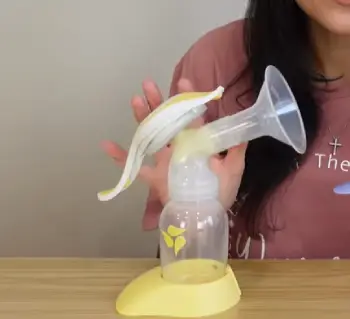
- 2-Phase Expression technology in a hand-powered design: You start with quicker shorter strokes to encourage let-down then shift the handle for deeper pulls that empty the breast more thoroughly and this design tries to follow a baby’s natural pattern so the process feels familiar.
- PersonalFit Flex breast shield: The oval shape soft rim and 105-degree opening angle reduce pressure on ducts and aim for better comfort plus improved output which many parents notice as less pinching once they get the alignment right.
- Lightweight build: At roughly 100 to 220 grams depending on the exact version this pump disappears into a purse or changing bag with no cords or batteries and stays ready whenever you need it.
- Quiet operation: The mechanical action stays discreet enough for late-night sessions next to a sleeping partner or baby and that silence became one of my favorite practical benefits during those quiet hours.
Compatibility within the Medela system: Bottles and many accessories match other Medela products which helps if you already own pieces from their electric line or storage range and keeps everything working together smoothly.
Pros Of The Medela Harmony Manual Pump
- Exceptional portability: Its low weight and compact shape make it the one I grabbed most often for short trips or when I just needed something tiny and reliable in my bag without adding bulk.
- Proven brand trust and parts availability: Medela parts show up in many stores and online shops so if a membrane needs replacing the process stays simple for most users over time.
- Natural-feeling rhythm once dialed in: The handle-based phase change becomes second nature and sessions felt controlled and efficient for occasional use in my experience.
- Discreet and quiet: Perfect for shared spaces or quiet hours and I never worried about noise drawing attention during late-night or early-morning sessions.
- Solid build for the price: It holds up well with regular careful use and feels like a tool that will last through one or more pumping journeys without major issues.
Cons Of The Medela Harmony Manual Pump
- Hand fatigue during longer sessions: The lever action works fine for ten or fifteen minutes yet my hand started to protest after repeated longer uses which is common with most manual pumps but still noticeable here.
- Limited flange size in the box: Starting with one size means some parents must order alternatives and a poor fit quickly reduces both comfort and overall output.
- Slightly slower milk collection for some: In side-by-side timing I sometimes finished a bit later than with the Lansinoh though individual anatomy plays a big role so results can differ.
- Open-system concerns for a few users: While modern versions improve hygiene some prefer fully closed designs for peace of mind around possible backflow during regular use.
- Replacement membranes can feel delicate: They need careful handling during cleaning to avoid tears that drop suction and force an early replacement.
Key Features Of The Lansinoh Manual Breast Pump
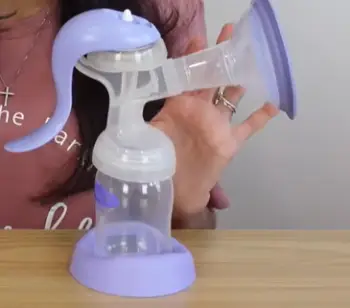
- Easy-Express handle: The shape and leverage reduce strain on the wrist and hand so after longer sessions I noticed less residual ache compared with other manual options I tried over the same period.
- Two-phase modes with a simple switch: Flip or slide into stimulation mode for let-down then move to expression and the transition feels clear with almost no learning curve for new users.
- ComfortFit flanges in two sizes: Soft silicone edges create a cushioned seal and having both 25 mm and 30.5 mm included means more people find a workable fit without an extra purchase right from the start.
- Wide-neck bottle system: You can pump store and sometimes feed from the same bottle which cuts down on transferring milk and extra dishes during busy days.
- Straightforward assembly: Fewer fussy pieces overall so most parents assemble it correctly on the first try and keep the daily routine quick and frustration-free.
Pros Of The Lansinoh Manual Breast Pump
- Superior comfort for many parents: The soft flange rim and ergonomic handle combined to make sessions feel gentler on both breast tissue and hand so I reached for it more often when I expected a longer empty.
- Two flange sizes included: This single detail removes a common frustration and finding a good seal from day one improves both comfort and efficiency right away.
- Efficient milk expression relative to other manuals: Timed tests and real sessions often showed solid volume in less time while the smooth suction rhythm helped trigger let-down reliably for me.
- Easy cleaning and dishwasher-friendly parts: Less time spent scrubbing means more energy left for everything else and that practical win adds up quickly across many days.
- Strong value at a similar price point: You get more included accessories and comfort features without jumping into a higher cost bracket compared with similar options.
Cons Of The Lansinoh Manual Breast Pump
- Slightly bulkier profile: It packs fine yet takes a bit more room than the Medela so in a very tight bag the difference shows during travel or daily carry.
- Possible squeaking with heavy use: A few parents notice noise after weeks of frequent pumping though a drop of water or proper care on the moving parts usually quiets it again.
- Still requires hand effort: No manual pump eliminates fatigue completely and extended exclusive pumping remains better suited to electric options for most people.
- Proprietary valves in some versions: Replacements stay available yet they may not cross-fit with every other brand’s parts which can limit flexibility later.
- Bottle capacity can feel limited: The included bottle works for typical sessions but may need swapping if you produce larger volumes at once during a single pump.
Real-User Experience: How These Pumps Felt Day To Day?
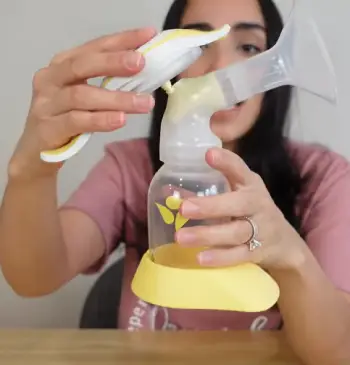
I treated both pumps as tools rather than miracles. On mornings when I needed a quick relief before leaving the house the Medela came out first because it was already in the side pocket.
The handle clicked into stimulation mode without thought and the soft Flex rim settled into place.
Milk started within a minute or two most days. The quiet action let me sit next to a still-sleeping baby without tension.
When I planned a longer session after a growth spurt or during the evening wind-down the Lansinoh felt more inviting. The ComfortFit seal stayed comfortable even as I adjusted position.
Switching modes took one motion and the handle shape kept my wrist happier.
Output often matched or slightly beat what I collected with the Medela in the same time window. Cleaning afterward felt almost automatic once I knew which pieces could go in the dishwasher.
Neither pump replaced my electric double pump for full work-day sessions. Both excelled as the reliable sidekick that never needed charging.
I also noticed that fit matters more than brand loyalty. A poorly sized flange on either model reduced comfort fast. Taking time to measure or try the included options paid off.
Who Should Choose The Medela Harmony?
If you already own Medela bottles or plan light occasional use and value the lightest possible packable option this pump fits cleanly.
Parents who prefer a well-known hospital brand and simple mechanics often settle here happily.
It also works well as a pure backup that lives in the diaper bag without adding bulk.
Who Should Choose The Lansinoh Manual?
If comfort during the actual pumping motion ranks highest and you want two flange sizes ready to go Lansinoh usually feels like the smarter daily companion.
The ergonomic handle and smoother suction make it easier to stick with when you need to empty more thoroughly.
Value-conscious parents who appreciate dishwasher-safe convenience tend to lean this direction.
Practical Tips I Learned Along The Way?
Always start with the lowest effective suction and work up. Warm compresses or a few minutes of gentle massage before attaching the pump improve flow for both models.
Keep spare membranes or valves on hand because those small silicone pieces wear first. Store the pumps clean and dry because moisture left in corners shortens the life of seals.
Track your output for a week with each so you see real numbers rather than relying on feel alone.
Also Read: Comparison Of Momcozy V2 Pro And M9
Frequently Asked Questions (FAQ)
Not automatically. Lansinoh often edges ahead on comfort and included flange options for manual use while Medela wins on pure lightness and brand familiarity. Your priorities decide the winner.
Both rank high. Lansinoh frequently earns praise for everyday comfort while Medela stays popular for travel simplicity and reliability.
Effectiveness depends on fit and technique. In many side-by-side tests Lansinoh collected milk a bit faster yet Medela remains highly effective once the rhythm clicks.
Yes. Its soft flanges two sizes and fatigue-reducing handle make it a strong practical choice for occasional or backup pumping.
Final Thoughts
After living with both pumps through the messy early months I walked away with clear preferences based on situation rather than a single winner.
The Medela Harmony became my grab-and-go companion for short needs and tight spaces. The Lansinoh Manual earned more time for sessions where comfort and output mattered most. You will likely notice the same split once you try them in real conditions.
Measure your flange needs carefully pay attention to how your hand feels after ten minutes and trust the numbers from your own milk collection.
Either pump can serve you well when matched to the right moments in your day. The best choice is the one that keeps pumping sustainable so you can focus on feeding your baby without extra frustration.
Recent Posts
I tried Meltoway Hair Dissolving Cream because I wanted a quick way to deal with unwanted body hair without reaching for a razor every few days. If you are looking for a convenient at-home...
If you’re considering a saffron-based supplement to support mood, appetite control, and everyday wellness, Happy Saffron Plus is worth considering.I like that it takes a familiar botanical...