
I know firsthand how frustrating a sudden tingling sensation on your lip can be. Whenever a cold sore strikes, I always face a dilemma regarding treatment. Should I reach for a discreet patch or a medicated cream?
My goal in this article is to compare the Mederma Cold Sore Patch and Abreva based on my personal analytical experience. I want to help you figure out which treatment actually works better for your specific needs, lifestyle, and healing timeline.
A Brief Comparison Table
| Features | Mederma Cold Sore Patch | Abreva Cream |
| Active Ingredient | Hydrocolloid gel | Docosanol 10% |
| Primary Function | Protects and conceals the blister | Speeds up healing time and stops viral spread |
| Application Method | Adhesive physical patch | Topical cream rubbed into skin |
| Appearance | Translucent, matte finish | White cream that dries clear |
| Frequency Of Use | Keep on continuously until it detaches naturally | Apply five times daily until healed |
| Prescription Required | No | No |
My Experience With Mederma Cold Sore Patch
When I first decided to try a physical barrier for my outbreaks, I was highly skeptical about whether a sticker could genuinely make a difference. I applied the Mederma patch during the early blister phase, and the immediate sense of physical protection was a massive relief for my anxiety.
I no longer had to worry about bumping my lip or accidentally transferring the virus. While the application process took a bit of practice to avoid folding the edges, the overall experience completely shifted my perspective on managing the most embarrassing stages of an outbreak.
Pros Of Mederma Cold Sore Patch
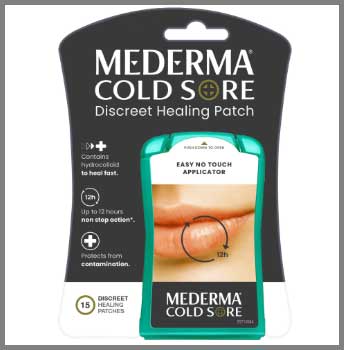
- Advanced Hydrocolloid Healing Environment: Whenever I apply this patch, I immediately notice how the hydrocolloid technology creates an optimal moisture barrier. By trapping the natural moisture of the skin, the patch effectively prevents the blister from drying out entirely. This specific mechanism is crucial because it stops the formation of those massive, painful scabs that tend to crack whenever I smile or eat.
- Incredible Discretion For Daily Wear: One of my absolute favorite aspects of this product is how effectively it blends into my natural lip texture. The translucent material masks the angry red color and the raised texture of the blister underneath. I can confidently attend professional meetings, run errands, and interact with friends without feeling like everyone is staring directly at my mouth.
- Total Prevention Of Contamination And Touching: Let us be honest, it is incredibly difficult to keep our hands away from our faces when there is a tingling, painful spot on our lip. The physical barrier provided by the patch completely eliminates my subconscious habit of picking or touching the sore.
- Seamless Integration With Cosmetics And Makeup: I often have to attend social events where a visible blemish would make me highly self-conscious. The smooth surface of the Mederma patch acts like a perfect cosmetic canvas. I can apply my foundation, concealer, or even lipstick directly over the patch without it clumping up or flaking off.
- Continuous Long Lasting Symptom Relief: Once the patch is properly secured onto my skin, it works continuously for hours without requiring any additional attention or maintenance. Unlike creams that rub off every time I take a sip of water, the patch stays firmly in place, providing a constant soothing effect. It shields the highly sensitive, exposed nerve endings of the blister from environmental triggers like cold wind, spicy foods, or acidic beverages. This constant protection noticeably reduces the throbbing pain and burning sensation that usually accompanies the peak stages of an outbreak.
Read more: My Thoughts on Alastin Restorative Eye Treatment
Cons Of Mederma Cold Sore Patch
- Tricky And Frustrating Initial Application: I have ruined quite a few patches simply trying to get them out of the packaging and onto my lip correctly. The adhesive is incredibly sticky, which is great for longevity, but terrible if the patch accidentally folds over onto itself during application. Once the adhesive sides touch, the patch is basically ruined and has to be thrown away. It definitely requires a steady hand, good lighting, and a mirror to align it perfectly over the blister without creating unsightly wrinkles or air bubbles on the skin.
- Vulnerability To Oily Foods And Moisture: While the patch holds up well against normal talking and drinking, I quickly realized that greasy or oily foods are its worst enemy. If I eat a messy burger, a salad with an oil-based dressing, or even excessively buttery popcorn, the oils seep into the edges of the adhesive and cause it to lift prematurely. Once an edge starts lifting, it becomes a noticeable annoyance, catching on my teeth or fluttering when I breathe. This often forces me to replace the patch much sooner than the manufacturer recommends, which feels incredibly wasteful.
- Lack Of Active Antiviral Ingredients: It is important for me to remember that this product does not contain any active medication designed to kill the virus itself. The hydrocolloid simply provides a supportive, protective environment for the body to do its own healing. When I feel that very first initial tingle, using a patch alone does not abort the outbreak or drastically shorten the viral replication cycle in the way that an actual antiviral medication can. It simply manages the physical symptoms and appearance once the blister has inevitably formed on the surface.
- Noticeable Edges When Placed Awkwardly: If the cold sore develops right on the vermilion border where the lip meets the regular skin, or deep in the corner of the mouth, the patch struggles to lay perfectly flat. The constant movement of my mouth when speaking or chewing causes the edges of the patch to wrinkle and peel up.
- Financial Cost Over The Outbreak Cycle: Depending on the severity and duration of the outbreak, I often go through an entire box of patches in just a few days. Because they need to be replaced whenever they start to lift or get dirty, the continuous usage quickly adds up.
Maintenance Tips For Mederma Cold Sore Patch
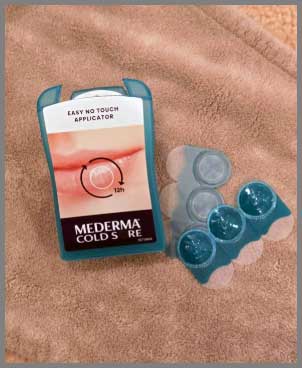
- Thoroughly Clean And Dry The Skin: Before I even think about opening a new patch, I make absolutely sure that the entire area around my lip is completely clean and perfectly dry. I gently wash the area with a mild, unscented soap and water to remove any lingering dirt, natural skin oils, or previously applied skincare products.
- Avoid Skincare Underneath The Adhesive: It is highly tempting to apply a healing ointment or a dab of tea tree oil to the blister before putting the patch over it, but I have learned the hard way that this is a huge mistake. The hydrocolloid material needs to make direct, unimpeded contact with bare skin to create the proper seal. Putting any creams, lotions, or serums underneath the patch instantly dissolves the glue.
- Press And Hold For Maximum Adhesion: Once I have carefully positioned the patch over the blemish and peeled away the plastic applicators, I do not just walk away. I take a clean, dry fingertip and press firmly on the patch, holding it perfectly still for at least twenty to thirty seconds.
- Let It Detach Naturally On Its Own: I have found that the best way to avoid damaging the fragile skin of the blister is to completely leave the patch alone until it is genuinely ready to come off. I resist the urge to peel it off just to check on the healing progress. The patch will naturally start to turn opaque white and the edges will begin to loosen when it has absorbed maximum moisture and is ready to be replaced. Forcing it off prematurely can actually rip the roof off the blister, causing intense pain and resetting the healing timeline.
- Use Gentle Stretching For Safe Removal: When the time finally comes to remove a patch that is still somewhat stuck, I never simply rip it upward like a conventional bandage. Instead, I carefully grasp one of the loosened edges and pull it horizontally, stretching the patch parallel to my skin. This gentle stretching motion effectively breaks the adhesive bond without pulling the delicate skin upward.
Comparison With Other Brands
- Compeed Cold Sore Patches: In my analytical comparison, Compeed is the most direct and well-known competitor to Mederma in the patch category. I have noticed that Compeed patches tend to be slightly thinner and perhaps a bit more flexible, which can make them marginally more comfortable for sores located right on the crease of the mouth. However, Mederma seems to have a slightly more robust hydrocolloid absorption rate, handling the weeping phase of the blister slightly better. Both offer excellent discretion, but Mederma is often more readily available in my local pharmacies compared to Compeed.
- Nexcare Acne Absorbing Covers: While technically designed for standard acne pimples, many people, including myself, have experimented with using standard Nexcare hydrocolloid dots for cold sores in a pinch. The major difference is the thickness and the finish. Nexcare patches are considerably thicker, making them much more visible on the lip, and they lack the contoured, ultra-thin edges that Mederma utilizes to blend into the skin. Nexcare also lacks the specific applicator design that makes placing a patch over a highly infectious area safe and hygienic.
- Mighty Patch Invisible Plus: Similar to Nexcare, Mighty Patch is an absolute powerhouse for treating facial acne, but it falls short when repurposed for lip blisters. The Mighty Patch is incredibly matte and thin, which is great, but the adhesive is formulated for relatively flat facial skin, not the highly mobile, perpetually moist environment of the human lip. I found that Mighty Patches fall off my mouth almost immediately when I try to speak or eat, whereas the Mederma patches utilize an adhesive specifically formulated to withstand the unique mechanical stresses of the lip area.
- Generic Store Brand Hydrocolloid Bandages: I have occasionally purchased large, generic hydrocolloid wound dressings from the pharmacy and attempted to cut them down to size with scissors to save money. While the core material is essentially the same, this DIY approach is incredibly frustrating. The cut edges lack the tapered, sealed border of the Mederma patch, meaning they snag on everything and peel up almost instantly. Furthermore, handling the sticky side with scissors and fingers increases the risk of contamination, completely defeating the sanitary purpose of using a sterile blister patch.
- Polysporin Cold Sore Healing Patches: Polysporin offers a very similar product that I have used during travels. I found the overall performance to be nearly identical to Mederma in terms of healing environment and physical protection. However, the Polysporin patches I tested had a slightly different applicator mechanism that I found a bit more cumbersome to navigate. Mederma’s butterfly-style applicator seems slightly more intuitive for getting a perfectly smooth, wrinkle-free placement. Ultimately, deciding between these two usually comes down to whichever brand happens to be on sale at the store.
My Experience With Abreva
When I want to take an aggressive, medicated approach, Abreva is always my first thought. My experience with this tiny tube has been marked by a strict routine. The moment I feel that notorious deep tingle, I abandon everything to apply it. The texture is a lightweight white cream that requires thorough rubbing to turn clear.
I quickly learned that consistency is absolutely vital with this product; missing applications heavily diminishes its effectiveness, but sticking to the rigorous schedule often successfully prevents my sores from reaching their most severe, painful stage.
Pros Of Abreva
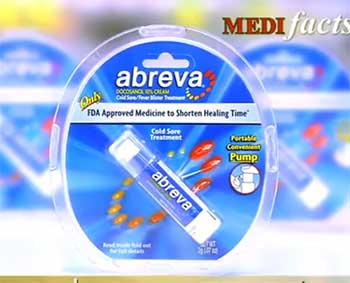
- Clinically Proven To Speed Up Healing: The most compelling reason I reach for this cream is its extensive clinical backing. Because it is approved by the FDA specifically to shorten the healing time of cold sores, I feel confident that I am using a scientifically sound treatment. When I apply it correctly and consistently, I genuinely notice a reduction in the total number of days I have to suffer.
- Actively Blocks Viral Penetration And Replication: Unlike patches that merely cover the problem, Abreva actually addresses the root cause at a cellular level. The active ingredient, docosanol, works by modifying the cell membrane of healthy skin cells, making it incredibly difficult for the herpes simplex virus to penetrate and replicate within those cells.
- Highly Effective During The Early Tingle Phase: The true magic of this product reveals itself when I catch the outbreak in its earliest possible stage. If I apply the cream at the very first sensation of a tingle, burning, or itching, I have successfully prevented the blister from fully forming on several occasions. It is incredibly satisfying to stop an outbreak in its tracks before it ever breaks the skin. This early intervention capability is the primary reason I always make sure to keep a tube readily accessible in my home, my car, and my travel bag.
- Deep Penetrating Topical Application: The formulation of the cream is designed to be rubbed deeply into the skin, ensuring the active medication reaches the site of the viral activity. I appreciate that it is a smooth, relatively non-greasy lotion that absorbs reasonably well when massaged gently. Because it penetrates the skin barrier, it goes to work precisely where the virus is trying to establish a foothold.
- Widely Accessible Over The Counter Solution: When a cold sore strikes, I do not have the time or patience to schedule a doctor’s appointment to get a prescription antiviral pill. I absolutely love that this highly effective medication is available over the counter at virtually every pharmacy, grocery store, and convenience store in my area.
Cons Of Abreva
- Requires A Strict And Frequent Application Schedule: The biggest hurdle I face when using this cream is the incredibly demanding application schedule. The instructions explicitly state to apply it five times a day. Trying to remember to stop what I am doing and apply a medicated cream every few hours is highly disruptive to my daily routine, especially during busy workdays.
- Leaves A Noticeable White Cast On The Skin: Although the cream is supposed to dry clear, I frequently struggle with the white residue it leaves behind. If I apply even a fraction too much, or if I fail to rub it in completely, it dries into a chalky, crusty white film surrounding the blister. This creates an incredibly highly visible spotlight exactly where I want the least amount of attention.
- High Price Tag For An Exceptionally Small Tube: The initial sticker shock is always a tough pill to swallow. Paying twenty dollars or more for a microscopic two-gram tube of cream feels incredibly expensive. Even though you only need a tiny amount per application, the requirement to apply it five times a day means I can easily go through an entire tube during a single prolonged outbreak.
- Messy And Unhygienic Application Process: Unlike a sterile patch, applying a cream requires me to physically touch the highly contagious blister with my fingers or a cotton swab multiple times a day. This process is inherently messy and greatly increases my anxiety about accidentally spreading the virus to my eyes or to other people.
- Causes Severe Dryness And Flaking Around The Lip: The active ingredients and the vehicle used in the cream formulation are incredibly drying to my delicate lip skin. After a few days of aggressive, continuous application, the skin surrounding the blister often becomes tight, completely dehydrated, and prone to painful peeling.
Also read: My Thoughts on Maelove Glow Maker
Maintenance Tips For Abreva
- Implement Strict Hand Washing Protocols: Because applying the cream requires direct physical contact with an active viral lesion, maintaining immaculate hand hygiene is non-negotiable. I obsessively wash my hands with hot water and antibacterial soap for at least thirty seconds immediately before and immediately after every single application. This rigid routine is the only way I can ensure I am not transferring bacteria into the open sore, and more importantly, that I am not carrying the highly contagious herpes virus on my fingertips to my keyboard, my phone, or my eyes.
- Use A Disposable Applicator Whenever Possible: To completely avoid the risks associated with touching the blister with my bare fingers, I heavily rely on clean cotton swabs for application. I squeeze a tiny, pea-sized amount of the cream directly onto the tip of the swab and gently dab it onto the affected area.
- Rub In Completely To Avoid The White Residue: To prevent walking around with a glaring white spotlight on my face, I take my time to properly massage the cream into my skin. I use a very light, tapping motion to gently work the product into the blister and the immediately surrounding border until it turns completely transparent.
- Store At Room Temperature Away From Direct Heat: I treat the tiny tube like a delicate medication, because that is exactly what it is. I make sure to store it in a cool, dry place, usually my medicine cabinet, where it is shielded from extreme temperature fluctuations.
- Apply Strictly Before Layering Any Cosmetics: When I need to wear makeup over the outbreak, I have a very specific order of operations. The medicated cream must always be the very first thing that touches my clean, dry skin. I rub it in completely and give it at least five to ten minutes to fully absorb and dry down.
Comparison With Other Brands
- Zovirax (Acyclovir) Prescription Creams: When analyzing heavy-duty treatments, prescription acyclovir creams are Abreva’s biggest rivals. While docosanol (Abreva) modifies the cell membrane to block viral entry, acyclovir directly interferes with the virus’s ability to replicate its DNA once inside. In my experience, prescription Zovirax is often slightly more potent and requires fewer daily applications, which is incredibly convenient.
- Zilactin Early Relief Cold Sore Gel: Zilactin takes a completely different approach by focusing heavily on immediate symptom relief rather than viral blocking. It utilizes benzyl alcohol to quickly dry out the blister and create a protective, albeit tight, film over the sore. While Zilactin is absolutely incredible for instantly numbing the throbbing pain, I find that it does not actively shorten the overall healing timeline as effectively as docosanol.
- Carmex And Standard Medicated Lip Balms: It is crucial to understand that standard medicated lip balms like Carmex or Blistex are not in the same analytical category as Abreva. Carmex contains menthol and camphor, which provide a wonderful, soothing cooling sensation that temporarily relieves itching and pain. However, they contain absolutely no antiviral properties to stop the infection. I use Carmex purely for comforting maintenance between outbreaks or as a secondary moisturizer far away from the active blister, but I strictly rely on Abreva when I need to actually treat and shorten the viral cycle.
- Herpecin L Lip Balm Protector: Herpecin L is an interesting hybrid product. It contains dimethicone for protection and lysine, an amino acid some believe helps suppress the virus, along with SPF to prevent sun-induced outbreaks. While Herpecin L is an excellent preventative daily lip balm, especially during the summer, it lacks the clinically proven, targeted antiviral punch of docosanol when a full-blown blister has already erupted. I often use Herpecin L as a daily preventative measure, but immediately switch to Abreva the second I feel a breakthrough tingle.
- Generic Docosanol 10% Creams: In recent years, pharmacy store brands have finally started releasing generic versions of 10% docosanol cream. Analytically speaking, the active ingredient is identical to the name brand, and they function exactly the same way to block viral entry. I have used several generic versions and noticed absolutely no difference in healing speed or efficacy. The only difference I have found is occasionally a slightly grainier texture in the generic creams, but given the massive cost savings—often half the price of the name brand—the generics are an incredibly smart alternative.
Frequently Asked Questions (FAQ)
No, they do not contain antiviral medication to kill the virus faster. Instead, they provide an optimal, moist hydrocolloid environment that prevents scabbing, which can make the visible healing process smoother and reduce scarring.
It depends entirely on your goal. If you catch the tingle early and want to actively fight the virus to shorten the outbreak, a medicated cream is better. If the blister has formed and you want to hide it, stop pain, and prevent spreading, a patch is superior.
You should wear a single patch continuously until it begins to naturally detach from the skin, which typically takes anywhere from 8 to 12 hours depending on eating habits and lip moisture.
It is widely considered the best over-the-counter topical treatment because it is uniquely FDA-approved to actively shorten healing time, rather than just soothing the symptoms, provided it is applied at the very first sign of an outbreak.
Conclusion
After thoroughly evaluating both products through multiple outbreaks, I have realized that declaring a single winner is entirely subjective. My analytical take is that they serve completely different purposes in the treatment timeline. If I wake up to a blister that has already erupted and I have a full day of social interactions ahead of me, I immediately reach for the Mederma patch.
The discretion, physical protection, and continuous symptom relief it provides are unmatched. It allows me to go about my day without constantly stressing about my appearance or accidentally spreading the virus.
However, if I am lucky enough to feel that deep, familiar tingle before anything appears on the surface, Abreva is my undisputed champion. I am willing to tolerate the tedious application schedule and the high price tag because the clinical ability to halt viral replication and drastically cut down the healing time is truly invaluable.
Ultimately, you do not necessarily have to choose just one; many people find success using the medicated cream at home and applying the patch when they need to go out. Would you like me to elaborate on how to safely alternate between using a topical cream and a hydrocolloid patch during a single outbreak cycle?
Recent Posts
I spent months comparing budget options against established names after my last set of tires wore out sooner than expected.My goal here is to share what I learned from putting Dextero and...
AquaTru Carafe Vs. Classic: Which Is Actually Fits Your Kitchen?
I decided to write this comparison after months of testing both the AquaTru Carafe and the Classic in my own kitchen. Tracking covered daily use.Taste stayed consistent. Refill frequency...