
If you have been struggling with stubborn dark spots, uneven skin tone, or post-acne marks that refuse to fade, I honestly think MELA B3 Serum is worth considering.
After trying countless brightening serums that either irritated my skin or delivered weak results, I wanted something that balanced effectiveness with gentleness.
What caught my attention about MELA B3 Serum was its focus on correcting discoloration while supporting the skin barrier at the same time.
From my experience, it feels more like a thoughtful skincare treatment than a harsh spot corrector, Which Is Exactly Why Many People Are Adding It To Their Daily Routine.
My First Experience With Mela B3 Serum
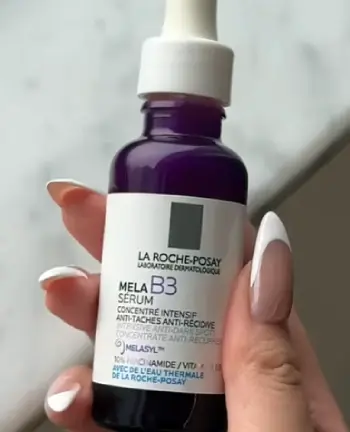
When I first started using Mela B3 Serum, I was skeptical.
I’ve tested so many brightening products over the years that promised dramatic transformations within days, but most either caused irritation or barely changed anything.
My skin tends to react quickly to strong active ingredients, especially when products focus heavily on exfoliation or acids. That’s why I approached this serum carefully.
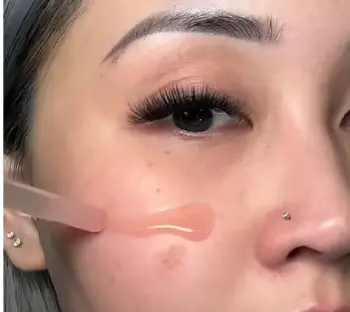
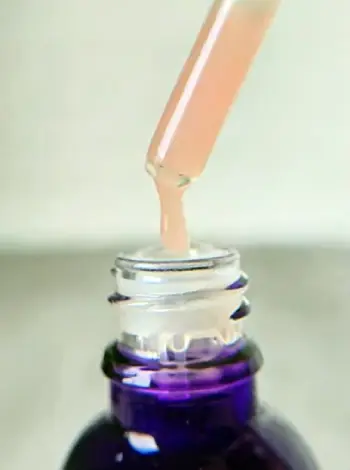
The first thing I noticed was the texture. It felt lightweight, silky, and surprisingly comfortable on my skin.
Some brightening serums leave a sticky film or greasy layer behind, but this one absorbed nicely within a minute or two. I could easily layer moisturizer and sunscreen afterward without my skin feeling overloaded.
I started applying it twice daily, mostly focusing on acne marks around my cheeks and areas where sun damage had made my complexion look patchy.
During the first week, I didn’t notice dramatic fading, but my skin looked calmer and smoother. That alone impressed me because many dark spot products make my face feel tight or sensitive.
Around the third week, I started seeing visible improvement in older acne scars. The spots didn’t disappear overnight, but they looked softer and less noticeable.
What stood out most was the overall brightness of my skin. Instead of looking dull and tired, my complexion began looking more balanced.
Another thing I appreciated was how gentle it felt over time. I never experienced peeling, burning, or excessive dryness.
That made it easier to stay consistent, which is honestly the biggest challenge with skincare. If a product irritates your skin, you stop using it. With Mela B3 Serum, I actually looked forward to applying it.
By the second month, my skin tone looked noticeably more even. Friends even commented that my face looked fresher and healthier, which felt validating after spending so much time testing products that failed me. While it wasn’t a miracle overnight cure, it gave me steady, realistic improvement that felt sustainable.
What Is Mela B3 Serum?
Mela B3 Serum is a dark spot correcting serum designed to target hyperpigmentation, post-acne marks, uneven tone, and discoloration while also supporting the skin barrier.
The formula is commonly associated with ingredients like niacinamide, melasyl technology, and hydrating compounds that work together to brighten skin gently rather than aggressively stripping it.
What makes this serum stand out is the balance between correction and comfort. A lot of pigmentation products rely on intense exfoliation, but this serum focuses on gradual improvement while maintaining hydration and skin stability.
In my opinion, that’s why it appeals to people with sensitive skin or those who have struggled with irritation from stronger treatments.
Ingredients That Make Mela B3 Serum Popular
- Niacinamide
Niacinamide is one of the most respected skincare ingredients for a reason. It helps brighten uneven tone, reduce redness, strengthen the skin barrier, and improve overall texture. I’ve personally found niacinamide far easier to tolerate than stronger acids.
In this serum, it contributes to that smoother and healthier appearance I noticed after a few weeks.
- Melasyl Technology
One of the biggest talking points around Mela B3 Serum is its melasyl-based approach to pigmentation correction. Instead of aggressively exfoliating the skin, it works more strategically to help reduce excess pigmentation formation.
That gentler strategy is probably why my skin tolerated the serum so well.
- Hydrating Ingredients
Another thing I noticed was how hydrated my skin stayed while using the product. Many pigmentation treatments dry out the skin barrier, but this serum includes moisturizing support that prevents that uncomfortable tight feeling.
For me, that hydration made daily use much easier.
The Pros Of Mela B3 Serum
- Gentle on Sensitive Skin
This was probably the biggest advantage for me personally.
My skin reacts quickly to aggressive brightening ingredients, especially strong acids or retinoids. Mela B3 Serum felt calming rather than stressful on my skin.
I never experienced stinging, burning, or redness while using it consistently. That alone makes it stand out in the crowded dark spot serum category.
If you’ve avoided pigmentation treatments because your skin gets irritated easily, you may appreciate how balanced this formula feels.
- Lightweight and Comfortable Texture
The serum feels elegant on the skin. It absorbs quickly without leaving behind a greasy residue or sticky layer. I could comfortably wear it under sunscreen and makeup during the day.
That lightweight texture also made it easier to apply twice daily without my face feeling heavy.
A lot of treatment serums feel clinical and unpleasant, but this one felt cosmetically refined.
- Gradual but Noticeable Brightening
I didn’t wake up with magically flawless skin overnight, but I noticed gradual improvement that looked natural and believable. My acne marks softened, my skin tone appeared more even, and my complexion looked brighter overall.
Personally, I prefer realistic improvement over exaggerated promises. This serum gave me steady progress without damaging my skin barrier in the process.
- Hydration Support
Another major positive was the hydration factor. Instead of drying my face out, it actually helped my skin feel healthier.
I noticed fewer flaky patches and less tightness compared to other brightening products I’ve tested.
That balance between treatment and hydration is something many brands fail to achieve.
- Works Well With Other Products
I had no major compatibility issues when using Mela B3 Serum with moisturizers, sunscreen, or gentle cleansers. It layered nicely without causing pilling or heaviness.
That versatility makes it easier for people who already have established skincare routines.
- Good for Daily Use
Some pigmentation products are so strong that you can only use them occasionally. Mela B3 Serum felt gentle enough for regular use, which likely contributed to the gradual improvement I experienced.
Consistency matters more than intensity in many skincare routines, and this serum supports that approach.
The Cons Of Mela B3 Serum
- Results Take Time
If you expect instant transformation within a few days, you may feel disappointed initially. This serum works gradually.
I didn’t notice meaningful fading until several weeks into consistent use.
Personally, I prefer gradual improvement over harsh peeling, but impatient users may struggle with the waiting period.
- Premium Pricing
Depending on your budget, the price may feel a little high compared to basic niacinamide serums on the market.
While I do think the formula feels more sophisticated than cheaper alternatives, not everyone wants to spend extra on skincare.
If you are building an affordable routine, this could feel like a splurge.
- Severe Pigmentation May Need Stronger Treatments
For mild to moderate dark spots, I found the serum helpful. But if you have extremely deep melasma or long-term pigmentation issues, you may still require dermatologist-guided treatments alongside it.
I wouldn’t personally call it a miracle cure for every type of discoloration.
- Requires Consistency
Skipping applications regularly probably won’t give you the best outcome. I noticed the most improvement when I used it consistently morning and night.
If you tend to abandon skincare products quickly, you might not experience its full potential.
Who Should Try Mela B3 Serum?
From my perspective, this serum works best for people dealing with:
- Post-acne marks
- Uneven skin tone
- Mild hyperpigmentation
- Sun spots
- Sensitive skin concerns
- Dull complexion
- Early discoloration issues
I especially think it suits people who want brightening benefits without aggressive peeling or irritation.
If your skin barrier is already compromised, this gentler approach can feel far more manageable than stronger exfoliating treatments.
Tips For Mela B3 Serum
- Use Sunscreen Every Single Day
This is probably the most important advice I can give you. If you use pigmentation treatments without sunscreen, you’re basically working against yourself.
Sun exposure can worsen dark spots and undo progress quickly. I made SPF a non-negotiable part of my routine while using Mela B3 Serum.
Even on cloudy days, sunscreen matters.
- Stay Consistent
One mistake people make is quitting too early. This serum works gradually, so consistency is critical. I saw the best results after several weeks of regular use.
Try to apply it morning and night if your skin tolerates it well.
- Avoid Overloading Active Ingredients
When I first started using the serum, I avoided combining it with too many strong exfoliants. Using harsh acids simultaneously can sometimes overwhelm the skin barrier.
If your skin becomes irritated, simplify your routine temporarily.
- Keep Your Skin Hydrated
Hydration helps your skin function properly and improves overall texture. I paired the serum with a gentle moisturizer, and that combination helped maintain smoothness while targeting discoloration.
Dry skin often looks duller and more uneven, so moisture matters more than many people realize.
- Be Patient With Pigmentation
Dark spots rarely disappear overnight. I had to remind myself that real skin improvement takes time. Taking progress photos every few weeks actually helped me notice gradual changes more clearly.
Patience is a huge part of successful skincare.
- Patch Test Before Full Use
Even though the serum felt gentle on my skin, everyone reacts differently. I still recommend patch testing before applying it all over your face.
That small step can save you from unnecessary irritation.
Comparison Of Mela B3 Serum With Other Brands
- Mela B3 Serum vs Vitamin C Serums
Vitamin C serums can definitely brighten skin, but many of them irritated my face over time.
I often experienced tingling, oxidation issues, or dryness.
Mela B3 Serum felt gentler and more stable during daily use.
While Vitamin C may provide faster radiance for some people, I personally found Mela B3 easier to maintain long-term.
The biggest difference is comfort. Vitamin C can sometimes feel aggressive, while Mela B3 Serum focuses on gradual correction with hydration support.
- Mela B3 Serum vs Retinol Treatments
Retinol products are famous for improving skin texture and discoloration, but they often come with peeling and irritation during the adjustment phase.
Compared to retinol, Mela B3 Serum felt significantly easier on my skin. I didn’t go through dryness, flaking, or redness while using it.
However, retinol may deliver broader anti-aging benefits over time. Mela B3 Serum seems more focused on pigmentation correction and skin tone balancing.
If your skin struggles with retinoids, this serum could feel like a safer option.
- Mela B3 Serum vs Budget Niacinamide Serums
I’ve tried several inexpensive niacinamide products over the years, and while some worked decently, they often lacked the refined texture and balanced formulation of Mela B3 Serum.
Cheaper formulas sometimes felt sticky or caused pilling under makeup. Mela B3 Serum felt more elegant and easier to use consistently.
The difference may not matter to everyone, but if you value texture, layering compatibility, and overall user experience, you’ll probably notice the upgrade.
- Mela B3 Serum vs Harsh Spot Correctors
Some spot correctors rely heavily on acids or bleaching-style ingredients that can feel intense. I’ve used products in the past that faded spots but damaged my skin barrier in the process.
Mela B3 Serum took a calmer approach. The progress was slower, but my skin stayed healthy and comfortable.
For me, maintaining skin balance matters just as much as fading discoloration.
Is Mela B3 Serum Worth It?
For me, the answer is yes. I appreciated the combination of gentle formulation, gradual brightening, and skin barrier support. It felt like a realistic skincare product rather than an overhyped miracle solution.
What impressed me most was the comfort factor. I never dreaded using it, and that consistency eventually led to visible improvement.
If you expect overnight perfection, you may feel impatient. But if you want a balanced dark spot serum that prioritizes steady results and skin health, Mela B3 Serum is genuinely worth considering.
Also Read: Is Terez And Honor Eyelash Serum Worth It?
Frequently Asked Questions (FAQ)
Yes, many users notice improvement in dark spots, uneven tone, and overall brightness with consistent use over several weeks.
Most people start noticing visible improvement within 3 to 6 weeks, depending on skin type and pigmentation severity.
The best option depends on your skin type, but products containing niacinamide, retinol, tranexamic acid, and targeted pigmentation technology often deliver strong results.
No, MELA B3 Serum is generally known for focusing on niacinamide and pigmentation-targeting ingredients rather than retinol.
Wrapping Up
After using Mela B3 Serum consistently, I can understand why it’s becoming popular among people dealing with discoloration and uneven skin tone.
What stood out to me most was how gentle yet effective it felt over time. Instead of attacking my skin aggressively, it improved my complexion gradually while keeping my skin comfortable and hydrated.
If you want a brightening serum that supports your skin barrier while helping fade dark spots steadily, Mela B3 Serum is definitely worth trying.
Patience and consistency are key, but the smoother and more balanced complexion can absolutely make the effort feel worthwhile.
Recent Posts
I spent months comparing budget options against established names after my last set of tires wore out sooner than expected.My goal here is to share what I learned from putting Dextero and...
AquaTru Carafe Vs. Classic: Which Is Actually Fits Your Kitchen?
I decided to write this comparison after months of testing both the AquaTru Carafe and the Classic in my own kitchen. Tracking covered daily use.Taste stayed consistent. Refill frequency...