
After looking closely at the Midea 50 pint dehumidifier, I would not recommend buying it despite its attractive capacity and feature set.
A 50-pint unit sounds impressive for damp basements, bedrooms, and larger spaces, but recurring complaints about reliability, water drainage, noise, and performance make me cautious. If you need dependable moisture control, I think it is worth considering alternatives before spending your money.
In this review, I’ll explain what stood out to me, where this dehumidifier falls short, and what you should know before making a purchase.
My First Experience With The Midea 50 Pint Dehumidifier
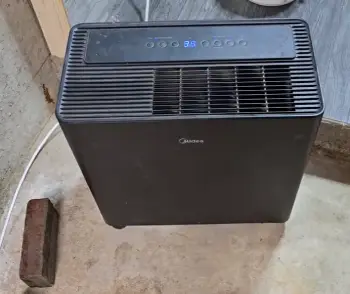
When I first looked at the Midea 50 pint dehumidifier, the capacity immediately caught my attention.
A 50-pint rating puts it in a category that sounds suitable for serious moisture problems rather than simply making an already comfortable room slightly drier.
If you have a damp basement, humid bedroom, laundry area, garage, or another moisture-prone space, that capacity naturally looks appealing.
The overall design is fairly straightforward. I like appliances that do not require a lot of effort to understand, and the basic controls on this type of unit are generally easy to figure out.
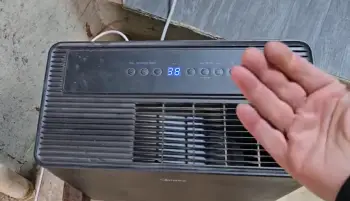
You can select your desired humidity level, adjust the fan operation, and monitor the unit while it removes moisture from the air.
However, my positive impression becomes more cautious when I consider the ownership experience reported by customers. A dehumidifier is one of those appliances where specifications only tell part of the story.
You can have a large water-removal capacity and convenient controls, but if the compressor, sensor, drainage system, or electronics become unreliable, those headline features do not mean much.
That is the biggest issue I see with the Midea 50 pint model.
I would rather have a slightly less feature-packed dehumidifier that consistently controls humidity than a unit that looks excellent on paper but leaves me questioning whether it will continue working properly.
Customer complaints are particularly important here because a dehumidifier often operates for hours at a time, especially during periods of high humidity.
I also pay close attention to how a dehumidifier handles continuous operation. If I put one in a basement, I don’t want to constantly empty a bucket. Continuous drainage can make ownership much easier, but the setup needs to work reliably.
A poorly positioned drain hose, inconsistent water collection, or drainage problem can quickly turn a convenient appliance into another chore.
Noise is another consideration. A dehumidifier isn’t something I necessarily expect to hear constantly. If I’m working, sleeping, watching television, or spending time in a finished basement, excessive compressor or fan noise can become irritating.
The Midea 50 pint dehumidifier also has an interesting balance between size and practicality. A 50-pint appliance is not exactly tiny, so you need enough floor space around it for proper airflow and convenient access. Before buying, I would measure the intended location rather than assuming it will fit comfortably.
What concerns me most, though, is reliability. Reviews from customers can vary considerably, and not every negative experience means every unit will fail. Still, when I see repeated complaints involving premature failure, water-related issues, unusual operation, or inconsistent performance, I don’t feel comfortable giving the product a strong recommendation.
For me, that’s an important distinction.
I can acknowledge that the Midea 50 pint dehumidifier has useful characteristics without telling you it is a purchase I would make. If you need a dehumidifier because your home has genuinely high humidity, you probably want something that can operate consistently for long periods. That’s where I would be more selective.
Pros Of The Midea 50 Pint Dehumidifier
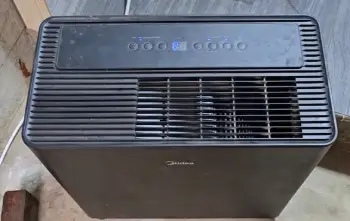
- High Moisture Removal Capacity
The biggest advantage is obviously the 50-pint capacity.
If you have a seriously humid area, a unit in this class can potentially remove a substantial amount of moisture. I can see why homeowners with damp basements or large rooms would be attracted to it.
You don’t want a small appliance struggling continuously against a major humidity problem. Having a larger moisture-removal capacity gives you more room to manage demanding conditions.
That said, capacity only helps when the machine performs consistently.
- Suitable for Larger Humid Areas
I also like the general idea of using a 50-pint dehumidifier in areas where humidity is difficult to control.
A basement, laundry room, enclosed storage area, or large bedroom can benefit from stronger moisture management. If you are dealing with condensation, musty odors, damp surfaces, or uncomfortable sticky air, reducing excess moisture can make the space feel much better.
The important point is that you should select the right size for your actual space instead of automatically assuming bigger is better.
- Convenient Humidity Control
Humidity controls are another practical advantage.
I prefer being able to select a target humidity level rather than simply running a dehumidifier at maximum output all day. Automatic humidity management can make everyday operation easier because the appliance can respond to changing conditions.
For someone who doesn’t want to constantly monitor indoor humidity manually, this type of control is useful.
- Continuous Drainage Potential
Continuous drainage is particularly valuable to me.
If you are using a dehumidifier in a basement or another damp area, emptying the collection bucket several times can become annoying. A hose-based drainage setup can reduce that maintenance burden.
However, I’d make sure the drainage arrangement is appropriate for your specific installation. Even a good drainage concept can cause problems if the hose is kinked, improperly positioned, or unable to drain correctly.
- Straightforward Everyday Operation
Another positive is the relatively uncomplicated nature of the appliance.
You don’t necessarily need an advanced appliance with dozens of complicated modes. For me, the essentials are simple: set the desired humidity, choose the fan setting, make sure drainage is working, and let the machine operate.
That straightforward approach is appealing.
Cons Of The Midea 50 Pint Dehumidifier
- Reliability Concerns
This is the biggest reason I would hesitate to recommend it.
When I evaluate an appliance, I don’t just ask whether it works when new. I ask whether I would feel comfortable relying on it months later.
Customer complaints surrounding reliability make me cautious about the Midea 50 pint model. Reports can vary by individual unit and usage conditions, so I wouldn’t claim that every unit develops problems.
However, recurring negative feedback is enough to make me consider alternatives.
If I am spending money on an appliance specifically to protect my home from excessive moisture, reliability is not something I want to compromise on.
- Possible Water and Drainage Problems
Water management is another area where I would pay close attention.
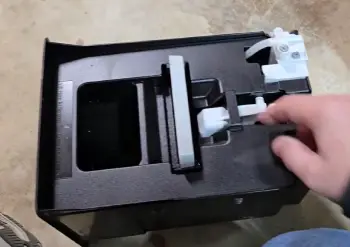
A dehumidifier removes water from the air, so the collection and drainage system is fundamental to its operation. If the bucket doesn’t behave properly or continuous drainage becomes unreliable, the convenience of the appliance can disappear quickly.
I would especially avoid placing any dehumidifier somewhere where a leak could damage flooring, furniture, or stored belongings without taking appropriate precautions.
- Noise Can Matter
Even if a dehumidifier is functioning normally, fan and compressor noise can become noticeable.
I wouldn’t necessarily consider operating noise a deal-breaker because some noise is expected. But if you want to put the unit beside your bed, desk, or television, I recommend thinking about sound levels before buying.
- Bulky Placement
A 50-pint unit needs sufficient space.
You shouldn’t push it tightly against walls or furniture because proper airflow is important. That means the location needs to be practical, not simply the first empty corner you find.
If your room is already crowded, a large dehumidifier can become an obstacle.
- Mixed Ownership Experiences
This is ultimately what makes my recommendation cautious.
There are clearly people who appreciate the Midea design and functionality, but negative customer experiences cannot simply be ignored. When I’m spending my own money, I want the combination of performance, durability, and convenience to feel convincing.
In this case, I don’t think the positives outweigh the concerns enough for me to recommend buying it.
Maintenance For The Midea 50 Pint Dehumidifier
- Clean the Air Filter Regularly
The filter is one of the first things I would maintain.
A dirty filter restricts airflow and forces the appliance to work harder. Dust buildup can also reduce overall efficiency.
I would inspect the filter regularly, particularly if you have pets, carpeting, construction dust, or a generally dusty home.
If the filter is washable according to the manufacturer’s instructions, clean it carefully and allow it to dry completely before reinstalling it.
Don’t put a wet filter back into the machine.
- Keep the Airflow Area Clear
I always recommend leaving adequate space around a dehumidifier.
It needs to pull humid air in and release treated air effectively. If you place it directly against a wall, behind furniture, or in a cramped corner, airflow can suffer.
Before operating it, look around the appliance and make sure nothing is blocking the intake or outlet.
- Empty and Clean the Water Bucket
If you’re using the collection bucket instead of continuous drainage, don’t let it become neglected.
I would empty it regularly and clean it periodically. Standing water can become unpleasant, particularly when the appliance operates in warm conditions.
Cleaning the bucket also gives you an opportunity to inspect it for cracks, damage, or unusual residue.
- Check the Drain Hose
For continuous drainage, inspect the hose regularly.
I would look for kinks, loose connections, blockages, or sections that aren’t positioned to allow water to flow properly.
Gravity drainage needs an appropriate downward path. If the hose has to move upward significantly before draining, you may need a different arrangement depending on your installation.
- Clean Around the Appliance
Dust and debris around the unit can eventually find their way toward air openings.
I prefer keeping the surrounding floor clean and dry. This is particularly important in basements and utility rooms where dust, lint, and debris can accumulate.
A quick cleaning routine can prevent small problems from becoming bigger ones.
- Monitor Humidity Levels
Don’t assume the dehumidifier has to run constantly.
I would use an indoor humidity meter if necessary and monitor how the room behaves throughout the day. Excessively low humidity isn’t desirable either.
The goal is balanced indoor humidity rather than simply removing as much moisture as possible.
- Listen for Changes
One maintenance habit I strongly recommend is simply paying attention.
If a machine suddenly starts making a different buzzing, rattling, clicking, or grinding sound, I wouldn’t ignore it.
Changes in sound can sometimes indicate that something isn’t operating normally. Catching a problem early may prevent further damage.
- Inspect for Leaks
Every so often, I would check underneath and around the appliance.
If you notice unexpected water on the floor, don’t simply wipe it up and continue using the machine without figuring out where it came from.
A leak could involve the collection bucket, drainage connection, hose, or another component.
- Give the Unit Adequate Operating Conditions
A dehumidifier’s performance depends partly on environmental conditions.
Extremely cold spaces can be problematic for many conventional compressor-based dehumidifiers because frost can develop. If you’re using one in a cold basement, garage, or similar location, check that the appliance is suitable for those temperatures.
This is one reason I always look at the intended operating environment before buying.
Comparison Of Midea 50 Pint Dehumidifier With Other Brands
- Midea Compared With Frigidaire
Frigidaire is another familiar name in the dehumidifier category.
When I compare the two, I would focus less on which brand has the flashiest specifications and more on ownership factors such as reliability, drainage, noise, warranty support, replacement parts, and long-term customer experiences.
The Midea 50 pint model may look competitive on paper, but the concerns I have about reported reliability would make me investigate comparable Frigidaire models carefully before purchasing.
If you’re choosing between them, I would specifically compare recent customer feedback for the exact model numbers rather than judging an entire brand from one product.
- Midea Compared With GE
GE also offers dehumidifiers aimed at residential humidity control.
For me, the key comparison points would be moisture-removal capacity, humidity controls, bucket design, continuous drainage, operating noise, energy consumption, and service support.
I wouldn’t automatically assume GE is perfect or Midea is universally poor. Appliance reliability can vary by model and production batch.
However, because I am already concerned about the Midea model’s negative customer experiences, I would investigate GE’s comparable 50-pint-class options before committing my money to Midea.
- Midea Compared With Honeywell
Honeywell-branded dehumidifiers are another option worth considering.
The important thing here is to compare specific models. Brand reputation alone doesn’t tell me enough about how a particular appliance will perform.
I’d check the actual rated capacity, room suitability, drainage options, warranty conditions, filter accessibility, and recent owner feedback.
For me, a dehumidifier isn’t a product where I want to chase the lowest price. A slightly higher upfront cost may be easier to justify if the appliance provides dependable operation over time.
- Midea Compared With Other Budget Dehumidifiers
There are plenty of less expensive dehumidifiers available, but I would be careful about using price as the deciding factor.
A cheap dehumidifier that fails early isn’t necessarily cheaper in the long run. You may end up buying another unit, dealing with water problems, or spending time troubleshooting.
At the same time, an expensive appliance isn’t automatically better.
My approach is to compare total ownership value. I want adequate capacity, reliable humidity control, sensible drainage, manageable noise, reasonable maintenance requirements, and good support.
That is the standard I would apply to any alternative to the Midea 50 pint model.
Frequently Asked Questions (FAQ)
Midea makes dehumidifiers with useful features and strong moisture-removal capacities, but my concern with the 50-pint model is its mixed ownership feedback. Because I value dependable long-term operation, I would compare other models before buying this particular unit.
Reported concerns can include drainage issues, water collection problems, unusual noise, inconsistent operation, and premature failure. Experiences vary between individual units, so I would not assume every Midea dehumidifier will experience these problems.
There isn’t one manufacturer that is automatically the best choice for every household. I would compare exact models based on reliability feedback, moisture-removal performance, drainage design, noise, warranty coverage, energy use, and maintenance requirements rather than choosing solely by brand.
Both brands offer dehumidifiers with comparable features in some product ranges. I would compare the exact GE and Midea models you’re considering, paying particular attention to recent owner feedback, warranty terms, drainage performance, noise, and reliability. For the Midea 50-pint model reviewed here, its negative ownership feedback would make me investigate alternatives before purchasing.
Final Verdict
After considering the capacity, controls, drainage options, practical design, and customer complaints, I wouldn’t recommend the Midea 50 pint dehumidifier.
Its specifications look appealing, but I don’t think impressive moisture-removal capacity is enough to overcome concerns about reliability and ownership problems.
If you’re shopping for a dependable dehumidifier, I would compare other 50-pint-class models carefully and prioritize long-term performance, drainage, warranty support, and recent customer experiences before spending your money.
Recent Posts
I spent months comparing budget options against established names after my last set of tires wore out sooner than expected.My goal here is to share what I learned from putting Dextero and...
AquaTru Carafe Vs. Classic: Which Is Actually Fits Your Kitchen?
I decided to write this comparison after months of testing both the AquaTru Carafe and the Classic in my own kitchen. Tracking covered daily use.Taste stayed consistent. Refill frequency...