
I used to dread my post-workout shakes because most protein powders left me feeling bloated or unsatisfied.
If you want a clean, effective way to support your muscles, energy, and digestion without the usual complaints, you should buy Mikuna protein powder.
Made from a single Andean superfood source, it delivers real results I trust every day, making it my go-to choice for better daily nutrition.
My Personal Experience With Mikuna Protein Powder
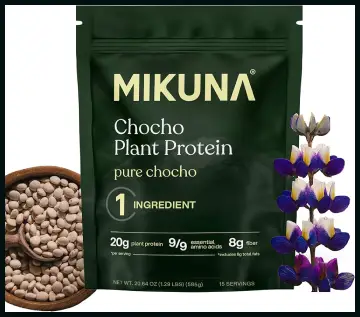
When I first opened the bag of Mikuna, the simplicity struck me right away.
I chose the pure version to experience the authentic taste, and mixing one serving into cold almond milk took just a few shakes.
No clumps formed, which surprised me after years of dealing with gritty powders that required a blender every time.
The flavor came through as mildly nutty and earthy, pleasant enough that I didn’t need to mask it heavily with fruits at first.
You know that feeling when a supplement actually feels like real food instead of a lab creation? That’s exactly what I got.
I started incorporating it right after workouts, aiming for consistency over a couple of weeks.
My recovery felt noticeably smoother – less soreness the next day, and I maintained steady energy without the usual post-shake crash I experienced with faster-absorbing options.
You might expect some adjustment period, but within days my stomach settled in a way it never had before. No more unexpected discomfort or that heavy feeling in my gut.
I even experimented by stirring it into morning coffee or blending with banana and spinach for lunch smoothies. The powder integrated beautifully, adding thickness without overpowering other flavors.
Over several months of regular use, I tracked how it fit my routine. On busy days when meals slipped, one shake kept me full longer thanks to the natural fiber.
My workouts benefited too; I could push a bit harder in strength sessions knowing the amino support was there.
You will appreciate how it fits seamlessly whether you are a morning person adding it to oatmeal or an evening trainer prepping recovery drinks.
I tried the vanilla flavor next and loved the subtle sweetness from clean sources – it made dessert-like shakes possible without guilt.
Analytically speaking, the whole-food approach seems to translate to better overall tolerance for me compared to processed alternatives I had cycled through previously.
Switching fully to Mikuna meant clearing space in my cabinet for other brands I no longer needed. Friends who tried my shaker noticed the difference in texture and asked for details.
If you lead an active lifestyle or simply want reliable daily protein without extras, you will likely feel the same shift I did toward sustained vitality and comfort. It has become more than a supplement; it supports my goals reliably without second-guessing ingredients.
The Pros Of Using Mikuna Protein Powder

- High Protein Content with a Complete Amino Acid Profile
I appreciate that each serving delivers a solid 20 grams of protein from one pure source.
More importantly, this protein qualifies as complete because it supplies all nine essential amino acids your body requires.
You can rely on it for muscle maintenance and repair without needing to combine multiple sources. From my perspective, this balance supports efficient recovery after exercise.
Your muscles receive the full spectrum they need to rebuild effectively, which I noticed in reduced downtime between training sessions.
The profile stands strong when you examine standard nutritional benchmarks, ensuring you maximize what you consume rather than leaving gaps that limit results.
- Excellent Digestibility Without Common Discomfort
One aspect I value highly is how gentle Mikuna feels on my system.
Unlike many plant options that trigger bloating or gas, this one digests smoothly thanks to the absence of certain compounds that irritate the gut.
You will likely enjoy workouts more when your shake does not cause unexpected issues afterward. In my use, mornings stayed comfortable even after larger servings.
Analytically, the natural structure preserves digestibility, so your body processes it efficiently without excess fermentation in the intestines.
This makes it suitable for sensitive stomachs, and I no longer hesitate before consuming it close to activity.
- Nutrient Density Including Fiber and Minerals
Beyond protein, the powder brings meaningful fiber – around 8 grams per serving – which aids satiety and steady blood sugar.
You benefit from added minerals like calcium that support bone health alongside muscle goals.
I found this combination helped me stay satisfied longer between meals, reducing unnecessary snacking. The whole-food origin means nutrients stay intact rather than stripped during heavy processing.
When I review my overall intake, these extras contribute positively to daily wellness without extra pills or foods.
- Versatility Across Recipes and Routines
You can use Mikuna in far more ways than basic shakes.
I mix it into baked goods, stir it into soups for thickness, or blend it with greens for nutrient-packed drinks.
The neutral base adapts well, letting you create satisfying meals without altering taste drastically.
In my kitchen tests, pancakes gained better structure and nutrition when I substituted a portion of flour.
This flexibility keeps routines interesting and ensures you meet protein targets creatively throughout the week, whether at breakfast, post-training, or as a quick dinner boost.
- Clean Formulation Free of Unwanted Additives
I feel confident consuming Mikuna because the ingredient list stays minimal, often just the single plant source in the pure option.
No fillers, isolates, or artificial elements appear, which aligns with my preference for transparency. Third-party checks confirm low levels of contaminants, giving peace of mind.
You avoid common concerns like residues or allergens that plague other products. Over time, this cleanliness translated to clearer skin and steadier mood for me, likely from reduced inflammatory triggers.
The Cons Of Using Mikuna Protein Powder
- Flavor Profile May Require Adjustment for Some Users
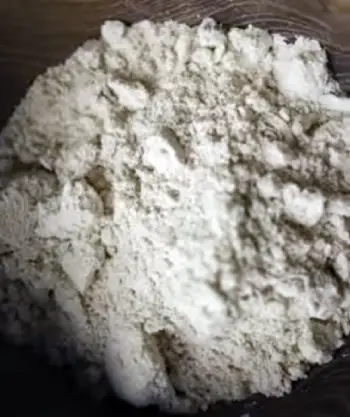
While I adapted to the natural earthy notes in the pure flavor, you might initially find it less sweet than heavily flavored competitors.
The taste reflects its whole-food roots, which I grew to prefer, but starting with blended recipes helps ease in.
- Premium Price Point Compared to Basic Options
The cost sits higher because of the quality sourcing and testing, which you notice when budgeting monthly supplies.
For me, the benefits outweigh this, but it requires planning if you track expenses closely.
- Larger Serving Size Demands Portion Awareness
The 39-gram serving feels bulkier than smaller scoops from other brands, so you adjust measuring habits.
I portion carefully to maintain consistency in my shakes.
- Limited Flavored Variety May Not Satisfy All Preferences
Although vanilla and cacao work well, you might crave more options if you enjoy highly varied tastes. The clean approach limits artificial variety, which I accept for purity.
The MaintenanceTips for Mikuna Protein Powder
- Proper Storage Practices to Preserve Freshness and Potency
I keep my Mikuna container in a cool, dark cupboard away from the stove or windows to prevent moisture or heat damage.
You should seal it tightly after every use because exposure to air can affect texture over weeks. In my home, this simple habit kept the powder clump-free for months.
Analytically, stable temperatures maintain the protein structure, ensuring you receive full nutritional value each time.
Avoid refrigerators unless humidity is controlled, as condensation risks arise.
- Effective Mixing Methods for Optimal Texture
When preparing shakes, I add liquid first then powder gradually while shaking vigorously.
You will achieve smoother consistency with a blender ball or electric mixer, especially for thicker recipes.
I experimented and found 14 ounces of liquid works best for drinkable results without watering down benefits.
Hot liquids integrate nicely too, opening options for warm drinks.
- Incorporating into Your Daily Routine Successfully
Make Mikuna part of consistent times like post-exercise or breakfast to build habit. You can prep dry portions in advance for travel, keeping servings fresh.
I rotate uses between sweet and savory applications to stay engaged long-term.
- Cleaning Equipment to Prevent Buildup
Rinse your shaker or blender immediately after use with warm water to avoid residue hardening.
You benefit from occasional deep cleans with mild soap, preserving equipment hygiene and taste purity.
- Monitoring for Freshness and Shelf Life
Check for off smells or color changes occasionally, though proper storage rarely leads to issues. I note the date opened and consume within recommended periods for peak quality.
Comparing Mikuna To Other Popular Protein Powders
- Mikuna Versus Traditional Whey Protein Powders
I have used whey extensively in the past, appreciating its rapid absorption for immediate post-workout needs.
However, when comparing side by side, Mikuna offers clear advantages if dairy sensitivity concerns you.
Whey can cause digestive upset for many users due to lactose traces, whereas Mikuna avoids this entirely while providing comparable muscle support through its complete profile.
The fiber in Mikuna promotes longer-lasting satiety, something whey lacks, helping me avoid hunger spikes later in the day.
Analytically, whey’s animal sourcing introduces variables like potential hormone exposure that the clean plant base of Mikuna sidesteps.
You gain sustained energy and gut comfort that makes Mikuna preferable for daily reliance in my experience.
- Mikuna Versus Pea Protein Powders
Pea protein appears frequently as a vegan staple, yet I switched away after repeated bloating episodes.
Mikuna outperforms here because its source eliminates lectins that commonly trigger discomfort in pea varieties.
While pea delivers decent protein density, the added fiber and better tolerance in Mikuna support digestion more holistically.
You notice smoother energy curves without fermentation side effects.
From my testing, Mikuna mixes cleaner in cold liquids too, reducing the graininess I associated with pea options.
- Mikuna Versus Soy-Based Proteins
Soy has long served as a complete plant protein, but potential allergen concerns and processing methods make me cautious.
Mikuna provides similar completeness without soy’s estrogenic compounds some users monitor.
Digestibility favors Mikuna, as soy often requires more adaptation.
In my routines, Mikuna integrated into varied recipes with less flavor conflict than soy’s sometimes beany notes.
- Mikuna Versus Multi-Source Plant Blends
Blends combine several plants to achieve completeness, but this complexity can introduce variability in tolerance.
Mikuna’s single-source purity simplifies things, delivering predictable results without balancing multiple profiles.
You benefit from focused nutrient density rather than diluted contributions across ingredients.
My analysis shows Mikuna excels in minimalism, making it easier to track intake and reactions accurately.
Why You Should Choose Mikuna Protein Powder?
Look, I’ve tried a ton of protein powders over the years, and most of them left me feeling bloated, gassy, or just meh about the whole experience.
But when I switched to Mikuna, everything changed. If you’re tired of the same old pea, rice, or whey options and want something that actually feels good in your body while delivering real results, you should choose Mikuna.
Made from Chocho—an ancient Andean superfood—it’s clean, nutrient-packed, and supports your muscles, gut, and overall energy in ways other brands just can’t match.
- Unmatched Nutrient Density Beyond Just Protein
Mikuna doesn’t stop at protein.
You get serious extras: high fiber for satiety, natural vitamins and minerals for overall wellness, and even omega fatty acids.
I feel more nourished overall compared to basic isolates.
It’s great for bone health with that calcium boost, and the fiber helps keep me full longer, which curbs unnecessary snacking.
Analytically, this whole-food approach provides a more balanced nutritional hit than stripped-down competitors.
- Clean, Transparent, and Sustainably Sourced
I love brands that are upfront about their process, and Mikuna nails it.
They use regenerative farming practices—Chocho actually improves soil health, fixes nitrogen, and is drought-tolerant, making it one of the most eco-friendly crops out there.
No pesticides, no glyphosate, no industrial farming. They support Andean farming communities directly, which feels meaningful.
Third-party testing confirms low heavy metals and purity, giving me peace of mind every scoop.
Also Read: Is Vega Protein Powder Worth It?
Frequently Asked Questions (FAQ)
Yes, it undergoes regular third-party testing for heavy metals, pesticides, microbes, and more, with consistently clean results.
Yes, it contains all nine essential amino acids in a balanced profile suitable for muscle needs.
Mikuna stands out for superior digestibility, clean single-ingredient purity, and high fiber without common bloating issues.
Wrapping Up
Mikuna protein powder has consistently delivered clean energy, better recovery, and digestive ease that I rely on now.
If you seek a reliable, high-quality option that supports your lifestyle without compromises, I encourage you to try it.
Your body will thank you for the thoughtful nutrition it provides daily.
Recent Posts
I spent months comparing budget options against established names after my last set of tires wore out sooner than expected.My goal here is to share what I learned from putting Dextero and...
AquaTru Carafe Vs. Classic: Which Is Actually Fits Your Kitchen?
I decided to write this comparison after months of testing both the AquaTru Carafe and the Classic in my own kitchen. Tracking covered daily use.Taste stayed consistent. Refill frequency...