
If your dog needs reliable monthly heartworm prevention and you want to protect them from intestinal parasites without overspending on medication, you should read this comparison of MilbeGuard versus Interceptor right now.
I have been giving both preventatives to my two dogs for the past year, and this article shares my honest first-person experience so you can decide which one actually fits your dog’s needs and your budget better. Whether you prioritize cost savings, proven effectiveness, or ease of use, one of these will likely become your new go-to monthly chew.
A Brief Comparison Table
| Feature | MilbeGuard | Interceptor |
|---|---|---|
| Active Ingredient | Milbemycin oxime | Milbemycin oxime |
| Heartworm Prevention | Yes | Yes |
| Intestinal Worms | Hookworms, roundworms, whipworms | Hookworms, roundworms, whipworms |
| Price Per Month | Significantly lower | Higher premium pricing |
| Form | Chewable tablet | Chewable tablet |
| Flavor | Beef flavored | Beef flavored |
| Best For | Budget-conscious owners | Owners wanting trusted brand name |
My Experience With MilbeGuard Vs Interceptor
I started my dogs on Interceptor years ago because my vet recommended it as the trusted brand for heartworm prevention. The beef-flavored chewables were easy to give, and both my Labrador and Beagle took them without hesitation.
Heartworm tests stayed negative, and I felt confident in the protection. However, the monthly cost added up quickly with two large dogs, so I began looking for a more affordable option that still provided strong heartworm prevention.
When my vet mentioned MilbeGuard as a generic equivalent, I decided to try it. The transition was seamless. Both dogs accepted the tablets just as eagerly, and follow-up heartworm tests remained negative.
Over the past year I alternated between the two to compare them fairly. I noticed no difference in effectiveness or side effects. MilbeGuard delivered the same peace of mind at roughly half the price of Interceptor.
During a summer with high mosquito activity, both products kept my dogs protected. The convenience of monthly chewables made compliance easy for our busy schedule. Analytically, MilbeGuard matches Interceptor in core heartworm prevention while offering significant savings. The main difference is brand trust versus cost efficiency.
For my household, MilbeGuard has become the default choice because the savings allow me to maintain consistent year-round protection without compromise.
I keep Interceptor for periods when I want the reassurance of the original brand name. Both are easy to administer and have kept my dogs healthy. If you are a dog owner looking for effective heartworm prevention, you will likely find success with either, but your budget and preference for brand familiarity will guide the final decision.
Read More: Comparison Of Fromm Vs. Purina Pro Plan
Pros Of MilbeGuard
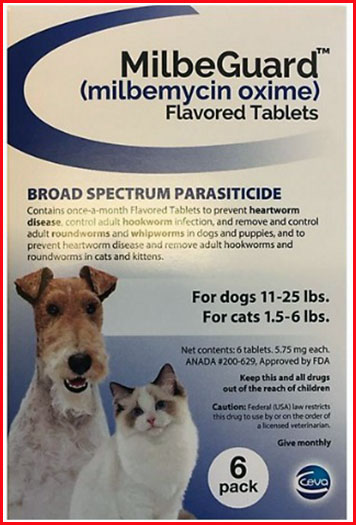
- Significant Cost Savings: MilbeGuard costs substantially less per month than Interceptor while providing equivalent heartworm prevention. You can protect your dog year-round without straining your budget. This affordability makes consistent prevention much more realistic for multi-dog households or families on a tight budget.
- Proven Heartworm Prevention: MilbeGuard uses milbemycin oxime, the same active ingredient as Interceptor, and has a strong track record of preventing heartworms. Regular use keeps test results negative. Reliable protection gives you confidence that your dog is safe from this serious parasite.
- Easy To Administer Chewables: The beef-flavored tablets are palatable and easy for most dogs to eat. You can give them as a treat or hide them in food if needed. Simple monthly dosing reduces stress for both you and your dog.
- Broad Intestinal Worm Coverage: In addition to heartworms, it controls hookworms, roundworms, and whipworms. This all-in-one protection simplifies your parasite prevention routine. Fewer separate medications mean less hassle and expense.
- Vet-Recommended Generic Option: Many veterinarians prescribe MilbeGuard as a cost-effective alternative to brand-name preventatives. Professional endorsement helps you feel secure in your choice. Trusted veterinary support adds reassurance for long-term use.
- No Compromise On Safety: The formula has been extensively tested and is well-tolerated by most dogs. Side effects are rare when used as directed. Safe profile makes it suitable for a wide range of breeds and ages.
- Convenient Monthly Dosing: One chewable per month provides full protection. You can align dosing with other routines like flea prevention. Simple schedule helps maintain year-round compliance without forgetting doses.
- Good Palatability For Most Dogs: The beef flavor is widely accepted, making it easy to give consistently. High acceptance rates mean fewer refused doses. Reliable compliance supports effective prevention.
Cons Of MilbeGuard
- Lacks Tapeworm Coverage: Unlike some broader preventatives, MilbeGuard does not protect against tapeworms. You may need a separate product if tapeworm risk is high in your area. This missing coverage is the biggest limitation for some owners.
- Less Brand Recognition: MilbeGuard is a generic and does not have the same widespread marketing or name recognition as Interceptor. Some owners feel more comfortable with the familiar brand. Lower visibility can make it seem less trustworthy at first.
- Limited Availability In Some Areas: Not every vet clinic or pet store stocks MilbeGuard as readily as Interceptor. You may need to order online or ask your vet specifically. Convenience can vary depending on your location.
- Requires Prescription: Like Interceptor, MilbeGuard is a prescription product in many regions. You need a current heartworm test and vet approval. This step adds a small extra process compared to over-the-counter options.
Pros Of Interceptor
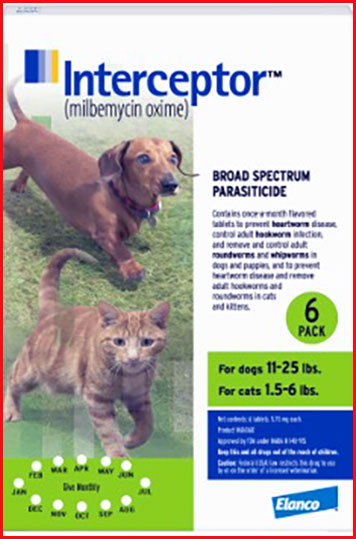
- Trusted Brand Reputation: Interceptor has decades of proven use and strong veterinary endorsement. Many owners feel greater confidence knowing it is a long-established product. Brand trust reduces worry about effectiveness.
- Highly Palatable Chewables: The beef flavor is widely accepted by dogs of all sizes and ages. Most dogs eat them willingly as a treat. High palatability ensures consistent monthly dosing.
- Effective Heartworm Prevention: Interceptor has a long track record of preventing heartworm infection when given as directed. Reliable results help keep your dog healthy year after year. Proven track record is its biggest strength.
- Broad Intestinal Worm Coverage: It protects against heartworms and certain intestinal parasites. Comprehensive coverage simplifies your parasite prevention plan. Fewer additional medications are usually needed.
- Easy Once-A-Month Dosing: The chewable format makes it simple to remember and administer. You can align it with other monthly routines like flea treatment. Simple dosing supports better compliance.
- Veterinary Backing: Most vets recommend Interceptor as a first-line choice for dogs needing heartworm prevention. Professional support and extensive research back its safety and efficacy. Strong veterinary recommendation adds peace of mind.
Cons Of Interceptor
- Higher Cost: Interceptor is more expensive per month than generic alternatives like MilbeGuard. The premium price can add up over the course of a year, especially with multiple dogs. Cost is the most common complaint.
- No Flea Or Tick Protection: It focuses on heartworms and intestinal worms but does not cover fleas or ticks. You still need a separate product for full parasite protection. Lack of multi-action coverage can feel limiting.
- Potential For Resistance Concerns: While rare, some regions have reported emerging resistance to milbemycin in certain parasite strains. Regular testing remains important. This is not unique to Interceptor but is a consideration with any preventative.
- Beef Flavor May Not Suit All Dogs: Although palatable for most, some dogs with food sensitivities or strong preferences may refuse it. You may need to hide the tablet or try different techniques. Flavor acceptance is not guaranteed for every dog.
Maintenance Tips For MilbeGuard
- Give With Food: Administer the chewable with a small meal or treat to improve acceptance and reduce any chance of stomach upset. Food pairing makes dosing smoother for picky dogs.
- Store At Room Temperature: Keep the tablets in a cool, dry place away from direct sunlight. Proper storage maintains potency until the expiration date. Simple room-temperature storage is convenient for daily use.
- Track Dosing Schedule: Mark your calendar or set phone reminders for the monthly dose. Consistent timing ensures continuous protection. Reliable reminders prevent missed doses that could leave your dog vulnerable.
- Monitor For Side Effects: Watch your dog for any vomiting or lethargy after the first few doses. Most dogs tolerate it well, but early observation helps catch rare reactions. Regular monitoring keeps your pet safe.
- Combine With Annual Testing: Pair MilbeGuard with yearly heartworm tests as recommended by your vet. Testing confirms the preventative is working effectively. Combined approach provides the best protection.
Maintenance Tips For Interceptor
- Administer Monthly On Schedule: Give the chewable on the same day each month. Consistency is key to maintaining protection. A fixed schedule helps you stay on track without missing doses.
- Store In Original Packaging: Keep tablets in their foil packs until ready to use. This protects them from moisture and light. Proper packaging preserves freshness and effectiveness.
- Observe After Dosing: Watch your dog for 30 minutes after giving the tablet to ensure it is fully swallowed. This prevents accidental spitting out or choking. Simple observation adds safety.
- Combine With Flea Prevention: Use Interceptor alongside a separate flea and tick product for full parasite coverage. Integrated routines simplify your monthly pet care. Comprehensive prevention keeps your dog healthier overall.
- Renew Prescription Promptly: Order refills before you run out to avoid gaps in protection. Timely renewal ensures continuous coverage. Good planning prevents lapses in heartworm prevention.
Comparison With Other Brands
Versus Heartgard: Heartgard uses ivermectin for heartworm prevention and is a long-trusted brand. MilbeGuard and Interceptor use milbemycin oxime and offer similar or broader intestinal worm coverage. Heartgard is often preferred for its brand familiarity, but MilbeGuard provides better value and Interceptor offers tapeworm protection in some formulations.
Versus Simparica Trio: Simparica Trio combines heartworm prevention with flea, tick, and intestinal worm control in one monthly chew. MilbeGuard and Interceptor focus specifically on heartworms and certain intestinal parasites. Simparica Trio is more comprehensive for multiple parasites, but MilbeGuard and Interceptor are often more affordable for heartworm-only needs.
Versus Advantage Multi: Advantage Multi is a topical product that prevents heartworms and treats fleas. MilbeGuard and Interceptor are oral chewables that many dogs find easier to take. Advantage Multi suits dogs who refuse pills, but oral options like MilbeGuard and Interceptor are preferred for simplicity by most owners.
Versus NexGard Combo: NexGard Combo offers broad parasite protection including heartworms. MilbeGuard and Interceptor remain more focused and often less expensive for heartworm prevention alone. NexGard Combo is ideal for comprehensive parasite control, while the compared products excel when heartworm prevention is the primary concern.
Versus Credelio Plus: Credelio Plus provides monthly oral protection against heartworms and fleas. MilbeGuard and Interceptor are well-established options with strong track records at competitive prices. Credelio Plus is a newer alternative, but MilbeGuard and Interceptor often win on long-term familiarity and affordability.
Also Read: My thoughts on Nutrisource Vs. Blue Buffalo
Frequently Asked Questions (FAQ)
MilbeGuard is a generic version of Interceptor, using milbemycin oxime to prevent heartworms and intestinal worms.
Heartgard and Interceptor are frequently recommended by vets, but many also suggest generics like MilbeGuard for cost savings with equivalent protection.
Interceptor prevents heartworms and intestinal worms, while NexGard focuses on fleas and ticks. They target different parasites and are often used together.
MilbeGuard provides one month of protection per dose. A new tablet is needed every 30 days for continuous coverage.
Conclusion
After using both MilbeGuard and Interceptor with my dogs for over a year, I can honestly say both are effective heartworm preventatives, but they serve different priorities. You should choose MilbeGuard if you want reliable protection at a significantly lower cost without sacrificing effectiveness. Go with Interceptor if you prefer the trusted brand name and are comfortable paying more for that familiarity. Either way, consistent monthly prevention is essential for your dog’s health—pick the one that fits your budget and your vet’s recommendation, and you will keep your dog protected year-round.
Recent Posts
● Interactive 5-Zone Interior & Exterior Paint Blueprint Paint Coverage Calculator: Gallons, Primer, Square Footage & Cost Tap any architectural surface zone on the blueprint...
If you want smooth, shiny hair without spending a fortune on a premium styling tool, the Ella Bella hair dryer may be worth considering.In these Ella Bella hair dryer reviews, I’ll look...