
I set out to settle the Milwaukee Fuel versus Surge debate once and for all after years of swinging both tools on real jobs.
My goal is simple: give you a clear, side-by-side look at how these two lines actually perform so you can match the right one to the work you do most.
| Feature | Milwaukee Fuel | Milwaukee Surge |
| Drive Mechanism | Mechanical hammer | FLUID-DRIVE hydraulic |
| Max Torque (typical Gen) | Up to ~2000 in-lbs | Up to 1000 in-lbs (Gen 2) |
| Noise Level | Standard impact loud | 50% quieter |
| Vibration | Higher | 3X less |
| Best For | Heavy-duty, lag screws, structural | Indoor, finish work, all-day driving |
| Speed Feel | Aggressive bursts | Smooth, continuous |
| Fatigue Factor | Higher over long sessions | Noticeably lower |
| Price Point | Generally Lower | Premium |
Key Differences Between The Milwaukee Fuel And Surge
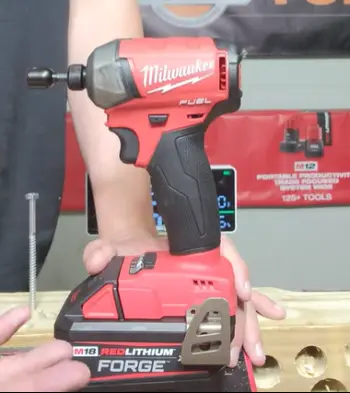
- Drive system design: Fuel relies on a traditional mechanical impact mechanism where a hammer and anvil create sharp, high-energy blows that transfer directly into the fastener.
This design has been proven over decades and delivers that classic aggressive feel most tradespeople recognize instantly.
Surge replaces nearly all of that metal-on-metal contact with a sealed FLUID-DRIVE hydraulic system.
Fluid transfers the energy instead of steel parts slamming together, which fundamentally changes the way power reaches the bit and creates a much smoother, more continuous driving sensation.
- Power delivery profile: Fuel is built to deliver high peak torque in short, powerful bursts, making it excellent when you need maximum force right away on stubborn or large fasteners.
Surge spreads its force more evenly across a higher number of impacts per minute. The result is that everyday screws often seat faster and with less drama even though the absolute peak torque number is lower.
The hydraulic system keeps applying pressure more steadily rather than in sharp spikes.
- Noise and vibration signature: A standard Fuel impact produces the familiar loud, sharp hammering sound and sends noticeable vibration up through the handle into your hand and arm.
Surge cuts perceived noise by roughly half and reduces vibration by about three times according to Milwaukee’s testing.
On a quiet job site or inside a finished space the difference is immediately obvious and changes how long you can comfortably run the tool without fatigue or complaints from people nearby.
- Intended environment: Fuel is at home on open job sites, framing decks, setting structural hardware, or any situation where raw output matters more than sound levels.
Surge was clearly engineered for occupied buildings, interior remodel work, finish carpentry, and any place where noise and vibration become real problems for you or the people around you.
The hydraulic design lets you keep working productively without turning the space into a construction zone.
- Physical feedback and control: Fuel gives strong, aggressive feedback that many users like because it clearly signals when a fastener is fully seated or when the tool is working hard.
Surge feels more refined and controlled. The lower vibration and smoother power transfer make it easier to stay on the fastener longer, reduce the chance of the tool twisting out of your grip, and give finer trigger control especially on lighter materials or finish fasteners.
Key Features Of Milwaukee Fuel
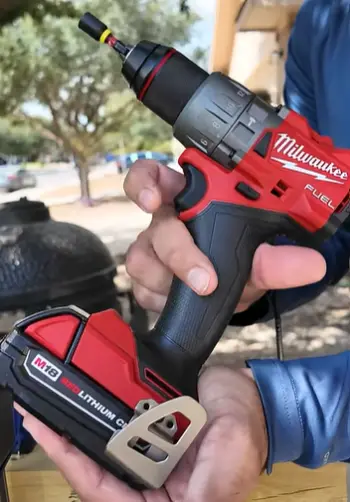
- POWERSTATE brushless motor: This motor delivers consistent power even under heavy load and runs significantly cooler than older brushed designs.
The efficiency means longer runtime on the same battery and less heat buildup during continuous hard use, which protects both the tool and the battery over the course of a long day.
- REDLINK PLUS intelligence: The electronics constantly monitor the tool and the battery pack in real time. They optimize power delivery, prevent overload damage, and allow the tool to pull hard even as battery voltage drops.
This system is a big reason Fuel tools maintain strong performance across different battery sizes and states of charge.
- High peak torque: Most current-generation Fuel impact drivers deliver in the 1800–2000 in-lbs range.
That level of force handles structural screws, long lag bolts, dense engineered lumber, and other demanding fasteners that would bog down lesser tools.
- Multiple drive modes: Typically three or four speed and power settings plus a dedicated self-tapping mode.
The modes let you match output to the fastener and material so you avoid stripping heads or over-driving lighter screws while still having full power available when you need it.
- Robust build and lighting: Housings combine magnesium and high-strength composites for durability without excessive weight.
The LED work lights are bright and well-positioned, and the overall ergonomics follow Milwaukee’s proven form that stands up to daily job-site abuse.
Pros Of Milwaukee Fuel
- Superior peak power for the toughest fasteners: When you need to sink a long lag or drive into dense engineered lumber, Fuel simply has more punch available.
- Lower purchase price in most cases: You can usually get into a solid Fuel impact for less money than a comparable Surge model.
- Familiar impact feel that many pros prefer: Some users like the aggressive feedback because it tells them exactly when the fastener is seated.
- Broad model range and ecosystem fit: Fuel covers impact drivers, wrenches, and other tools with the same high-output philosophy.
- Excellent battery efficiency under heavy load: REDLINK and the brushless motor keep the tool pulling hard even as the battery voltage drops.
Cons Of Milwaukee Fuel
- Noticeably louder operation: On indoor jobs or occupied buildings the noise can become a real issue for you and everyone nearby.
- Higher vibration transmitted to the hand and arm: After a full day of continuous driving you feel it more than with the hydraulic alternative.
- Can over-drive or cam-out more easily on lighter fasteners: if you are not careful with the trigger and mode selection.
- Slightly more fatiguing for all-day screw driving sessions: compared with the smoother Surge.
Key Features Of Milwaukee Surge
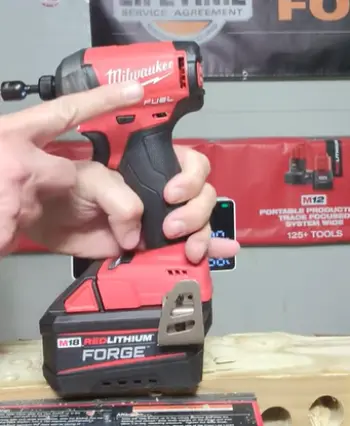
- FLUID-DRIVE hydraulic powertrain: This is the core technology that sets Surge apart.
By using fluid to transfer energy instead of metal parts colliding, the system dramatically reduces noise and vibration while still delivering usable torque.
The sealed design requires no user maintenance under normal conditions.
- POWERSTATE brushless motor paired with hydraulic system: You still get the efficiency and durability of a brushless motor, but the power is channeled through the hydraulic unit.
The combination produces a different driving character that feels smoother and less fatiguing than a traditional mechanical impact.
- 50 percent quieter operation and 3X less vibration: These reductions are measurable and noticeable in real use.
On interior jobs the lower noise keeps conversations possible and reduces the stress on your ears.
The drop in vibration is equally important for all-day comfort and long-term hand and arm health.
- Compact head length and balanced weight: The tool is designed to reach into tighter spaces more easily than bulkier impacts.
The weight distribution feels natural in the hand, which helps when you are working overhead, at awkward angles, or for extended periods without setting the tool down.
- Three-mode drive control and high IPM: Later generations reach around 6300 impacts per minute and approximately 1000 in-lbs of torque.
The high impact rate combined with smooth hydraulic delivery lets the tool finish common fasteners quickly while the mode selection still gives you control for different materials and screw sizes.
Pros Of Milwaukee Surge
- Dramatically quieter and smoother: The reduction in noise and vibration is the single biggest reason people switch and stay switched.
- Lower user fatigue on high-volume fastening: Less vibration means your hands, wrists, and elbows thank you at the end of a long day.
- Excellent for occupied spaces and finish work: You can work in offices, homes, or hospitals without drawing as many complaints.
- Still packs solid real-world performance: Gen 2 models with 1000 in-lbs handle the vast majority of screws and light lags that most carpenters and remodelers encounter daily.
- Refined control and bit longevity: The smoother power delivery is gentler on bits and fastener heads.
Cons Of Milwaukee Surge
- Lower peak torque than standard Fuel impacts: Heavy structural work or large lag bolts will still call for the regular Fuel tool.
- Higher price tag: You pay a premium for the hydraulic technology and the quieter experience.
- Some users initially perceive it as “weaker” because the power delivery feels different: The tool does not bark and kick the same way, which can feel underwhelming until you see the results.
Narrower ideal use case: If your work is mostly heavy outdoor framing or industrial fastening, the advantages shrink.
Real-World Performance Comparison
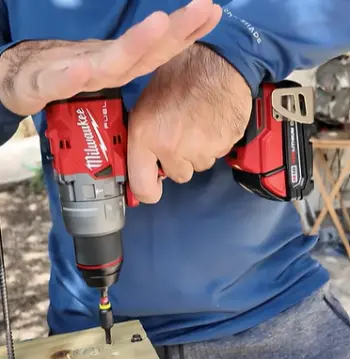
On a typical residential framing day I reach for the standard Fuel impact first. Long structural screws and lags demand the higher peak torque.
The tool never hesitates, and the battery lasts through the morning with a High Output pack.
The noise is part of the job site soundtrack, and the vibration is accepted as normal.
Switch to interior finish work or any occupied building and the Surge becomes the better choice.
Driving hundreds of drywall screws or cabinet fasteners produces far less fatigue and keeps the environment quieter.
The Gen 2 model’s increased torque has expanded the range of tasks it can handle, though I still keep a standard Fuel impact nearby for the occasional stubborn fastener.
Battery life is comparable between the two because both use the same platform. Weight and balance feel similar enough that switching between them does not require a major adjustment in technique. The real deciding factor is the mix of work you do and the environment in which you do it.
Who Should Choose Milwaukee Fuel?
If most of your days involve structural fastening, outdoor construction, or any work where maximum torque is regularly required, the standard Fuel impact is the more capable tool.
The higher peak force and aggressive delivery match the demands of framing, decking, and mechanical installations.
Professionals who already own Fuel tools and want consistent performance across the lineup will find the traditional impact the logical choice.
Who Should Choose Milwaukee Surge?
Anyone spending long hours driving fasteners in finished spaces, hospitals, schools, or any noise-sensitive environment will appreciate the Surge.
The reduction in noise and vibration is not a marketing claim that fades after a few uses. It remains noticeable day after day.
Finish carpenters, remodelers, and electricians who install large volumes of fasteners often prefer the hydraulic feel once they try it.
Cost Considerations And Long-Term Value
Both tools sit in the premium Milwaukee range. The Surge usually carries a higher sticker price because of the specialized hydraulic system.
Over time the lower vibration may reduce hand fatigue and the potential for overuse injuries, which has real value for full-time users.
The quieter operation can also open doors to jobs in occupied buildings that traditional impacts would disrupt.
Service and warranty coverage are the same five-year limited tool warranty for both. Parts availability is strong across the Fuel platform.
Battery compatibility means existing M18 packs work with either tool, so the investment in the battery system carries over.
Frequently Asked Questions (FAQ)
Yes for most professional users. Fuel models use brushless motors and advanced electronics that deliver more power, better efficiency, and longer runtime than non-Fuel versions.
It is worth it if quieter operation and lower vibration matter for your work. For pure high-torque outdoor jobs the standard Fuel impact often provides better value.
Standard M18 Fuel impact drivers deliver higher peak torque than current Surge models and are generally the strongest in the cordless impact category within the Milwaukee lineup.
Fuel tools use POWERSTATE brushless motors and REDLINK PLUS intelligence for higher performance and better protection. Non-Fuel tools are typically brushed or simpler brushless designs with lower power and fewer features.
Final Thoughts
After running both styles of tool side by side for years, I see them as complementary rather than direct rivals.
The standard Fuel impact remains the workhorse for jobs that demand maximum force. The Surge trades some of that peak torque for a quieter, smoother experience that protects your hands and keeps the noise down.
You will get the most from either tool when you match it to the work you actually do most often. If your days mix structural and finish tasks, owning both is common among serious users.
Choose based on the environments and fasteners you face regularly, and you will end up with a tool that supports your work instead of fighting it.
Recent Posts
I tried Meltoway Hair Dissolving Cream because I wanted a quick way to deal with unwanted body hair without reaching for a razor every few days. If you are looking for a convenient at-home...
If you’re considering a saffron-based supplement to support mood, appetite control, and everyday wellness, Happy Saffron Plus is worth considering.I like that it takes a familiar botanical...