
If you’re looking for a premium red light therapy device that combines excellent build quality, powerful light output, and consistent performance, I believe Mito Red Light is one of the strongest options available.
After spending considerable time researching and evaluating its features, I found that it offers impressive value for anyone serious about recovery, skin health, muscle performance, or overall wellness.
While it isn’t the cheapest option, the quality and effectiveness make it a worthwhile investment if you’re committed to using red light therapy regularly.
My First Experience With Mito Red Light
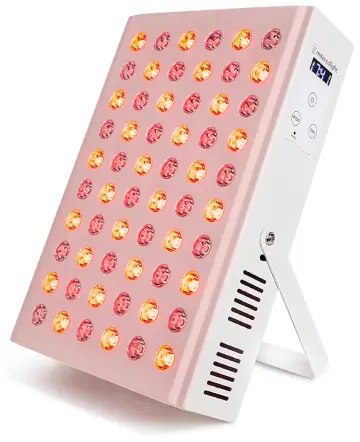
When I first started looking into red light therapy, I was overwhelmed by the number of brands claiming to offer the “best” device.
Every company promised faster recovery, healthier skin, reduced inflammation, and better overall health. Naturally, I was skeptical.
After spending weeks comparing specifications, customer feedback, and performance, I decided to focus on Mito Red Light because it consistently appeared among the most recommended premium brands.
The first thing that impressed me was the build quality. The panel felt sturdy instead of cheap or flimsy.
Nothing rattled, the finish looked premium, and the cooling fans were quieter than I expected.
Setting it up was surprisingly simple. Within a few minutes, I had everything ready for my first session.
I appreciated that the controls were straightforward instead of forcing me to read through a complicated manual.
During the first week, I didn’t expect dramatic changes. In fact, I think that’s the right mindset to have. Red light therapy isn’t magic. It works best with consistency.
After using the panel several times each week, I gradually started noticing subtle improvements.
My muscles didn’t stay sore as long after workouts, and I recovered faster between training sessions. Morning stiffness also seemed less noticeable.
Another benefit I appreciated was how relaxing each session became. Spending 10 to 20 minutes standing in front of the panel became part of my routine. It almost felt like taking a short wellness break during busy days.
Over several weeks, I also noticed that my skin looked healthier. It wasn’t a dramatic overnight transformation, but my complexion appeared more even, and my skin felt smoother.
One thing I liked most was the flexibility. Whether I wanted to target my back, shoulders, knees, or face, I could easily position the panel accordingly.
Of course, no product is perfect. The larger panels require space, and the upfront investment is significant. However, after comparing it with lower-priced alternatives, I understood where the additional cost goes. Better LEDs, stronger irradiance, quality construction, and better customer confidence all contribute to the overall experience.
By the end of several months, I didn’t see Mito Red Light as a miracle device. Instead, I viewed it as another valuable wellness tool that complements exercise, proper sleep, nutrition, and healthy habits rather than replacing them.
What Is Mito Red Light?
Mito Red Light is a company specializing in red light therapy panels designed for home and professional use.
Their devices typically combine red wavelengths with near-infrared wavelengths, allowing light to penetrate different tissue depths.
The goal is to support the body’s natural cellular processes through photobiomodulation.
Rather than masking discomfort, the light aims to help cells produce energy more efficiently by stimulating mitochondrial function.
Depending on the model, Mito offers compact personal panels, medium-sized units, and large full-body systems suitable for more comprehensive treatment sessions.
Who Should Consider Buying Mito Red Light?
From my perspective, these devices are best suited for people who actually plan to use them consistently.
If you exercise regularly, spend long hours sitting at work, experience muscle fatigue, want healthier-looking skin, or simply enjoy adding wellness habits to your daily routine, you’ll probably appreciate what Mito offers.
It’s also appealing for people who would rather own a home device than schedule repeated therapy appointments elsewhere.
Pros Of Mito Red Light
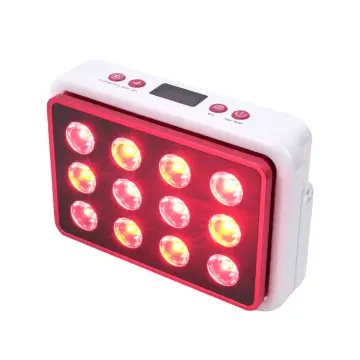
- Outstanding Build Quality
One of the biggest advantages I noticed immediately was the construction quality.
The panels feel durable, professionally assembled, and designed to last for years.
This immediately separates Mito from many inexpensive competitors that often look mass-produced with lower-quality materials.
- Excellent Light Intensity
A powerful panel matters because stronger irradiance generally allows shorter treatment sessions while still delivering effective energy.
Mito devices produce impressive output, allowing you to maintain comfortable treatment distances without sacrificing performance.
- Multiple Wavelengths
Rather than relying on only red light, many Mito panels combine red and near-infrared wavelengths.
This creates greater versatility because different wavelengths reach different tissue depths, making the device suitable for skin concerns, muscles, joints, and overall recovery.
- User-Friendly Controls
One feature I genuinely appreciated was how easy everything felt.
The controls are intuitive, timers are simple to understand, and switching between treatment options requires very little effort.
Instead of fighting with complicated settings, you simply focus on your therapy session.
- Quiet Cooling System
Many people underestimate how important noise levels are.
Fortunately, Mito’s cooling fans are relatively quiet compared with numerous competing panels, making sessions more relaxing.
- Suitable for Many Wellness Goals
One reason I continue recommending Mito is its versatility.
Whether your priority is workout recovery, skin appearance, joint comfort, circulation support, or relaxation, the same device can become part of your daily routine.
- Excellent Coverage Options
Smaller panels work well for targeted treatment, while larger models provide substantial body coverage.
This flexibility makes it easier to choose a system that matches your available space and personal goals.
- Strong Reputation
Another reason I felt comfortable considering Mito was its consistent reputation among wellness enthusiasts.
Customer satisfaction tends to remain high because the company focuses on quality rather than simply competing on price.
- Long-Term Value
Although the purchase price initially seems expensive, I found myself viewing it differently over time.
When compared with repeated clinic visits, a quality home device can eventually become the more economical solution for regular users.
- Consistent Daily Convenience
Perhaps the biggest advantage is convenience.
Instead of driving somewhere for treatments, I could simply walk into another room and begin a session whenever it fit my schedule.
Cons Of Mito Red Light
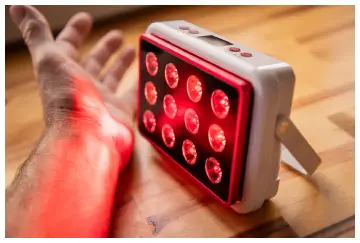
- Premium Price
The biggest drawback is definitely the cost.
Quality components naturally increase pricing, making Mito less attractive for shoppers with tighter budgets.
- Requires Consistency
Results rarely appear overnight.
You need patience and regular sessions before noticing meaningful improvements.
- Larger Models Need Space
If you’re purchasing a full-body panel, you’ll need adequate room for setup and comfortable positioning.
- Not a Medical Cure
Although many people experience positive outcomes, red light therapy shouldn’t replace professional medical treatment when necessary.
- Some Benefits Are Subtle
Certain improvements develop gradually rather than dramatically, meaning expectations should remain realistic.
Maintenance Tips For Mito Red Light
- Keep the Surface Clean
One habit I quickly developed was wiping the panel regularly.
Dust, fingerprints, and debris can accumulate on the protective surface over time. Using a soft microfiber cloth helps keep the LEDs unobstructed without scratching the finish.
Avoid harsh cleaning chemicals because gentle cleaning is usually sufficient.
- Store the Device Properly
If you don’t use the panel every day, place it somewhere dry, stable, and away from excessive humidity.
Keeping it protected reduces unnecessary wear and extends its lifespan.
- Ensure Proper Ventilation
Although the cooling system works well, airflow still matters.
Leave enough open space around the device so heat can dissipate efficiently during longer sessions.
Blocking ventilation openings may reduce performance over time.
- Handle the Power Cable Carefully
One surprisingly overlooked maintenance habit involves the power cord.
Avoid sharply bending or tightly wrapping the cable after each session. Proper cable management reduces unnecessary stress and helps prevent damage.
- Follow Recommended Session Times
More isn’t always better.
I stick to the suggested treatment durations because excessive exposure doesn’t necessarily improve results.
Consistency matters far more than unusually long sessions.
- Create a Routine
The biggest maintenance tip actually involves maintaining your own habit.
Choose specific times each week for treatment so sessions become automatic rather than something you continually postpone.
- Inspect the Device Occasionally
Every few weeks, I quickly check the mounting hardware, fans, switches, and power connections.
Catching small issues early helps avoid larger problems later.
- Keep Expectations Realistic
One important habit is maintaining realistic expectations.
Red light therapy works best alongside healthy nutrition, exercise, proper hydration, and quality sleep. Treat it as one piece of your wellness routine rather than expecting it to solve every problem on its own.
Comparison Of Mito Red Light Other Brands
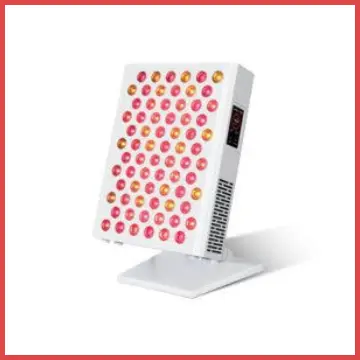
- Mito Red Light vs Joovv
When I compared Mito Red Light with Joovv, I found that both brands target users looking for premium red light therapy devices.
Joovv is well known for its modular systems and sleek design, while Mito Red Light impressed me with its combination of powerful light output, competitive pricing, and user-friendly controls.
If you want premium performance without paying the highest premium, I think Mito offers better overall value.
Both brands produce reliable devices, but Mito often provides similar features at a more attractive price point.
- Mito Red Light vs PlatinumLED
PlatinumLED has built a strong reputation for high irradiance and advanced technology, making it a popular choice among experienced users.
However, after comparing the two, I felt Mito Red Light offers a better balance between performance and simplicity.
The setup process is straightforward, and the controls are easier to understand for beginners.
While PlatinumLED focuses heavily on technical specifications, Mito delivers an excellent user experience without sacrificing effectiveness.
- Mito Red Light vs Hooga
Hooga is an excellent option if you’re shopping on a tighter budget. Its devices provide solid performance for beginners who want to try red light therapy without making a large investment.
That said, I noticed that Mito Red Light stands out with better build quality, stronger overall construction, and a more premium finish.
If you plan to use red light therapy regularly for years, I believe Mito is the better long-term investment.
- Mito Red Light vs Rouge
Rouge offers high-performance panels that compete directly with Mito in the premium category.
Both companies provide multiple wavelength options, strong irradiance, and durable designs. From my perspective, choosing between these two often comes down to personal preference and pricing at the time of purchase.
I slightly prefer Mito because of its intuitive controls, dependable performance, and excellent balance of quality and usability.
Which Brand Would I Choose?
After comparing MyProtein with several leading competitors, I keep coming back to it because it strikes an excellent balance between quality, effectiveness, affordability, and convenience.
While premium brands certainly perform well, I haven’t experienced enough additional benefits to justify paying substantially more.
For anyone who wants proven creatine monohydrate without overspending, MyProtein remains my top recommendation.
Is Mito Red Light Worth It?
After considering performance, durability, usability, and long-term convenience, I believe Mito Red Light offers excellent value for people who genuinely intend to use red light therapy consistently.
It’s certainly not the cheapest option available, but quality rarely is.
If you’re searching for a dependable device capable of supporting recovery, skin wellness, muscle performance, and overall health habits, Mito stands out as a strong investment.
Also Read: Is BestQool Red Light Therapy Worth It?
Frequently Asked Questions (FAQ)
Yes. Mito Red Light is considered a legitimate brand that produces high-quality red light therapy devices used by many home users and wellness enthusiasts.
There isn’t one perfect brand for everyone, but Mito Red Light is widely regarded as one of the leading premium options thanks to its quality, performance, and reliability.
Many Mito devices are built with high-quality components and professional-level performance, though “medical grade” can vary depending on regulatory definitions and specific models.
Research suggests red light therapy can provide benefits for certain applications, particularly when used consistently. However, results vary from person to person, and it should be viewed as a wellness tool rather than a miracle solution.
Wrapping Up
After thoroughly evaluating Mito Red Light, I believe it’s one of the better premium red light therapy brands available today.
It combines excellent construction, powerful performance, and ease of use into a device that’s built for long-term ownership.
If you’re willing to invest in consistent wellness rather than expecting instant miracles, I think Mito Red Light is a purchase you’ll likely appreciate for years to come.
Recent Posts
● Interactive 5-Zone Interior & Exterior Paint Blueprint Paint Coverage Calculator: Gallons, Primer, Square Footage & Cost Tap any architectural surface zone on the blueprint...
If you want smooth, shiny hair without spending a fortune on a premium styling tool, the Ella Bella hair dryer may be worth considering.In these Ella Bella hair dryer reviews, I’ll look...