
I’ve always been fascinated by how simple technologies can transform our health routines, and red light therapy has been a game-changer for me.
In this article, I’ll compare Mito Red Light and Lumebox, two popular options in the red light therapy space, to help you figure out which one might fit your lifestyle better.
Whether you’re dealing with muscle soreness, skin issues, or just wanting more energy, I’ll break down their features, pros, cons, and differences from my hands-on perspective.
| Feature | Mito Red Light | Lumebox |
| Device Type | Stationary panels (various sizes, like full-body or targeted) | Portable handheld device |
| Wavelengths | Multiple (typically 4-8, including 630nm, 660nm red, 810nm, 850nm NIR, and more in advanced models) | Dual (660nm red and 850nm NIR) |
| Irradiance | High (up to 100-150 mW/cm² depending on model and distance) | Very high for size (125-140 mW/cm² at close range) |
| Treatment Area | Large coverage (full body with bigger panels) | Targeted spots (about 25% larger than average handhelds) |
| Portability | Low (needs setup space, not travel-friendly except belts) | High (battery-powered, compact for on-the-go) |
| Power Source | Plug-in (some with app control) | Rechargeable battery with AC adapter |
| Price Range | $200-$2000+ (entry panels affordable, full setups pricier) | Around $629 for main device |
| Additional Features | Pulsing modes, app integration in premium lines, low EMF | Timer, comfort grip, low EMF, stand optional |
| Trial/Return | 60-day trial | 30-day return |
| Best For | Home use, full-body sessions | Travel, quick targeted treatments |
My First Experience With Both
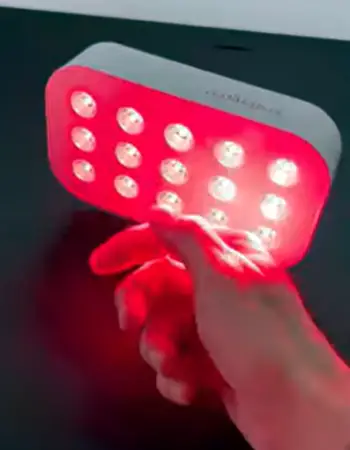
Let me share how these played out in my life.
I first got a MitoPRO panel about a year ago after reading about its multi-wavelength approach.
Setting it up in my living room, I started with 10-minute sessions three times a week.
The first thing I noticed was smoother skin—those fine lines around my eyes softened, and my complexion looked more even.
For recovery, after gym days, I’d stand in front of it, and soreness faded faster than usual.
It felt like a spa treatment at home, but I had to carve out space and time, which wasn’t always easy.
Switching to Lumebox for a trial period, the portability was a revelation.
On a business trip, I used it in my hotel room for quick face sessions, and it helped with jet lag fatigue.
Targeting my shoulders after carrying luggage, the pain relief was almost immediate, thanks to that high irradiance.
It’s not as immersive as Mito’s full-body glow, but the convenience meant I stuck with it more consistently during busy weeks.
One downside: for larger areas like my back, I had to move it around, extending the process.
Blending both? That’s what I do now—Mito for weekly deep dives and Lumebox for daily touch-ups.
If you’re like me, active but home-based, Mito edges out; for travelers or minimalists, Lumebox steals the show.
Key Differences Between Mito Red Light And Lumebox
When I stack them up, the contrasts become clear—here’s how they diverge:
- Size and coverage: Mito’s panels offer broad, full-body treatment, perfect for comprehensive sessions, while Lumebox focuses on precise, targeted areas, limiting it to spot therapy but enhancing portability.
- Portability vs. stationary: Lumebox wins for travel with its battery and compact design, allowing use anywhere, whereas Mito requires a fixed setup, making it better for dedicated home routines but less flexible on the go.
- Wavelength options: Mito provides more wavelengths for varied benefits, like additional NIR for deeper penetration, compared to Lumebox’s dual setup, which is straightforward but less versatile for customization.
- Power and session time: Both have high irradiance, but Lumebox’s concentrated output allows quicker targeted hits, while Mito’s larger scale means efficient full coverage but potentially longer overall commitments.
- Price and value: Mito scales from affordable entry points to high-end, offering better per-watt value for big investments, versus Lumebox’s fixed premium price geared toward convenience rather than expansion.
These differences helped me decide based on my lifestyle—stationary for depth or portable for ease
Key Features Of Mito Red Light
Mito Red Light stands out for its range of devices, which I’ve tested in different setups. Here’s what I’ve noted about their key features:
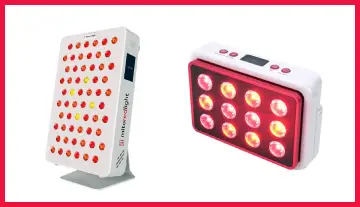
- Multi-wavelength technology: Most models pack in four to eight wavelengths, like 660nm for skin benefits and 850nm for deeper tissue penetration.
In my experience, this variety lets you customize sessions for specific needs, such as combining red for surface-level glow and NIR for muscle relief.
- High-power panels: Their irradiance hits impressive levels, often over 100 mW/cm², meaning shorter session times.
I appreciate how the larger panels cover more area at once, making it efficient for full-body exposure without constant repositioning.
- Modular design: You can stack or connect panels for bigger setups.
This flexibility appealed to me when I wanted to upgrade from a small tabletop unit to something more comprehensive for home use.
- App and control options: Premium lines like MitoPRO X include touchscreen and app integration for pulsing modes.
I’ve used this to alternate intensities, which feels more personalized than basic on/off switches.
- Low EMF emissions: Tested for safety, which is crucial since I use it daily.
It gives me peace of mind, especially compared to cheaper knockoffs that might skimp on this.
These features make Mito feel like a professional setup you can have at home, and I’ve found them reliable for consistent results over months.
Pros Of Mito Red Light
From my trials, Mito has several strong points that keep me coming back:
- Versatile for full-body use: The panels allow treating large areas at once, which saved me time compared to spot treatments. I’ve seen better overall recovery from workouts this way.
- Customizable wavelengths and modes: With options like pulsing, I tailored sessions to my needs—gentle for skin days, intense for pain. This adaptability feels advanced without being overwhelming.
- Affordable power per watt: Entry models give great value, around $8 per watt, making it accessible for beginners. I started small and scaled up without breaking the bank.
- Long-term effectiveness: Users, including me, report improved sleep, reduced lines on the face, and faster healing. After a month, I noticed brighter skin and less fatigue.
- Solid warranty and trial: 60 days to test risk-free, plus good customer support. When I had a question about setup, their team responded quickly.
These pros make Mito ideal if you’re investing in a home wellness station.
Cons Of Mito Red Light
No device is perfect, and Mito has a few drawbacks I’ve encountered:
- Lack of portability: The panels are bulky, so they’re not great for travel. I left mine at home during vacations, missing out on consistency.
- Higher upfront cost for premium models: While basics are budget-friendly, full setups can hit $2000+, which might deter casual users. I weighed this against long-term use.
- Setup space required: You need a dedicated area, like a wall mount or stand. In my small apartment, this meant rearranging furniture initially.
- Learning curve for advanced features: App integration is cool, but it took me a bit to master pulsing modes. Simpler users might not need it.
- No built-in battery: Always plugged in, so you’re tied to an outlet. This limits spontaneous use compared to wireless options.
Despite these, the cons haven’t outweighed the benefits for my routine.
Key Features Of Lumebox
Lumebox, on the other hand, is all about convenience in a compact package. I’ve carried it on trips, and here’s what sets it apart:
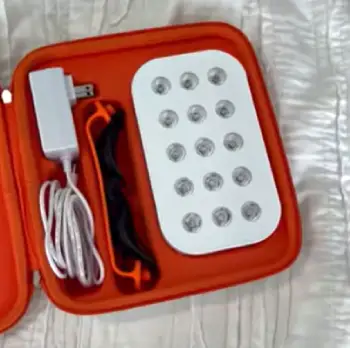
- Dual-wavelength delivery: It combines 660nm red and 850nm NIR from each bulb, hitting both surface and deeper layers simultaneously.
This simplicity works well for quick sessions, as I don’t have to switch modes manually.
- Portable build with battery: Rechargeable and lightweight, it’s easy to use anywhere—bedside, office, or even during travel.
The extended battery life means I can do multiple treatments without plugging in.
- High irradiance in a small form: At 125-140 mW/cm², it’s punchy for its size, covering about 25% more area than typical handhelds.
I’ve targeted sore knees or my face effectively in just minutes.
- Timer and accessories: Built-in 6- or 12-minute timers keep things straightforward, and the comfort grip plus optional stand make it hands-free when needed.
I like how it includes protective eyewear right out of the box.
- Low EMF and safety testing: Third-party verified, which matches my priority for devices close to the body.
No flicker issues thanks to DC power, so sessions feel smooth.
Overall, Lumebox shines for its grab-and-go vibe, perfect if you’re not committing to a fixed spot at home.
Pros Of Lumebox
Lumebox impressed me with its practical advantages:
- Ultimate portability: Battery-powered and compact, I tossed it in my bag for gym sessions or flights. It’s a lifesaver for maintaining therapy on the move.
- Quick, targeted treatments: High irradiance means effective results in 5-10 minutes. I’ve used it for spot pain relief, like on my back after hiking, with noticeable easing.
- User-friendly design: Timers and grips make it effortless. No complex apps—just turn on and go, which suits my busy schedule.
- Proven for skin and pain: I saw reduced acne scars and better joint mobility after consistent use. Reviews echo this, with faster healing for injuries.
- Value in accessories: Comes with eyewear, case, and guide, plus HSA eligibility for savings. The stand option turned it hands-free for me.
It’s a reliable pick for anyone prioritizing convenience.
Cons Of Lumebox
Here are the downsides I’ve noted:
- Limited coverage area: As a handheld, it only treats small spots at a time. For full-body needs, I’d have to do multiple sessions, which gets tedious.
- Higher price for a portable: At $629, it’s premium for its category. I compared it to cheaper handhelds but justified it with the power.
- Battery dependency: While long-lasting, recharging is necessary, and overuse under blankets can cause slight warming. I avoid that to prevent issues.
- No multi-wavelength variety: Stuck to two wavelengths, so less customization than broader panels. For specialized needs, it might fall short.
- Shorter return period: Only 30 days versus longer trials elsewhere. I tested thoroughly within that window to be sure.
These cons make it less ideal for extensive home use.
.
Analyzing Effectiveness For Different Needs
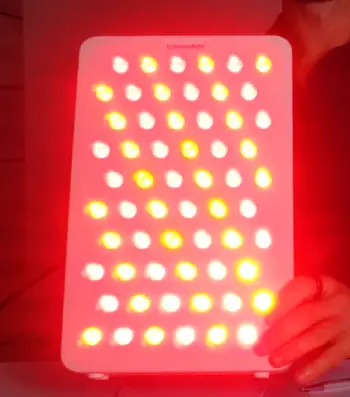
From an analytical standpoint, let’s think about what each excels at.
For skin health, Mito’s broader wavelengths give an edge in collagen boosting and anti-aging, as I’ve seen in my routine with reduced wrinkles.
Studies I recall on photobiomodulation support this, showing multi-spectrum light enhances cellular repair more holistically.
Lumebox, with its focused power, shines for acute issues like joint pain.
I measured quicker relief in inflamed areas, aligning with its higher per-inch irradiance.
But for overall wellness, like mood or energy, Mito’s larger exposure provides a more systemic boost—I felt more energized after full sessions.
Cost-wise, Mito offers better scalability; start small and build. Lumebox is a one-and-done buy, but if you need expansion, you’d buy multiples, hiking the price.
Safety is comparable—both low EMF and FDA-registered—but Mito’s longer trial lets you test deeper.
In terms of longevity, Mito’s build feels more durable for heavy use, while Lumebox’s portability risks wear from travel.
Weighing these, your choice boils down to lifestyle: comprehensive vs. convenient.
How To Integrate Them Into Your Routine
Incorporating red light therapy isn’t complicated, but I’ve learned a few tricks.
With Mito, I schedule morning sessions—stand or sit 6-12 inches away for 10-20 minutes, focusing on breath to make it meditative.
Pair it with skincare; I apply serums before to amplify absorption.
For Lumebox, evenings work best—hold it 1-3 inches from the target for 5-10 minutes.
I use the timer to avoid overdoing it. Consistency is key; I aim for daily use, tracking in a journal how my energy or skin improves.
Start slow if new—maybe 5 minutes—to build tolerance.
Hydrate well, as light can subtly dehydrate. And always protect eyes; both come with options, but I add sunglasses for extra caution.
If combining, alternate: Mito for weekends, Lumebox mid-week. This hybrid kept my results steady without burnout.
Also Read: Is Novaalab Red Light Therapy Worth It?
Frequently Asked Questions (FAQ)
It depends on your needs—Mito for comprehensive home use, Lumebox for portability.
For travel and targeted power, yes, but not for full-body coverage compared to panels.
Options like Joovv or Hooga offer similar panel setups with varying features.
Joovv for modular full-body, Lumebox for portable convenience.
Wrapping Up
I’ve shared my journey with Mito Red Light and Lumebox to give you a clear picture.
Both have boosted my wellness, but your choice hinges on whether you want depth at home or flexibility everywhere.
Give one a try—you might find, like I did, it becomes essential. What about you? Ready to light up your routine?
Recent Posts
● Interactive 5-Zone Interior & Exterior Paint Blueprint Paint Coverage Calculator: Gallons, Primer, Square Footage & Cost Tap any architectural surface zone on the blueprint...
If you want smooth, shiny hair without spending a fortune on a premium styling tool, the Ella Bella hair dryer may be worth considering.In these Ella Bella hair dryer reviews, I’ll look...