
I spent months testing high-end air purifiers in my home because poor indoor air quality was affecting my sleep and energy levels.
You know that stuffy feeling when allergens or cooking smells linger? I wanted something that actually delivered cleaner air without constant hassle.
In this article, I compare Molekule and Dyson air purifiers head-to-head based on real daily use, so you can decide which one fits your needs better.
I cover their technologies, performance, costs, and more from a practical user’s perspective.
| Feature | Molekule (e.g. Air Pro) | Dyson (e.g. Purifier Cool Formaldehyde) |
| Filtration Tech | PECO + HEPA + Carbon | HEPA H13 + Activated Carbon + Catalytic |
| Room Coverage | Up to 1,000 sq ft | Up to 1,000+ sq ft |
| Key Strength | Destroys VOCs, viruses, mold at molecular level | Excellent particle capture + formaldehyde destruction + fan function |
| Noise Level | Quiet on low (around 33 dB) | Very quiet on low, fan can be louder |
| Smart Features | App with air quality tracking | Advanced app, sensors, voice control |
| Filter Replacement | Every 6 months (~$140-200/year) | 12 months or longer for some (~$50-100/year) |
| Price Range | $800–$1,000+ | $400–$1,100 |
| Extra Functions | Focused purifier | Often doubles as fan (some as heater/cooler) |
Why I Compared These Two Product?
Living in a city apartment with pets and occasional wildfire smoke made me serious about air quality.
I bought a Molekule first because of its unique claims, then added a Dyson for its versatility. Both impressed me in different ways, but they are not identical.
You will see clear winners depending on whether you prioritize pollutant destruction, multi-function use, or long-term costs.
I tested them side-by-side in the same rooms, monitoring air quality readings, noise, and my own comfort.
Key Differences Between Molekule And Dyson

- Filtration approach: Molekule emphasizes destroying organic pollutants with PECO, going beyond capture.
Dyson excels at trapping particles and destroying specific gases like formaldehyde with its catalytic process.
I noticed Molekule handled VOC spikes from household products differently, while Dyson was stronger on dust and pollen counts.
- Multi-functionality: Dyson models often double as fans or heaters, adding everyday value.
Molekule stays focused purely on purification, which is simpler if that is all you need.
- Maintenance and costs: Molekule filters need replacement more frequently (every six months), raising annual costs.
Dyson filters last longer and some catalytic parts are permanent, making it more economical over years.
- Coverage and airflow: Both handle large spaces, but Dyson’s powerful projection circulates air faster in my tests.
Molekule is quieter at low speeds but may take slightly longer for full-room refresh in very large areas.
- Design and usability: Molekule has a more minimalist, furniture-like aesthetic. Dyson looks tech-forward with its loop design and remote control that stores magnetically.
- Sensor depth: Dyson usually offers broader pollutant detection, including environmental factors like humidity or specific gases. Molekule’s system shines for biological contaminants.
These differences shaped my daily experience—Dyson felt more versatile for family living, while Molekule targeted deeper chemical and microbial concerns.
Key Features Of Molekule Air Purifiers
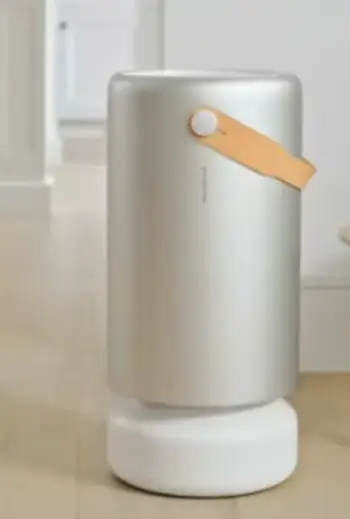
- PECO Technology that destroys pollutants: Molekule uses Photo Electrochemical Oxidation combined with HEPA.
The UV-activated filter breaks down VOCs, bacteria, viruses, and mold at a molecular level instead of just trapping them.
In my experience, this helped reduce lingering chemical smells from new furniture faster than traditional filters.
- Multi-layer filtration: Starts with a pre-filter for larger particles, true HEPA for 99.97% of small ones, carbon for odors, and PECO for destruction. It feels thorough for allergy sufferers.
Smart app and sensors: The app shows real-time air quality scores and tracks trends over time. Auto mode adjusts fan speed based on detected pollutants, which worked reliably during cooking or cleaning.
- Sleek, premium design: Aluminum build looks modern and fits nicely in living rooms or bedrooms without screaming “appliance.” It stays relatively compact for its coverage.
- Medical-grade claims: Some models have FDA clearance for certain uses, giving extra confidence if you have respiratory concerns.
These features made Molekule feel like a specialized tool for deep cleaning invisible threats in the air you breathe every day.
Pros Of Molekule Air Purifiers
- Molecular-level pollutant destruction: The PECO technology uses UV light to break down viruses, bacteria, mold, and VOCs at the molecular level rather than just trapping them, which gives me extra confidence that allergens won’t build up or get released back into the air.
- Strong performance on chemicals and odors: It handles VOCs from cleaning products, new furniture, or cooking smells effectively, making it feel like the air is genuinely fresher in sensitive spaces like bedrooms.
- Premium build and elegant design: The aluminum casing and minimalist look blend nicely into modern homes without standing out awkwardly, and the touch display feels high-quality and easy to use daily.
- Smart sensors and app integration: Real-time air quality monitoring adjusts speeds automatically, and the app provides clear insights that helped me track improvements during allergy season.
- Medical-grade clearance on select models: This adds reassurance for households with respiratory concerns or family members who need cleaner air.
- Quiet on lower fan settings: It runs unobtrusively at night, allowing peaceful sleep while still purifying the room effectively.
Cons Of Molekule Air Purifiers
- Expensive and frequent filter replacements: Filters need changing every six months at a cost of around $140-175 each, which adds up noticeably over a year compared to other options.
- Slower air circulation in larger rooms: While effective, it doesn’t move air as aggressively as fan-focused units, so it can take longer to refresh bigger open spaces.
- Higher overall operating costs: Between the premium price tag and filter expenses, it feels like a bigger long-term investment without proportional speed advantages in every test.
- Mixed results in independent lab tests: Some reviews show good but not always class-leading particle reduction speeds, making me wonder if it’s overkill for basic dust and pollen issues.
- Limited versatility: It focuses purely on purification without fan, heating, or cooling functions, so you might need separate devices for comfort.
- Noticeable noise on maximum settings: When ramping up for heavy smoke or pollutants, it can become loud enough to disrupt conversations or light sleepers.
Key Features Of Dyson Air Purifiers

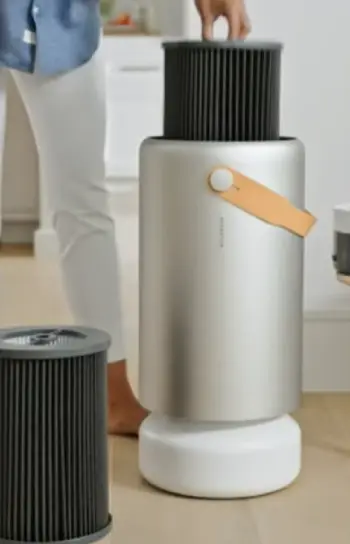
- HEPA and catalytic filtration: Dyson’s sealed HEPA H13 captures particles down to 0.3 microns exceptionally well, while activated carbon grabs gases.
Models with formaldehyde technology use a permanent catalytic filter that destroys it continuously without replacement.
- Air Multiplier technology and fan function: It projects purified air powerfully across the room and often serves as a bladeless fan for cooling.
This dual purpose is huge—you get airflow without extra devices taking up space.
- Advanced sensors and connectivity: Detects PM2.5, PM10, VOCs, NO2, and more. The app is intuitive with detailed reports, and it works with voice assistants.
Auto mode responds quickly to changes.
- Oscillation and directed airflow: You can aim the purified air where you want it, which is great for spot treatment or whole-room circulation.
- Variety of models: Options for heating, cooling, or quiet large-room performance mean you can match it to your lifestyle, whether in a bedroom or open-plan living area.
Dyson feels like a complete home comfort device that happens to purify air at a high level. I appreciated the fan during warmer evenings.
Pros Of Dyson Air Purifiers
- Excellent airflow and room circulation: The oscillation and powerful fan modes spread clean air evenly and quickly, which I noticed cleared my living room faster during dusty days or after vacuuming.
- Multifunctional design options: Many models serve as fans, heaters, or coolers, providing year-round value and saving space in smaller homes or apartments.
- Long-lasting filters with lower maintenance: HEPA filters can last up to five years and carbon layers 1-2 years, keeping ongoing costs manageable and hassle-free.
- Comprehensive smart sensors and app: It tracks multiple pollutants including PM2.5 and VOCs, with clear displays and app control that make monitoring effortless from my phone.
- Reliable particle and allergen capture: HEPA H13 filtration consistently reduces dust, pollen, pet dander, and smoke effectively in real-world use.
- Modern, functional aesthetics: The sleek tower or bladeless designs look premium and integrate well while delivering practical performance.
Cons Of Dyson Air Purifiers
- Primarily traps rather than destroys pollutants: While highly effective at capture, it doesn’t break down molecules like PECO, so saturated filters eventually need proper replacement to maintain efficiency.
- Fan noise at higher speeds: It can sound like a regular fan when working hard, which might bother light sleepers or quiet environments despite good low-speed operation.
- Higher upfront cost for full-featured models: Advanced units with heating or formaldehyde tech push into premium pricing, though basic models offer better entry points.
- Less emphasis on deepest VOC destruction: It handles common gases well but may not target certain chemical threats as aggressively as specialized technologies.
- Bulkier footprint in some designs: Larger models take up more visual space compared to compact purifiers, which matters in tight rooms.
- Performance varies by specific model: Not every Dyson excels equally in quietness or sensor accuracy, so research is needed to match your exact needs.
Performance In Real Life Scenarios
I tested both during different situations.
When I cooked spicy meals, Molekule’s PECO tackled the VOCs and odors effectively, clearing the kitchen air within an hour.
Dyson circulated the purified air faster thanks to its projection, making the whole apartment feel fresher sooner.
For pet dander and allergies, both reduced symptoms noticeably, but Dyson’s HEPA seemed to handle visible dust better.
During a period of poor outdoor air, Dyson’s sensors alerted me quicker to close windows, and its fan helped maintain comfort. Molekule provided reassuring air quality scores in the app that showed steady improvement.
Energy use stayed reasonable on both in auto mode, but Dyson’s multi-function saved me from running extra fans.
Noise-wise, Molekule won for silent nighttime use. Overall, both improved my indoor environment significantly compared to no purifier.
How They Handle Common Household Air Issues?
Dust and pollen are everyday battles. Dyson’s HEPA shines here with quick capture and circulation. Molekule’s combo also works well but emphasizes destruction to prevent any buildup issues.
Odors from cooking or pets: Both have carbon elements, but Dyson’s larger airflow seemed to freshen rooms faster. Molekule’s approach helps ensure odors don’t linger by tackling sources.
Viruses and bacteria: Molekule’s PECO claims strong inactivation rates, which gave me confidence during cold season. Dyson performs reliably through filtration.
Formaldehyde and VOCs: Certain Dyson models target formaldehyde specifically. Molekule broadly addresses many VOCs via its technology.
In my home, combining insights from both helped me maintain better baseline air quality.
Which One Should You Choose?
If you deal with lots of VOCs, chemicals, or want targeted destruction of microbes, I lean toward Molekule.
Its technology feels innovative for those specific concerns. For most people wanting versatile, reliable performance with fan benefits and better value over time, Dyson edges ahead in my experience.
Consider your room size, main pain points (allergies vs odors), and budget for filters. Many households could even use one of each in different zones. I
keep the Dyson in the living area for daily use and Molekule in the bedroom for quiet nights.
Also Read: Is Lunino Air Purifier Worth It?
Frequently Asked Questions (FAQ)
It depends on needs, but Dyson often comes out on top for versatility and value, while Molekule earns praise for its unique technology.
Yes, they effectively reduce particles and destroy many pollutants through PECO, with users reporting better air quality and fewer allergy symptoms.
Yes, quality air purifiers like these can help by reducing irritants, but consult a doctor as they are not medical devices.
Dyson ranks among the best for many users thanks to strong performance, features, and reliability, though individual needs vary.
My Final Thoughts
After months of use, I appreciate what each brings to the table. You cannot go wrong with either if you pick the right model for your space.
Dyson offers more everyday practicality and often better overall value. Molekule provides unique purification science that targets what others leave behind.
I recommend starting with your priorities—pure filtration depth or multi-use convenience—and measuring your room to match coverage.
Cleaner air has noticeably boosted my comfort and sleep, and I believe it can do the same for you. Test them if possible or read recent user feedback for your exact model.
Recent Posts
● Interactive 5-Zone Interior & Exterior Paint Blueprint Paint Coverage Calculator: Gallons, Primer, Square Footage & Cost Tap any architectural surface zone on the blueprint...
If you want smooth, shiny hair without spending a fortune on a premium styling tool, the Ella Bella hair dryer may be worth considering.In these Ella Bella hair dryer reviews, I’ll look...