
I spent weeks testing both Momentous and Thorne creatine side by side while tracking my lifts, recovery, and focus, and this article lays out everything I learned so you can decide which one fits your goals without wasting money or time.
| Feature | Momentous Creatine | Thorne Creatine |
| Form | Ultrafine micronized monohydrate (Signature Spec) | Micronized monohydrate |
| Serving Size | 5 g | 5 g |
| Servings per Container | 90 | 90 |
| Price (approx. one-time) | $43 | $44 |
| Cost per Serving | ~$0.48 | ~$0.49 |
| Third-Party Certification | NSF Certified for Sport + multi-stage purity testing including PFAS and microplastics | NSF Certified for Sport |
| Mixability | Exceptional, ultrafine powder | Excellent, dissolves quickly |
| Taste/Odor | Neutral, virtually none | Colorless, odorless |
| Additional Screening | Heavy metals, contaminants, microplastics, PFAS | Heavy metals, banned substances |
| Primary Benefits Highlighted | Strength, power, recovery, cognitive performance | Muscle performance, lean mass, cellular energy, cognition |
| Dietary Notes | Vegan, gluten-free, GMO-free | Vegan-friendly, gluten-free, no fillers |
My Experience Testing Both Creatines Daily
I started using creatine years ago for strength training and later noticed clearer mental energy on low-sleep days.
When I narrowed my choices to Momentous and Thorne, both stood out for clean labels and serious testing.
I ran each for full saturation periods, measured training volume, noted how they mixed, and paid attention to any stomach feedback.
The differences were real but subtle, and they mattered depending on what I prioritized that month.
Key Differences Between Momentous And Thorne Creatine
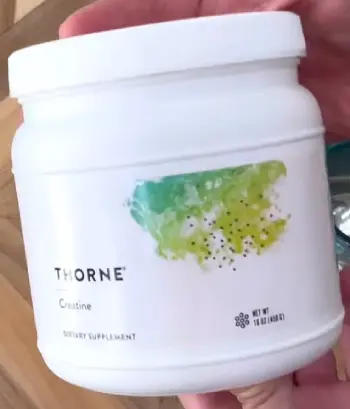
- Purity standards and testing depth: Momentous pushes a Signature Spec protocol with six-stage independent testing that includes screens for microplastics and PFAS.
Thorne relies on NSF Certified for Sport batch testing for nearly 300 banned substances and label accuracy.
Both clear the high bar athletes trust, yet Momentous markets tighter impurity controls.
- Powder texture and mixability: Momentous uses an ultrafine grind that disappears in water with almost no stirring.
Thorne’s micronized form also mixes cleanly and leaves little grit, though I found Momentous slightly smoother in cold water.
- Brand positioning and extra features: Momentous leans into performance and cognitive support with travel packs and chews as options.
Thorne emphasizes clinical-grade consistency and offers stick packs plus larger 180-serving tubs for longer use.
- Price and value over time: The 90-serving jars sit within a dollar of each other.
Subscriptions or bulk sizes shift the math, and Thorne’s 180-serving option can lower the long-term cost if you stay consistent.
- Cognitive claims emphasis: Both support brain energy through ATP pathways.
Momentous highlights focus and reduced mental fatigue more prominently in its messaging, while Thorne frames cognition alongside cellular energy and aging support.
These differences do not change the core fact that both deliver pure creatine monohydrate. They do change how confident you feel about contaminants and how easily the powder fits your daily routine.
Key Features Of Momentous Creatine
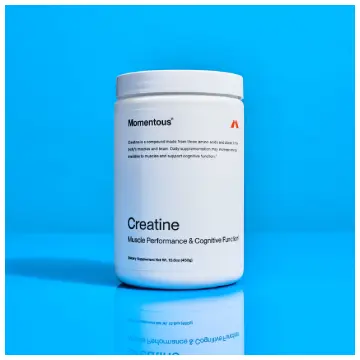
- Signature Spec ultrafine monohydrate: The powder is engineered for rapid dissolution and high purity.
I noticed it mixed faster than standard creatine I had used before, which made daily use less of a chore.
- NSF Certified for Sport plus extended contaminant screens: Beyond the usual banned-substance panel, the brand screens for microplastics and PFAS.
That extra layer mattered to me when I wanted maximum peace of mind.
- 5 g clinically relevant dose: Every scoop delivers the research-backed amount without fillers.
Consistency was simple because the scoop matched the studied dose exactly.
- Cognitive and recovery support messaging: The product is positioned for both gym output and mental sharpness.
On heavy work weeks I tracked slightly better afternoon focus once stores were saturated.
- Multiple formats available: Powder remains the base, but chews and travel packs exist for days when measuring scoops feels inconvenient.
Pros Of Momentous Creatine
- Exceptional mixability from the ultrafine grind: I could stir it into cold water and drink within seconds. No grit sat at the bottom of the glass, which removed one common complaint with cheaper creatines.
- Expanded purity testing that includes modern contaminants: Knowing the product is screened for PFAS and microplastics gave me extra confidence during daily use. That level of detail is still rare.
- Strong dual focus on physical and cognitive outcomes: After four weeks I recorded higher training volume and felt sharper during afternoon work blocks. The combination matched what the research suggests for saturated creatine stores.
- High customer satisfaction and athlete endorsements: Reviews consistently mention trust in the testing and noticeable performance gains. The brand’s reputation in high-level sports circles reinforced my choice when I wanted premium quality.
- Convenient alternative formats: On travel days the chews or single-serve packs kept my routine unbroken. That flexibility reduced the chance I would skip doses.
Cons Of Momentous Creatine
- Premium price that sits at the higher end of pure monohydrate: At roughly forty-three dollars for ninety servings the cost is justified by testing, yet budget-conscious users may hesitate compared with basic options.
- Occasional stock variability on the website: I once waited for a restock on the larger size. Planning ahead became necessary if I wanted the subscription discount.
- Marketing emphasis can feel intense: The Signature Spec language is strong. Some users simply want plain creatine without the elevated claims, even when the product delivers.
- Limited flavored powder options in the core line: The unflavored version is clean, but if you prefer taste the chews become the workaround rather than a flavored tub.
Key Features Of Thorne Creatine
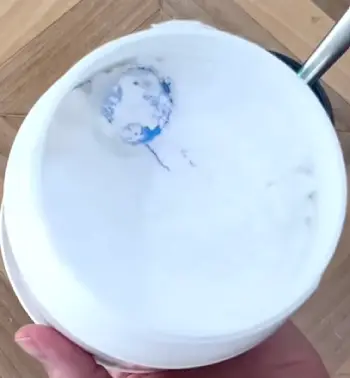
- Micronized creatine monohydrate: The particle size improves solubility so the powder vanishes in water or a protein shake with minimal effort.
I never dealt with clumps in my shaker.
- NSF Certified for Sport on every batch: Independent testing confirms purity and absence of banned substances.
That certification is the same standard many professional teams require.
- Clean, colorless, odorless profile: No taste or smell means it drops into any beverage without changing the flavor.
I added it to morning coffee water without noticing it.
- Focus on cellular energy and lean mass: Thorne frames the product around ATP production, strength, and body composition support.
The messaging feels clinical and straightforward.
- Flexible packaging: Stick packs for travel and larger tubs for home use make long-term adherence easier.
The 180-serving size cut my reorder frequency in half.
Pros Of Thorne Creatine
- Reliable NSF certification backed by a long clinical reputation: Thorne has built trust across healthcare practitioners and athletes for years. That history made the product an easy default when I wanted proven quality.
- Excellent solubility and neutral profile: The micronized powder mixed smoothly every time and never altered the taste of my post-workout shake. Daily compliance stayed high because there was zero friction.
- Consistent results for strength and recovery: After saturation I saw the same progressive overload improvements I expected from any quality creatine. Recovery between sessions felt noticeably better.
- Flexible sizing including larger tubs and travel packs: The 180-serving container lowered the effective cost and reduced packaging waste. Stick packs solved the problem of airport security or hotel stays.
- Straightforward clinical framing without hype: The label and descriptions stay focused on researched benefits. I appreciated the no-nonsense approach when comparing labels.
Cons Of Thorne Creatine
- Slightly less aggressive contaminant screening beyond NSF standards: While NSF covers banned substances thoroughly, Momentous advertises additional modern pollutant screens. Users highly sensitive to that difference may notice.
- Price still sits in the premium tier: Forty-four dollars for ninety servings is competitive within the certified category, yet far from the cheapest monohydrate on the market.
- Fewer novelty formats than some competitors: Powder and stick packs cover most needs, but the absence of chews means you stick to mixing if that is your preference.
- Brand perception can feel more clinical than performance-oriented: Some gym-focused users prefer brands that speak louder about PRs and training volume. Thorne’s tone is measured and medical.
How I Used Each Product In Training And Daily Life?
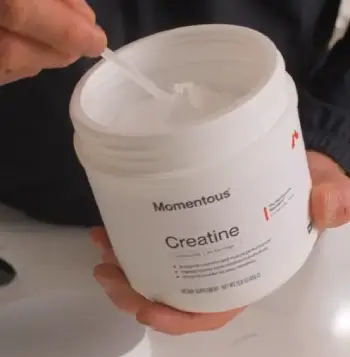
I kept the protocol identical for fairness. Five grams daily, mixed in water or a protein shake, taken at whatever time fit the schedule.
No loading phase. After two weeks the early energy bumps appeared. By week four both products produced measurable increases in working sets on compound lifts.
The real separation showed up in small lifestyle details. Momentous disappeared faster in cold water on rushed mornings.
Thorne’s stick packs traveled better in a gym bag. Cognitive differences were harder to quantify, yet on consecutive late nights I felt a modest edge with consistent creatine of either brand compared with periods without it.
Stomach comfort stayed excellent with both. Neither caused bloating when I stayed hydrated. Water intake mattered more than brand.
I tracked body weight and saw the expected two-to-three-pound water retention that settles after the first couple of weeks.
Strength gains continued past that point, confirming the performance effect was independent of the scale.
Who Should Choose Momentous Creatine?
If you value the tightest available purity screens and want an ultrafine powder that mixes like a dream, Momentous fits.
Athletes in tested sports or anyone concerned about environmental contaminants will appreciate the extra testing layers.
The cognitive emphasis also appeals if mental performance sits high on your priority list alongside physical output.
Who Should Choose Thorne Creatine?
Choose Thorne when you want a trusted clinical brand with rock-solid NSF certification and flexible packaging.
The micronized form works reliably, the larger tubs improve value, and the straightforward approach removes decision fatigue.
Healthcare professionals and long-term users who already trust the brand will feel at home.
Cost, Value, And Long-Term Considerations
Both products cost nearly the same at the ninety-serving size. Subscriptions shave the price further. Over a year of daily use the difference shrinks to a few dollars.
Value then shifts to secondary factors: how easily the powder fits your routine, how much trust you place in the testing panel, and whether travel formats matter.
I rotated between them based on what was on sale or in stock and never felt a performance drop when switching after full saturation.
Storage is simple for both. Keep the containers sealed and dry. Scoop accuracy stayed consistent. Neither product clumped in normal household humidity when closed properly.
Analytical Take On The Research Behind Both
Creatine monohydrate remains the most studied form. The five-gram daily dose saturates muscle stores in three to four weeks for most people.
Benefits include greater training volume, faster recovery of phosphocreatine, modest lean mass gains when paired with resistance training, and emerging support for cognitive tasks under stress or sleep restriction.
Both Momentous and Thorne deliver that exact compound at the researched dose. The brand differences sit in manufacturing controls, particle size, and certification breadth rather than in the active ingredient itself.
That reality keeps the decision practical instead of theoretical.
Also Read: Is Ritual Labs Happy Liver Worth It?
Frequently Asked Questions (FAQ)
Both rank among the cleanest options available. Momentous edges ahead on expanded contaminant screening and mixability; Thorne matches it on NSF certification and clinical trust. Choose based on which secondary factors matter most to you.
They perform similarly for strength and recovery. Momentous offers slightly tighter modern purity screens; Thorne provides excellent value in larger sizes and a long track record with practitioners.
Trust comes from third-party testing. Both Momentous and Thorne carry NSF Certified for Sport, which places them in the top tier athletes and professionals rely on.
It ranks among the best for purity and mixability. Whether it is the single best depends on your priorities around price, format, and specific contaminant concerns.
Final Thoughts
After running both products through real training cycles, I can tell you that either one will deliver the creatine benefits the research supports.
My goal with this comparison was to give you clear, practical differences so you can match the product to your own priorities around testing depth, mixability, packaging, and long-term cost.
You now have the side-by-side details, the lived experience, and the trade-offs laid out without hype.
Pick the one that removes the most friction from your daily routine, stay consistent with the five-gram dose, and let the results accumulate. That approach will serve you better than chasing the perfect label.
Recent Posts
I tried Meltoway Hair Dissolving Cream because I wanted a quick way to deal with unwanted body hair without reaching for a razor every few days. If you are looking for a convenient at-home...
If you’re considering a saffron-based supplement to support mood, appetite control, and everyday wellness, Happy Saffron Plus is worth considering.I like that it takes a familiar botanical...