
If you want a backyard fire pit that gives you the warmth and atmosphere of a traditional wood fire without leaving you surrounded by heavy smoke, I think the Muskoka smokeless fire pit is worth considering.
I especially recommend it to homeowners who enjoy outdoor entertaining, camping-style evenings, or relaxing around a fire but dislike smoke constantly blowing into their face.
Its smokeless design, sturdy construction, and outdoor-friendly appearance make it an appealing choice for anyone upgrading their patio or backyard fire setup.
My Fist Experience With The Muskoka Smokeless Fire Pit
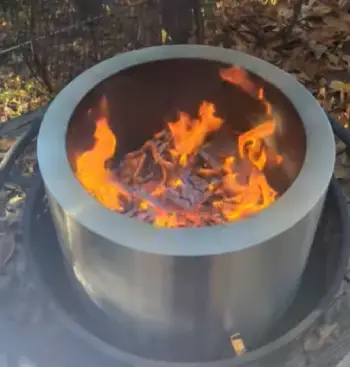
My first impression of the Muskoka smokeless fire pit was that it looked much more substantial than a basic backyard fire bowl.
I wanted something that could create the atmosphere of a traditional fire while making the experience more comfortable, and that was exactly what caught my attention.
Once I started using it, the biggest difference I noticed was the way the fire behaved. Instead of simply burning wood in an open bowl, the design encourages a more controlled burn.
Air movement around the fire helps the wood burn more efficiently, and that can significantly reduce the amount of visible smoke once the fire gets established.
I still noticed some smoke during startup, particularly when I used larger pieces of wood or wood that wasn’t completely dry.
That’s important because I wouldn’t describe any wood-burning fire pit as completely smoke-free. However, once I had a strong fire going, the smoke was noticeably less intrusive.
For me, that made sitting around the fire much more enjoyable. I could sit closer without constantly shifting my chair whenever the wind changed direction.
I also liked the overall atmosphere. There’s something about real wood crackling in a fire pit that gas-powered outdoor heaters simply can’t reproduce.
The Muskoka design allowed me to keep that traditional campfire feeling while making the experience cleaner and more manageable.
Another thing I appreciated was the versatility. I could imagine using it for a quiet evening with a cup of coffee, a weekend gathering with friends, or a family backyard event. It doesn’t feel like a product designed for one specific occasion.
That said, I quickly realized that performance depends heavily on how I use it. Dry hardwood produced a much better fire than damp or oversized logs.
Proper airflow mattered too. When I overloaded the pit with wood, the fire became less efficient and smoke increased.
So, my experience wasn’t simply “put wood in and forget about it.” I got the best results when I treated it like a well-designed wood-burning appliance rather than an ordinary fire bowl.
Overall, I found the Muskoka smokeless fire pit particularly appealing because it combines the visual charm of a traditional fire with a more controlled burning experience.
What Makes The Muskoka Smokeless Fire Pit Different?
The basic idea behind a smokeless fire pit is fairly straightforward. Instead of allowing wood to burn inefficiently in an open container, the fire pit is designed to improve airflow and combustion.
The result is a hotter, cleaner-burning fire under suitable conditions.
When I first started researching smokeless fire pits, I realized that the term “smokeless” can be misleading. These products don’t magically eliminate every trace of smoke. Smoke can still appear during ignition, when adding fresh wood, or when burning damp fuel.
What the design aims to do is reduce smoke during the main burning phase.
That distinction matters.
The Muskoka fire pit is therefore better viewed as a low-smoke outdoor fire solution rather than a completely smoke-free machine.
Pros Of The Muskoka Smokeless Fire Pit
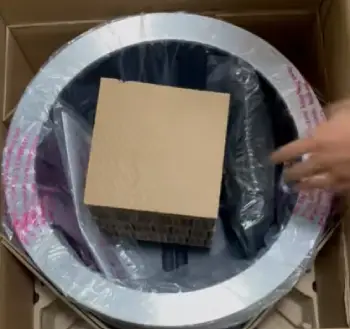
- Reduced Smoke During the Main Burn
The biggest advantage for me is reduced smoke.
I don’t expect any wood-burning fire pit to produce absolutely no smoke. Still, the difference between an inefficient fire and a well-ventilated smokeless design can be substantial.
Once the fire was hot and burning properly, I found the smoke much less bothersome.
That makes a major difference when you’re entertaining guests. Nobody wants to spend an entire evening moving chairs because smoke keeps drifting toward them.
- Creates a Real Campfire Atmosphere
For me, this is another major selling point.
Gas fire pits can be convenient, but they don’t completely recreate the feeling of burning real wood. With the Muskoka smokeless fire pit, I still get crackling logs, glowing embers, natural flames, and that unmistakable campfire smell.
It feels authentic. If you enjoy traditional fires but want better smoke management, this type of fire pit offers a nice middle ground.
- Efficient Wood Burning
When I used appropriately sized, dry firewood, I found the combustion process quite efficient.
A hotter fire can extract more energy from the wood, and that can mean less wasted fuel.
The exact amount of wood you’ll use depends on the fire pit size, weather conditions, wood species, and how long you burn it.
Still, the efficient combustion concept is one of the reasons I find smokeless fire pits more appealing than basic open bowls.
- Comfortable for Social Gatherings
A fire pit isn’t just about making flames. It’s about creating a space where people want to sit.
I found reduced smoke particularly useful when several people were gathered around the fire.
You can position chairs around the pit, talk, eat snacks, tell stories, and enjoy the warmth without constantly reacting to smoke.
That makes the fire pit feel like a genuine outdoor gathering point rather than simply a decorative feature.
- Attractive Backyard Addition
I also like the fact that a well-designed fire pit can improve the overall appearance of an outdoor space.
The Muskoka aesthetic has a classic outdoor character that works nicely with patios, decks, gardens, and rustic backyard setups.
During the day, it can function as a visual centerpiece. At night, the fire becomes the focal point.
- Suitable for Different Occasions
I don’t think you need a special reason to use it.
I can picture using it during a weekend barbecue, a cool autumn evening, a family gathering, or simply when I want to spend less time indoors.
That versatility increases its value for me.
Cons Of The Muskoka Smokeless Fire Pit

- It Is Not Completely Smoke-Free
This is the first limitation I would point out.
If you’re expecting zero smoke from the moment you light the wood until the fire goes out, you’ll probably be disappointed.
Startup smoke is normal. Adding fresh wood can also create smoke temporarily. Wet wood is another major culprit.
I think it’s more accurate to call the product low-smoke rather than literally smokeless.
- Wood Quality Matters
The fire pit can’t compensate completely for poor-quality fuel.
If I use damp, freshly cut, or oversized wood, I shouldn’t expect the same performance I get from properly seasoned firewood.
Dry hardwood generally gives me a hotter and cleaner burn.
So, part of the experience depends on how carefully I choose and prepare the fuel.
- Ash Requires Regular Cleaning
Wood-burning products always create ash.
Even when combustion is efficient, I still have residue to clean out after repeated fires.
This isn’t necessarily a serious drawback, but it is something I need to account for.
If I ignore the ash for too long, it can interfere with airflow and make subsequent fires less efficient.
- Outdoor Storage Matters
Leaving any metal fire pit exposed to rain and moisture indefinitely isn’t something I recommend.
Even a durable outdoor finish can eventually show signs of weather exposure.
For me, having a suitable cover or protected storage area makes sense, especially during extended periods when I don’t use the fire pit.
- Heat Requires Responsible Placement
This isn’t really a flaw unique to Muskoka, but it’s worth emphasizing.
A wood-burning fire pit produces significant heat.
I wouldn’t place it directly against a house, near combustible materials, beneath low branches, or on a surface that isn’t suitable for high temperatures.
You also need to follow the manufacturer’s safety instructions and local fire regulations.
Maintenance Tips For Pit Muskoka Smokeless Fire
- Clean the Ash Regularly
One of the easiest ways I maintain a wood-burning fire pit is by removing accumulated ash.
I wait until everything has completely cooled before cleaning.
I never assume that gray-looking ash means there are no hot embers underneath. Ash can retain heat for surprisingly long periods.
Once the fire pit is completely cold, I remove the ash carefully and dispose of it according to local guidance.
Keeping the interior reasonably clean helps maintain airflow.
- Burn Only Properly Seasoned Firewood
If I could give one practical tip, this would be it.
Use dry firewood.
Wet wood creates more smoke, burns inefficiently, and makes it harder for the smokeless combustion system to perform properly.
Hardwoods are often a good choice because they tend to burn longer and produce substantial heat when properly seasoned.
I avoid treating household trash, painted wood, treated lumber, plastics, or other unsuitable materials as fuel.
- Don’t Overload the Fire Pit
My instinct might be to add more wood when I want a bigger fire, but that’s not always the smartest approach.
Overloading can restrict airflow and create more smoke.
I prefer building the fire gradually and adding appropriately sized logs as needed.
That gives the fire enough oxygen and keeps the combustion process more controlled.
- Allow the Fire Pit to Cool Completely
I never rush the cooling process.
After a fire, I allow the pit and remaining embers to cool naturally.
I avoid putting water directly into a hot metal fire pit unless the manufacturer specifically recommends that method, because sudden temperature changes can potentially damage materials.
Once everything is completely cool, I handle cleaning and storage.
- Protect It From Prolonged Moisture
A good cover can make a noticeable difference.
When I’m not using the fire pit, protecting it from rain and excessive moisture helps preserve its finish and appearance.
I also prefer storing accessories in a dry location.
The less unnecessary weather exposure the product receives, the easier it is to maintain.
- Inspect the Fire Pit Before Every Major Use
Before lighting a fire, I like to take a quick look at the structure.
I check for unusual damage, excessive corrosion, blocked airflow openings, loose components, or anything else that doesn’t look right.
It only takes a minute, but that small habit gives me greater confidence before starting a fire.
- Keep the Surrounding Area Clear
I don’t treat the fire pit like a casual piece of patio furniture.
Before using it, I make sure chairs, cushions, decorations, dry leaves, branches, and other combustible items are positioned safely away from the heat.
I also keep children and pets supervised around an active fire.
- Don’t Ignore Wind Conditions
Wind can change the entire experience.
Even a low-smoke fire pit can send sparks or embers farther than expected when conditions are windy.
If the weather is particularly gusty, I would rather postpone the fire than take unnecessary chances.
Comparison Of Muskoka Smokeless Fire Pit With Other Brands
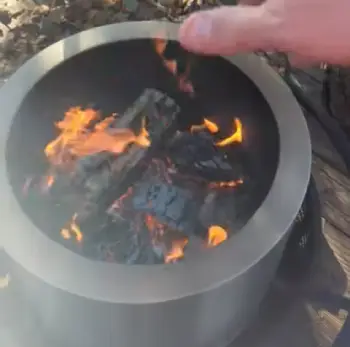
- Muskoka vs Solo Stove
Solo Stove is one of the best-known names in the smokeless fire pit category, so it’s an obvious comparison.
What I like about Solo Stove is the strong reputation surrounding its airflow-focused designs and broad range of sizes and accessories.
Muskoka appeals to me when I want a more traditional outdoor appearance and a straightforward backyard fire experience.
The better option depends on what matters most to you. If brand recognition, ecosystem, and extensive accessory choices are priorities, Solo Stove may have an advantage.
If the Muskoka design fits your outdoor space and your budget better, it can still make plenty of sense.
- Muskoka vs Breeo
Breeo is another prominent name associated with durable smokeless fire pits.
What stands out to me about Breeo is its heavy-duty approach and emphasis on long-term outdoor use.
Muskoka can be appealing if I’m looking for a more approachable fire-pit experience rather than building an elaborate outdoor cooking or fire setup.
Breeo may attract buyers who want an especially rugged product, while Muskoka can appeal to people who primarily want warmth, atmosphere, and reduced smoke.
- Muskoka vs Blue Sky
Blue Sky smokeless fire pits are also designed around improved airflow and cleaner combustion.
I find this comparison interesting because both categories aim to solve the same basic problem: reducing the amount of smoke produced by a wood fire.
For me, the final decision would come down to design, dimensions, construction, price, portability, and availability.
A smokeless system is important, but it shouldn’t be the only factor I consider.
- Muskoka vs Traditional Open Fire Pits
This is perhaps the most meaningful comparison.
A conventional open fire pit is usually simpler and may cost less.
However, the tradeoff is smoke.
I’ve found that traditional open bowls can allow smoke to drift more freely toward people sitting nearby.
Muskoka’s primary advantage is the attempt to improve combustion and airflow.
If I only wanted a basic place to burn wood occasionally, a traditional fire pit might be sufficient. If I expect to spend many evenings sitting around the fire, I would personally prefer the reduced-smoke approach.
Is The Muskoka Smokeless Fire Pit Worth It?
For me, the answer depends on how frequently you plan to use it.
If you only light a fire once or twice a year, a premium smokeless fire pit might not be necessary.
But if you regularly host backyard gatherings, enjoy outdoor relaxation, or simply love sitting around a campfire, the reduced smoke can become a meaningful quality-of-life improvement.
I also think expectations matter.
You’re not buying a magical fire that produces absolutely no smoke.
You’re buying a design intended to burn wood more efficiently and reduce smoke under suitable conditions.
When I approach it with that understanding, the concept makes much more sense.
Also Read: Is DragonFire Smokeless Fire Pit Worth It?
Frequently Asked Questions (FAQ)
Yes. They can be a good choice for people who want a traditional wood fire with reduced smoke and an attractive outdoor design.
There isn’t one universal winner. Solo Stove, Breeo, Blue Sky, and Muskoka all have strengths depending on your budget, preferred design, and intended use.
Yes. They can substantially reduce smoke during efficient, hot burning, although they are not completely smoke-free.
Wrapping Up
If you love sitting around a real wood fire but hate having smoke constantly follow you around, I think the Muskoka smokeless fire pit is worth buying.
It offers the warmth and atmosphere I want from a traditional fire while making the experience noticeably more comfortable. I especially recommend it for frequent backyard entertaining and relaxing outdoors.
Just remember that proper firewood, maintenance, safe placement, and realistic expectations are essential. For me, the combination of reduced smoke, efficient burning, and classic fire-pit ambiance makes it a strong choice for upgrading an outdoor space.
Recent Posts
I tried Meltoway Hair Dissolving Cream because I wanted a quick way to deal with unwanted body hair without reaching for a razor every few days. If you are looking for a convenient at-home...
If you’re considering a saffron-based supplement to support mood, appetite control, and everyday wellness, Happy Saffron Plus is worth considering.I like that it takes a familiar botanical...