
Watching your dog or cat constantly scratch, lick their paws, or deal with chronic stomach issues is heartbreaking. Like many pet parents, you have probably spent a fortune at the vet without getting clear answers. That is exactly why I decided to try the My Pet Sensitivity test.
It promises to identify hundreds of food and environmental triggers using just a few strands of your pet’s fur. But is this alternative bioresonance test actually accurate, or just an expensive gimmick? If you want an affordable starting point for an elimination diet, buy it. If you need medical diagnoses, skip it.
My Experience With My Pet Sensitivity
When my golden retriever, Max, started gnawing at his paws until they were raw, I was desperate. The vet suggested an expensive blood test or an endless, frustrating elimination diet. Scrolling late one night, I found My Pet Sensitivity. The premise sounded almost too good to be true: clip a little bit of fur, mail it in, and get a list of exactly what is bothering him. Since the price was a fraction of a vet visit, I decided to take the gamble.
The process of getting the sample was incredibly straightforward. I did not even need to use scissors; I just waited until I was brushing Max and grabbed a small clump of fur directly from the bristles.
c I placed the hair into a clear, sealable plastic bag, wrote down his unique reference code, and put it in a standard envelope. The one annoying part was realizing I had to pay for my own postage to send it to their testing facility, which felt a bit cheap on their end given the cost of the test itself.
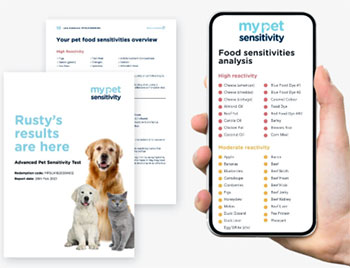
I mailed the sample on a Tuesday, and to my surprise, I received an email with a detailed PDF report the following Wednesday. The turnaround time was impressively fast. The report itself was extensive, categorizing hundreds of ingredients into high reactivity, moderate reactivity, and no reactivity.
According to the results, Max had a high sensitivity to beef and sweet potatoes—two ingredients that were the main components of his expensive kibble.
I immediately switched his food to a limited-ingredient salmon and rice formula, crossing my fingers. The first week, I did not notice much change. But by the third week, the incessant paw licking had drastically reduced. The redness between his toes started to fade, and he seemed much more comfortable in his own skin.
However, my experience is not without reservations. When I brought the results to my vet, she warned me that bioresonance testing on fur has zero scientific backing in traditional veterinary medicine. It made me wonder if the results were just a lucky guess or if there really is something to this alternative approach. Despite the veterinary skepticism, the practical outcome for my dog was positive. It gave me a tangible starting point for changing his diet, which ultimately worked.
Pros Of My Pet Sensitivity
When evaluating this at-home testing kit, I found several distinct advantages that make it an appealing option for frustrated pet owners. Here are the specific benefits that stood out during my evaluation.
- Incredibly Simple And Painless Sampling: Unlike traditional allergy tests that require drawing blood or doing skin prick tests at the vet’s office, this method is completely non-invasive. You only need to collect five to ten strands of your pet’s fur, preferably close to the root. This is a massive relief for owners of anxious cats or skittish dogs who find vet visits traumatic. You can easily gather the sample during a regular grooming session at home without your pet even noticing what you are doing. This stress-free approach makes it accessible for any pet, regardless of age or temperament.
- Fast Turnaround Time For Results: When you are watching your pet suffer from severe itching or digestive upset, waiting weeks for laboratory results is agonizing. My Pet Sensitivity is remarkably efficient; they usually process the sample and email you the PDF report within five days of receiving it at their facility. This rapid response allows you to start making dietary changes or environmental adjustments almost immediately. Many competitors take several weeks to process similar hair or saliva samples. The speed of delivery is a huge selling point for pet parents who are desperate for quick answers.
- Highly Comprehensive Analysis Report: The sheer volume of items tested is impressive, especially if you opt for the advanced package. They screen for up to 550 different commercial pet food ingredients, environmental factors, heavy metals, and nutritional imbalances. The report categorizes these items neatly into high, moderate, and no reactivity, taking the guesswork out of reading complex medical jargon. It breaks down specific proteins, grains, and even common household fabrics or dust mites. This exhaustive list gives you a wide net of potential triggers to investigate, which is helpful if your pet’s symptoms are vague.
- Cost-Effective Alternative To Vet Testing: Let us face it, veterinary care is incredibly expensive, and specialized allergy panels can easily cost hundreds of dollars. This kit provides a much more affordable starting point for identifying potential issues. While it should not replace a veterinarian’s advice for severe medical conditions, it serves as a budget-friendly preliminary tool. By using this test, you might discover a simple food intolerance that you can fix by just changing their kibble, saving you the cost of continuous vet visits and prescription medications.
Cons Of My Pet Sensitivity
Despite the convenience, there are significant drawbacks and controversies surrounding this product that you need to be aware of before purchasing. It is crucial to manage your expectations regarding what this test can actually do.
- Lack Of Scientific Validation For Bioresonance: This is the biggest and most glaring issue with the product. The test uses bioresonance therapy, an alternative medicine practice that claims to measure the energetic frequencies of the hair strands. The vast majority of traditional veterinarians and dermatologists consider this to be pseudoscience with no credible clinical evidence to support its accuracy. There are no peer-reviewed veterinary studies proving that you can diagnose a food allergy by scanning a piece of dead fur. You are essentially trusting an alternative methodology that the established medical community actively advises against.
- Tests For Sensitivities, Not True Allergies: The branding can be confusing, and many people mistakenly buy this thinking it is a traditional allergy test. An actual allergy is an immune system response (involving IgE antibodies) that can be life-threatening, whereas a sensitivity is usually a digestive or mild inflammatory response. This test cannot tell you if your dog will go into anaphylactic shock from a bee sting or a specific protein. If your pet has a severe, dangerous allergic reaction, relying on this test could be detrimental to their health because it does not measure immune system markers. It is vital to understand this distinction so you do not put your pet at risk.
- Hidden Costs And Shipping Hassles: The purchasing process is not as seamless as you would expect from a modern e-commerce brand. When you buy the test, they do not mail you a physical collection kit; they just email you a reference number. You have to provide your own plastic bag, your own envelope, and pay for the postage to mail the sample to their facility. This lack of prepaid shipping feels incredibly stingy and adds an unexpected hidden cost to the overall price. Furthermore, because you are sending it via standard mail, there is always a risk of the sample getting lost unless you pay extra for tracked shipping.
- Potential For Conflicting Or Confusing Results: Because it tests for so many items using an unproven method, the results can sometimes be baffling. Many users report that the test flags items their pet has never even been exposed to, like obscure meats or random environmental weeds. Conversely, it might show no reactivity to an ingredient you know for a fact gives your dog severe diarrhea. This inconsistency can lead you down a frustrating path of eliminating safe foods while continuing to feed them the actual trigger. You must take the results with a grain of salt and use them only as a rough guide.
Maintenance Tips For My Pet Sensitivity
Since this is a one-time testing service rather than a physical product you use daily, maintenance involves how you correctly manage the testing process and implement the results. Here is how to get the most out of your purchase.
- Collect The Sample Properly: The accuracy of any test depends entirely on the quality of the sample provided. Ensure you collect the fur from a clean area of your pet’s body, avoiding spots with topical flea treatments or dirt. Do not mix fur from multiple pets into one bag, as this will completely ruin the analysis and give you cross-contaminated results. Try to pull or snip the hair as close to the root as possible, as the root bulb contains the most biological information. Seal the plastic bag tightly so the sample does not fall out during transit, and clearly write your unique reference number on the outside.
- Implement A Strict Elimination Diet: The test results are useless if you do not actively use them to change your pet’s lifestyle. When you receive your report, completely remove all items listed under the high reactivity category from your pet’s diet. You must be meticulous; this means checking the ingredients of their main kibble, wet food, treats, and even dental chews. Maintain this strict elimination diet for at least four to six weeks, as it takes time for the gut inflammation to subside and the allergens to clear their system. If you slip up and give them a treat containing a flagged ingredient, you have to start the clock over.
- Reintroduce Foods Slowly And Systematically: Once your pet’s symptoms have cleared up on the elimination diet, you can test the waters. Do not introduce all the eliminated foods back at once, or you will never know which one was the actual culprit. Reintroduce one moderate reactivity item at a time, feeding it to them for three days and monitoring closely for any return of itching or stomach upset. If they react poorly, you know to ban that ingredient permanently. If they show no symptoms, you can likely keep it in their diet in moderation, proving that the test was acting as a helpful baseline.
- Keep Your Veterinarian In The Loop: Never make drastic changes to your pet’s medical care without consulting a professional. Bring a printed copy of your PDF results to your next vet appointment. While the vet may be skeptical of the testing method, they can help you formulate a balanced diet based on the new restrictions. It is especially important to consult them if the test recommends eliminating major protein sources, ensuring your pet does not suffer from nutritional deficiencies. Use the test as a tool in your arsenal, not a replacement for veterinary medicine.
Comparison With Other Brands
The at-home pet allergy testing market is growing rapidly. It is important to know how My Pet Sensitivity compares to its direct competitors to ensure you are buying the right kit for your needs.
- 5Strands Pet Allergy Test: This is perhaps the most direct and well-known competitor in the hair-testing space. Comparison: Both companies use the controversial bioresonance technology to test hair strands, meaning they share the same lack of traditional scientific backing. However, 5Strands is generally considered to have slightly better customer service and provides a more polished user experience. 5Strands often includes a physical collection kit with a prepaid return envelope, which eliminates the annoying hidden shipping costs associated with My Pet Sensitivity. While My Pet Sensitivity might be slightly cheaper upfront, 5Strands offers a more comprehensive package that feels more professional. If you want the convenience of a prepaid mailer, go with 5Strands; if you want the absolute lowest initial price, stick with My Pet Sensitivity.
- Allergy Test My Pet (ATMP): This brand frequently appears alongside My Pet Sensitivity in online searches but operates differently. Comparison: While My Pet Sensitivity uses hair, ATMP usually uses a saliva swab to test for proteins and sensitivities. Saliva testing is slightly more accepted in the holistic veterinary community than hair testing, though it still falls short of blood testing. ATMP results tend to focus heavily on custom analysis of over 100 food and environmental items, whereas My Pet Sensitivity’s advanced test claims to cover up to 550 items. ATMP takes longer to process—often two to three weeks—compared to the rapid five-day turnaround of My Pet Sensitivity. Choose ATMP if you prefer a saliva swab; choose My Pet Sensitivity if you want faster results and a larger database of tested items.
- Heska Allercept (Veterinary Blood Test): This is not an at-home kit, but rather the gold standard test performed at a veterinary clinic. Comparison: The Heska test measures actual IgE antibodies in your pet’s bloodstream to diagnose true, clinical allergies. It is scientifically validated, highly accurate, and universally trusted by veterinary dermatologists. However, it requires a blood draw, is significantly more expensive (often ranging into the hundreds), and you must pay for a vet visit to get it. My Pet Sensitivity cannot diagnose true allergies and uses unproven science. If you have a severe medical issue, you must pay for the Heska test; if you just want a cheap guide to try changing your dog’s food, the at-home sensitivity test is a reasonable starting gamble.
Also Read: Is Katherine Heigl Dog Food Worth It?
Frequently Asked Questions (FAQ)
The accuracy is highly debated. While many customer reviews claim the results perfectly matched their pet’s symptoms and helped them cure itching, the testing method (bioresonance on hair) is not recognized by traditional veterinary science. It is best viewed as a helpful guide for an elimination diet rather than a definitive medical diagnosis.
You purchase the test online and receive a unique activation code via email. You then collect 5 to 10 strands of your pet’s fur, place them in a bag, and mail them to their testing facility at your own expense. The lab uses bioresonance machines to test the hair against hundreds of digital frequencies to determine which items cause an energetic reaction.
An allergy is a severe immune system reaction (involving IgE antibodies) that can cause immediate, sometimes life-threatening symptoms like facial swelling or breathing difficulty. A sensitivity or intolerance is usually a digestive or mild inflammatory issue, resulting in symptoms like gas, diarrhea, or chronic scratching over time. This test only checks for sensitivities, not true allergies.
The turnaround time is incredibly fast compared to competitors. Once the testing facility physically receives your mailed envelope, they typically process the hair sample and email you a comprehensive PDF report within five business days.
Conclusion
The My Pet Sensitivity test exists in a gray area between alternative wellness and actual medicine. Its use of bioresonance therapy means it lacks scientific validation, which understandably turns many people away. However, for pet parents exhausted by trial-and-error diets, it provides a structured, affordable elimination guide. My personal experience was positive, as the results guided me to a food that ultimately stopped my dog’s itching. If you are desperate for a starting point and understand it is not a medical diagnosis, you should buy it. If you want hard science, save your money for the vet.
Recent Posts
● Interactive 5-Zone Interior & Exterior Paint Blueprint Paint Coverage Calculator: Gallons, Primer, Square Footage & Cost Tap any architectural surface zone on the blueprint...
If you want smooth, shiny hair without spending a fortune on a premium styling tool, the Ella Bella hair dryer may be worth considering.In these Ella Bella hair dryer reviews, I’ll look...