
I’ve spent years chasing better workouts, recovery, and results in the gym, and protein powder has been a staple in my routine.
When it comes to choosing between MyProtein and Optimum Nutrition, I’ve tried both extensively. In this article, I break down the real differences based on my experience using them day in and day out.
My main intent here is to help you figure out which one fits your goals, budget, and taste preferences without the hype, so you can make a smarter pick for your shakes and progress.
| Feature | MyProtein | Optimum Nutrition |
| Protein per serving | ~21g (25g scoop) | ~24g (30-32g scoop) |
| Calories per serving | Around 100-110 | Around 120 |
| Price per serving | Generally lower, great value | Higher, premium positioning |
| Flavors | Huge variety, often very sweet | Solid range, smoother taste |
| Mixability | Excellent, minimal clumps | Top-tier, creamy texture |
| Protein Blend | Mostly concentrate | Blend of isolate, concentrate, peptides |
| Best For | Budget users, beginners, volume | Those wanting higher quality & recovery |
This table captures the core practical differences I’ve noticed. Now let’s get into the details.
Key Differences Between The Myprotein And Optimum Nutrition
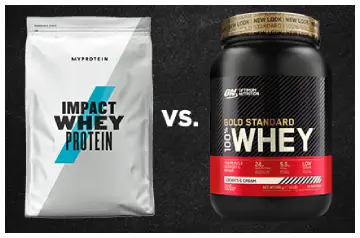
- Protein Content and Serving Size: I get noticeably more protein per scoop with Optimum Nutrition.
That extra 3g adds up when I’m hitting multiple shakes daily, making it feel more efficient for muscle repair after tough sessions.
- Ingredient Quality and Blend: ON uses a multi-source whey blend that digests smoothly.
MyProtein tends toward straightforward whey concentrate, which works fine but can feel a bit heavier for some stomachs.
- Taste and Texture: MyProtein offers bold, candy-like flavors that I enjoy when I want something fun.
ON delivers more balanced, milkshake-like creaminess that doesn’t get old.
- Price Point: MyProtein wins for stretching my budget further, especially on bigger orders or sales.
ON feels like an investment in consistency.
- Mixability and Convenience: Both mix well, but ON edges it out with almost no residue, which matters when I’m rushing post-workout.
- Brand Trust and Testing: ON has that premium reputation with rigorous checks. MyProtein delivers solid everyday performance at a friendlier cost.
Key Features Of MyProtein
- Affordable High-Volume Option: I can buy larger quantities without breaking the bank, perfect for consistent daily use.
- Wide Flavor Selection: Dozens of choices mean I rarely get bored—chocolate, strawberry, and even unique ones keep things exciting.
- Decent Macros for Everyday Needs: Low enough in carbs and fats for most cutting or maintenance phases I go through.
- Good Mixability: Blends easily with water or milk, no blender needed most days.
- Versatile Range: Beyond Impact Whey, they have isolates, clear whey, and more for different preferences.
- Accessibility: Easy to find deals and subscriptions that lower the cost even more.
These features make MyProtein a go-to when I’m focused on hitting protein targets without overthinking expenses.
Pros Of MyProtein
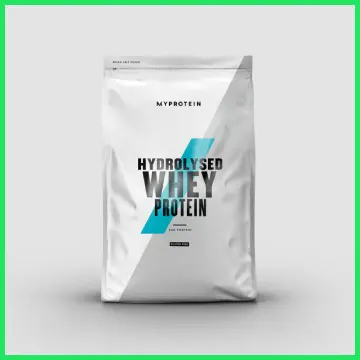
- Excellent value that lets me stock up without guilt: MyProtein consistently comes in at a lower price per serving, especially with their frequent sales, bulk options, and subscription discounts.
This has allowed me to maintain high daily protein intake without stressing about my grocery budget.
Over months, the savings add up significantly, freeing up money for other gym essentials like new training shoes or extra food.
As someone who goes through multiple tubs a month, this affordability removes any hesitation about hitting my protein targets consistently.
- Massive flavor variety keeps my routine fresh and enjoyable: With dozens of options ranging from classic chocolate and vanilla to more adventurous ones like birthday cake or salted caramel, I rarely experience flavor fatigue.
I can rotate weekly and even mix flavors for variety in smoothies or baking.
This keeps supplementation fun rather than a chore, which has helped me stick to my nutrition plan long-term during both bulking and cutting phases.
- Solid for beginners or anyone building the habit of higher protein intake: The straightforward formulation and easy mixing make it approachable.
New lifters or busy people can start without overwhelm. I’ve recommended it to friends starting their fitness journeys because it delivers reliable results at an entry-level price, encouraging consistency without intimidation.
- Quick mixing and versatile for baking or smoothies too: It blends smoothly with just a shaker bottle most times, with minimal clumps even in cold water.
I’ve used it successfully in protein pancakes, oatmeal, and yogurt bowls, adding nutritional value without changing textures much.
This versatility extends its usefulness beyond basic shakes.
- Frequent sales and bundles make it budget-friendly long-term: Their promotions often drop prices dramatically, and bundle deals for multiple supplements compound the value.
This has let me experiment with their other products like isolates or clear whey without high risk.
Cons Of MyProtein
- Slightly lower protein per scoop means I sometimes need a bit more to match goals: At around 21g per 25g serving, I occasionally need an extra half scoop during heavy training periods to hit optimal intake.
While not a dealbreaker, it makes ON feel more efficient gram-for-gram for the same effort.
- Some flavors can taste overly artificial after weeks of use: A few sweeter options start to feel cloying or chemical-like with prolonged use.
I mitigate this by rotating, but it’s something I notice more than with ON’s smoother profiles.
- Basic concentrate might cause minor bloating for sensitive stomachs: The whey concentrate base has higher lactose and fats compared to isolates, leading to occasional digestive discomfort for me or others with sensitivities.
Switching to their isolate line helps, but it costs a bit more.
- Packaging (pouches) can feel less premium than tubs: The resealable pouches are practical for storage but don’t have the same sturdy, scoop-friendly feel as ON’s tubs.
Minor spills or less convenient scooping have happened.
- Variable consistency across batches in my experience: Flavor intensity or mixability can differ slightly between purchases, though overall quality remains good.
It’s not frequent, but enough to note compared to ON’s tighter consistency.
Key Features Of Optimum Nutrition
- Premium Protein Blend: The combination of whey types gives me better amino acid delivery for recovery, which I feel helps with soreness.
- Smooth Texture and Taste: Shakes feel indulgent, like a treat rather than a chore, encouraging consistency.
- Higher Protein Density: More grams per serving means fewer scoops overall for the same results.
- Trusted Reputation: As a long-time user, I appreciate the brand’s focus on quality and banned-substance testing.
- Reliable Mixability: Dissolves almost perfectly every time, even in cold water.
- Additional Perks: Often includes digestive enzymes or better micronutrient profiles in some lines.
I reach for ON when I want that extra edge in performance and don’t mind paying a bit more.
Pros Of Optimum Nutrition
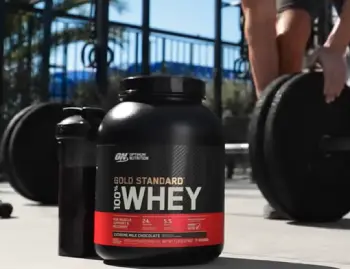
- Higher protein content supports better muscle recovery and satiety: Delivering around 24g per serving from a quality blend gives me more complete aminos for repair after intense sessions.
I feel fuller longer, which helped curb snacking during cuts and supported steady progress in strength gains. The efficiency means fewer total scoops daily for the same or better results.
- Superior blend and texture make shakes genuinely pleasant: The multi-source formula creates a creamy, milkshake-like consistency that I actually look forward to.
It mixes into a smooth drink without grittiness, elevating my post-workout ritual and encouraging adherence even on low-motivation days.
- Strong brand reliability and quality control I trust: ON’s reputation for testing and consistency gives peace of mind.
Knowing it’s a premium option with attention to detail reduces worries about fillers or underdosing, which matters when investing in supplements for long-term health and performance.
- Great for serious lifters chasing optimized results: During heavy lifting cycles, the faster-digesting elements and BCAA content seemed to reduce soreness and improve readiness for the next session.
It aligns well with advanced training demands where every gram counts.
- Minimal digestive issues for most users: The processing and blend tend to sit lighter than basic concentrates.
I’ve had fewer bloating complaints compared to some other brands, making it suitable for daily use across different meals.
Cons Of MyProtein
- Higher price per serving adds up over months: It costs noticeably more than MyProtein, which can strain budgets during high-volume phases.
While worth it for quality, the premium adds up if you’re consuming large amounts regularly.
- Fewer flavor options compared to MyProtein’s extensive lineup: The range is solid but not as expansive, leading to potential boredom if you use it exclusively for long periods.
I rotate with other brands occasionally to compensate.
- Can feel less “bang for buck” if you’re on a tight budget: For beginners or those prioritizing volume over premium features, the cost-to-protein ratio feels less favorable.
Savings from MyProtein allow buying more total protein overall.
- Larger serving size might require adjustment in recipes: The bigger scoop and serving can make it trickier to incorporate into baked goods or smaller shakes without altering macros or texture slightly.
- Availability and deals aren’t always as aggressive: While widely available, flash sales or deep discounts happen less frequently than MyProtein, making stockpiling less straightforward.
My Experience Using Both In Real Workouts
I started with MyProtein during a bulking phase where I needed tons of protein cheaply.
The Impact Whey mixed into my post-lift shakes without fuss, and the flavors motivated me to stay consistent.
I hit my daily targets easily and saw steady gains without spending a fortune.
When I switched to Optimum Nutrition for a cutting phase, the higher protein and creamier texture helped me stay full longer on fewer calories.
Soreness seemed to ease up faster, which kept my training intensity high.
Both brands delivered results, but the choice came down to context. For casual users or those watching expenses, MyProtein feels practical.
For someone chasing peak recovery and doesn’t mind the cost, ON stands out. I’ve even alternated them—MyProtein for daytime shakes and ON pre-bed for that premium feel.
Digging deeper into daily use, MyProtein’s lower cost let me experiment more with recipes like protein pancakes or overnight oats.
I appreciated not feeling restricted. ON, on the other hand, elevated my routine on heavy lifting days. The blend seemed to absorb quicker, giving me that ready-to-go energy without heaviness.
Taste fatigue is real. With MyProtein, I rotate flavors weekly to avoid burnout. ON’s smoother profiles last longer before I crave change. Both dissolve well, but ON rarely leaves any grit, which is a small win in a busy morning.
What About Other Products In Their Lines?
MyProtein shines with options like Clear Whey for lighter, juice-like drinks—great for hot days or variety. Their isolates offer lower lactose too.
Optimum Nutrition’s Gold Standard remains the flagship, but they have performance lines and isolates for specific needs. I’ve tried a few and found ON consistent across the board.
Also Read: Is MyProtein Creatine Monohydrate Worth It?
Frequently Asked Questions (FAQ)
It depends on priorities. ON often edges out in quality and protein per serving, while MyProtein wins on price and variety. Neither is universally superior.
Many people with Hashimoto’s tolerate whey fine, but it can trigger issues for some due to dairy sensitivity. Consult a doctor and consider isolates or plant alternatives if needed.
It ranks among the top for many due to quality and taste, but “best” varies by budget, goals, and preferences. It’s a strong contender.
Brands like some premium isolates or blends from smaller companies might appeal for specific needs, but ON holds its own. Test options to see what suits you.
Wrapping It Up
After all my testing and real-world use, I see strengths in both. You might prefer MyProtein if value and variety drive your decisions—I certainly do for everyday reliability.
Go with Optimum Nutrition when you want premium quality and don’t mind investing more for potentially better results.
Experiment with both if you can; that’s what worked for me. Whichever you pick, consistency with your training and diet will deliver the gains you’re after.
What matters most is finding the one you’ll actually use daily. Give one a solid try and adjust from there—you’ve got solid options either way.
Recent Posts
● Interactive 5-Zone Interior & Exterior Paint Blueprint Paint Coverage Calculator: Gallons, Primer, Square Footage & Cost Tap any architectural surface zone on the blueprint...
If you want smooth, shiny hair without spending a fortune on a premium styling tool, the Ella Bella hair dryer may be worth considering.In these Ella Bella hair dryer reviews, I’ll look...