
If you’ve been living with a tattoo you regret and the cost of professional laser removal sessions feels completely out of reach, the Neatcell Tattoo Removal device has been generating significant attention as an at-home alternative that promises real results at a fraction of the clinical price.
I’ve researched this product extensively and tested it myself, and I’m ready to give you the completely honest, unfiltered picture before you spend your money. You can find the Neatcell device on Amazon and the official Neatcell website — and understanding exactly what it can and cannot do is essential before you buy.
My Experience With Neatcell Tattoo Removal
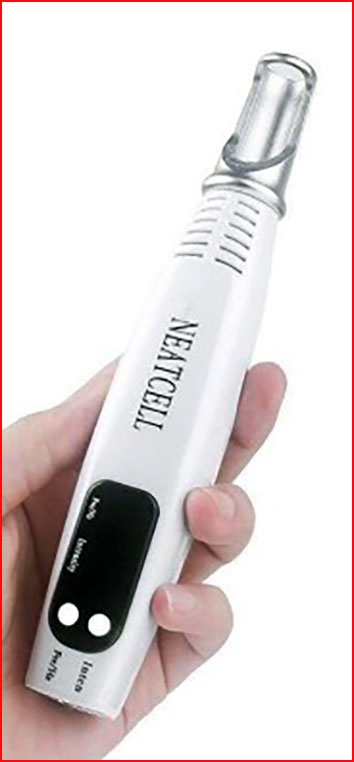
Let me give you the full context of where I was when I decided to try the Neatcell device. I have a small tattoo on my wrist — about the size of a fifty-cent piece — that I got in my early twenties and had been regretting for the better part of a decade.
It’s a simple black ink design, relatively faded with age, and located in a visible enough position that it had started affecting my professional confidence in certain work settings.
Professional laser removal was my first research direction. The quotes I received from reputable dermatology clinics in my area ranged from several hundred to over a thousand dollars per session, with estimates of six to twelve sessions needed for a tattoo of my size and ink density.
That math added up to a total investment that felt genuinely prohibitive for my current financial situation.
I came across Neatcell through an online forum where people were discussing at-home tattoo removal options.
The responses were mixed — some users reporting real progress after multiple months of consistent sessions, others reporting frustration with slow results or concerns about skin response. That mixed picture was honest enough to make me take it seriously rather than dismissing it as either a miracle or a scam.
I ordered the Neatcell picosecond pen version, which uses a blue light indicator and is marketed for tattoo removal specifically.
The device arrived with a basic instruction set that required more supplementation from online tutorials than I’d have preferred — the included guidance wasn’t comprehensive enough for a first-time user to feel fully confident about technique and settings before starting.
My first session was cautious and short. I started at the lowest intensity setting, worked over a small section of the tattoo for a few minutes, and immediately applied a soothing cream afterward.
The sensation was sharp and quick — similar to a rubber band snap repeated rapidly — and genuinely uncomfortable but manageable for brief sessions at lower intensity settings.
In the weeks following my first session, I noticed some lightening in the treated area — subtle but visible when I compared photos taken before and after. I progressed through additional sessions with four to six week gaps between each to allow my skin to recover fully before retreating the same area.
After six months and multiple sessions, the tattoo was noticeably lighter — not gone, but meaningfully faded in a way that required less effort to cover with makeup on days when I wanted it less visible.
The results were real, but I want to be honest with you: the process is slow, requires patience and careful technique, and carries skin risks that need to be understood and respected before you start.
Read More: My Experience with Dragonhawk Tattoo Machine
Pros Of Neatcell Tattoo Removal
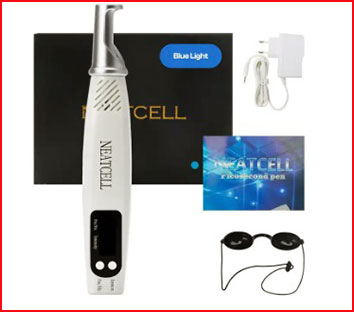
- Dramatically Lower Cost Than Professional Removal: The one-time device purchase cost is a fraction of what multiple professional laser sessions would cost for even a small tattoo — for financially constrained users, this makes meaningful tattoo fading a realistic possibility.
- Usable At Home On Your Own Schedule: Professional laser sessions require appointments, travel, and availability alignment with a clinic schedule — Neatcell lets you treat at home whenever your skin has had sufficient recovery time between sessions.
- Picosecond Technology At Consumer Level: The picosecond pulse technology in the Neatcell pen is the same basic mechanism used in professional laser removal systems — ultra-short pulses that shatter tattoo ink particles for the body’s immune system to clear naturally over time.
- Visible Fading Results With Consistent Use: For small, older, or faded tattoos with black or dark ink, consistent and correctly applied Neatcell sessions produce measurable fading over several months of patient, disciplined use.
- Works On Age Spots And Skin Pigmentation Too: Beyond tattoo removal, many users apply the Neatcell to age spots, sun spots, and hyperpigmentation — broadening its utility beyond the single tattoo removal use case that its primary marketing addresses.
- Compact And Portable Design: The pen-sized device is easy to store, handle during self-treatment, and transport — a practical form factor for a device you’ll use periodically over an extended treatment timeline rather than daily.
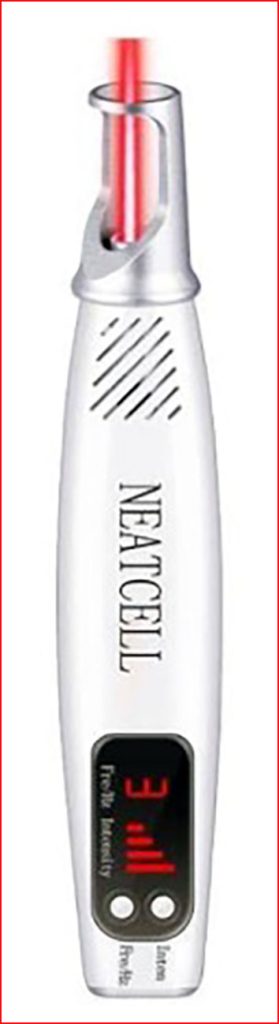
- Multiple Intensity Settings For Gradual Progression: Starting at lower intensity and progressively working up as your skin acclimates gives you control over the treatment aggressiveness that a fixed-intensity device wouldn’t provide — an important safety feature for at-home use.
- Reusable Across Multiple Treatment Areas: Unlike single-use removal products, the Neatcell device can be used repeatedly across multiple tattoos or pigmentation areas — maximizing the value of the initial purchase over an extended ownership period.
- Results Visible In Before And After Photo Comparison: The fading process is gradual enough to miss day-to-day, but side-by-side photos taken before treatment and after several months of sessions reveal meaningful, documentable progress that confirms the device is producing real effects.
Cons Of Neatcell Tattoo Removal
- Not A Complete Removal Solution For Most Tattoos: For most tattoo sizes, depths, and ink colors, Neatcell will produce fading rather than complete removal — managing this expectation honestly is critical before purchasing, as complete removal requires professional clinical equipment.
- Significant Skin Risk If Used Incorrectly: Improper technique, too-frequent sessions, incorrect intensity settings, or inadequate aftercare can cause burns, scarring, hypopigmentation, and permanent skin damage that is worse than the tattoo you were trying to remove.
- Colored Inks Respond Poorly Or Not At All: Neatcell is most effective on black and dark inks — colored tattoos, particularly yellows, greens, and light blues, respond significantly less to the wavelength the device uses and may show little to no fading regardless of session frequency.
- Instruction Documentation Is Inadequate: The included instructions don’t provide enough technique detail, session spacing guidance, or aftercare protocol for a first-time user to proceed confidently without supplementing with external research and tutorial resources.
- Pain Level Is Significant At Higher Intensities: The rubber-band-snap sensation at lower settings is manageable but uncomfortable — at higher intensity settings needed for deeper or denser ink, the discomfort increases substantially and requires genuine tolerance to work through consistently.
- Results Are Slow And Require Months Of Patience: Visible results require multiple sessions spaced weeks apart — users expecting dramatic results within a month will be genuinely disappointed by how gradual the fading process is even under ideal application conditions.
- No Professional Oversight Or Safety Monitoring: Unlike clinical laser removal where a trained professional assesses your skin’s response between sessions, at-home use means you’re making all safety and progression decisions yourself without any professional guidance.
- Device Quality Consistency Can Vary Between Units: Some users report receiving units that perform inconsistently or that show reduced output compared to what online reviews describe — quality control variability across production batches is a concern with consumer-grade devices in this category.
Maintenance Tips For Neatcell Tattoo Removal
Always Perform A Patch Test Before Full Sessions: Before treating your tattoo directly, test the device on a small inconspicuous area of skin at your planned intensity setting and wait 48 hours to observe how your skin responds before proceeding with full tattoo treatment sessions — this single step prevents the most serious skin damage outcomes.
Space Sessions A Minimum Of Four To Six Weeks Apart: Your skin needs adequate recovery time between sessions for treated areas to heal completely, for the immune system to clear shattered ink particles, and for any inflammation to resolve fully before the same area is exposed to another treatment session.
Apply Numbing Cream Before Each Session: A topical numbing cream applied thirty to forty-five minutes before treatment significantly reduces the discomfort of the picosecond pulses and allows you to work more thoroughly and consistently across the treatment area without the pain causing you to rush or skip sections.
Keep The Treatment Area Clean And Moisturized After Sessions: Immediately after treatment, clean the area gently with a mild antiseptic, apply a soothing cream or aloe vera gel, and keep it consistently moisturized during the healing period — healthy, well-hydrated skin heals more effectively and reduces the risk of post-treatment complications.
Protect The Treated Area From Sun Exposure During Healing: UV exposure on treated skin significantly increases the risk of hyperpigmentation and slows the healing process — keep treated areas covered or apply high-SPF sunscreen religiously throughout your entire treatment period and recovery phases between sessions.
Document Your Progress With Consistent Before And After Photos: Take photos in the same lighting, distance, and angle before every session to create an accurate visual record of your progress — the fading is gradual enough that without photographic comparison it’s genuinely difficult to assess how much progress each session is producing.
Keep The Device Tip Clean Between Uses: Wipe the treatment tip with an alcohol swab before and after each session to maintain hygiene and prevent any skin debris or residue from affecting the device’s output consistency or creating infection risk during subsequent treatment sessions.
Start At The Lowest Effective Intensity Setting: Resist the temptation to start at high intensity settings to accelerate results — beginning conservatively, observing your skin’s response, and progressing gradually protects against the burns and scarring that most Neatcell-related skin damage incidents trace back to overly aggressive early sessions.
Comparison With Other Brands
Versus Professional Clinic Laser Removal: Professional Q-switched and picosecond laser systems used in dermatology clinics operate at significantly higher energy levels with wavelengths specifically calibrated to different ink colors — they produce faster, more complete results with professional oversight that prevents the safety risks inherent in unmonitored at-home use.
Neatcell’s advantage is cost accessibility; professional removal’s advantage is everything else — speed, completeness, safety, and the ability to treat colored inks that consumer devices cannot address effectively.
Versus Tktx Tattoo Removal Cream: Tattoo removal creams represent a completely different and significantly less effective approach — they work on the skin’s surface layer and cannot penetrate to the dermal depth where tattoo ink is deposited, making them unable to produce the ink fragmentation that either professional or consumer picosecond devices achieve through light-based energy.
Neatcell’s picosecond technology is fundamentally more appropriate for tattoo removal than any topical cream regardless of the ingredients those creams contain or the claims their marketing makes.
Versus Picoway And Picosure Professional Systems: PicoWay and PicoSure are the gold-standard professional picosecond laser systems used in leading dermatology practices worldwide, and they represent the upper tier of clinical tattoo removal technology available today.
These systems operate at energy levels orders of magnitude higher than the Neatcell device, treat a full range of ink colors through multiple wavelength options, and produce results in fewer sessions with professional safety protocols throughout — Neatcell is best understood as a budget fading tool rather than a consumer equivalent of these clinical-grade systems.
Versus Laser Away Professional Services: LaserAway is one of the most recognized professional tattoo removal service chains in the United States, offering accessible clinic-based removal with standardized protocols and trained technicians.
Their session costs are significant but their results are measurably more comprehensive and consistent than at-home devices — Neatcell suits users who cannot access or afford professional services, while LaserAway suits users who prioritize results and safety above cost and want professional accountability throughout their removal journey.
Also Read: My thoughts on Blue Pure Mini Max Air Purifier
Frequently Asked Questions (FAQ)
Neatcell can be used safely when proper technique, conservative intensity settings, adequate session spacing, and thorough aftercare protocols are followed consistently — however, incorrect use carries real risks of burns, scarring, and hypopigmentation that make responsible, informed use non-negotiable before starting any treatment session.
Complete 100% removal is achievable for many tattoos through professional clinical laser treatment across multiple sessions, but at-home devices like Neatcell realistically produce meaningful fading rather than complete removal for most tattoo sizes, depths, and ink color combinations.
Neatcell uses picosecond pulse technology — the same basic mechanism as professional picosecond laser systems like PicoSure — delivering ultra-short energy pulses that shatter tattoo ink particles into fragments small enough for the body’s lymphatic system to gradually clear from the skin.
Former model and television personality Marc Buckner became widely known for spending an estimated $200,000 on tattoo removal procedures after extensively tattooing his body — his case became a frequently cited example of both the extreme cost potential of professional removal and the significant commitment that comprehensive tattoo removal requires.
Conclusion
After months of honest, patient testing, I can tell you the Neatcell device produces real fading results for small, dark-ink tattoos when used correctly — but it requires realistic expectations, careful technique, and genuine patience. It’s not a professional replacement, but it’s a legitimate option for budget-conscious users. Find it on Amazon or the Neatcell website — just go in fully informed and proceed carefully with your skin’s safety as the absolute priority.
Recent Posts
● Interactive 5-Zone Interior & Exterior Paint Blueprint Paint Coverage Calculator: Gallons, Primer, Square Footage & Cost Tap any architectural surface zone on the blueprint...
If you want smooth, shiny hair without spending a fortune on a premium styling tool, the Ella Bella hair dryer may be worth considering.In these Ella Bella hair dryer reviews, I’ll look...