
If you love fresh, homemade bread but don’t want to spend hours kneading dough and watching the oven, a Neretva bread maker may be worth considering.
In my view, it’s an appealing option for busy households, beginners, and anyone who wants more control over ingredients. Before you buy, though, consider its loaf capacity, available programs, ease of cleaning, and long-term durability.
My recommendation is to consider Neretva if you want convenient bread-making features at a budget-friendly price, while comparing its performance with more established brands before making your final decision.
My First Experience With The Neretva Bread Maker
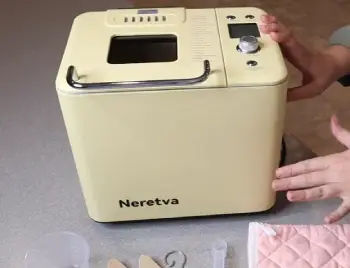
When I evaluate a bread maker, I look beyond its appearance and advertised features.
What matters most is whether it can make everyday bread without turning a simple kitchen task into a frustrating project. That’s the standard I’d use when assessing the Neretva bread maker.
The first thing that attracts me to this type of machine is convenience. Instead of mixing flour, measuring ingredients repeatedly, kneading dough by hand, and monitoring the oven,
I can put the ingredients into the bread pan, choose a suitable program, and let the machine handle most of the process.
For someone with a busy schedule, that convenience can make homemade bread feel much more achievable.
My first priority would be understanding the controls and choosing a basic white bread recipe. Bread makers generally offer preset programs that coordinate mixing, kneading, rising, and baking.
Depending on the specific Neretva model, you may also find options for whole-wheat bread, sweet bread, dough preparation, and other recipes.
I wouldn’t begin with a complicated recipe. I’d start with a straightforward loaf and follow the ingredient measurements carefully. Bread-making depends on proportions, and even a small difference in flour or liquid can affect the final texture.
I’d also check the dough during the early kneading stage if the model allows it. The dough should generally form a cohesive ball rather than remain excessively wet or crumble into dry pieces. Small adjustments can help, but I would avoid adding too much flour or water at once.
Pros Of The Neretva Bread Maker
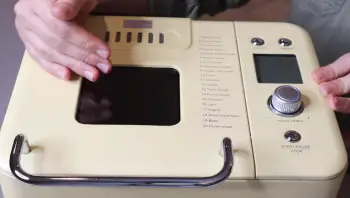
- Convenient Automatic Bread Making
The biggest advantage of a bread maker is how much manual work it removes from the process.
You don’t need to stand over a mixing bowl, knead dough by hand, or repeatedly check whether the dough has risen enough.
Once you’ve measured your ingredients and selected the appropriate program, the machine takes care of most of the work.
For me, that convenience is particularly attractive on busy weekdays. You can prepare ingredients in the morning or evening and let the machine handle the scheduled baking process, provided your chosen model supports the timing you need.
This feature also makes homemade bread more accessible to people who enjoy fresh food but don’t have the patience for traditional baking. If you’ve ever abandoned a bread recipe because it required too much attention, an automatic bread maker could make the experience easier.
- Greater Control Over Ingredients
Another advantage is the ability to choose what goes into your bread. Store-bought loaves can contain ingredients you may prefer to avoid, including certain preservatives, sweeteners, or dough conditioners.
With a Neretva bread maker, you can prepare recipes using your preferred flour, oil, salt, sugar, and other ingredients. You can experiment with whole-wheat flour, seeds, herbs, or other additions that suit your household.
I particularly appreciate this flexibility because bread doesn’t have to taste the same every time. You can make a simple sandwich loaf during the week and try a more flavorful recipe when you have time to experiment.
Of course, homemade bread isn’t automatically healthier. The nutritional value still depends on the ingredients and portion sizes you choose. However, having control over the recipe gives you more opportunities to make informed choices.
- Multiple Programs for Different Recipes
One reason I would consider a programmable bread maker is its potential versatility. Depending on the Neretva model, available programs may cover several bread styles, dough preparation, or other baking functions.
A dough program can be particularly useful if you enjoy making pizza, rolls, or buns. Instead of kneading everything manually, you can use the machine to prepare the dough and finish shaping and baking it separately.
Specialized settings can also reduce guesswork. Whole-wheat bread, for example, behaves differently from basic white bread because the flour absorbs water differently and contains more bran. A suitable preset can help coordinate the stages of the baking process.
Still, I wouldn’t assume every Neretva machine includes the same programs. Check the specifications of your exact model rather than relying on a general product description.
- Potentially Good Value for Money
Budget matters when you’re buying a kitchen appliance that you may not use every day. Neretva is worth comparing with more expensive bread makers if you want automatic baking without paying a premium for a well-established brand.
The important question isn’t simply whether the purchase price is low. I would compare the available programs, loaf sizes, build quality, warranty, replacement parts, and expected frequency of use.
If you plan to bake several times each week, convenience may justify the cost more easily than if you only make bread once every few months. You should also consider the cost of flour, yeast, electricity, and any ingredients required for your preferred recipes.
A lower-priced model can represent good value if it meets your needs reliably. However, a cheaper machine isn’t necessarily a better purchase if replacement parts are difficult to obtain or the warranty is limited.
- Useful for Different Household Needs
A bread maker can suit different routines. Families may appreciate being able to prepare bread for breakfast and sandwiches, while smaller households may enjoy making occasional specialty loaves.
If your household has particular food preferences, you can adjust recipes to suit them. You might prefer a less sweet loaf, a denser whole-wheat bread, or a softer texture for toast.
The machine may also encourage you to experiment with baking instead of repeatedly buying the same type of bread. That can be rewarding if you enjoy learning through trial and error.
Before buying, however, I would check the maximum and minimum loaf sizes. A machine that produces larger loaves than you can consume may create unnecessary waste, while a small-capacity model may not meet the needs of a large family.
Cons Of The Neretva Bread Maker
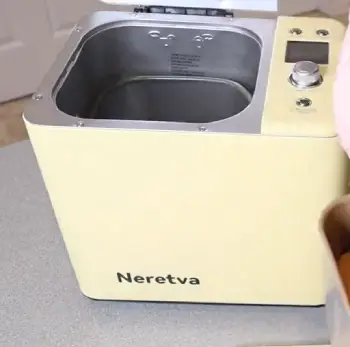
- Results Depend on Accurate Measurements
Automatic bread making still requires attention to ingredients. Too much water can create sticky dough, while too much flour can produce a dry, dense loaf.
Old yeast may prevent the dough from rising properly, and excessive sugar or salt can affect fermentation.
This means you may need a few attempts to find the right ingredient ratios for your favorite recipes. If you expect every loaf to turn out perfectly without measuring carefully, the experience could disappoint you.
- Limited Control Over the Baking Process
A bread maker follows programmed stages rather than responding to the dough in exactly the same way an experienced baker would.
Different flours, room temperatures, and recipes can produce different results. Although you can adjust ingredients and select appropriate settings, you won’t always have the same flexibility as you would with conventional baking.
Some people also prefer to shape their own loaves or create distinctive crusts. If you enjoy that level of control, a bread machine may feel restrictive.
- Counter Space and Storage
A bread maker needs a stable, heat-resistant place to operate. Its footprint can be inconvenient if your kitchen has limited counter space.
You also need room to store the bread pan, measuring accessories, and ingredients. If you only bake occasionally, keeping the machine accessible may be less convenient than expected.
Before purchasing, measure your available space and check the machine’s dimensions, including any clearance required around its vents.
- Questions About Long-Term Durability
One of my main considerations with a less familiar appliance brand would be long-term support. The quality of a particular machine depends on its construction, components, manufacturing consistency, and how carefully it’s maintained.
I wouldn’t automatically assume a Neretva bread maker will fail early, but I also wouldn’t assume it will last as long as a premium competitor without supporting evidence.
Check the warranty terms, seller’s return policy, and availability of replacement bread pans or kneading paddles. These details become especially important if you intend to use the machine frequently.
- Bread Pan Cleaning Can Require Care
The bread pan and kneading paddle come into direct contact with ingredients and baked dough. Small pieces of bread can become stuck around the paddle shaft, making cleanup slightly awkward.
If the pan has a nonstick coating, aggressive scrubbing or metal utensils may damage it. You should follow the manufacturer’s cleaning instructions rather than treating the pan like ordinary cookware.
- The Machine May Not Save Money Immediately
Homemade bread can offer ingredient control and convenience, but savings aren’t guaranteed. The purchase price, ingredients, electricity, and replacement accessories all contribute to the total cost.
If inexpensive commercial bread is readily available where you live, the financial benefit may be modest. I would buy a Neretva bread maker primarily because I want homemade bread and the convenience of automation, rather than assuming it will always be the cheapest option.
Maintenance For The Neretva Bread Maker
- Clean the Bread Pan After Every Use
Allow the bread pan to cool before handling it. Remove the loaf and kneading paddle according to the instructions, then clean the removable parts using the recommended method.
For a nonstick pan, a soft sponge and mild dish soap are generally preferable to abrasive scouring pads. Avoid metal scrapers that could scratch the coating.
If bread has become stuck around the paddle, allow the residue to soften rather than forcing it loose. Follow the model’s instructions for soaking, since some components should not remain submerged for extended periods.
Dry the pan thoroughly before putting it away. This simple habit helps prevent moisture from lingering around the components.
- Check the Kneading Paddle and Shaft
The kneading paddle performs an essential job: mixing ingredients and developing the dough. If it becomes difficult to remove or starts making unusual noises, inspect it after disconnecting the machine from the power supply and allowing it to cool.
Look for dried dough around the paddle and shaft. Carefully remove any residue without scratching the surfaces or forcing a stuck component.
I would also check whether the paddle fits securely before beginning a new baking cycle. A poorly seated paddle may affect mixing and lead to uneven results.
Don’t apply oils or lubricants unless the manufacturer specifically recommends them. An unnecessary lubricant can contaminate food or damage components.
- Keep the Interior Free of Flour and Crumbs
Loose flour and crumbs can collect inside the baking chamber, particularly around the heating element or the bottom of the machine.
Unplug the bread maker and let it cool completely before cleaning the interior. Use a soft, dry cloth or another method approved by the manufacturer to remove loose debris.
Never pour water into the baking chamber or immerse the main unit in water. The electrical components need to remain dry.
If you notice smoke or a burning smell during operation, stop using the machine if it is safe to do so, disconnect the power, and investigate only after it has cooled. Persistent electrical odors or unusual heating warrant professional assistance or contact with the seller.
- Measure Ingredients Carefully
Maintenance isn’t limited to cleaning. Good operating habits can also help protect the machine from unnecessary strain.
Use accurate measuring tools and follow recipes designed for your model’s capacity. Excessive ingredients can cause dough to overflow or interfere with normal mixing.
Pay attention to flour and yeast storage as well. Keep flour sealed and dry, and store yeast according to its packaging instructions. Fresh ingredients improve consistency and make it easier to identify whether a problem comes from the recipe or the appliance.
If the dough repeatedly struggles to mix, check the ingredient quantities and make sure you haven’t exceeded the recommended loaf size before assuming the machine has a mechanical problem.
- Protect the Appliance From Heat and Moisture
Place the bread maker on a stable, level surface with adequate clearance around its vents. Avoid positioning it next to a sink where water could splash onto the controls or electrical connections.
Don’t cover the vents while the machine is operating. Heat needs to escape properly, and blocked airflow can interfere with normal operation.
I would also avoid placing the machine directly beside another appliance that generates substantial heat. Once baking finishes, let the unit cool before storing it or moving it to another location.
Comparison Of Neretva Bread Maker With Other Brands
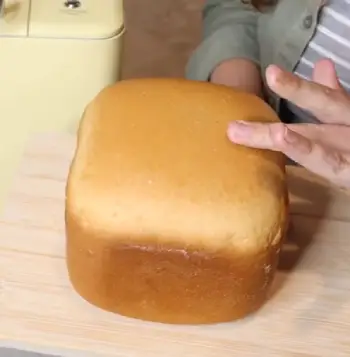
- Neretva vs. Zojirushi Bread Maker
Zojirushi is a well-established name in bread-making appliances, particularly for buyers who want a more premium machine.
Depending on the model, its bread makers offer specialized programs, sophisticated controls, and features designed to support consistent baking.
Neretva is worth considering if your priority is getting useful automatic baking functions without spending as much.
However, exact prices and capabilities vary, so I would compare specific models rather than assume every Neretva machine is cheaper or less capable.
If I baked bread frequently and wanted specialized programs, I would give Zojirushi serious consideration. If I mainly wanted everyday homemade loaves and a more budget-conscious purchase, I would investigate Neretva first.
My verdict: Zojirushi is worth considering for buyers who prioritize premium features and established brand experience. Neretva may be a better fit for buyers whose needs are simpler and whose budget is tighter.
- Neretva vs. Cuisinart Bread Maker
Cuisinart offers bread makers aimed at everyday home cooks, with features that vary by model.
Its established presence in the kitchen appliance market may make it easier for some buyers to compare product options and obtain customer support.
Neretva may appeal to shoppers who find a suitable combination of loaf capacity, automatic programs, and price.
I would compare the included settings, controls, cleaning requirements, and warranty before deciding which machine offers better value.
For a beginner, both brands may provide a convenient way to prepare bread at home. What matters is whether the selected model can handle your preferred recipes and produce an appropriate loaf size.
My verdict: Consider Cuisinart if you prefer an established kitchen appliance brand. Consider Neretva if its particular model offers the features you need at a more attractive overall cost.
- Neretva vs. Hamilton Beach Bread Maker
Hamilton Beach is another brand worth considering when shopping for an accessible home bread maker. Its bread machines include models designed around straightforward operation and everyday baking.
The comparison with Neretva comes down to practical value. A machine with many preset programs isn’t necessarily better if you only bake basic white or whole-wheat bread. Likewise, a simple machine may not satisfy you if you regularly experiment with specialty recipes.
I would compare the actual controls, loaf-size options, crust settings, and warranty coverage. Replacement parts and service availability should also influence your decision.
My verdict: Both brands deserve consideration in the everyday bread-maker category. Choose the model that best matches your recipes and offers the strongest combination of price, support, and useful features.
- Neretva vs. Panasonic Bread Maker
Panasonic offers bread makers with features that vary by model and market. Some are designed to accommodate different bread styles and ingredients, making them attractive to people who enjoy experimenting with recipes.
Neretva may be appealing when you want a more affordable entry into automated baking. Panasonic could be preferable if a particular model offers a specialized program or control feature that matters to you.
I would also consider whether recipes and instructions are easy to follow. A well-designed manual and reliable troubleshooting guidance can be particularly helpful when you’re trying whole-grain recipes or unfamiliar ingredients.
My verdict: Panasonic is worth comparing if recipe versatility is important to you. Neretva remains a candidate for budget-conscious buyers, provided the particular model meets their needs.
Also Read: Is KBS Bread Machine Worth It?
Frequently Asked Questions (FAQ)
Zojirushi, Panasonic, Cuisinart, and Hamilton Beach are worth comparing. The best choice depends on the specific model, user feedback, features, and budget.
Zojirushi is worth considering for premium features and established brand experience. Neretva may suit buyers looking for a more budget-conscious option.
Neretva is the brand under which these bread makers are sold. The exact legal manufacturer or parent company should be confirmed through the product packaging or manufacturer information for the specific model.
The country of manufacture should be verified on the machine’s rating label or packaging. Don’t assume the manufacturing location based on the brand name alone.
Wrapping Up
My overall recommendation is to consider a Neretva bread maker if you want convenient homemade bread, control over ingredients, and useful automatic baking features at a potentially accessible price.
Before buying, compare the exact model with alternatives from Zojirushi, Cuisinart, Panasonic, and Hamilton Beach.
Pay particular attention to loaf capacity, cleaning, warranty coverage, and replacement parts. If those details meet your needs, Neretva could be a practical addition to your kitchen.
Recent Posts
● Interactive 5-Zone Interior & Exterior Paint Blueprint Paint Coverage Calculator: Gallons, Primer, Square Footage & Cost Tap any architectural surface zone on the blueprint...
If you want smooth, shiny hair without spending a fortune on a premium styling tool, the Ella Bella hair dryer may be worth considering.In these Ella Bella hair dryer reviews, I’ll look...