
If you want a brighter smile and cleaner-looking teeth, Nicotex Stain Removal Toothpaste might catch your attention. However, based on the negative customer feedback you mentioned, I would be cautious about recommending it.
Although stain-removing toothpaste can help with certain surface stains, results depend on the formula, brushing habits, and type of discoloration.
I would compare Nicotex with better-established alternatives before spending money on it. If you want dependable everyday oral care, I recommend prioritizing a fluoride toothpaste with clear ingredient information and a track record of customer satisfaction.
My First Experience With Nicotex Stain Removal Toothpaste
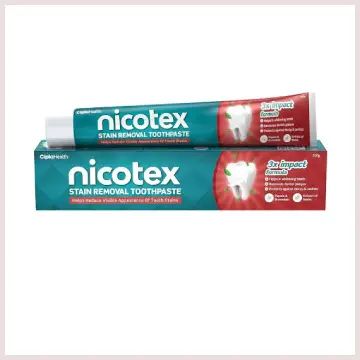
When I evaluate a stain-removing toothpaste, I look beyond the promise of whiter teeth.
I want to know whether it cleans effectively, feels comfortable during brushing, leaves my mouth feeling fresh, and offers reasonable value for the money.
I also pay attention to customer complaints because a product’s marketing claims do not always reflect what people experience after using it regularly.
With Nicotex Stain Removal Toothpaste, my biggest concern is whether the product consistently delivers the results buyers expect.
Since you have indicated that it has received negative reviews on various ecommerce platforms, I would not present it as a proven whitening solution.
Those reviews are a reason to investigate further, although they do not establish that every customer will have the same experience.
When I purchase toothpaste for stain removal, I expect it to help reduce everyday surface discoloration caused by foods, drinks, and other common staining substances. Coffee, tea, dark-colored beverages, and certain foods can gradually leave marks on the outer surfaces of teeth.
A suitable toothpaste should remove ordinary plaque and food debris while helping to keep teeth looking clean. If it contains fluoride, it can also help protect against tooth decay when used as directed.
However, I would not expect any ordinary toothpaste to transform naturally yellow teeth into dramatically white teeth overnight. Toothpaste mainly works on surface stains. Discoloration originating inside the tooth may require a different approach.
That distinction matters when evaluating Nicotex. If a product promises noticeable whitening, I want to understand whether its ingredients and intended use support realistic results. I would also look for clear directions, appropriate warnings, and information about its abrasive ingredients.
Pros Of Nicotex Stain Removal Toothpaste
- Convenient for Everyday Brushing
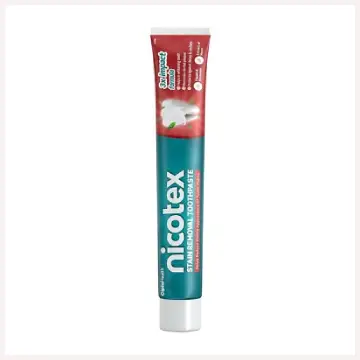
The main attraction of a stain-removing toothpaste is convenience. You can incorporate it into your usual oral hygiene routine instead of adding a separate whitening step.
For someone who already brushes twice daily, an appropriate stain-removing formula may help manage minor surface discoloration without requiring a complicated routine.
That convenience is appealing, especially if you want to maintain a clean-looking smile while continuing to enjoy tea, coffee, or other foods that can stain teeth.
However, convenience alone does not make Nicotex a worthwhile purchase. I would still compare its ingredients, customer feedback, and price with those of more established alternatives.
- May Help Reduce Certain Surface Stains
A properly formulated toothpaste can help remove some stains that develop on the outer surfaces of teeth.
This is useful when discoloration comes from everyday habits rather than changes inside the tooth. Regular brushing, combined with appropriate cleaning ingredients, may gradually improve the appearance of mild stains.
The important word is may. Different products perform differently, and not every stain responds equally well to toothpaste.
I would not assume that Nicotex provides the same results as a clinically evaluated stain-removing toothpaste simply because both products target discoloration.
- Can Fit Into a Simple Oral Care Routine
Many people prefer straightforward products that serve a clear purpose. A toothpaste designed to clean teeth and address surface stains can fit naturally into a morning and evening routine.
There is no need to introduce an additional product if your existing toothpaste already meets your oral health needs.
For Nicotex, though, I would first verify the ingredients and intended frequency of use. A stain-removing product should not replace essential oral hygiene practices or encourage excessively aggressive brushing.
- May Appeal to People Concerned About Tooth Appearance
Visible stains can make people feel self-conscious about smiling, particularly in photographs or social situations.
A suitable toothpaste may help improve the appearance of mild external discoloration over time. That can be a practical starting point for someone who wants to maintain cleaner-looking teeth without immediately considering professional cosmetic treatment.
Still, I would keep expectations realistic. Toothpaste cannot reliably correct every cause of discoloration, and the results are generally more limited than those available from appropriate professional whitening treatments.
- Offers a Potentially Affordable Approach to Surface Cleaning
Toothpaste is usually a more accessible purchase than professional cosmetic procedures. For mild surface stains, using an appropriate everyday toothpaste may be a reasonable first step.
However, affordability must be considered alongside effectiveness. A low-cost product that disappoints you may not offer better value than a slightly more expensive alternative with clear ingredients and a stronger record of customer satisfaction.
Since the customer feedback you mentioned raises concerns about Nicotex, I would not treat its price or stain-removal positioning as sufficient reasons to buy it.
- Encourages Attention to Oral Hygiene
Shopping for stain-removing toothpaste can encourage people to pay closer attention to brushing habits, food-related staining, and routine dental care.
That is a positive outcome regardless of which toothpaste you ultimately choose.
I would use the purchasing process as an opportunity to check for fluoride, review brushing instructions, and consider whether a dental cleaning might be more appropriate for stubborn deposits.
Ultimately, the potential benefits of stain-removing toothpaste are real, but they depend on selecting a suitable product. Nicotex has not demonstrated enough verified advantages here for me to recommend it over better-supported alternatives.
Cons Of Nicotex Stain Removal Toothpaste
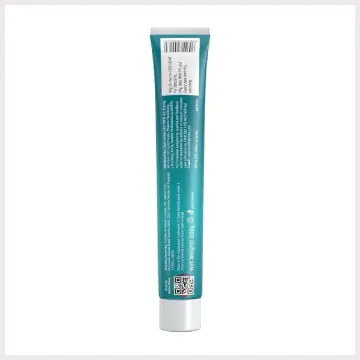
- Customer Satisfaction Is a Concern
Negative reviews can provide useful information about whether a product meets buyers’ expectations.
Before purchasing Nicotex, I would look for repeated complaints about cleaning performance, taste, texture, packaging, or value.
I would also distinguish between issues involving the product itself and complaints related to delivery or seller service.
I cannot verify the precise number, content, or causes of Nicotex’s negative reviews here. Therefore, I would not claim that a particular defect has been conclusively established.
Nevertheless, when a product already raises concerns about customer satisfaction, I would want convincing evidence of its benefits before choosing it over alternatives.
- Whitening Results May Be Limited
A stain-removing toothpaste is not the same as a professional whitening treatment.
Most toothpaste-based stain removal focuses on external discoloration. If your teeth are naturally yellow or have deeper discoloration, you may not notice the dramatic improvement you want.
This limitation applies to the product category rather than proving a specific weakness in Nicotex. Still, I would be cautious about purchasing any toothpaste on the assumption that it can deliver a substantially whiter smile in a few days.
- Ingredient Transparency Matters
When I choose toothpaste, I want to understand what I am putting in my mouth.
The packaging should clearly identify the ingredients, provide directions, and include relevant warnings. I would particularly check for fluoride if I wanted a toothpaste for routine cavity prevention.
For stain removal, I would also consider the polishing ingredients and the manufacturer’s guidance on frequency of use.
Without verified details about Nicotex’s current formulation, I cannot confidently evaluate its abrasive properties, fluoride content, or suitability for particular dental needs.
That uncertainty is another reason I would prefer a product with clear labeling and readily available product information.
- Excessive Abrasion Can Be a Problem
Some stain-removing toothpastes use abrasive ingredients to help polish away surface deposits. Appropriate abrasivity can support cleaning, but a product’s suitability depends on its formulation and how it is used.
Overly aggressive brushing can contribute to enamel wear and gum recession. Exposed dentin may also become sensitive.
I cannot conclude that Nicotex is excessively abrasive without reliable formulation data or testing. However, I would avoid any stain-removing toothpaste that causes discomfort or encourages aggressive scrubbing.
A brighter-looking smile is not worth compromising your long-term oral health.
- It May Not Address the Cause of Discoloration
Not all tooth stains have the same cause.
Surface deposits may respond to regular brushing or professional cleaning. Deeper discoloration may require a dental assessment to identify the underlying issue.
If you have persistent brown, gray, or localized dark areas, simply switching toothpaste may not solve the problem.
I would not keep using Nicotex in the hope that it will eventually remove stains that are not responding. A dentist can help determine whether the discoloration is caused by external staining, tartar, decay, trauma, or another condition.
Maintenance Tips For Nicotex Stain Removal Toothpaste
- Brush Twice Daily With a Suitable Fluoride Toothpaste
I would make consistent brushing the foundation of any oral care routine.
Brush twice daily for approximately two minutes using a soft-bristled toothbrush and a fluoride toothpaste suitable for your age and dental needs. Use gentle, controlled movements rather than scrubbing forcefully.
Pay attention to the gumline and the outer surfaces of your teeth, where plaque and stains can accumulate.
If you choose a stain-removing toothpaste, follow its instructions and stop using it if it causes persistent irritation or sensitivity.
You do not need to brush harder to get cleaner teeth. Consistency and technique matter more than force.
- Clean Between Your Teeth Every Day
A toothbrush cannot effectively reach every space between teeth.
Floss or use an appropriate interdental cleaner daily to remove food particles and plaque from areas where stains and deposits may accumulate.
This habit supports gum health and helps keep your mouth clean. It may not directly whiten your teeth, but it addresses areas that ordinary brushing can miss.
I would rather maintain a complete oral hygiene routine with a dependable toothpaste than rely on a specialized stain-removal product alone.
3. Reduce Frequent Exposure to Staining Drinks
Coffee, tea, red wine, and some dark-colored beverages can contribute to surface discoloration.
You do not necessarily need to eliminate every drink you enjoy. Instead, consider reducing prolonged exposure and drinking water afterward.
Water helps rinse away some remaining food and beverage residue. It also supports hydration without adding the pigments found in many colored drinks.
If you consume staining beverages regularly, consistent brushing and routine dental care become particularly important.
- Avoid Brushing Too Hard
It can be tempting to apply extra pressure when trying to remove stubborn stains, but this approach can harm your gums and teeth.
Use a soft-bristled brush and gentle pressure. If you tend to brush aggressively, consider an electric toothbrush with a pressure sensor.
I would also avoid combining multiple abrasive products in an attempt to accelerate whitening.
If your teeth become sensitive, stop using products that appear to trigger the problem and consult a dentist if the symptoms persist.
- Do Not Use Charcoal or Household Abrasives as Whitening Shortcuts
Homemade whitening methods can seem inexpensive, but they are not automatically safe.
I would avoid scrubbing teeth with household baking soda mixtures, charcoal powders of uncertain abrasivity, or other untested substances as a replacement for established oral care products.
Some ingredients can be abrasive, and homemade mixtures may not provide fluoride protection.
For predictable everyday cleaning, a properly formulated toothpaste is a more sensible choice. For significant discoloration, ask a dentist about suitable whitening options.
- Schedule Regular Dental Checkups
Professional dental care can address problems that toothpaste cannot resolve.
A dentist or dental hygienist can remove hardened tartar and assess stains that remain despite regular brushing. They can also identify signs of decay, gum disease, or enamel damage.
The appropriate frequency of visits depends on your oral health and your dentist’s advice.
If you have persistent discoloration, bleeding gums, tooth pain, or sensitivity, do not assume that a stronger whitening toothpaste is the solution.
- Store Your Toothpaste Correctly
Proper storage helps keep toothpaste clean and usable.
Close the cap after each use, avoid sharing tubes, and store the product according to its packaging instructions. Keep it away from excessive heat and direct sunlight.
Check the expiration date and discard products that have expired or whose packaging has been damaged.
If you purchase Nicotex or another stain-removing toothpaste, inspect the seal and packaging before use. Do not use a product if its contents appear unusual or the packaging raises concerns.
Comparison Of Nicotex Stain Removal Toothpast With Other Brands
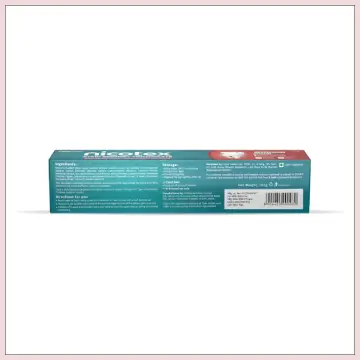
- Nicotex Stain Removal Toothpaste Vs. Colgate Whitening Toothpaste
Colgate offers several toothpaste formulations intended to support everyday cleaning and, in some versions, help remove surface stains.
I would consider a clearly labeled Colgate fluoride toothpaste if my priorities were routine cavity protection and a familiar product from an established oral care range.
Some whitening formulas are designed to polish away external stains, but the degree of whitening depends on the particular product.
Compared with Nicotex, I would favor a Colgate option when its ingredients, instructions, and customer feedback provide greater confidence in what I am buying.
I would still evaluate the specific formulation rather than assuming every product under the brand name performs identically.
- Nicotex Stain Removal Toothpaste Vs. Sensodyne Whitening Toothpaste
Sensodyne is particularly relevant if you want to address staining while also considering tooth sensitivity.
Certain formulations are designed for sensitive teeth and may also help manage surface stains. The precise benefits depend on the product.
If I experienced discomfort when brushing or consuming hot and cold foods, I would prioritize a toothpaste formulated for sensitivity rather than choosing a stain-removal product solely for its whitening claims.
Compared with Nicotex, Sensodyne would be worth considering when sensitivity management is an important part of my decision. I would check the fluoride content and directions on the specific package.
- Nicotex Stain Removal Toothpaste Vs.Oral-B Whitening Toothpaste
Oral-B offers toothpaste options that focus on different aspects of oral care, including whitening and plaque control.
I would compare a particular Oral-B formula with Nicotex by looking at its active ingredients, intended use, brushing instructions, and suitability for my daily routine.
If I wanted a combination of routine cleaning and help with surface stains, a clearly labeled formula from an established brand would be a reasonable candidate.
However, I would not automatically claim that Oral-B delivers superior whitening in every situation. Results depend on the product formulation and the type of staining involved.
Closeup Toothpaste
Closeup is another option to consider if you want a toothpaste associated with fresh breath and everyday oral cleaning.
Its various formulations may differ in flavor, ingredients, and whitening-related claims. I would therefore inspect the exact product rather than treating the whole range as interchangeable.
If your primary concern is surface staining, compare the specific formula’s stated benefits with your expectations. If you mainly want a clean mouth and routine cavity protection, those priorities should guide the decision instead.
Compared with Nicotex, I would choose Closeup only if the specific product offered the ingredients and features I wanted at an acceptable price.
- Nicotex Stain Removal Toothpaste Vs.Dabur Red Toothpaste
Dabur Red is commonly associated with herbal-style oral care and is another product people may encounter when shopping for toothpaste.
I would evaluate it according to its complete ingredient list, fluoride content, directions, and intended benefits rather than assuming herbal positioning guarantees better stain removal.
A product’s traditional ingredients do not automatically make it more effective at whitening teeth or more suitable for every user.
Compared with Nicotex, Dabur Red might appeal to someone who prefers this type of formulation. However, I would still select a toothpaste based on evidence, dental needs, and clear product labeling.
Which Alternative Would I Choose?
My choice would depend on the problem I wanted to solve.
For routine cleaning and cavity prevention, I would prioritize an appropriate fluoride toothpaste. For surface stains, I would consider a clearly labeled whitening formula from an established brand. For sensitivity, I would give greater weight to products specifically designed to manage that concern.
I would not recommend Nicotex simply because its name emphasizes stain removal. The negative customer feedback you mentioned makes it especially important to compare the available alternatives carefully.
If you have stubborn stains or want a noticeably whiter smile, a dental professional can help you determine whether cleaning, whitening treatment, or another intervention is appropriate.
Also Read: Is David’s Sensitive & Whitening Toothpaste Worth It?
Frequently Asked Questions (FAQ)
The best toothpaste depends on the type of staining, your oral health needs, and whether you have sensitive teeth. I would look for a well-labeled fluoride toothpaste with stain-removal benefits and credible product information. Persistent or deep discoloration may require professional dental care.
I would be cautious about recommending Nicotex Stain Removal Toothpaste because of the negative customer feedback highlighted in this review and the lack of verified performance evidence available here. I would compare its ingredients and customer reviews with those of established alternatives before buying it.
Nicotex Stain Removal Toothpaste is intended for cleaning teeth and addressing visible surface stains. However, its actual effectiveness depends on its formulation and use. It should not be assumed to remove deep discoloration or replace professional dental treatment.
Yes, appropriately formulated stain-removing toothpastes can help reduce some surface stains caused by foods and beverages. They generally cannot change the natural color of teeth dramatically or remove every type of discoloration. Results depend on the formula, brushing habits, and cause of the stains.
Final Verdict
I would not recommend Nicotex Stain Removal Toothpaste as my first choice. Although stain-removing toothpaste can help with mild surface discoloration, the negative customer feedback you mentioned and the lack of verified product-specific performance evidence make me hesitant to endorse it.
I would choose a clearly labeled fluoride toothpaste from an established oral care brand instead. If stubborn stains remain, a dentist can recommend a more suitable solution.
My advice is simple: prioritize reliable everyday cleaning, comfortable use, and realistic whitening expectations over attractive stain-removal claims.
Recent Posts
If you need a reliable adhesive for household repairs, DIY projects, or fixing broken objects, Pattex Repair Extreme is worth considering.Its flexible bonding formula is designed to handle...
If you're considering Thyroid Power Gummies to support your thyroid health, I recommend looking closely at the ingredients, safety, and evidence before buying.These gummies may appeal to people...