
I set out to settle the Ninja Crispi versus Crispi Pro debate after weeks of cooking real meals in both.
My goal is simple: help you decide which glass air fryer fits your kitchen, budget, and cooking style without the marketing fluff.
I tested frozen fries, wings, whole chickens, leftovers, and even cookies side by side so you get honest, practical insights.
| Feature | Ninja Crispi | Ninja Crispi Pro |
| Price (approx.) | $180 | $280 |
| Containers | 4-qt + 6-cup | 6-qt + 2.5-qt |
| Cooking functions | 4 (Max Crisp, Air Fry, Bake, Recrisp) | 6 (Max Crisp, Air Fry, Bake/Proof, Roast, Recrisp, Dehydrate) |
| Temperature control | Preset modes only (roughly 375–450°F) | Adjustable 80–450°F in 5° steps |
| Wattage | 1500W | 1800W |
| Cooking surface | 8 × 8 inches | 8 × 8 inches |
| Design | Portable PowerPod that lifts off | Fixed base with overhead heating |
| Portability / Storage | Easy to break down and store | Heavier, lives on the counter |
| Noise | Quieter (~62 dBA) | Louder (~67 dBA) |
| Weight | Around 9 lbs total | Around 17.5 lbs total |
Key Differences between the Ninja Crispi And Crispi Pro
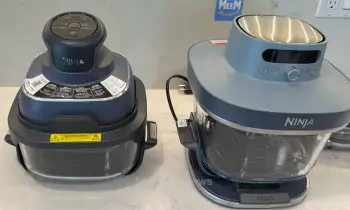
- Design and heating setup: The original Crispi uses a detachable PowerPod that sits on top of the glass container and must be lifted off after cooking.
The Pro keeps the heating element fixed inside a permanent stand so you simply slide containers in and out.
This change makes the Pro feel more like a traditional countertop appliance while the original stays modular and flexible.
- Capacity and container sizes: Both models include two glass vessels yet the Pro upgrades to a taller 6-quart main container plus a shallow 2.5-quart dish.
The original sticks with a 4-quart and a compact 6-cup size.
The actual cooking surface stays identical at eight by eight inches so the extra volume mainly adds height for taller foods.
- Temperature control and cooking modes: The biggest gap appears here. The Crispi offers only four preset modes with no exact temperature dial.
The Pro lets you set any temperature from 80°F to 450°F in five-degree steps and adds Roast plus Dehydrate for wider recipe flexibility.
- Portability versus permanence: I could nest the original Crispi pieces and store them in a cabinet without trouble.
The Pro is heavier and designed to remain on the counter full time.
Choose the original when space is limited and the Pro when daily readiness matters more.
- Power and speed: The Pro’s higher wattage recovers heat a little faster after you open the container.
Real cooking times for everyday foods stayed close on both machines so the difference feels modest in daily use.
Key Features Of The Ninja Crispi
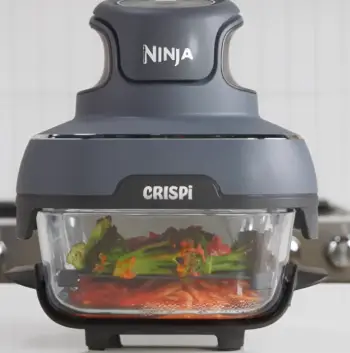
- Glass CleanCrisp containers: Borosilicate glass lets you watch food cook and doubles as a serving and storage dish with the included lids.
I liked moving leftovers straight into the fridge without dirtying another container.
- Four preset cooking modes: Max Crisp, Air Fry, Bake, and Recrisp cover the everyday basics.
The simple interface means anyone can start cooking in under a minute with almost no learning curve.
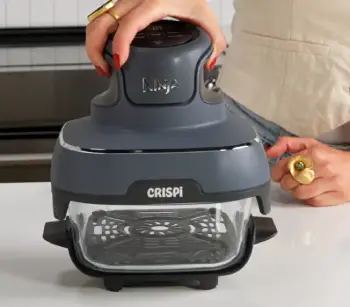
- Detachable PowerPod: The heating unit lifts off cleanly which keeps the overall footprint flexible.
You can cook on the counter then store the pieces separately when space is needed elsewhere.
- Heat-safe feet and dishwasher-safe parts: The containers and plates go straight into the dishwasher.
Fixed feet protect countertops even when the glass is still hot from cooking.
- Compact nesting design: Everything stacks into a relatively small package for storage.
This feature matters most in small kitchens or shared living spaces where every inch counts.
- Non-toxic cooking surface: The glass design avoids traditional nonstick coatings that can wear over time.
This gives peace of mind for anyone focused on cleaner cooking materials.
See-through visibility during cooking: You can monitor browning and doneness without opening the unit and losing heat.
This simple advantage reduces guesswork on every batch.
Pros Of The Ninja Crispi
- Lower price and better value for many households: At roughly one hundred dollars less it delivers the glass-container experience without stretching the budget as far. This price difference often decides the purchase for casual users.
- True portability and easy storage: I moved it between rooms and put it away when counter space was needed for other tasks. The lighter weight makes the process simple and convenient.
- Simpler interface: Fewer decisions mean faster meals when you just want crispy fries or reheated leftovers. The straightforward buttons keep cooking stress-free.
- Quieter operation: The fan noise stayed more pleasant during longer cooks compared with the Pro. This difference becomes noticeable in open-plan living spaces.
- Sufficient capacity for one to three people: Most weeknight dinners for a couple or small family fit fine in the 4-quart container without overcrowding.
- Easier cleanup routine: The glass and plates rinse quickly and go in the dishwasher with no special care needed. Daily maintenance stays minimal even after greasy meals.
- Good for small kitchens: The ability to break the unit down and nest the pieces frees valuable counter space. This flexibility suits apartments and shared homes especially well.
Cons Of The Ninja Crispi
- No precise temperature control: Following exact recipe temperatures becomes guesswork. You rely on the presets and visual checks which can lead to inconsistent results at first.
- Safety concern with the detachable pod: After cooking the PowerPod is hot and has exposed coils. You must find a safe spot to rest it every single time which adds an extra step.
- Smaller overall volume: Tall items or larger family meals feel cramped compared with the Pro. Height limitations show up quickly when cooking a whole chicken.
- Fewer cooking modes: No dedicated dehydrate or true roast setting limits some creative uses. The four presets cover basics but leave gaps for advanced cooking.
- Learning curve on timing: Because you cannot dial exact heat results can vary until you learn each food’s sweet spot through trial and error.
- Limited batch size for sides: Cooking a full main and generous side at once often requires two rounds. This slows down meal prep when feeding more than two people.
- Hot PowerPod handling: Moving the heating unit while it is still warm requires care and a heat-safe resting place. This step becomes inconvenient during back-to-back cooking.
Key Features Of The Ninja Crispi Pro
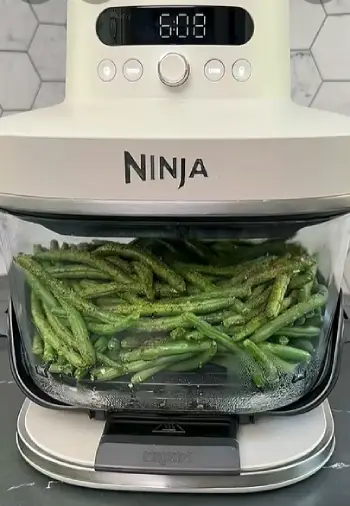
- Larger glass containers and modular base: The 6-quart vessel handles bigger meals while the modular shelf raises smaller containers closer to the heating element.
I used the 2.5-quart dish for sides and the tall one for main dishes with ease.
- Full temperature and time control: You set exact degrees and minutes with a dial and buttons.
This precision opens more recipe options and includes a low range useful for proofing dough or gentle warming.
- Six cooking functions: Adding Roast and Dehydrate expands what you can prepare.
Dehydrate worked well for fruit slices and simple jerky-style snacks during my tests.
- Fixed overhead heating element: No hot coils remain on the counter after cooking.
The stand stays put and the containers slide in and out cleanly for safer daily use.
- Storage lids and dual-purpose glassware: The same practical lids appear on both models.
You can cook, serve, and store food in the same vessel without extra dishes.
- Higher wattage power: The 1800W output helps the unit recover temperature faster after you check or shake food.
This keeps cooking times more consistent on larger batches.
- Digital display with clear feedback: The screen shows time temperature and selected mode at a glance.
This makes adjustments quick and reduces mistakes during busy meal prep.
Pros Of The Ninja Crispi Pro
- Greater versatility with temperature control and extra modes: I could match recipe temperatures exactly and use the low end for proofing or the high end for extra-crisp results. Dehydrate and Roast expanded the weekly menu in useful ways.
- Safer fixed design: No hot heating unit is left on the counter. The stand stays put and feels more polished for everyday cooking without extra handling steps.
- Larger container for family meals: A whole chicken with vegetables fit more comfortably and the shallow dish worked well for browning sides. The extra height makes a real difference for bigger protein.
- Better for frequent or precise cooks: If you use an air fryer several times a week and follow detailed recipes the controls pay off quickly. The dial and buttons feel natural after the first few uses.
- Same glass benefits with more power: You still get the see-through non-toxic multi-use containers plus slightly faster heat recovery after opening the unit.
- Stronger performance on thicker foods:The higher wattage and exact temperature settings helped larger cuts cook more evenly. Chicken thighs and denser vegetables came out more consisten.
- Convenient one-handed container handling: Sliding the glass vessels in and out feels smoother than lifting a hot PowerPod.
This small change speeds up mid-cook checks and shaking.
Cons Of The Ninja Crispi Pro
- Higher price: The jump to around two hundred eighty dollars is noticeable. You need to use the extra features regularly to justify the added cost over the original.
- Takes permanent counter space and weighs more: Once set up it lives out on the counter.
Moving it is awkward and storage becomes less flexible than the original:
- Louder fan: The noise level stood out during longer sessions compared with the original and many traditional air fryers. Open kitchens make the difference more obvious
- Cooking surface stays the same size: Despite the larger volume claim the usable flat area for single-layer crisping does not grow. Crowding still reduces crispness on both models.
- Occasional quality reports: Some users mention error codes or chemical smells from components early on. I did not experience major issues but the reports exist and are worth noting.
- Bulkier overall footprint: The fixed stand claims more visual and physical space than the nested original. Small counters can feel crowded once the Pro is in place.
- Slightly longer setup for smaller containers: Adjusting the modular shelf for the 2.5-quart dish adds a quick extra step. This becomes minor once the habit forms yet it is still present.
Real-World Cooking Performance
I cooked the same batches in both units on successive days. Frozen fries came out golden and crisp on both when I shook them halfway.
Wings developed excellent skin on either machine though the Pro’s higher wattage recovered heat a bit faster after I opened the container.
A four-pound chicken fit better in the Pro’s taller vessel and cooked more evenly because I could set an exact temperature.
Cookies were the weak point for both because top-down heat alone left bottoms pale unless I rotated or finished them elsewhere.
Leftovers shone on both with the Recrisp function. Pizza slices and fried chicken regained crunch without drying out.
The glass let me watch the process and stop at the perfect moment. Cleanup stayed easy because plates and glass went in the dishwasher and the exterior wiped clean.
The identical cooking surface size surprised me most. Marketing leans on quart capacity yet the actual footprint where food sits is the same.
Single-layer cooking capacity for wings or fries barely changes. Height helps with taller foods not with spreading things out.
Who should Choose The Ninja Crispi?
If you cook for one or two most nights value easy storage and prefer a lower price the original makes sense.
It delivers the glass experience without demanding permanent counter real estate. I kept it for quick personal meals and appreciated being able to put it away.
The simpler controls also suit anyone who dislikes fiddling with settings.
Who Should Choose The Ninja Crispi Pro?
If you cook for a small family want exact temperature matching or plan to leave the unit out full-time the Pro is the stronger pick.
The extra modes and precise control opened up more recipes for me. The fixed design feels safer and more polished for daily use. Just accept that it claims space and costs more.
Also Read: Comparison Of Breville Smart Oven Air Fryer Pro And Joule
Frequently Asked Questions (FAQ)
It is if you want precise temperature control extra cooking modes and plan to use it frequently on the counter. For occasional use or tight budgets the original or a traditional air fryer often makes more sense.
The Pro is the more capable machine overall. The original is best when space price and portability matter most. Your kitchen habits decide the winner.
Main differences are the detachable versus fixed heating element container sizes number of cooking modes temperature control power weight and price. Cooking surface size stays the same.
Limited temperature control smaller capacity safety consideration with the hot PowerPod and fewer functions. Both models share a relatively small cooking surface compared with many traditional air fryers.
Final thoughts
After cooking dozens of meals in both I see clear strengths in each. The original Ninja Crispi keeps things simple portable and affordable while still giving you the glass-container advantage I now prefer.
The Crispi Pro steps up versatility safety and capacity for cooks who will use those extras regularly. You should weigh how often you cook how much counter space you can spare and whether exact temperatures matter to you.
Whichever you choose the see-through glass and multi-use containers change the daily rhythm of air-frying for the better.
Test your own priorities against the differences I laid out and you will land on the right tool for your kitchen.
Recent Posts
● Interactive 5-Zone Interior & Exterior Paint Blueprint Paint Coverage Calculator: Gallons, Primer, Square Footage & Cost Tap any architectural surface zone on the blueprint...
If you want smooth, shiny hair without spending a fortune on a premium styling tool, the Ella Bella hair dryer may be worth considering.In these Ella Bella hair dryer reviews, I’ll look...