
I spent months switching between my Ninja personal blender and NutriBullet every morning. I tested frozen berry smoothies.
I tried protein shakes packed with greens and ice. My goal here is to share exactly what I learned. You can decide which one fits your daily routine.
You avoid wasting money on the wrong machine.
| Feature | Ninja Personal Blender | NutriBullet |
| Typical Motor Power | 700W–1100W | 600W–1200W |
| Cup Capacity | 16–24 oz common | 24–32 oz common |
| Ice Crushing | Excellent | Good with liquid, limited alone |
| Controls | Pulse, some Auto-iQ programs | Twist-to-blend, some pulse models |
| Cleaning | Many parts dishwasher-safe including blades | Cups easy, blades often hand-wash preferred |
| Noise Level | Louder | Quieter overall |
| Best For | Frozen drinks, thicker blends, versatility | Quick single-serve smoothies, simplicity |
| Portability | Solid cups with lids | Excellent to-go cups and lids |
| Price Range (personal) | Often $70–$130 | Often $60–$150 |
Key Differences Between The Ninja Personal Blender And Nutribullet
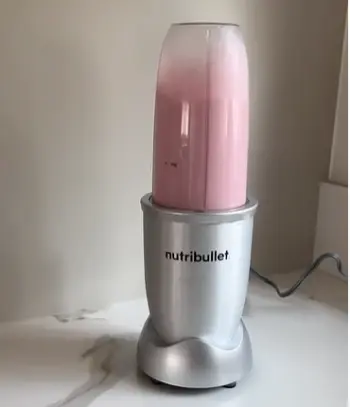
- Blade design and extraction style: Ninja uses multi-pronged blades. They dig into ice and frozen chunks aggressively.
NutriBullet relies on a cyclonic extractor blade. It pulls ingredients down for better breakdown. I noticed fewer chunks with Ninja on icy drinks.
NutriBullet gave a silkier feel with leafy greens when liquid was added.
- Motor behavior under load: Ninja motors push harder through dense mixes.
They stall less often. NutriBullet motors work well for fruit and veggie blends.
They need extra liquid for heavy frozen loads. Dense mango and spinach mixtures tested this clearly in my kitchen.
- Control interface: Many Ninja models offer pulse buttons. Some include timed Auto-iQ programs. NutriBullet sticks to simple twist-and-go action.
Higher models add a pulse button. The Ninja options gave me better texture control for salsa or smooth drinks.
- Cup and lid system: Both use cups that double as drinking vessels.
NutriBullet cups often feel larger. They come with comfortable lip rings.
Ninja cups seal tighter for travel. I saw fewer leaks during bag carry with Ninja lids.
- Overall footprint and storage: Both stay compact on the counter.
NutriBullet bases sit lower and feel lighter.
Ninja models feel more substantial. They take a bit more vertical space with cups attached. Small kitchens notice this difference quickly.
- Noise during operation: Ninja runs louder under full load. The motor sound carries further. NutriBullet stays quieter overall.
It works better in shared living spaces. Early morning blends made this clear every day.
- Cleaning convenience: Ninja parts including blades often go in the dishwasher. Cleanup feels faster on busy nights.
NutriBullet cups clean easily. Blades usually need careful hand washing. This added a small step to my routine.
Key Features Of Ninja Personal Blenders
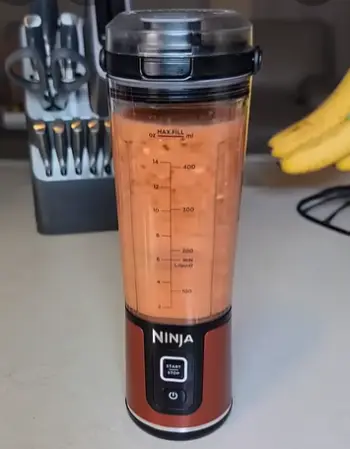
- High-speed motors with strong torque: These motors handle frozen fruit and ice cubes well. They finish without constant pausing.
I tossed full cups of ice into post-workout shakes. Results stayed consistent in under a minute.
- Multiple cup sizes and travel lids: Most kits include at least two cups. Spout lids come with them.
I prepped one drink for now and one for later.
Extra dishes stayed out of the sink.
- Pulse and programmed options on higher models: The pulse setting helped control texture.
Guacamole and chunky protein shakes turned out better.
Auto programs removed guesswork on rushed mornings.
- Dishwasher-safe components: Blades, cups, and lids usually go on the top rack.
Cleanup time dropped a lot. I preferred this over hand washing every part.
- Total Crushing or similar blade tech: The design pulls ingredients toward the center. It breaks them down evenly.
Frozen strawberries and kale stems disappeared faster than expected.
- Solid build for daily heavy use: The base and cups held up under repeated frozen loads.
Wear stayed minimal after months of testing. Durability felt reliable for regular ice work.
- Good seal on travel lids: Lids stayed tight during car rides. Spills remained rare when closed properly. This helped on busy commute days.
Pros Of Ninja Personal Blenders
- Superior ice and frozen fruit performance: I dumped in ice cubes and frozen bananas. Thick even smoothies came out without stirring. This became my top pick for summer drinks.
- Greater versatility beyond basic smoothies: Nut butters and hummus worked better. Thicker bowls came together cleanly. Extra torque handled denser loads that stalled other machines.
- Better long-term durability feel: Build quality held up under daily heavy use. Cups and bases showed less wear after months. Frozen blends tested this well.
- More control through pulse and programs: I adjusted consistency on the fly. Over-blending dropped. Wasted ingredients became rare.
- Easier full dishwasher cleaning: Nearly everything went in the dishwasher. Weeknight cleanup saved real time. Blades came clean without extra scrubbing.
- Strong results with minimal liquid: Dense mixes needed less extra liquid. Texture stayed thick and satisfying. Protein shakes benefited the most.
- Reliable for repeated daily cycles: The motor recovered quickly between uses. Back-to-back blends stayed consistent. Heavy morning routines worked fine.
Cons Of Ninja Personal Blenders
- Noticeably louder operation: Early morning blends woke people nearby. Motor noise stayed stronger and higher-pitched under load. Quiet homes felt the difference.
- Slightly bulkier feel on the counter: Even personal models take more space. Storage needed shelf rearranging in my small kitchen. Slimmer options fit easier.
- Higher price on feature-rich versions: Models with Auto-iQ or extra cups cost more. Budget buyers notice the gap right away. Entry options still perform well though.
- Occasional need to pause thicker mixes: Very dense nut butter batches required scraping. Sides needed attention mid-blend. Hands-free claims fell short here.
- Cup sizes sometimes feel limiting: Twenty-four ounces works for most people. Larger single servings needed a second round. Appetite differences showed up fast.
- Stronger vibration on the counter: The base moves a bit more under heavy loads. Suction feet help but do not eliminate it fully. Nearby items can shift.
- Learning curve on programs: New users may need a few tries. Auto settings take time to match personal recipes. Manual pulse remains simpler at first.
Key Features Of NutriBullet Personal Blenders
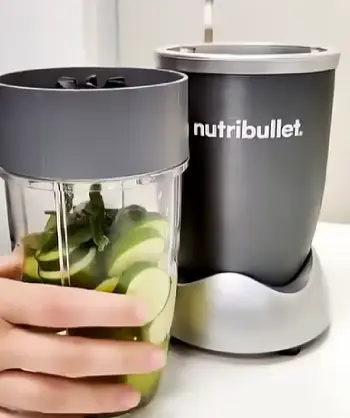
- Extractor blade system for nutrient release: The angled blades create a strong vortex. They break cell walls in produce effectively.
My green smoothies tasted smoother. Grit from seeds dropped noticeably.
- Twist-to-blend simplicity: Place the cup on the base. Press down or twist to start.
No buttons to search for when half-awake. Mornings moved faster this way.
- Generous single-serve cups with to-go lids: 24 oz and 32 oz options cover most portions.
The lids sealed well for my commute. Spills stayed low when closed right.
- Compact base with suction feet: The unit stays put during blending.
It stores easily in a small cabinet. Counter space stayed clearer when not in use.
- Wide range of power options across models: Entry units start at 600W. Pro+ and Ultra reach 1200W.
I matched power to my needs. No jump to a full-size machine was required.
- Comfortable lip rings on cups: Drinking straight from the cup felt better. The rings reduced mess around the rim.
Daily use became more pleasant.
- Lightweight design for easy handling: The base and cups move around the kitchen without strain. Travel packing stayed simple.
Small spaces benefited most.
Pros Of NutriBullet Personal Blenders
- Quiet enough for shared living spaces: I blended while others slept. Complaints stayed zero. Lower noise made apartment life easier.
- Extremely simple daily operation: Twist. Blend. Drink from the same cup. Mornings became faster and less messy. No complex steps slowed me down.
- Excellent smoothie texture with greens and seeds: Leafy kale and chia broke down cleanly. Drinkable consistency arrived with minimal grit. Nutrient claims felt real in practice.
- Strong value at mid-range prices: Solid performance came without top dollar. Replacement cups and parts stayed affordable. Long-term costs stayed reasonable.
- Compact and easy to store or travel with: The base and cups packed into a small bag. Counter space stayed clear. Trips and small kitchens both worked well.
- Fast cleanup for basic recipes: Cups rinse quickly after fruit blends. Daily maintenance stayed light. Busy schedules benefited most.
- Consistent results with standard recipes: Fruit and yogurt mixes finished evenly. Timing stayed predictable. Routine smoothies rarely surprised me.
Cons Of NutriBullet Personal Blenders
- Ice crushing needs liquid support: Pure ice or mostly frozen loads left larger chunks. Extra liquid fixed it. Ninja handled dry ice better in tests.
- Blades often prefer hand washing: Cups go in the dishwasher fine. Blade assemblies need careful cleaning. This added a small daily step.
- Less power for very thick or dense recipes: Nut butters required more liquid. Frozen dessert bases took longer. Results stayed acceptable but less creamy.
- Limited programmed options on most models: Basic twist control works for daily use. Timed cycles were missing. Consistency across recipes needed more attention.
- Some models feel less robust under heavy frozen use: Thick ice blends caused more strain over months. Longevity held with careful loading. Caution became necessary.
- Cup seals vary by model: Some lids leaked slightly during rough travel. Proper closing reduced the issue. Ninja seals felt tighter overall.
- Fewer texture control tools: Pulse exists on higher models only. Basic versions lack fine adjustment. Chunky results needed extra manual stops.
Performance In Everyday Use
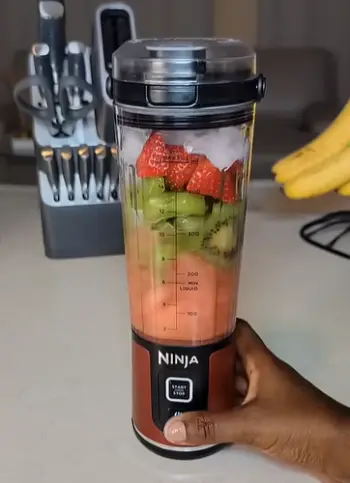
I ran both machines through the same recipes for weeks. A standard spinach, frozen berry, banana, and almond milk smoothie finished smoother on the NutriBullet.
Ingredients stayed softer. Switch to a thick protein shake with ice cubes and peanut butter. The Ninja pulled ahead. Fewer unblended bits appeared. Less liquid adjustment was needed.
Noise reminded me of the difference every day. NutriBullet stayed in the background. Ninja announced itself clearly.
Cleaning after a green smoothie favored NutriBullet for speed. Fewer parts needed attention. Full dishwasher runs made Ninja the winner on busy days.
Capacity matched single-person needs on both. One cup covered most servings. When I prepped two drinks both systems handled it.
Extra cups in the kits made it simple. Leak tests during car rides showed Ninja lids sealed a fraction tighter. Both performed well if closed properly.
Texture differences showed in green drinks. NutriBullet broke down kale stems with less grit when liquid levels were right.
Ninja crushed ice cubes more completely even in thicker mixes. Protein powders mixed evenly in both. Clumping stayed low when I followed basic liquid ratios.
I also tested simple sauces and dips. Ninja handled thicker hummus better. Less scraping was required.
NutriBullet produced smoother fruit purees for yogurt toppings. Each machine had clear strengths once the recipes matched their design.
Which One Fits Different Lifestyles?
If your mornings center on quick fruit and veggie smoothies you value quiet and simplicity. NutriBullet matches that rhythm.
The twist action and to-go cups remove friction. People living alone or in small spaces often prefer it. The compact footprint and lower noise help daily.
If you regularly blend frozen ingredients you want more texture control. You plan to expand beyond basic smoothies into thicker bowls and nut-based recipes.
Ninja delivers stronger results. The extra power and cleaning convenience justify the higher noise and cost for heavier users.
Couples or households that share one machine lean toward Ninja. It handles denser loads without complaint. Solo users focused purely on nutrient drinks often stay happy with NutriBullet for years. Match the machine to your most common recipes. Results improve right away.
Budget plays a role too. Mid-range NutriBullet models deliver solid daily performance at lower cost. Feature-rich Ninja versions cost more but add control and ice power. Sales often close the gap. Check current pricing against your main use cases.
Long-Term Ownership Experience
After continuous daily use both machines still function. Ninja cups and bases held their appearance better under ice abuse.
NutriBullet remained quieter. It stayed easier for rushed cleanups. Replacement parts for both stay available. Cups for NutriBullet felt cheaper to swap when needed.
Warranty coverage is similar across most models. It usually lasts one year. I treated both carefully with proper liquid ratios.
I never overloaded them. This helped longevity. Neither developed major issues. The Ninja felt more forgiving when I occasionally pushed frozen limits.
Daily habits shaped the experience. Quick fruit blends favored NutriBullet for speed and quiet. Heavy frozen protein days made Ninja the clearer choice. Rotating between them depending on the recipe worked well in my kitchen. Consistent cleaning after each use kept both running smoothly for months.
Storage mattered in a small space. NutriBullet slipped into a lower cabinet more easily. Ninja needed a bit more height clearance. Both stayed ready on the counter most days because daily use justified the space.
Also Read: Comparison Of Nutribullet Pro Plus And Ultra
Frequently Asked Questions (FAQ)
It depends on your priorities. For pure smoothies and quiet operation choose NutriBullet. For ice and versatility choose Ninja.
Ninja often outperforms on ice crushing and thick blends. NutriBullet wins on simplicity and noise. Neither is universally better.
A personal NutriBullet or Ninja works great for single servings. Full-size blenders suit larger batches or more cooking tasks.
No. They are separate brands with different designs and approaches.
Final Thoughts
I started this comparison wanting one clear winner for my kitchen. What I found is that both deliver reliable daily performance when matched to the right habits.
My Ninja handles the frozen heavy lifting. It keeps cleanup simple with the dishwasher. My NutriBullet makes quiet no-fuss smoothies.
They fit rushed mornings perfectly. You should weigh how often you crush ice. Consider how much noise you can tolerate.
Decide whether simplicity or power matters more in your routine. Test the features that match your actual recipes.
You will end up with the machine that stays on the counter instead of in the cabinet. The right choice saves time and frustration every single day.
Recent Posts
● Interactive 5-Zone Interior & Exterior Paint Blueprint Paint Coverage Calculator: Gallons, Primer, Square Footage & Cost Tap any architectural surface zone on the blueprint...
If you want smooth, shiny hair without spending a fortune on a premium styling tool, the Ella Bella hair dryer may be worth considering.In these Ella Bella hair dryer reviews, I’ll look...