
I set out to settle the Nizoral versus T/Sal debate for myself after years of dealing with stubborn scalp flakes, itch, and buildup that regular shampoos never touched.
My goal here is straightforward: share what I learned through direct use and careful comparison so you can pick the right one for your specific scalp issues without wasting money or time on the wrong bottle.
| Feature | Nizoral | T/Sal (Neutrogena) |
| Active Ingredient | Ketoconazole 1% (OTC) | Salicylic acid 3% |
| Primary Action | Antifungal | Keratolytic (exfoliating) |
| Best For | Fungal dandruff, seborrheic dermatitis | Scalp buildup, psoriasis scales |
| Typical Use Frequency | 2 times weekly initially | 2–3 times weekly |
| Hair Feel After Use | Can feel drier | Can feel cleaner but stripped |
| Scent | Mild medicinal | Mild medicinal |
| Availability | OTC (1%), Rx (2%) | OTC |
| Common Side Effects | Dryness, mild irritation | Dryness, potential stinging |
Key Differences Between Nizoral And T/Sal
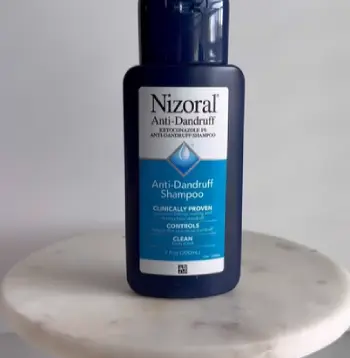
- Mechanism of action: Nizoral disrupts the fungal cell membrane so the yeast cannot keep growing and multiplying on the scalp surface.
T/Sal breaks down the bonds between dead skin cells so they rinse away more easily during washing and leave less residue behind.
- Speed of visible results: With Nizoral the itch often eased within the first week while the flakes took closer to two or three weeks to thin out completely.
T/Sal cleared thick patches of scale faster for me, sometimes after only two or three applications, yet the underlying itch sometimes lingered until I added an antifungal later.
- Impact on hair texture: Nizoral left my hair feeling a bit dryer and coarser if I used it more than twice a week without proper follow-up conditioning.
T/Sal made the hair feel squeaky clean but could strip natural oils enough that the ends looked dull unless I applied a light conditioner only on the lengths.
- Suitability for different scalp types: Oily scalps that produced greasy flakes responded better to Nizoral in my tests because it targeted the yeast feeding on that oil.
Dry, scaly, or psoriasis-prone scalps improved more with T/Sal’s ability to lift the buildup without relying on antifungal action alone.
- Long-term maintenance needs: Once Nizoral brought the yeast under control I could drop to once-weekly or every-other-week use and still keep results stable.
T/Sal often required more consistent application if the buildup kept returning, especially during winter months when indoor heating dried my scalp further.
- How each handles residual effects: Nizoral continues working for days after each wash by keeping yeast levels low on the scalp.
T/Sal mainly works during the wash itself and offers less lasting protection once the scales have been removed.
- Compatibility with other hair products: Both can be followed by regular conditioners on the hair lengths, but Nizoral pairs especially well with lightweight leave-in treatments while T/Sal benefits from a richer moisturizer to offset its clarifying strength.
Key Features Of Nizoral

- 1 percent ketoconazole concentration: This is the maximum strength available without a prescription and is strong enough to reduce yeast counts yet mild enough for most adults to use on a regular schedule.
I appreciated that the formula is clinically tested for dandruff control rather than just masking flakes with heavy conditioners.
- Anti-inflammatory side benefit: Beyond killing yeast, ketoconazole calms the redness and irritation that come with seborrheic dermatitis.
On days when my scalp looked pink and felt hot, Nizoral quieted that reaction faster than any regular anti-dandruff shampoo I had tried before.
- Simple application routine: Wet hair, apply a small amount directly to the scalp, leave it on for three to five minutes, then rinse thoroughly.
No complicated multi-step process was needed and I simply timed it while I showered so it never felt like an extra chore.
- Works on both wet and residual yeast: Even after the initial clearing phase, occasional use prevents the yeast from bouncing back quickly.
This residual effect let me maintain results without needing daily application and kept flare-ups farther apart.
- Widely available and recognizable: Finding it at pharmacies and big-box stores made restocking easy whenever I ran low.
The bottle size is practical for the recommended infrequent use so one bottle easily lasts several months.
- Supports longer-term scalp balance: By keeping the yeast population under control the natural barrier function of the scalp stays more stable over time.
I noticed fewer surprise flare-ups during stressful periods once I settled into a maintenance rhythm with it.
- Minimal scent interference: The mild medicinal smell rinses away cleanly and does not clash with most everyday hair products I used afterward.
Pros Of Nizoral
- Targets the root microbial cause: When yeast is the main driver nothing else I tried matched the lasting reduction in itch and flakes. I went from constant scratching to almost forgetting about my scalp within a month of proper use.
- Reduces inflammation effectively: Redness and that tight sore feeling faded faster than with purely clarifying shampoos. This made daily life more comfortable especially under hats or in humid weather when irritation usually flared.
- Convenient infrequent dosing: Twice a week initially then less often fits busy schedules without forcing major changes to my hair-wash routine. I never had to rearrange my entire week around daily medicated use.
- Proven track record for seborrheic dermatitis: Clinical data and real-world results line up closely. Friends with similar issues reported the same improvement once they switched from zinc or selenium formulas to ketoconazole.
- Can support overall scalp health long-term: By keeping yeast levels low the barrier function of the scalp stays more stable and less reactive. I noticed fewer surprise flare-ups during stressful periods after months of consistent maintenance.
- Leaves a clean yet manageable finish: Once I dialed in the right frequency my hair felt less greasy at the roots without becoming overly brittle when I followed with conditioner on the lengths.
- Works well as a maintenance tool: After the initial clearing phase the ability to drop down to once every week or two kept results stable with minimal effort.
Cons Of Nizoral
- Can dry the hair and scalp: Overuse left my hair feeling brittle and the scalp tight if I exceeded the recommended frequency. I had to be strict about the leave-on time and always follow with a lightweight conditioner on the mid-lengths and ends.
- Less effective against pure scale buildup: When the main problem was thick stuck-on plaques rather than yeast Nizoral alone left some residue behind. That is when I reached for the other bottle to finish the job.
- Medicinal scent: It is not overpowering but it is noticeable and not particularly pleasant during the wash. The scent fades after rinsing yet it is something you notice every time in the shower.
- Potential mild irritation in sensitive users: A few times early on I felt a slight sting if my scalp was already cracked from scratching. Reducing frequency fixed it but people with very reactive skin may need to patch-test first.
- Does not address oiliness as aggressively as some expect: While it helps with the yeast that feeds on oil it is not a strong degreaser on its own. Very oily scalps sometimes needed an extra clarifying wash on off days to feel fully clean.
- Requires patience for full flake reduction: The itch often improves quickly but the visible flakes can take two to three weeks to thin out completely so expectations need to be realistic.
- May feel less clarifying for heavy product users: Those who use a lot of styling products might still notice some residue even after regular Nizoral washes.
Key Features Of T/Sal
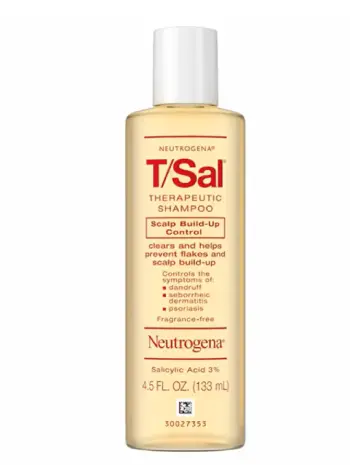
- 3 percent salicylic acid: This concentration is high enough to loosen stubborn scales yet formulated to stay within safe limits for scalp use.
I watched thick plaques soften and lift after leaving the shampoo on for several minutes, something milder acid products never achieved for me.
- Clarifying action without harsh scrubbing: Physical scrubbing can irritate an already inflamed scalp and make redness worse.
T/Sal does the work chemically so I could avoid aggressive scalp massage while still getting a thorough clean.
- Helpful for product buildup and psoriasis scales: Beyond classic dandruff, T/Sal cleared the residue left by styling products and the silvery scales common in scalp psoriasis.
My hair felt lighter and the scalp looked noticeably cleaner after consistent short courses of use.
- Compatible with most hair types when used correctly: Although it can dry the hair shaft, applying it only to the scalp and using a separate conditioner on the lengths kept my hair manageable.
Colored hair tolerated it better than I expected when I limited contact time carefully.
- Affordable and easy to find: The price point sits in the same range as other therapeutic shampoos and the bottle lasts because you do not need to use a large amount each time.
Restocking never became a budget concern.
- Prepares the scalp for other treatments: By clearing the surface layer any leave-on scalp products I applied afterward seemed to absorb more effectively and deliver better results.
This made it a useful first step in more complex routines.
- Delivers quick surface-level feedback: The visual improvement after just a couple of washes gave me clear evidence that the product was working and helped me stay consistent with the schedule.
Pros Of T/Sal
- Excellent at removing physical buildup: Thick scales and product residue rinsed away cleanly after the recommended leave-on time. My scalp felt smoother to the touch and the white flakes that used to fall on my shoulders decreased dramatically.
- Useful for psoriasis-related scaling: When the plaques looked more like psoriasis than simple dandruff T/Sal softened them better than antifungal options alone. I could then follow with a moisturizer or other treatment if needed for added comfort.
- Fast visual improvement: The difference in how my scalp looked after two or three uses was encouraging and motivating. Seeing less scale made me stick with the routine instead of giving up early.
- Helps other treatments work better: By clearing the surface layer any leave-on scalp products I applied afterward seemed to penetrate more effectively. This turned T/Sal into a useful preparatory step in longer routines.
- Straightforward and affordable: No complicated instructions and a price that does not sting made it easy to keep on hand. One bottle covered several months of regular use without becoming a financial burden.
- Gives a noticeably cleaner scalp feel: After rinsing the scalp felt freer of the tight coated sensation that often accompanies heavy scaling. This physical relief was one of the most satisfying parts of using it.
- Works well in short intensive courses: I could use it for a focused period to clear buildup and then step back without needing constant daily application.
Cons Of T/Sal
- Does not treat the fungal component: If yeast was driving the itch the flakes returned once I stopped using it for a while. Clearing the scales is helpful but incomplete when microbes remain active underneath.
- Can over-dry hair and scalp: Frequent use left my hair looking dull and feeling straw-like especially at the ends. I learned to limit it to the scalp only and never skip conditioner on the lengths afterward.
- Possible stinging on broken skin: If I had scratched until the skin was raw the acid caused a brief burning sensation during application. Waiting until the skin calmed down before the next wash prevented this issue.
- Results may not last as long without maintenance: Buildup tends to return if you stop completely for too long. Unlike the residual control I got from Nizoral T/Sal required more ongoing use to keep the scalp clear week after week.
- Less helpful for pure oily dandruff without scale: When my issue was mostly greasy flakes and itch without thick plaques the clarifying effect felt secondary to what an antifungal provided. It simply was not the strongest match for that pattern.
- Can leave hair feeling stripped if overused: Exceeding three times a week made the hair shaft feel rough and harder to manage even with conditioner. Strict adherence to frequency guidelines became important.
- Offers limited residual protection: Once rinsed away its main benefits stop so the scalp can begin accumulating scale again relatively quickly if no other measures are in place.
How I Actually Used Them In Real Life?
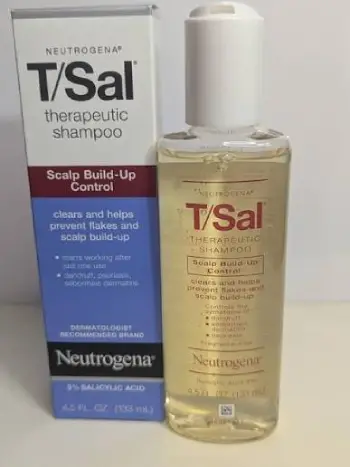
My typical pattern when symptoms flared was to start with Nizoral twice a week for two to four weeks.
I applied it to wet hair, massaged only the scalp, set a three-to-five-minute timer, then rinsed thoroughly.
On the days between, I used a gentle non-medicated shampoo. Once the itch and flakes settled, I switched to once a week or every ten days for maintenance.
When thick scales or product buildup appeared, I swapped in T/Sal two or three times a week for a short course.
I left it on a full five minutes so the salicylic acid had time to work. After the heavy scaling improved, I returned to Nizoral for the underlying control.
On rare occasions when both issues showed up together, I used T/Sal first to clear the debris, waited a day, then applied Nizoral. I never mixed them in the same wash because I wanted to know which one was delivering the benefit.
I always followed either shampoo with a light conditioner on the hair lengths only, never the scalp. This kept the hair soft without feeding more oil to the problem area.
During winter I added a simple scalp oil on non-wash nights to counteract dryness. Consistency mattered more than intensity. Skipping washes or using the products daily made the dryness worse and delayed improvement.
Which Situations Favor One Over The Other?
If your main complaints are persistent itch, greasy flakes, and a history of seborrheic dermatitis, Nizoral is the clearer starting point.
The antifungal action addresses the biology that keeps the cycle going. If instead you see thick, stuck-on scales, psoriasis plaques, or heavy residue from styling products, T/Sal delivers faster surface relief.
Many people, myself included, end up keeping both bottles and rotating them based on what the scalp is doing that week.
Age, climate, and hair-care habits also influence the choice. Hot, humid weather often increased my yeast-related symptoms, so Nizoral became more important then.
Dry indoor heat in winter pushed me toward T/Sal to manage the extra flaking from dehydration. People with color-treated or chemically processed hair should watch for dryness with either product and keep contact time short.
Also Read: Is T/Sal Shampoo Worth It?
Frequently Asked Questions (FAQ)
Nizoral is usually better when yeast is the main cause. T/Sal works better when thick buildup is the bigger problem.
Yes, but not in the same wash. Alternate them on different days so each can do its job without overlapping irritation.
T/Sal is generally stronger for psoriasis scales and buildup because of the salicylic acid. Nizoral can still calm related itch and inflammation.
Start Nizoral twice a week for two to four weeks, then reduce to once weekly or less. Use T/Sal two to three times a week as needed, then cut back once scales improve.
Final Thoughts
After living with both products through multiple seasons and flare patterns, I stopped looking for a single winner.
Nizoral became my go-to for keeping the fungal side quiet, while T/Sal handled the physical mess when scales piled up.
You will probably find the same split once you match the product to the exact symptoms you see in the mirror and feel under your fingertips.
Start with the one that matches your dominant complaint, give it a full two to four weeks of correct use, and only then decide whether you need the second bottle.
Track how your scalp feels rather than chasing perfect hair days. Small consistent steps beat aggressive daily washing every time.
Once you dial in the rhythm that works for your scalp, the flakes, itch, and tightness stay manageable without dominating your routine.
That practical balance is what finally gave me lasting relief, and it is the same approach I would recommend you try.
Recent Posts
I tried Meltoway Hair Dissolving Cream because I wanted a quick way to deal with unwanted body hair without reaching for a razor every few days. If you are looking for a convenient at-home...
If you’re considering a saffron-based supplement to support mood, appetite control, and everyday wellness, Happy Saffron Plus is worth considering.I like that it takes a familiar botanical...