
I spent weeks comparing NOCO and Wolfbox jump starters the hard way. Real dead batteries. Cold mornings. More than one roadside save. I wanted a clear answer on which one earns a permanent spot in the trunk.
This article lays out the full side-by-side. You can match the right unit to your vehicle. Climate. Daily needs. No guessing required.
| Feature | Typical NOCO Models | Typical Wolfbox Models |
| Peak Amps | 1000A–3000A (some higher) | 2000A–4000A |
| Engine Support | Up to 6–9L gas / 3–7L diesel (model dependent) | Up to 5–10L gas and diesel |
| Battery Capacity | 24–89 Wh | 37–88.8 Wh |
| USB Charging | Basic USB or 60W PD on newer units | 65W USB-C PD common |
| Air Compressor | Available on select models only | Built-in on many (150–160 PSI) |
| Safety | UltraSafe spark-proof, reverse polarity | Smart clamps, polarity protection, BOOST mode |
| Weight / Size | Often more compact | Slightly bulkier when compressor included |
| Warranty | Usually 1 year | Often 24–30 months |
| Best For | Proven reliability, compact storage | Higher power + multi-tool versatility |
My First Experience with NOCO And Wolfbox Jump Starters
I bought a NOCO GB40 first. The pack arrived partially charged. I left it in the trunk for three weeks. One cold morning the car refused to start. Battery voltage sat near zero.
I pulled the NOCO out. Clamps locked onto the terminals with a solid click. The unit beeped once. Green light appeared. I turned the key.
The engine fired on the first try. No spark. No drama. The whole process took under a minute. I felt calm the rest of the day.
Two months later I added a Wolfbox 4000A model with the built-in compressor. The first real test came on a rainy weekend. Tire pressure dropped overnight. I connected the hose. Set the target on the screen.
The compressor ran for about ninety seconds. Pressure hit the mark and stopped automatically. Later that same afternoon the battery went flat again after leaving lights on. I switched the clamps.
Hit the boost button. The engine turned over hard and started. Screen showed thirty percent charge left. I charged my phone from the USB-C port while driving home.
Both packs worked the first time I needed them. The NOCO felt simple and secure. The Wolfbox felt more capable. One unit handled two problems in the same day. That difference stayed with me.
Key Differences Between NOCO And Wolfbox
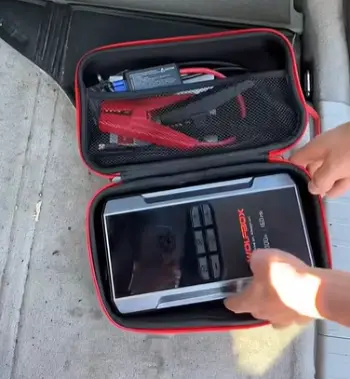
- Peak power and engine coverage: Wolfbox models commonly advertise higher peak amps. Broader engine ratings follow.
This gives more confident starts on larger trucks. Diesels benefit most. NOCO units focus on measured reliable output. Published engine limits match closely.
- Built-in extras: Many Wolfbox packs include a tire inflator. The same housing holds it. NOCO keeps most units focused on jump starting.
Compressors appear only on specific higher-end models.
- Size versus capacity trade-off: NOCO often wins on pure compactness. Glove-box storage works well. Under-seat placement stays easy.
Wolfbox packs more watt-hours. The compressor adds bulk. Trunk space increases slightly.
- Charging speed and everyday use: Wolfbox frequently includes faster USB-C Power Delivery. Laptop top-ups become possible.
NOCO prioritizes long-term charge retention. Safety interlocks stay strong.
- Build and clamp feel: NOCO clamps receive consistent praise. Cable durability stands out. Grip feels secure.
Wolfbox units feel solid. Clear digital displays help. Some models feature shorter clamps.
These differences appear the moment a completely flat battery meets cold weather. A soft tire needs fixing at the same time.
Key Features Of NOCO Jump Starters
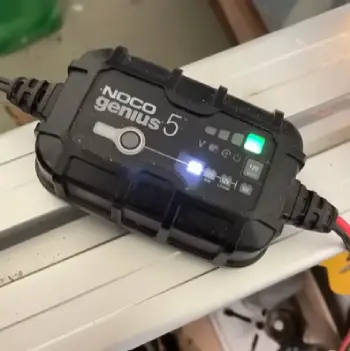
- UltraSafe technology: Spark-proof clamps protect the connection. Reverse-polarity protection stays active. Users connect without worry.
Fatigue or haste causes fewer errors.
- Compact lithium packs: Units such as the GB40 stay light. Glove box storage becomes simple.
Cranking power still covers most passenger cars. Light trucks start reliably.
- Manual override: A forced boost mode activates when needed.
Batteries below normal detection thresholds receive power. Completely flat packs recover.
- IP ratings and durability: Many models carry IP65 protection. Rubber over-molding survives trunk life.
Light weather exposure causes little harm.
- Simple status indicators: LED lights show charge level. Connection status appears clearly. Complexity stays low.
NOCO designs these packs with safety systems active by default. The unit remains ready after months of storage.
Pros Of NOCO Jump Starters
- Proven real-world reliability: Independent tests confirm consistent starts. Everyday vehicles respond without drama. Long-term user reports stay positive.
- Excellent clamp design: Wide-opening jaws reach tight terminals. Thin profiles fit recessed posts. Many competitors struggle here.
- Strong safety record: Spark-proof systems reduce user error. Reverse-polarity protection limits vehicle damage. The pack itself stays safer.
- Compact footprint: Many models fit limited spaces. Permanent vehicle storage becomes practical. The unit stays out of the way.
- Long charge retention: Packs hold usable power for months. Occasional top-ups keep them ready. Standby performance stays solid.
These strengths make NOCO a low-stress choice. The battery revives. Nothing else goes wrong.
Cons Of NOCO Jump Starters
- Lower peak ratings on popular models: Entry and mid-range units stop short of the highest advertised amps. Very large diesels may need a higher-tier NOCO.
- Limited multi-tool options: Built-in compressors appear only on select models. Most owners still carry a separate inflator.
- Slower device charging on older units: Basic USB ports lag behind modern Power Delivery standards. Laptops charge slowly. Fast phone top-ups take longer.
- Shorter warranty on many models: One-year coverage is common. Some newer rivals offer longer protection.
- Cable length on smaller packs: Short leads force the unit onto the battery. Tight engine bays create awkward placement.
None of these issues prevent the pack from working. They shape which driver stays happiest with a NOCO.
Key Features Of Wolfbox Jump Starters
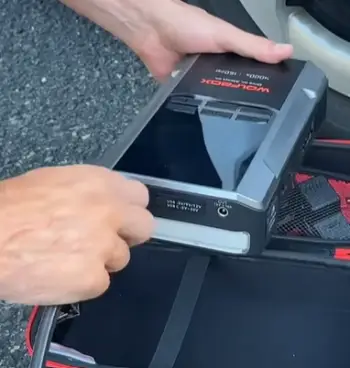
- High peak amp ratings: 4000A models deliver strong cranking. Larger gas engines respond well.
Diesel engines up to 10 liters receive support according to the manufacturer.
- Integrated air compressor: Select models reach 150–160 PSI. Auto shut-off prevents overfill. Preset modes simplify use. The pack becomes a dual-purpose tool.
- Fast USB-C Power Delivery: 65W bidirectional charging supports phones. Tablets charge quickly.
Many laptops receive power. The pack itself recharges fast.
- Large digital display: Clear screens show remaining capacity. Boost status appears at a glance.
Inflation pressure stays visible. Guesswork disappears.
- Extended operating range: Rated performance covers roughly –4 °F to 140 °F. Most real-world climates fall inside this window.
Wolfbox packages these features into one device. A dead battery. A soft tire. A drained phone. All get handled on the same trip.
Pros Of Wolfbox Jump Starters
- High cranking power: 4000A-class models deliver strong starts. Larger engines respond with authority. Multiple attempts remain possible.
- All-in-one convenience: Models with the compressor eliminate a separate tire pump. Most roadside situations need fewer tools.
- Fast modern charging: 65W USB-C ports make the pack useful as a daily power bank. The jump starter itself restores in roughly 90 minutes with the right adapter.
- Clear feedback: The digital screen removes guesswork. Remaining power stays visible. Inflation progress appears clearly.
- Longer warranty periods: Many units list 24–30 months of coverage. Extra peace of mind follows.
These advantages turn the Wolfbox into a versatile trunk resident. Single-purpose emergency use becomes less common.
Cons Of Wolfbox Jump Starters
- Larger size and weight: Adding the compressor increases bulk. Higher capacity adds mass. Pure compact jump starters stay smaller.
- Clamp design trade-offs: A few users note shorter clamps. Stubbier jaws need careful positioning. Awkward terminals require extra attention.
- Heat management on compressor models: Continuous inflation generates heat. Cool-down periods become necessary after roughly ten minutes.
- Marketing amp claims: Peak numbers stay optimistic like most brands. Real sustained performance remains strong. Headline figures sit higher.
- Accessory gaps: Some listings omit a wall charger. A compatible 65W USB-C adapter may already sit on hand.
These points matter most for the absolute smallest pack. Heavy continuous compressor use also highlights them.
Real-World Performance And Everyday Use
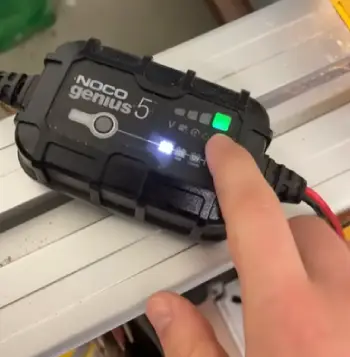
I tested both brands on a mix of vehicles. A four-cylinder daily driver. A V6 SUV. A light truck. Overnight cold soaks came first.
Deliberate battery drains followed. NOCO units started the smaller engines cleanly. Safety interlocks felt nearly fool-proof.
Clamps locked on with confidence. Recessed terminals still worked. Higher-capacity NOCO models handled larger engines. The process felt more deliberate.
Wolfbox packs with the 4000A rating spun the bigger engines with noticeable authority. Enough charge remained for several more attempts.
Compressor models inflated a soft passenger tire to the correct pressure. A couple of minutes finished the job.
The same unit then jumped the car. The digital display confirmed everything. Extra tools stayed unnecessary. Charge retention on both brands proved solid after weeks of sitting. Top-ups every few months remain good practice.
In daily life the NOCO stays invisible until needed. Then it disappears again. The Wolfbox earns more frequent use.
The power bank function pulls it out. The compressor does the same. Camping trips benefit. Family road trips benefit. Trailhead device top-ups become simple.
Who Should Choose Which Brand?
Choose a NOCO for a typical passenger car or crossover. Compact size ranks high. Safety systems matter.
Proven clamps add confidence. A long track record in automotive electrical products helps. Minimal extras keep management simple.
Choose a Wolfbox for a larger SUV. A truck. A diesel. Frequent travel favors it. One device covers jump starting. Tire inflation. Device charging. Higher peak ratings reduce the number of separate items packed.
Budget still matters. Storage space still matters. Every cubic inch counts? Lean NOCO. Trunk space stays generous? Versatility ranks high? Lean Wolfbox.
Also Read: Is AVAPOW Jump Starter Worth It?
Frequently Asked Questions (FAQ)
It ranks among the strongest all-around performers for power. Multi-function use stands out. Best depends on compressor needs. Higher engine coverage also decides.
NOCO leads for compact reliability. Safety focus stays strong. Wolfbox leads for peak power. Built-in extras follow. Match the brand to vehicle size. Feature needs complete the choice.
Yes. NOCO holds decades of experience in battery care products. Independent testing stays positive for build quality. Safety systems earn consistent marks.
Wolfbox often edges ahead on integrated compressor models. Display clarity improves the experience. Gooloo stays competitive on raw capacity. Price remains attractive. Both perform well. The compressor tips many decisions toward Wolfbox.
Wrapping Up
After living with both brands through real dead batteries and real road trips, I see clear roles for each. You now have the side-by-side details.
The feature lists. The practical trade-offs. Pick the pack that matches your engine size. Storage space.
How often the same device handles tires or phone charging. Grab the one that fits your driving life. Keep it charged. You will thank yourself the first time the key turns and nothing happens.
Recent Posts
JOOLA Essentials Pickleball Paddle Review: Is It Worth Buying?
If you want an affordable, beginner-friendly paddle that helps you enjoy pickleball without spending a fortune, the JOOLA Essentials Pickleball Paddle is worth considering.I like the idea of...
Project Cloud Vs. UGG: Which Boots Actually Win For Everyday Comfort?
I have spent more time than I care to admit standing in front of my closet weighing whether to reach for my classic UGGs or the pair of Project Cloud boots that have quietly taken over my everyday...