
I have spent more time than I care to admit standing in front of my closet weighing whether to reach for my classic UGGs or the pair of Project Cloud boots that have quietly taken over my everyday rotation.
My goal here is simple: to lay out an honest, side-by-side look at Project Cloud versus UGG so you can decide which pair actually belongs on your feet this season without the usual hype or brand loyalty getting in the way.
| Feature | Project Cloud | UGG |
| Price range | $40–$70 | $150–$220+ |
| Upper material | Genuine suede or leather | Twinface sheepskin / suede |
| Lining | Faux fur / sherpa | Natural sheepskin / UGGplush |
| Insole | Memory foam | Sheepskin sockliner |
| Water resistance | Built-in water-resistant finish | Requires protector spray |
| Outsole | Non-slip rubber / EVA | Treadlite EVA or sugarcane EVA |
| Best for | Everyday wear, light snow, budget comfort | Classic warmth, indoor-outdoor coziness |
| Weight | Lightweight | Lightweight but denser feel |
| Sizing notes | True to size; some styles run slightly narrow | True to size |
| Maintenance | Low; occasional protectant recommended | Regular brushing and protectant needed |
My First experience With Project Cloud And UGG
I wore both Project Cloud and UGG boots through the same winter stretch of city sidewalks, short walks, errands, and indoor days. The differences showed up fast in daily life.
Project Cloud became my default for busy mornings. I slipped them on without effort. The memory foam settled under my arches within the first hour.
Wet pavement caused little worry. Light rain left the exterior mostly clean. My feet stayed warm on transit waits and grocery trips.
After full days on my feet the cushion still felt supportive. They never needed special treatment before leaving the house. I reached for them more often simply because they asked less of me.
UGG delivered a different kind of comfort. The natural sheepskin wrapped my feet in a denser softness. Barefoot wear felt natural. On dry cold days the lining regulated temperature better.
My feet stayed comfortable from couch to short outdoor errands without overheating indoors. The classic shape sat cleanly under pants. The pair looked polished even after repeated use.
I noticed the need for protectant spray after the first wet encounter. Salt marks appeared faster without it. Care took extra minutes each week.
Side by side the Project Cloud pair felt lighter and more practical for mixed weather. The UGG pair felt richer in pure softness and longer-term presence.
I used Project Cloud for most weekday movement. I saved UGG for quieter colder days when I wanted that specific sheepskin feel. Both kept my feet warm. Both looked right with everyday clothes.
The choice came down to how much time I wanted to spend on upkeep versus how much natural material sensation I wanted underfoot.
After several weeks the pattern stayed clear. Project Cloud handled real city conditions with less fuss.
UGG rewarded careful use with a level of plushness the other could not fully match. I still own both. Each earns its place depending on the day.
Key Differences Between The Cloud And UGG
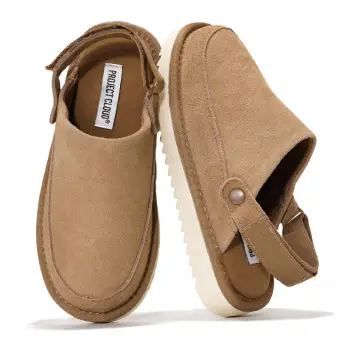
- Price and value proposition: Project Cloud costs far less. I paid under half the price of my last UGGs. The savings let me buy extra colors.
UGG carries brand history. The higher cost feels expected.
- Materials and construction: UGG uses twinface sheepskin. The fleece and outer surface come from one hide.
Project Cloud uses genuine suede or leather with faux-fur lining. Memory foam molds to my foot after a few wears.
- Weather performance: Project Cloud resists water better on wet sidewalks. My socks stayed dry longer.
UGG needs spray treatment first. It absorbs moisture faster without that step.
- Style range and versatility: Both offer mini boot shapes. Project Cloud gives more color choices.
UGG sticks closer to classic forms. I choose Project Cloud for outfits that need quiet neutrality.
- Longevity and care: My older UGGs last years with brushing. Project Cloud holds up well for two winters.
The foam softens sooner. Cleaning Project Cloud takes less effort.
- Weight and all-day ease: Project Cloud stays lighter on my feet. Longer walks feel less tiring.
UGG carries a denser feel. Short trips suit it better.
- Break-in period: Project Cloud needs almost no adjustment. Comfort starts immediately. UGG softens over the first few wears. Initial stiffness appears in some pairs.
Key Features Of Project Cloud
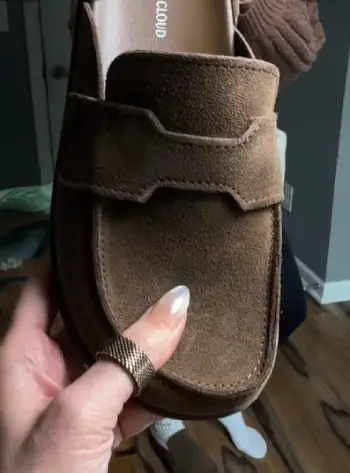
- Genuine suede or leather upper: The surface feels soft. It develops light character with use.
Scuffs show less than cheaper materials.
- Thick faux-fur lining: The interior delivers instant warmth.
It keeps loft in damp air. Shedding stays minimal.
- Memory-foam insole: Support reaches my arches.
Fatigue drops after long standing. The foam shapes to my foot quickly.
- Water-resistant finish: Shallow puddles cause less worry.
The treatment handles city moisture well. Deep snow still needs caution.
- Non-slip rubber outsole: Grip holds on slick pavement.
Sudden slides happen less often. Confidence rises on mild ice.
- Lightweight construction: The boots add little weight. Long days feel easier.
Legs stay freer.
- Easy slip-on design: Heel tabs help with entry.
No laces slow me down. Morning routines move faster.
- Consistent stitching quality: Seams stay neat after months of wear. Loose threads appear rarely. Overall build holds firm.
Pros Of Project Cloud
- Strong everyday comfort at lower cost: Two pairs cost less than one UGG pair. Value shows up fast. Daily wear feels justified.
- Immediate wearability: Break-in time stays short. Softness arrives from the first hour. Comfort starts right away.
- Better built-in weather resistance: Rain causes fewer stains. Light snow stays outside longer. Extra spray becomes optional.
- Wide color selection: Neutrals arrive in many shades. Matching outfits grows easier. Choice expands each season.
- Solid traction for city conditions: Pavement grip stays reliable. Mild ice feels safer. Walking confidence increases.
- Low maintenance routine: A wipe cleans most dirt. Occasional spray keeps appearance neat. Effort stays minimal.
- Good arch support from foam: Standing periods feel less hard. Feet recover faster after full days. Daily use stays pleasant.
- Affordable replacement cycle: Worn pairs cost little to refresh. Trying new colors stays easy. Risk stays low.
Cons Of Project Cloud
- Faux fur instead of natural sheepskin: Warmth arrives quickly. Breathability falls short on long indoor days. The feel differs from real fleece.
- Memory foam can compress over time: Heavy use softens the cushion. Support drops after two winters. Replacement arrives sooner.
- Brand prestige remains limited: Looks match higher brands. Recognition stays lower. Resale value stays modest.
- Fit can vary slightly by style: Some models run narrow. Toe space feels short at times. Recent reviews help selection.
- Not designed for deep snow or heavy outdoor use: Sidewalks suit them well. Trail conditions exceed their limit. Prolonged wet exposure risks damage.
- Less natural temperature control: Heat builds faster in warm rooms. Adjustment takes more effort. Comfort needs monitoring.
- Shorter peak softness window: Initial plushness fades earlier. Later seasons feel firmer. Fresh pairs restore the feel.
Key Features Of UGG

- Twinface sheepskin construction: One hide forms both sides.
Warmth feels natural. Heat adjusts with my body.
- UGGplush or natural sheepskin lining: Softness remains dense.
Barefoot wear stays comfortable. Moisture moves away better.
- Treadlite or sugarcane EVA outsole: Flex comes easily. Cushion feels steady.
Newer versions respond more underfoot.
- Classic silhouette options: Proportions stay consistent. Older pairs match new ones.
The look remains familiar.
- Brand recognition and consistency: Quality varies little between pairs. Standards stay high. Expectations match reality.
- Expandable collection: Slippers share the same material feel. Sneakers extend the range. Options grow inside one brand.
- Natural temperature balance: Sheepskin reacts to body heat. Overheating drops on mild days. Comfort stays steady indoors.
- Heritage craftsmanship details: Logo placement stays precise. Stitching patterns remain uniform. Finish quality shows care.
Pros Of UGG
- Unmatched natural softness and temperature regulation: Sheepskin balances heat well. Comfort spans indoor and outdoor ranges. Overheating happens less often.
- Proven durability with proper care: Shape holds for years. Loft remains with correct storage. Investment lasts longer.
- Iconic status and consistent quality: Expectations stay clear. Manufacturing standards remain steady. Results match the reputation.
- Breathable construction that works without socks: Moisture leaves the foot faster. Barefoot wear feels natural. Airflow stays better.
- Versatile within the brand ecosystem: Boots pair with matching slippers. Material language stays unified. Wardrobe options expand.
- Stronger long-term investment for frequent wear: Daily use over five winters justifies cost. Value appears over time. Replacement needs drop.
- Superior moisture management: Feet stay drier during activity. Odor builds slower. Freshness lasts longer between wears.
- Timeless silhouette appeal: Styles remain current across seasons. Pairing with new clothes stays simple. Visual impact holds steady.
Cons Of UGG
- Higher price tag that adds up quickly: One pair stays manageable. Multiple colors raise total cost fast. Budget feels the pressure.
- Requires regular protectant treatment: Water leaves marks without spray. Salt stains need more effort. Care becomes ongoing.
- Can feel too warm for milder days or heated indoor spaces: Insulation works against comfort in forties weather. Heat builds inside buildings. Adjustment becomes necessary.
- Limited color experimentation in core styles: Classics stay close to chestnut and black. Neutrals dominate each season. Variety stays smaller.
- Heavier maintenance commitment: Brushing takes time. Proper drying matters. Storage needs attention.
- Higher risk with untreated wear: One wet day causes visible damage. Recovery takes extra products. Neglect shows quickly.
- Slower initial comfort for some feet: New pairs feel firm at first. Full softness needs several uses. Patience becomes required.
How They Feel In Real Daily Use?

I rotated both pairs through the same two-week stretch of errands, short walks, and office days.
Project Cloud won on mornings when I needed to leave the house quickly and the forecast called for drizzle.
The memory foam supported my arches through longer standing periods at the grocery store or while waiting for transit.
UGG felt superior on dry, colder days spent mostly at home or moving between heated buildings. The natural lining never made my feet sweat the way some faux-fur pairs can after several hours.
Style-wise, both disappear under wide-leg pants or sit cleanly above skinny jeans. Project Cloud’s slightly thicker sole gives a subtle lift that I like with certain outfits.
UGG’s lower profile feels more traditional and pairs effortlessly with the rest of my casual wardrobe.
Who should choose which?
If you want maximum comfort for the money, plan to wear the boots most days through fall and winter, and prefer not to fuss with sprays and special cleaners, Project Cloud makes the stronger case. I reach for them more often simply because they demand less from me while still delivering the cozy look and feel I want.
If you already own UGGs and love the specific sensation of real sheepskin, or if brand heritage and long-term durability matter more than the initial outlay, stick with UGG. The difference in material is noticeable once you have experienced both, and that difference justifies the price for many people.
For most of us who just want warm, good-looking boots that survive real winter sidewalks without constant babysitting, Project Cloud currently offers the better balance.
Also Read: Is Kenetrek Lineman Boots Worth It?
Frequently Asked Questions (FAQ)
For everyday comfort, price, and low-maintenance wear, yes. The natural sheepskin of UGG still feels different and more premium, but the practical gap has closed enough that many people prefer the more affordable option.
Yes. Consistent positive feedback on comfort, materials, and value shows it delivers what most buyers expect at its price point.
No. It positions itself as accessible comfort footwear rather than luxury.
Project Cloud is one of the closest widely available alternatives in look, feel, and everyday function, especially in the mini-boot category.
Wrapping Up
I started this comparison expecting to declare a clear winner. Instead I found two pairs that serve different moments in the same season.
You might end up with both, the way I have. Or you might pick the one that matches how you actually move through your days.
Either way, your feet will stay warmer and more comfortable than they would in almost anything else hanging by the door.
Recent Posts
Provence Beauty retinol products attract attention from shoppers looking for smoother skin, fewer fine lines, and a more even complexion without spending a fortune.However, concerning customer...
The Hapbee Sleep Pad is marketed as a sleep-support device designed to promote relaxation and help users unwind at bedtime.However, despite its interesting technology, I would not recommend...