
If you want endless hot water, improved energy efficiency, and a space-saving alternative to a traditional tank heater, I believe a Noritz tankless water heater is worth considering.
Noritz offers several models designed for different household sizes and hot-water demands.
However, the right choice depends on your budget, installation requirements, water quality, and maintenance expectations.
I recommend considering Noritz if you want a modern, on-demand water heating system and are prepared to invest in professional installation and regular upkeep.
My Personal Experience With Noritz Tankless Water Heaters
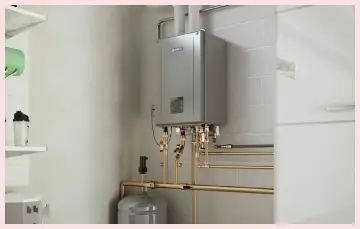
When I evaluate a tankless water heater, I look beyond the brand name.
I want to know how reliably it supplies hot water, whether it can handle multiple fixtures, how much space it saves, and what ownership might cost over time.
One of the first things that stands out to me about Noritz is its focus on tankless water heating.
Instead of keeping a large tank of water hot throughout the day, these systems heat water as it passes through the unit. That design can reduce standby heat loss and free up valuable storage space in a utility room, basement, or garage.
I also appreciate the flexibility of the Noritz product range. Different models offer different heating capacities, efficiency ratings, venting requirements, and installation options.
This matters because a small household with one bathroom has very different hot-water needs from a busy family that regularly runs showers, a dishwasher, and a washing machine at the same time.
However, I would not assume every Noritz model can comfortably supply an entire home under every condition.
Tankless performance depends on the incoming water temperature, the desired hot-water temperature, the unit’s heating capacity, and the total flow rate of the fixtures being used.
For example, a heater that performs well during warmer weather may deliver less hot water per minute when incoming water is much colder.
I would pay particular attention to this issue if I lived in a colder climate or needed to supply several bathrooms simultaneously.
Another factor I consider is the installation process. A tankless system may require compatible gas piping, appropriate venting, condensate drainage for certain models, and suitable electrical connections. Replacing a traditional tank heater is not always a simple swap.
I also recognize that actual owner experiences can vary. Without testing a specific model in my own home or reviewing verified owner data for that exact unit, I would not claim that every Noritz heater operates flawlessly or delivers identical results.
Overall, my assessment is that Noritz deserves consideration from homeowners who value compact equipment, on-demand hot water, and the potential for energy savings. The important part is choosing a model that matches your home’s real demands rather than buying based on brand reputation alone.
Pros Of Noritz Tankless Water Heaters
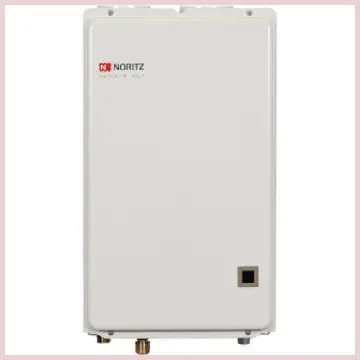
benefits. The value you receive, however, depends on the model, the installation, and how you use hot water.
- Continuous Hot Water During Normal Use
One of the strongest advantages is the ability to keep producing hot water while the unit operates within its capacity.
If you enjoy long showers, have a busy household, or frequently need hot water for cleaning, this can be appealing. You are not relying on a fixed tank of heated water that must be replenished after every heavy-use period.
I would still calculate your household’s simultaneous flow requirements before purchasing. A high-capacity model may be necessary for homes with several bathrooms or multiple showers running at once.
- Reduced Standby Heat Loss
Tankless water heaters generally avoid the standby heat loss associated with keeping a storage tank hot around the clock.
That does not automatically mean every Noritz unit will reduce your energy bill dramatically. Heating efficiency, hot-water demand, fuel prices, and installation quality all influence the outcome.
Nevertheless, I consider the design an advantage for people seeking a more efficient way to produce hot water.
- More Usable Space
A wall-mounted tankless unit can free up floor space that a traditional tank would otherwise occupy.
This is especially useful in smaller homes, apartments, and utility areas where every square foot matters.
The compact design may also provide more flexibility when planning a renovation. However, the installation location must still meet applicable venting, clearance, drainage, and service-access requirements.
- A Broad Selection of Models
Noritz offers multiple tankless water heater configurations rather than a single solution for every property.
I like having options because different homes need different capacities and installation arrangements. A small household may prioritize affordability and compact dimensions, while a larger family may need greater hot-water output.
Depending on the model range available in your market, you may find natural-gas, propane, indoor, or outdoor configurations.
I would compare rated flow, temperature-rise performance, efficiency, warranty terms, and fuel compatibility before making a decision.
- Potentially Long Service Life
A properly installed and maintained tankless water heater can provide many years of service.
Because tankless systems do not store a large volume of water in a conventional tank, they avoid some of the problems associated with storage-tank corrosion and eventual tank leakage. However, that does not make them immune to mineral scale, corrosion, component failure, or water-related damage.
I would treat regular maintenance as part of the purchase decision rather than an optional extra.
- More Flexible Installation Possibilities
The relatively compact size of tankless equipment can make it suitable for some locations where a large tank would be inconvenient.
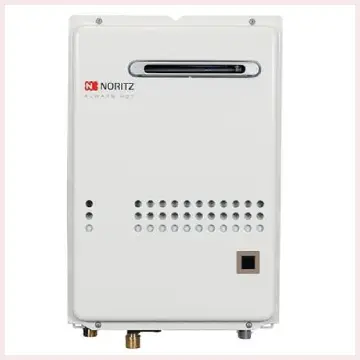
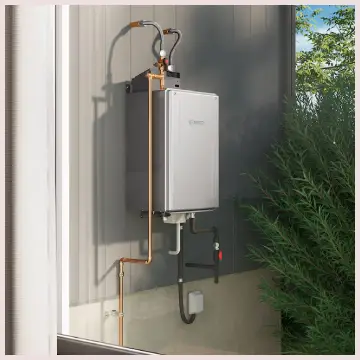
Certain Noritz models can be installed outdoors, potentially reducing the need for indoor venting arrangements. Indoor models, on the other hand, require the correct venting configuration and appropriate installation clearances.
This flexibility is helpful, but I would never choose a model solely because it fits a convenient spot. The location must be suitable for the specific equipment and local safety requirements.
Cons Of Noritz Tankless Water Heaters
- Higher Initial Installation Costs
Tankless water heaters can cost more to install than a straightforward replacement of a conventional tank heater.
Depending on the property, the installer may need to modify gas piping, upgrade venting, add condensate drainage, improve electrical connections, or adjust the plumbing.
These additional requirements can make a seemingly affordable unit considerably more expensive by the time it is operational.
My advice is to request a complete installation estimate before committing. The equipment price alone does not tell you the total cost of ownership.
- Performance Depends on Flow and Temperature Rise
Tankless systems must heat incoming water quickly enough to meet demand.
When incoming water is cold, the heater must work harder to reach your desired output temperature. Depending on the model’s capacity, this can reduce the amount of hot water it can deliver per minute.
If you frequently use multiple showers, kitchen taps, and appliances simultaneously, an undersized unit may not keep up.
I would pay particular attention to the manufacturer’s performance charts for the expected incoming water temperature.
- Mineral Scale Can Cause Problems
Hard water contains dissolved minerals that can accumulate inside a tankless heater’s heat exchanger.
Over time, scale buildup can reduce heat transfer, restrict water flow, increase operating noise, and contribute to overheating or performance problems.
This is one of the main reasons I consider water quality important when evaluating tankless equipment.
If your water supply is hard, you may need more frequent descaling or an appropriate water-treatment solution. A water softener is not automatically necessary for every home, so I would test the water and follow the manufacturer’s recommendations.
- Repairs Can Require Specialized Knowledge
Electronic controls, gas burners, sensors, and heat exchangers are more complex than the basic components found in some conventional water heaters.
When something goes wrong, you may need a technician familiar with the specific Noritz model.
Parts availability and repair costs can vary according to your location and the age of the equipment. I would check whether qualified service providers operate in your area before buying.
This is particularly important if you live somewhere where specialized tankless-heater support is limited.
- Hot Water May Not Arrive Instantly
A tankless heater does not eliminate the time it takes for hot water to travel through your plumbing.
If your bathroom is far from the heater, you may still need to wait for the cooler water already sitting in the pipes to clear.
Some systems can be paired with compatible recirculation arrangements, but those add complexity and may increase energy use depending on how they operate.
I would consider pipe layout and distance from the heater before expecting an immediate hot-water experience.
- Dependence on Supporting Utilities
Gas-fired Noritz models need an appropriate fuel supply and generally require electricity for their electronic controls and ignition systems.
During a power outage, many gas tankless units will not operate unless a suitable backup arrangement is available and approved for the equipment.
This is worth considering if your home experiences frequent electrical interruptions.
- Maintenance Is Still Necessary
Tankless does not mean maintenance-free.
Depending on the model and local conditions, the unit may require heat-exchanger descaling, filter cleaning, vent inspection, condensate-system checks, and other periodic servicing.
If you prefer an appliance that receives minimal attention, you should factor these responsibilities into your decision.
Maintenance For Noritz Tankless Water Heaters
- Descale the Heat Exchanger When Required
Mineral deposits are a common concern in areas with hard water.
As water passes through the heat exchanger, dissolved minerals can accumulate on internal surfaces. Heavy scale can interfere with heat transfer and may contribute to reduced flow or overheating.
For models that require periodic flushing, a qualified technician can circulate an approved descaling solution through the heat exchanger using the appropriate service connections and equipment.
The correct interval depends on water hardness and usage. Some households may need more frequent attention than others.
I would not use an arbitrary schedule without considering the manufacturer’s recommendations and local water conditions. Never open a hot system or attempt service without properly isolating the equipment and following the required safety procedures.
- Clean the Water Inlet Filter
Some Noritz models have a water inlet filter or screen that catches debris before it enters the unit.
Over time, sediment and other particles may collect there, restricting water flow and affecting operation.
I recommend checking the owner’s manual to identify the filter location and the approved cleaning procedure.
Before servicing it, the heater must be shut down and isolated as directed by the manufacturer. If you are unsure how to depressurize or access the filter safely, arrange professional assistance.
A clean filter can help preserve proper water flow and reduce the chance of problems caused by debris.
- Inspect the Venting System
For indoor gas-fired models, correct venting is essential for safe operation.
I would make sure the vent system is installed according to the manufacturer’s requirements and applicable local codes. Blockages, loose connections, damaged components, or improper venting arrangements can create serious safety concerns.
Outdoor models have different installation requirements, but their air intake and exhaust areas must still remain unobstructed.
Do not modify venting or attempt to repair gas connections yourself unless you are appropriately qualified. If you notice exhaust odors, signs of overheating, or a carbon monoxide alarm, leave the affected area and seek emergency assistance as appropriate.
- Check for Water Leaks
I would occasionally inspect the accessible plumbing connections around the heater for moisture, drips, corrosion, or unusual deposits.
Even a small leak deserves attention because persistent moisture can damage nearby materials and equipment.
If you notice water collecting beneath the unit, do not automatically assume the heater itself has failed. The cause could be a plumbing connection, pressure-related issue, condensate drain, or another component.
Have the source identified before deciding what needs repair.
If a leak is substantial or near electrical components, stop using the system if it is safe to do so and contact a qualified professional.
- Keep the Installation Area Clear
A tankless heater needs suitable clearance and access for servicing.
I would avoid storing boxes, cleaning products, or other items against the equipment. Outdoor units should also have adequate clearance from vegetation, debris, and anything that could obstruct their openings.
Keeping the area clear makes routine inspection easier and helps prevent accidental damage.
Always respect the clearances specified for the exact model. The fact that a heater is compact does not mean it can be installed in any small space.
- Monitor Error Codes and Performance Changes
If the heater displays an error code, I would record the code and consult the model-specific operating manual.
I would also pay attention to changes such as fluctuating water temperature, unusual sounds, reduced hot-water output, or repeated shutdowns.
An error code can help identify the relevant system, but it does not always reveal the root cause. Repeatedly resetting the heater without investigating the problem may delay necessary repairs.
Never bypass a safety control or attempt to defeat a fault-related shutdown.
Comparison For Noritz Tankless Water Heater With Other Brands
- Noritz vs. Rinnai
Rinnai is one of the most recognizable names in tankless water heating, making it a natural comparison for Noritz.
Both brands offer tankless systems in different capacities and configurations.
The best choice depends on the exact models being compared and the installation requirements of your home.
I would examine maximum flow rates at relevant temperature rises, efficiency ratings, warranty terms, control options, and the availability of qualified technicians.
Rinnai may be the better fit if its particular model, installer network, or warranty arrangement suits your location. Noritz may be more attractive if its available model offers the right performance and total installed price.
I would not declare a universal winner without comparing specific model numbers.
- Noritz vs. Navien
Navien is another important option, particularly for buyers interested in high-efficiency condensing tankless technology.
Certain Navien models include features such as integrated recirculation capabilities or other advanced system arrangements. Feature availability varies by product.
Noritz also offers different technologies and configurations, so I would compare the specific units rather than judging either brand solely by its reputation.
For me, the most important questions are whether the heater meets peak demand, whether the installation is practical, and whether local technicians can maintain it.
A feature-rich system is not necessarily the best investment if its added complexity or installation cost does not benefit your household.
- Noritz vs. Rheem
Rheem is a broad water-heating manufacturer with conventional tank heaters and tankless options.
I would compare Noritz and Rheem based on purchase price, rated performance, warranty conditions, parts availability, and the experience of local installers.
Rheem may be appealing to someone who wants to compare several types of water-heating equipment within one product range. Noritz may appeal to someone specifically considering its tankless lineup.
The total installed price is especially important here. A lower-priced unit may not be the cheaper option if it requires extensive plumbing or venting modifications.
- Noritz vs. Bosch
Bosch offers water-heating products across different categories, including tankless systems in relevant markets.
When comparing Bosch with Noritz, I would first confirm that the units are designed for the same fuel type, household demand, and installation environment.
I would then compare efficiency, temperature-rise performance, dimensions, service requirements, and the availability of replacement parts.
A compact heater can be a good fit for a small household, but the correct capacity still matters more than physical size alone.
I would choose the system that best balances performance, cost, and long-term serviceability.
Which Brand Would I Choose?
I would shortlist Noritz, Rinnai, Navien, Rheem, and Bosch based on the products actually available in my area.
I would then ask qualified installers to recommend suitable models for my household’s peak hot-water demand and provide comparable installation estimates.
My preferred option would be the unit that meets my hot-water requirements, has a clear warranty, can be serviced locally, and offers reasonable long-term ownership costs.
Brand reputation matters, but a correctly sized and professionally installed heater is a more useful starting point than choosing a famous name without checking the details.
Also Read: Is Takagi Tankless Water Heater Worth It?
Frequently Asked Questions (FAQ)
Yes. Noritz is an established tankless water heater manufacturer offering models for different household needs. Performance depends on model selection, installation, and maintenance.
Neither is universally better. Compare the specific models’ capacity, efficiency, warranty, installation costs, and local service availability.
A well-maintained tankless water heater can often last around 15–20 years, although actual lifespan depends on water quality, usage, installation, and servicing.
Common issues can include mineral scale buildup, ignition faults, blocked filters, fluctuating water temperatures, error codes, and problems with venting or condensate drainage.
Wrapping Up
I consider Noritz tankless water heaters a worthwhile option for homeowners who want space-saving equipment, on-demand hot water, and the potential for improved energy efficiency.
I would recommend buying one if you choose the correct capacity, confirm that local technicians can service it, and budget for professional installation and regular maintenance.
Before purchasing, compare the exact model with alternatives from Rinnai, Navien, and Rheem.
A well-matched system can be a smart long-term investment, but the best results come from choosing the right equipment for your household rather than relying on brand reputation alone.
5 Meta Description Variations
1. Read our Noritz tankless water heater reviews to explore the pros, cons, maintenance tips, lifespan, and how Noritz compares with leading brands.
2. Is a Noritz tankless water heater worth buying? Discover its key benefits, common problems, maintenance requirements, and competing brands.
3. Explore Noritz tankless water heater reviews covering hot-water performance, energy efficiency, installation costs, reliability, and maintenance.
4. Considering a Noritz tankless water heater? Learn about its advantages, disadvantages, expected lifespan, and comparison with Rinnai and Navien.
5. Find out whether Noritz tankless water heaters are right for your home with practical insights into performance, upkeep, costs, and common issues.
Recent Posts
If you want a beautiful blonde shade without spending a fortune at the salon, Garnier Olia Blonde 8.0 is worth considering. I like the idea of an at-home hair color that aims to deliver a...
ZzzQuil Vs. Breathe Right Nasal Strips: Which Opens Your Nose Better At Night?
I have spent months testing nasal strips on myself after years of light snoring and seasonal congestion that wrecked my sleep. My main goal here is to break down ZzzQuil nasal strips...