
I spent weeks switching between the North Face Borealis and the Patagonia Refugio for everything from daily commutes and campus runs to weekend travel and light hikes.
My goal here is simple: share what I learned so you can decide which backpack fits your life better.
Both are solid 28-30L daypacks built for real-world use, but they shine in different ways depending on how you carry, organize, and travel. I’ll break it all down with real-user insights from my own experiences.
| Feature | North Face Borealis | Patagonia Refugio |
| Capacity | 28L | 30L |
| Weight | ~2.5 lbs | ~1.75 lbs |
| Laptop Sleeve | Fixed, padded, protective | Removable padded sleeve |
| Organization | Multiple pockets, full panel | Improved front mesh + minimal internals |
| Comfort System | FlexVent suspension, structured | Breathable mesh, flexible |
| Exterior Storage | Iconic bungee + water bottle pockets | Stretchy side pockets + front options |
| Durability | Sturdy 600D+ recycled materials | 400D recycled polyester, DWR |
| Best For | Students, commuters, organization | Travel, packing cubes, lighter carry |
My First Impressions Unboxing Both
When the packages arrived, I immediately noticed the differences in feel. The Borealis felt more structured and ready for heavy loads right out of the box.
Its fabric has that tough, canvas-like texture in places that screams durability for everyday abuse. The Refugio, on the other hand, arrived lighter and softer, with a cleaner, more minimalist vibe that Patagonia does so well.
I remember slinging the Borealis over my shoulder first. The FlexVent system caught my attention immediately – those articulated shoulder straps and the padded back panel felt supportive even when empty.
Switching to the Refugio, it felt noticeably lighter, almost like I wasn’t carrying much at all.
That initial weight difference stuck with me throughout my testing.
Key Differences Between The North Face Borealis And Patagonia Refugio
I found these stand out the most after weeks of side-by-side use:
- Weight and Packability: The Refugio wins for lightness. At under 2 pounds, I could toss it into larger luggage without feeling burdened.
The Borealis is heavier but holds its shape better when packed full.
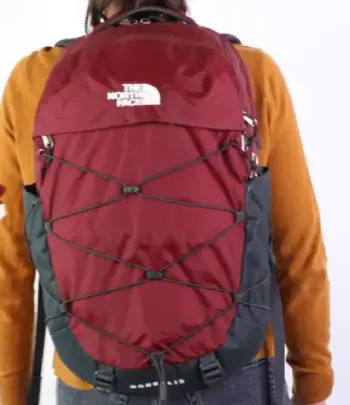
- Organization Style: Borealis gives you a full front organizer panel with zip pockets and spots for pens, cables, and small items.
Refugio keeps it simpler with open space that works great with packing cubes.
- Laptop Protection: Borealis has a fixed, elevated sleeve that protects your device from drops.
Refugio’s removable sleeve lets you leave the tech behind when you don’t need it.
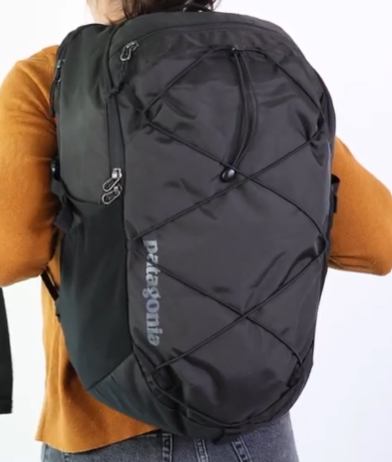
- Exterior Versatility: Borealis bungee system handles jackets, helmets, or yoga mats easily. Refugio relies more on stretchy pockets and compression.
- Fit and Torso Feel: Borealis feels more structured for all-day carry. Refugio offers a softer, more flexible ride that molds to your back.
These differences shaped how I used each bag in my daily routine.
Key Features Of The North Face Borealis
I really got to know this pack inside and out. Here’s what stood out:
- FlexVent Suspension System: Certified for comfort, with flexible yoke, padded mesh back, and breathable lumbar panel. I wore this loaded with books, laptop, and lunch for 10+ hours and my shoulders felt fine.
- Dedicated Laptop Compartment: Holds up to 15-inch devices safely with padding and a false bottom. I never worried about drops when setting it down.
- Bungee Cord System: Super handy for quick external storage. I clipped a light jacket or water bottle there constantly.
- Multiple Pockets: Water bottle pockets double as multi-use, front organizer, fleece-lined valuables pocket, and more.
- Sturdy Build: Recycled materials with DWR finish held up to rain, campus crowds, and airport handling without showing wear quickly.
- Reflective Details: Nice touch for early morning or evening commutes.
The Borealis feels like a reliable daily driver built for people who carry a lot of gear and want it organized.
Pros Of The North Face Borealis
From my testing, these are the real strengths I experienced:
- Excellent all-day comfort thanks to the structured harness: The FlexVent system with its articulated shoulder straps, rounded back panel, and soft chemise fabric really distributes weight evenly.
I tested it on long campus days filled with heavy textbooks, a laptop, water bottle, and snacks. Even after eight to ten hours, my shoulders and lower back felt supported instead of sore.
The breathable mesh prevented that sweaty buildup you get with cheaper packs, making it ideal for anyone who commutes or moves around a lot.
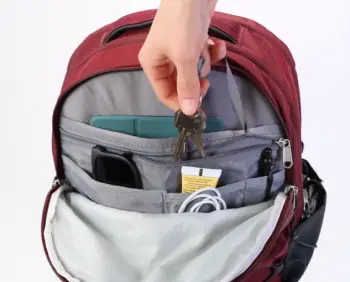
- Superior organization for students or professionals: The full front panel with multiple zippered pockets, pen slots, and dedicated spots for small tech like chargers and earbuds saved me so much time.
I could reach for my wallet or keys without unpacking everything.
The fleece-lined pocket kept my phone safe and scratch-free. This level of thoughtful internal layout makes it feel custom-built for busy days where quick access matters.
- Protective laptop setup that gave me peace of mind: The fixed sleeve sits elevated with extra padding and a false bottom.
During rushed subway rides or when I accidentally set the bag down hard, my 15-inch laptop stayed completely secure.
No shifting or worrying about impacts – something I truly appreciated after one close call on a trip.
- Versatile bungee for external gear: This iconic feature let me quickly secure a jacket, small blanket, or even a bike helmet without opening the main compartment.
It added practical flexibility I used almost every day, especially during variable weather or quick stops at the gym.
- Durable enough for years of heavy use: The mixed recycled fabrics, including tougher 600D sections, resisted abrasions from rough handling, zippers, and daily wear.
After weeks of testing in rain and crowds, it still looked fresh. This build quality gives confidence it will last through college, work commutes, or travel seasons.
- Great value considering the features and brand reputation: For what you get – comfort certification, ample storage options, and solid materials – it delivers strong performance without a premium price tag that empties your wallet.
I found myself reaching for the Borealis more when I had a full load or needed reliable structure in my routine.
Cons Of The North Face Borealis
No backpack is perfect. Here’s what bothered me during real use:
- Heavier than the Refugio, which became noticeable on long travel days: At around 2.5 pounds empty, the extra weight adds up when you’re walking through airports or hiking trails for hours.
While the harness compensates well, I definitely felt the difference compared to lighter options on multi-day trips where every ounce counts.
- Waist strap feels more like a stabilizer than true hip belt support for very heavy loads: It helps with balance but doesn’t transfer weight to the hips as effectively as higher-end packs.
On days when I overloaded it with books and gear, I wished for more substantial hip belt padding and adjustability.
- Less ideal for minimalist packing cube users: The dedicated organization panels and pockets eat into some flexible main compartment space.
If you prefer tossing in a couple of cubes and calling it done, the structured interior can feel a bit restrictive at first until you adapt your packing style.
- Can feel bulkier when fully packed: The stiffer build maintains shape nicely but makes the pack protrude more on crowded public transport or when trying to fit into tight overhead bins.
It’s not a dealbreaker, but something to consider for ultra-minimalist travelers.
These are minor for most people but worth noting if you prioritize ultralight travel or maximum flexibility.
Key Features Of The Patagonia Refugio
The Refugio surprised me with its versatility once I started using it regularly:
- Lightweight Recycled Construction: 400D polyester feels tough yet light. The whole pack stays manageable even when full.
- Removable Laptop Sleeve: Game-changer for me. I could pull it out for workdays or leave it home for casual outings.
- Hatch-Style Main Compartment: Easy access without digging deep. Packing cubes slide in perfectly.
- Stretchy Side Pockets: Fit large bottles securely. I carried a 32oz Hydro Flask plus coffee without issues.
- Breathable Back Panel: Stays cool during hikes or busy travel days.
- Updated Organization (Recent Versions): Front mesh pocket and internal options improved over older models.
It feels like a backpack that adapts to whatever adventure you throw at it.
Pros Of The Patagonia Refugio
I appreciated these aspects during my tests and daily rotations:
- Significantly lighter weight makes it easier for extended carry or travel: Coming in around 1.75 pounds, the Refugio feels almost weightless even when packed.
This made airport dashes, all-day city exploring, and light hikes much more enjoyable.
I could forget it was on my back during long walks, which encouraged me to carry more water or layers without hesitation.
- Removable laptop sleeve adds real flexibility: This feature stood out every time I switched uses. For pure travel or gym days, I left the sleeve at home to save weight and space.
On workdays, it provided solid 15-inch protection. It’s a thoughtful design that adapts to your needs instead of forcing one setup.
- Spacious main compartment that swallows gear without feeling stuffed: The 30L capacity and hatch-style opening let me pack efficiently.
Clothes, tech, and extras fit neatly, and the design prevents the bag from bulging awkwardly. I comfortably fit two days of clothing plus daily essentials on weekend trips.
- Excellent water bottle pockets that actually hold large sizes securely: The stretchy side pockets handled my 32oz bottle and a coffee tumbler simultaneously without slipping, even during movement.
This reliability eliminated constant readjustments I’ve experienced with lesser packs.
- Eco-friendly recycled materials with solid water resistance: The 400D fabric with DWR beaded water nicely in light rain.
Knowing it’s made from post-consumer recycled polyester added satisfaction, aligning with more sustainable choices without sacrificing performance.
- Clean, modern look that works in professional or casual settings: The minimalist aesthetic transitioned seamlessly from office meetings to trails.
It doesn’t scream “tech bag” or “hiking pack,” giving versatility across my varied weekly activities.
The Refugio shines when you want a pack that disappears on your back and handles changing plans gracefully.
Cons Of The Patagonia Refugio
A few things I noticed that could improve the experience:
- Less built-in organization compared to Borealis: You get basic mesh pockets and a front stash, but it relies heavily on your own pouches or cubes for small items.
If you carry lots of loose pens, cables, or accessories, you’ll spend more time searching or adding accessories. This simplicity works for some but frustrated me on hectic days needing instant access.
- Softer structure can sag a bit when overloaded: Without the Borealis-level rigidity, a very full pack sometimes lost shape, pressing unevenly against my back during longer carries.
It’s manageable but less confidence-inspiring under maximum loads.
- Sternum strap adjustments aren’t as precise in some versions: The hook-style mounting offers fewer fine-tuning options than sliding alternatives.
During hikes or runs, I occasionally fiddled with it to get the perfect fit, which was a small but repeated annoyance.
- Laptop sleeve key leash placement can be awkward to reach: When the sleeve is in the dedicated compartment, accessing the leash requires extra maneuvering.
It’s a minor design quirk that could be better positioned for frequent users who lock up bikes or lockers often.
These didn’t ruin the experience but required some adaptation from my side.
Which Feels Better To Carry All Day?
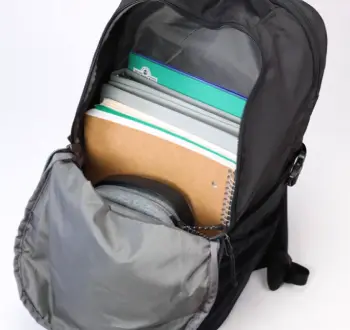
I tested both with similar loads – laptop, notebooks, water, snacks, and a jacket.
The Borealis edges out for structured support.
Its FlexVent system distributes weight nicely across shoulders and back.
After eight hours, I felt supported rather than strained.
The Refugio feels lighter and more breathable initially, great for shorter trips or warmer days.
However, with heavier loads, the softer build means more movement against your back.
For pure all-day comfort with a full pack, I preferred the Borealis. For lighter, flexible carry, the Refugio won me over.
Durability And Build Quality
Both use quality recycled fabrics with DWR treatments. The Borealis feels tougher overall with its mixed denier materials and reinforced areas. I tossed it around airports and campus without worry.
The Refugio holds up well too, especially for its lighter weight. Patagonia’s reputation for repairability is a bonus – if something breaks years later, they often stand behind it. Neither showed significant wear in my testing period, but the Borealis seems built for rougher daily abuse.
Which One Should You Choose?
After all my testing, I lean toward the Borealis if you value organization, structured comfort, and laptop protection. It’s the one I grab for busy weekdays.
Choose the Refugio if you want lighter weight, travel versatility, and simpler packing. Both are winners depending on your priorities.
You know your routine best. Think about what you carry most often and how you prefer to access it.
I’d recommend trying both in a store if possible, but my real-world weeks with them should give you a clear picture.
Also Read: Is Away Everywhere Backpack Worth It?
Frequently Asked Questions (FAQ)
It depends on you. The Borealis is better for organization and structured comfort. The Refugio wins for lighter weight and travel flexibility. Neither is universally superior.
The North Face Borealis generally feels more supportive for long hours with a full load thanks to its FlexVent system. The Refugio is lighter and breathable for moderate use.
Yes, often. Its lighter weight, removable sleeve, and packable nature make it great for flights and adventures. The Borealis works well too but feels more commuter-oriented.
Both deliver strong value. The Borealis often feels like you get more features for the price, while the Refugio’s durability and Patagonia’s ethos add long-term worth.
Wrapping Up
I hope this breakdown helps you pick the right pack for your needs.
Whether you go with the reliable structure of the Borealis or the adaptable lightness of the Refugio, both will serve you well for years with proper care.
Let me know in your mind which features matter most to you – that’s the real key.
Recent Posts
● Interactive 5-Zone Interior & Exterior Paint Blueprint Paint Coverage Calculator: Gallons, Primer, Square Footage & Cost Tap any architectural surface zone on the blueprint...
If you want smooth, shiny hair without spending a fortune on a premium styling tool, the Ella Bella hair dryer may be worth considering.In these Ella Bella hair dryer reviews, I’ll look...