
If you’re tired of juggling bags that fall short on space, comfort, or durability, let me tell you why the North Face Recon Daypack is the one you need to buy today.
I’ve put it through the wringer, and it handles everything from daily commutes to weekend hikes without missing a beat.
At around $125, it’s a steal for the organization and build quality you get. Trust me, once you sling it on, you’ll wonder how you managed without it. Don’t wait—snag one and see the difference yourself.
My First Experience With North Face Recon Daypack
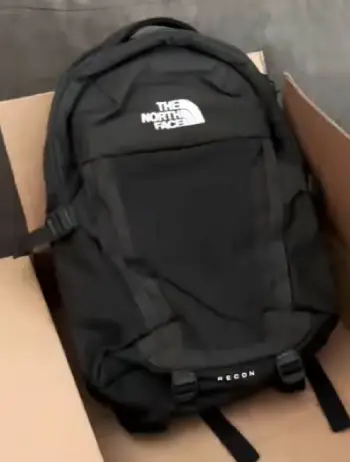
I’ve been using the North Face Recon Daypack for over a year now, and it’s become my go-to for just about everything.
Picture this: I start my day loading it up with my 15-inch laptop, a notebook, chargers, and a water bottle before heading to the office.
The padded laptop sleeve keeps my tech secure, and the front mesh pocket is perfect for stashing my keys or a quick snack without digging around.
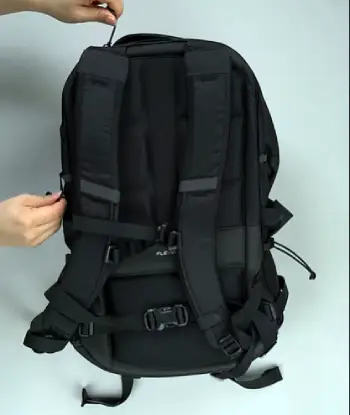
On my commute, the FlexVent shoulder straps feel like they’re molded to my body—they flex with my movements, so no sore shoulders even after a long walk or bike ride.
Last summer, I took it on a road trip across the state. I packed clothes for three days, toiletries, and even some trail mix in the main 30-liter compartment.
It fit under the airplane seat easily, and the daisy-chain attachments let me clip on extras like a lightweight jacket.
During a spontaneous hike, the sternum strap kept it stable on uneven terrain, and the breathable back panel prevented that sweaty feeling you hate.
I remember stopping at a viewpoint, pulling out my camera from the organized front pocket—it has slots for pens, cards, and small gadgets—and snapping photos without hassle.
Back home, it’s my everyday companion for errands. I toss in groceries, a book, or gym clothes, and the water bottle pockets hold my reusable bottle snugly, though I have to angle it just right sometimes.
One time, I got caught in a downpour, and the water-repellent finish kept everything dry inside.
It’s not fully waterproof, but it buys you time to find cover. Overall, this pack adapts to my life seamlessly, making me feel prepared without overcomplicating things.
If you’re like me, always on the move, you’ll appreciate how it simplifies your routine.
Pros Of North Face Recon Daypack
The North Face Recon Daypack shines in so many ways that I find myself reaching for it over other bags in my collection. Let’s break down what makes it stand out, starting with the aspects that have won me over time and again.
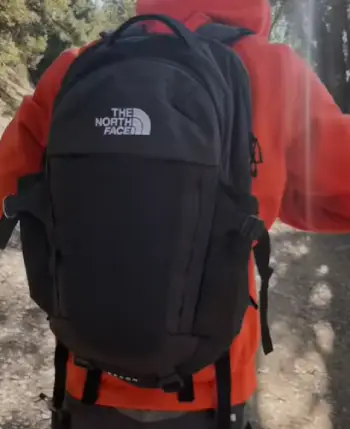
- Exceptional Comfort for All-Day Wear
You know that feeling when a backpack digs into your shoulders after just an hour?
Not with the Recon. The FlexVent suspension system is a game-changer—those articulated shoulder straps and rounded back panel distribute weight evenly, making it feel lighter than its 2.5-pound empty weight suggests.
I can load it up with 20 pounds of gear and still walk comfortably for miles. The straps are padded with dense foam that molds to your body, and the flexible mounting points adjust to different torso lengths.
Whether you’re tall or short, it fits like it was made for you. Add the adjustable sternum strap and removable hip belt, and you’ve got stability for active days.
- Impressive Organization That Keeps You Sorted
I can’t stress enough how the Recon’s compartments make life easier.
The large main area swallows books, clothes, or lunch without a fight, while the dedicated laptop sleeve protects up to a 16-inch device with padding on all sides.
In the front, there’s an organizer panel with slots for pens, your phone, wallet, and even a fleece-lined pocket for sunglasses to avoid scratches.
That external mesh pocket? It’s genius for quick-access items like a map or umbrella. Side pockets secure water bottles, and the daisy chains let you attach carabiners for extras.
Everything has its place, so you’re not rummaging endlessly.
As someone who hates chaos, this setup keeps me efficient—imagine grabbing your earbuds without unzipping the whole bag. It’s perfect for students, professionals, or travelers who value order.
- Durable Build That Lasts Through Real Use
Built from recycled nylon ripstop with a non-PFC DWR finish, this pack laughs off scrapes and spills. I’ve dragged it through dirt paths, stuffed it in overhead bins, and exposed it to rain, and it still looks sharp.
The YKK zippers are smooth and reliable, no snags even when overpacked. The bottom is reinforced, so it handles rough surfaces without tearing.
North Face backs it with a lifetime warranty, which gives me peace of mind. If you’re rough on your gear like I am, you’ll appreciate how it holds up without needing constant babying.
It’s not indestructible, but for the price, the longevity is top-notch.
- Versatile Design for Multiple Scenarios
What I love most is how the Recon adapts to whatever you’re doing. For work, it’s professional enough with its clean lines—no flashy colors unless you choose them.
On weekends, it transitions to a hiking companion with reflective details for low-light safety and compression straps to cinch down loads.
The 30-liter capacity is just right—not too bulky for city streets, yet spacious for overnight trips. I’ve used it for gym sessions, picnics, and even as a diaper bag substitute. You can customize it with optional bungee cords via the daisy chains for extra storage. If your life pulls you in different directions, this pack follows without complaint.
Cons Of North Face Recon Daypack
No bag is perfect, and the Recon has a few quirks that might bug you depending on how you use it. I’ll walk you through them honestly, based on my time with it.
- Limited Self-Standing Ability
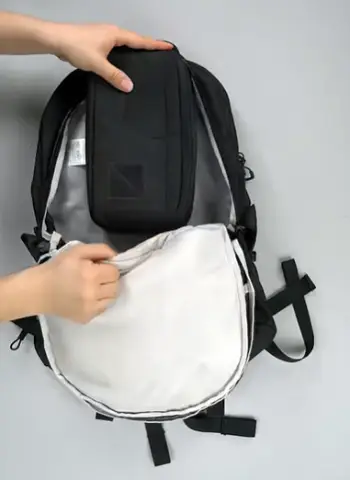
One thing that frustrates me is how the Recon doesn’t always stand upright on its own.
Unless you pack flat items at the bottom, like a folder or book, it tips over easily on uneven surfaces.
This means propping it against a wall or chair during breaks, which isn’t ideal in busy spots like cafes or airports.
If you need a bag that stays put without effort, this could be a drawback.
- Awkward Side Pocket Access
The water bottle pockets are functional, but the compression straps run across them, making it tricky to slide bottles in or out while wearing the pack.
You often have to loosen the straps or take it off, which slows you down on the go. For quick hydration during walks or rides, it’s not as seamless as I’d like.
- Minimal Laptop Protection from Drops
While the sleeve is padded, there’s only a slight false bottom, so if you drop the bag, your laptop might feel the impact.
It’s fine for gentle handling, but if you’re clumsy or in rough environments, you might want extra cushioning.
I’ve been careful, but it’s something to note.
- No Built-In Strap Keepers
Excess strap length dangles without keepers, giving a messy look and potentially snagging on things.
You can tuck them in, but it’s not a permanent fix.
For a polished appearance, this feels like an oversight.
- Not Ideal for Heavy Cycling
The back panel is comfortable for walking, but on bike rides, the structure can press uncomfortably if you’re leaning forward.
It’s better for casual commutes than intense cycling sessions.
Tips For North Face Recon Daypack
Keeping your North Face Recon in top shape isn’t complicated, but doing it right extends its life significantly. I’ve learned a few tricks over time to maintain mine, and I’ll share them here with you.
- Regular Spot Cleaning for Everyday Dirt
You don’t need to deep clean often, but spot treating keeps it fresh. Use a damp cloth with mild, unscented soap to wipe away stains or grime.
I do this weekly on high-touch areas like straps and the bottom. Avoid harsh chemicals—they can damage the DWR coating that repels water.
Gently scrub in circles, then rinse with a clean cloth.
Air dry away from direct sun to prevent fading. This quick routine prevents buildup and keeps the pack looking new.
- Deep Hand Washing When Needed
For tougher dirt after adventures, hand wash in a sink or tub.
Fill with lukewarm water and add a bit of gentle detergent—nothing with dyes or fragrances.
Submerge the empty pack, agitate softly with your hands, and use a soft brush for stubborn spots like zippers or pockets.
Rinse thoroughly until water runs clear, then press out excess without wringing to avoid creasing. Hang it upside down to dry naturally, perhaps with a fan for speed.
I’ve done this a few times after muddy hikes, and it revives the fabric without harm.
Skip the washing machine unless you bag it in a pillowcase on delicate cycle with cold water, but hand washing is safer.
- Protecting the Water-Repellent Finish
The DWR treatment is key for staying dry, but it wears over time.
To refresh it, after cleaning, you can apply a spray-on reproofing product made for outdoor gear.
I spray evenly, let it sit, then wipe excess. Heat activates it—tumble dry on low or use a hairdryer from a distance.
This restores beading water off the surface. Check the care label first, and do this every few months if you use it in wet conditions often.
- Proper Storage to Maintain Shape
Don’t stuff it in a tight spot when not in use. Store loosely in a cool, dry place, perhaps hanging or on a shelf.
Avoid compressing it long-term, as it can flatten the padding. I keep mine with the compartments open to air out, preventing odors.
If storing for seasons, clean it first and stuff with paper to hold shape.
- Zipper and Hardware Care
Zippers can gum up with dirt, so clean them with a toothbrush and soapy water.
Lubricate occasionally with wax or silicone spray for smooth operation.
Check buckles and straps for wear—tighten if loose. I’ve found this prevents breakdowns during use.
- Handling Odors and Mildew
If it gets smelly from sweat or spills, sprinkle baking soda inside, let sit overnight, then vacuum out.
For mildew, wipe with a vinegar-water mix and dry completely.
Prevention is best—air it out after wet days.
By following these, your Recon will serve you well for years. I’ve kept mine in great condition with minimal effort, and you can too.
Comparison North Face Recon Daypack With Other Brands
When you’re shopping for a daypack, it’s smart to see how the North Face Recon stacks up against competitors. I’ve compared it to several, analyzing fit, features, and performance to help you decide.
- Squaring Up to the Osprey Nebula
The Osprey Nebula offers a similar 34-liter capacity, edging out the Recon for those needing more room.
Its AirScape back panel breathes better in hot weather, which I prefer over the Recon’s for sweaty days.
However, the Recon’s organizer pockets feel more intuitive, with dedicated slots that the Nebula lacks in variety.
Comfort-wise, both have padded straps, but the Recon’s flexible mounting adapts better to body types.
Price is close, but if organization trumps ventilation for you, stick with the Recon—it’s less bulky for urban use.
- Measuring Against the Patagonia Black Hole Pack
Patagonia’s Black Hole emphasizes ruggedness with its waterproof TPU-laminated fabric, outperforming the Recon’s DWR in heavy rain.
I like how it packs down small for storage, unlike the Recon. But the Recon wins on comfort with its ergonomic system; the Black Hole’s straps feel stiffer on long carries.
Organization is basic in the Patagonia, missing the Recon’s fleece-lined pockets and daisy chains.
If weatherproofing is priority, go Patagonia, but for daily versatility, the Recon’s balance is superior.
- Going Head-to-Head with the Timbuk2 Authority
The Timbuk2 Authority focuses on laptop users with a raised sleeve for better protection, something the Recon could improve.
Its airmesh back panel cools effectively, similar to the Recon but with more channels. Yet, the Recon’s 30 liters feel roomier for non-tech items, and its side pockets are stretchier.
I find the Timbuk2’s build heavier, tipping scales at over 3 pounds versus the Recon’s lighter feel.
For tech-heavy commutes, Timbuk2 edges it, but the Recon’s affordability and adaptability make it a stronger all-rounder.
- Taking On the Deuter Speed Lite
The Deuter Speed Lite is sleeker for fast-paced activities, with a 20-liter size that’s nimbler than the Recon.
Its ergonomic fit rivals the FlexVent, but with better airflow. Drawback: limited pockets compared to the Recon’s array.
I appreciate Deuter’s lightweight frame, but the Recon’s volume suits broader needs. For minimalists, Deuter wins; for those carrying more, Recon’s capacity and features dominate.
Also Read: Is Lovevook Laptop Backpack Worth It?
Frequently Asked Questions(FAQ)
Yes, it’s versatile, comfortable, and durable for daily use.
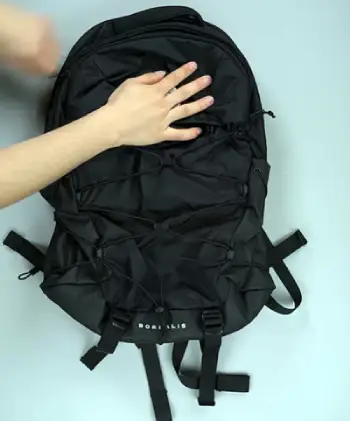
Recon if you need more organization and capacity; Borealis for external bungee storage.
Yes, from authorized sellers, but check reviews and seller ratings.
Absolutely, with great compartments and comfort for commutes, school, or errands.
Wrapping It Up
After all this, I stand by the Recon as a reliable, versatile daypack that enhances your routine.
It’s comfortable, organized, and built to last, making it worth every penny.
If you’re ready for a bag that keeps up with you, buy the North Face Recon now—you won’t regret it.
Recent Posts
● Interactive 5-Zone Interior & Exterior Paint Blueprint Paint Coverage Calculator: Gallons, Primer, Square Footage & Cost Tap any architectural surface zone on the blueprint...
If you want smooth, shiny hair without spending a fortune on a premium styling tool, the Ella Bella hair dryer may be worth considering.In these Ella Bella hair dryer reviews, I’ll look...