
I have used both the North Face Recon and Borealis backpacks extensively for daily commutes, weekend trips, and everything in between.
In this article, I compare them head-to-head so you can decide which one fits your needs better.
Whether you haul a laptop and books every day or need something versatile for travel and light hikes, I cover the real-world differences, strengths, and trade-offs based on my experience.
| Feature | North Face Recon | North Face Borealis |
| Capacity | 30L | 28L (Men’s), 27L (Women’s) |
| Weight | ~2 lbs 9 oz | ~2 lbs 5-9 oz |
| Dimensions (approx) | 19.3″ H x 11.6″ W x 7.5″ D | 19.5″ H x 12-13″ W x 6.5-9″ D |
| Front Storage | Large stretchy mesh stash pocket | Elastic bungee compression system |
| Laptop Sleeve | Up to 15-17″, dedicated | Up to 15″, dedicated |
| Stand-Up Ability | Slanted base, may tip | Better stability on flat surfaces |
| Suspension System | FlexVent with good padding | FlexVent, flexible and comfortable |
| Best For | Heavier loads, structured carry | Everyday urban use, quick access |
| Price Range | Similar mid-range | Similar mid-range |
My Journey With These Backpacks
I first picked up the Borealis for its sleek look and everyday practicality. It handled my laptop, notebooks, and gym clothes without feeling bulky.
Later, I switched to the Recon when I needed a bit more capacity for longer days. Both have the North Face quality I trust, but they shine in different situations.
I approach this comparison as a regular user who values comfort on crowded trains, quick access to gear, and durability that lasts through seasons of use.
Key Differences Between The North Face Recon And Borealis
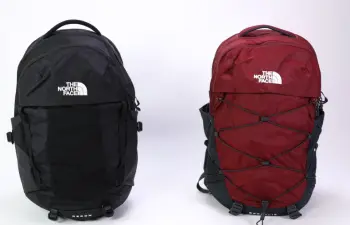
- Capacity and Size: The Recon gives you 30 liters, which feels noticeably roomier for bulkier items like a jacket or extra layers.
The Borealis at 28 liters (or less in women’s) stays more compact.
- Exterior Storage Style: Recon’s mesh stash pocket secures smaller items neatly without them slipping out.
Borealis uses a bungee system that lets you strap down a jacket or helmet quickly but can look messier.
- Shape and Stability: The Borealis often stands upright better when set down, great for quick stops.
The Recon has a slight slant that makes it lean sometimes unless packed carefully.
- Compression and Organization: Recon includes side compression straps for a slimmer profile when not full. Borealis relies more on its bungee for external adjustments.
- Overall Profile: Recon appears more professional and structured. Borealis has a sportier, flexible vibe that suits casual days.
These differences might seem small on paper, but they change how the pack feels during a full day of use.
Key Features Of The North Face Recon
- FlexVent Suspension: The padded back panel and articulated shoulder straps distribute weight comfortably, even when I load it with a laptop, books, and water bottles.
- Dedicated Laptop Compartment: It fits up to 15-17 inch devices securely with some padding, and I appreciate the separate access.
- Large Mesh Front Pocket: Perfect for stashing a light jacket, snacks, or quick-grab items without digging inside.
- Daisy Chains and Attachment Points: Useful for clipping extra gear like keys or a small pouch.
- Water Bottle Pockets: Sturdy and accessible, with one often having quick phone access.
- Durable Materials: Recycled ripstop nylon with water-repellent finish holds up against light rain and daily wear.
- Sternum Strap with Whistle: Adds security on longer walks and comes in handy in emergencies.
I find the Recon excels when I need structure and reliability for carrying heavier loads without fatigue.
Pros Of The North Face Recon
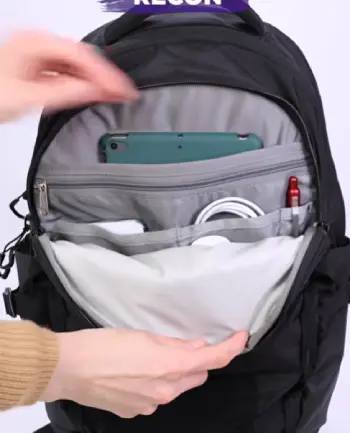
- Offers slightly more internal space for organization without feeling overstuffed: With its 30-liter capacity, I could easily fit a full day’s worth of work materials, including a 15-inch laptop, multiple notebooks, a water bottle, snacks, and even a light jacket inside the main compartment.
This extra room meant I did not have to rearrange items constantly or leave things behind, making my mornings smoother and less stressful during busy workweeks.
- The mesh pocket keeps items contained better than open bungees: Unlike designs where things might shift or fall out, the Recon’s stretchy front mesh pocket securely held my folded rain shell, gloves, or quick snacks.
It provided easy access without rummaging through the main section, and the solid bottom prevented small items from slipping through, which proved invaluable during rushed commutes.
- Comfortable for all-day carry thanks to thoughtful padding and adjustable straps: The FlexVent suspension system, combined with molded shoulder straps and a padded back panel, distributed weight evenly across my shoulders and back.
Even after eight hours of walking between meetings and transit, I experienced minimal fatigue or digging into my skin, something I noticed particularly on longer travel days.
- Looks polished enough for work or school settings: The structured silhouette and clean lines gave it a professional appearance that blended well in office environments or on campus.
I did not feel out of place carrying it into client meetings, unlike some bulkier or overly sporty packs that scream “hiking gear.”
- Side compression helps maintain a slim profile: When not fully loaded, the compression straps cinched everything down nicely, preventing the pack from bulging awkwardly on crowded trains or when storing it under a desk.
This feature helped it stay manageable in tight spaces without sacrificing the internal organization.
- Strong build quality that resists abrasions well: The recycled ripstop nylon withstood scrapes from bus floors, airport handling, and daily wear remarkably well.
After several months of heavy use, it still looked fresh with only minor scuffs, giving me confidence it would last through multiple seasons.
Cons Of The North Face Recon
- Can tip over more easily when placed on the ground due to its shape: The slightly slanted base meant that if I set it down quickly on uneven surfaces or with weight toward the front, it would lean or fall over.
This required me to be more mindful during quick coffee stops or when placing it beside my chair in cafes.
- The front pocket, while secure, holds less bulky items than a bungee might stretch to accommodate: Although great for contained storage, the mesh pocket had limits with oversized or irregularly shaped gear like a thick sweater or small helmet.
I sometimes had to stuff those into the main compartment instead, reducing the convenience for very quick external access.
- Slightly heavier feel in some comparisons, though not by much: At around 2 lbs 9 oz, I noticed a subtle difference in weight compared to lighter daypacks during very long treks.
It was not a dealbreaker, but on minimalist days it made the Borealis feel a bit more effortless to swing on and off.
- Limited false bottom in the laptop area means extra care for drops: The padding protects against normal bumps, but the minimal elevation left my laptop vulnerable if the pack was set down hard.
I learned to place it gently or add a sleeve for extra peace of mind during travel.
- Fewer external compression options compared to some rivals: While it has side straps, there are not as many attachment points or adjustable systems for securing extra layers or tools externally.
This occasionally forced me to choose between internal space and external carry flexibility.
Key Features of the North Face Borealis
- FlexVent System: Same reliable suspension that flexes with your movement for all-day comfort.
- Bungee External Storage: Great for quickly securing a sweater, yoga mat, or bike helmet.
- Multiple Compartments: Main area, front organizer, and tech sleeve give good separation for items.
- Water-Resistant Build: Handles commutes in variable weather effectively.
- Laptop Protection: Padded sleeve keeps devices safe during travel.
- Side Pockets: Functional for bottles and quick access.
- Versatile Design: Works seamlessly from classroom to trailhead.
The Borealis feels like a true everyday companion that adapts to whatever I throw at it.
Pros Of The North Face Borealis
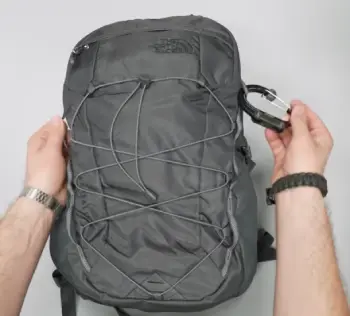
- Lighter and often feels more nimble during commutes: The slightly lower weight and flexible design made it easy to maneuver through crowded subways or airports.
I appreciated how it did not weigh me down during short walks between classes or errands, keeping me mobile without shoulder strain.
- Bungee system allows flexible external carry for awkward items: The elastic cords let me quickly secure a jacket, yoga mat, or even a small grocery bag without opening the main compartment.
This versatility shone during unpredictable weather days or when I needed hands-free transport for extra layers.
- Stands more stably on flat surfaces: The base design allowed the Borealis to sit upright reliably when I set it down in lectures, meetings, or cafes.
This stability reduced the chance of it tipping and spilling contents, which was a frequent frustration with other packs I had tried.
- Excellent value with solid organization for school or work: Multiple internal pockets and a dedicated tech sleeve kept my items sorted efficiently.
For the price, it delivered impressive compartment layout that helped me stay organized without needing extra accessories.
- Comfortable harness that does not dig in under load: The FlexVent system with soft padding adapted well to my movements.
Even when packed with textbooks or a change of clothes for the gym, the straps remained supportive and breathable during extended wear.
- Sporty yet practical aesthetic that fits many lifestyles: The design struck a nice balance that worked for campus life, casual office days, or weekend outings.
It looked modern without being flashy, making it easy to pair with different outfits.
Cons Of The North Face Borealis
- Slightly less total capacity, which shows when packing for longer outings: At 28 liters (or 27 for women’s), I sometimes ran out of room when adding a full set of travel clothes or extra gear for day trips.
This forced more careful packing choices compared to the Recon’s roomier interior.
- Bungee can snag or look cluttered compared to a clean pocket: While functional, the cords occasionally caught on clothing or railings, and when loaded it could appear less tidy.
In professional settings, this external storage sometimes drew more attention than the Recon’s discreet mesh pocket.
- Laptop sleeve position differs slightly, sitting higher in some models: The higher placement occasionally made accessing the main compartment feel slightly restricted when the pack was full.
I had to adjust my packing order to avoid pressure on the laptop area during heavy loads.
- Main compartment access can feel tighter when fully packed: The zipper layout and overall shape meant reaching deeper items required more effort once stuffed.
This was noticeable during quick stops when I needed something from the bottom.
- Hip belt is more of a basic stabilizer than full support: It provided some help with weight distribution but lacked the robust padding or adjustability of dedicated hiking packs.
For very heavy or long-distance carries, I felt the difference in lower back support.
Which One Should You Choose?
From my analytical view, pick the Recon if you value extra space, a more structured look, and contained storage.
Go with the Borealis if you prefer a sleeker profile, easy external attachment, and maximum everyday versatility.
Both use quality materials and the trusted FlexVent system, so you cannot go wrong with either. I alternate between them based on the day’s demands—you might do the same.
I recommend trying them on if possible, as fit is personal. Consider what you carry most: books and tech lean toward Recon’s organization, while quick urban adventures suit Borealis.
Real User Experiences And Tips
As someone who commutes in all weather, I appreciate how both resist light rain. I pack the Recon with layers for travel and use its daisy chains for a small tripod.
With the Borealis, I love tossing a jacket under the bungee for spontaneous stops.
Tip: Use packing cubes inside either to maximize space. For heavy loads, adjust the sternum strap on both for better balance.
Check the latest versions, as North Face updates materials occasionally for sustainability.
Over months of use, durability stands out. Zippers glide smoothly, and seams hold strong. Neither feels cheap despite the reasonable price point.
How They Perform In Different Scenarios?
For school or work, the Recon’s extra liters help with binders and a lunch bag.
The Borealis shines in tight spaces like public transit because of its compact feel. On day hikes, both carry essentials comfortably, but Recon handles a bit more gear.
For travel, I prefer Recon for one-bag potential on short trips.
Also Read: Comparison Of North Face Recon And Router
Frequently Asked Questions (FAQ)
Yes, especially if you need the extra capacity and structured storage for daily heavy use. It delivers reliable performance that justifies the cost.
It depends on you. Recon suits structured, higher-volume needs; Borealis works great for versatile everyday carry. Both rank highly among their lineup.
Newer versions use updated recycled materials, refined laptop compartments, and sometimes slimmer hip belts or pocket designs. Older ones may have thicker fabric or larger expandable pouches in some cases.
Absolutely for most users. Its comfort, organization, and durability make it a strong value for school, commute, or light adventures.
Wrapping Up
I have found both the Recon and Borealis to be excellent choices that reflect North Face’s attention to practical details.
You will appreciate the Recon’s roominess and contained storage for demanding days, while the Borealis offers flexibility and ease that fits lighter routines perfectly.
Take stock of what you carry most often, try the fit if you can, and choose the one that matches your lifestyle.
Either way, you get a dependable pack that will serve you well for years. What matters most is finding the right balance for your adventures—happy carrying!
Recent Posts
I tried Meltoway Hair Dissolving Cream because I wanted a quick way to deal with unwanted body hair without reaching for a razor every few days. If you are looking for a convenient at-home...
If you’re considering a saffron-based supplement to support mood, appetite control, and everyday wellness, Happy Saffron Plus is worth considering.I like that it takes a familiar botanical...