
As someone who’s spent countless hours in the kitchen experimenting with homemade nut milks, I’ve often found myself choosing between a nut milk bag and cheesecloth for straining.
In this article, I’ll compare these two tools analytically, highlighting their key features, pros, and cons to help you decide which one suits your needs best.
Whether you’re a beginner or a seasoned home cook, understanding their differences can make your plant-based milk-making smoother and more efficient.
| Feature | Nut Milk Bag | Cheesecloth |
| Material | Typically nylon or fine mesh fabric | Cotton or muslin fabric |
| Durability | High; reusable for hundreds of uses | Moderate; can tear easily and may need replacing after a few uses |
| Ease of Cleaning | Easy; machine washable or quick rinse | Moderate; requires thorough washing to avoid residue buildup |
| Fineness of Strain | Very fine mesh for smooth milk | Variable weave; finer grades for better strain but coarser ones leave pulp |
| Cost | Moderate initial cost, but long-term savings | Low cost per use, often disposable |
| Versatility | Primarily for nut milks, but good for juices and sprouting | Multi-purpose: straining stocks, cheeses, and more |
| Pulp Extraction | Efficient squeezing without mess | Requires folding and can be messy during squeezing |
| Environmental Impact | Reusable reduces waste | Often single-use contributes to waste unless reused carefully |
Key Differences Between Nut Milk Bags And Cheesecloth
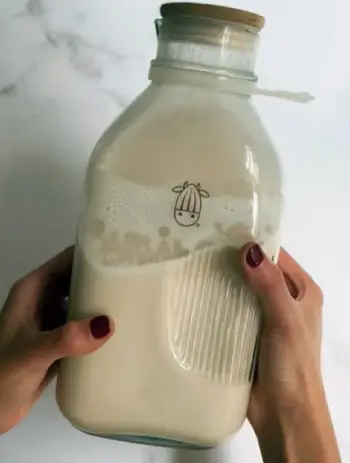
- Material composition and durability: Nut milk bags use sturdy nylon mesh that withstands repeated use and heavy squeezing, whereas cheesecloth’s cotton weave is softer but more susceptible to fraying and tears over time.
In my comparisons, this means bags last months or years, while cheesecloth often needs replacing after a handful of intense sessions.
- Strain fineness and pulp retention: Bags have a consistent ultra-fine mesh that captures minute particles for velvety smooth results every time; cheesecloth varies by grade, requiring me to select or layer appropriately to match that level, which adds an extra step.
- Ease of use and mess control: With a bag’s enclosed pouch and drawstring, I contain spills effectively, but cheesecloth demands careful folding and tying, often leading to drips and a wetter countertop during operation.
- Versatility in applications: Cheesecloth shines in diverse tasks like cheese-making or herb bundling, giving it broader kitchen utility, while nut milk bags are optimized for liquid extraction from pulps, limiting their scope but excelling in that niche.
- Cost and environmental considerations: Bags involve a one-time higher investment but reduce waste through reusability; cheesecloth is cheaper upfront but can generate more trash if not reused, prompting me to weigh long-term sustainability.
Understanding Nut Milk Bags
I’ve always appreciated how a nut milk bag simplifies the process of making homemade almond or oat milk.
These bags are designed specifically for straining blended nuts or grains from water, resulting in a creamy liquid free of pulp.
From my trials, the key is their specialized construction that focuses on efficiency in the kitchen.
When I first started making nut milks, I grabbed whatever was handy, but soon realized a dedicated tool like this makes a world of difference.
It’s essentially a pouch with a drawstring or zipper, allowing you to pour in the blended mixture and squeeze out the liquid.
The mesh is engineered to let liquid pass while trapping solids, and I’ve found it reduces the time I spend cleaning up afterward.
In terms of build, most are made from food-grade nylon, which resists staining and odors better than natural fibers.
I’ve used ones with reinforced seams that hold up even when I’m really wringing them out to get every last drop.
This durability means I don’t have to worry about rips mid-process, which has happened with other strainers I’ve tried.
Another aspect I analyze is the size variety. Some bags are small for single servings, while larger ones handle batches for the whole family.
I’ve opted for medium-sized ones that fit comfortably over a bowl, making the straining straightforward without spills.
Key Features Of Nut Milk Bags

- Fine mesh construction: This allows for a ultra-smooth strain, capturing even the tiniest particles of nut pulp, which I’ve noticed results in silkier milk compared to coarser tools.
In my kitchen tests, it prevents gritty textures that can ruin a latte.
- Drawstring or elastic closure: Keeps the bag secure during squeezing, minimizing mess on countertops.
I’ve found this feature invaluable when dealing with larger volumes, as it prevents the contents from shifting unexpectedly.
- Reusable and machine-washable: After use, I just rinse it under water or toss it in the laundry, extending its lifespan significantly.
This eco-friendly angle appeals to me, reducing my reliance on disposable items.
- Shape and design for easy handling: Often U-shaped or conical, which facilitates pouring and squeezing with one hand.
From experience, this ergonomic design cuts down on fatigue during repetitive tasks like making weekly batches.
- Food-grade materials: Ensures no chemicals leach into your milk, a priority for health-conscious users like me who scrutinize every kitchen gadget.
Pros Of Nut Milk Bags
- Exceptional durability leads to long-term use: I’ve had the same bag for over a year, using it weekly without any signs of wear, which saves money over time compared to constantly buying replacements.
- Provides a cleaner, pulp-free result: The fine mesh excels at filtering out sediments, giving me professional-quality nut milk that rivals store-bought versions in smoothness.
- Easy to clean and store: A quick rinse or dishwasher cycle, and it’s ready for next time; its compact foldability means it doesn’t clutter my drawers.
- Efficient for large batches: Handles more volume without tearing, ideal when I’m prepping for smoothies or recipes that call for multiple cups of milk.
- Reduces kitchen mess: The enclosed design contains spills better, something I’ve appreciated during rushed mornings when every second counts.
Cons Of Nut Milk Bags
- Higher upfront cost: While reusable, the initial purchase can be pricier than basic alternatives, which might deter beginners on a tight budget.
- Limited versatility beyond straining milks: It’s specialized, so I don’t reach for it when making broths or cheeses, requiring me to keep multiple tools on hand.
- Can retain odors if not cleaned promptly: From my mishaps, forgetting to rinse immediately after use led to lingering nut smells that took extra effort to remove.
- Squeezing requires some strength: For denser pulps like from cashews, it demands a firm grip, which could be challenging for those with hand issues.
- Potential for staining over time: Light-colored meshes might discolor from repeated exposure to pigmented nuts, though it doesn’t affect functionality.
Exploring Cheesecloth
Cheesecloth has been a staple in my kitchen for years, not just for nut milks but for a variety of tasks.
It’s a loosely woven cotton fabric that comes in different grades, from coarse to fine, allowing flexibility in straining.
When I compare it to specialized bags, I see its appeal in simplicity and accessibility.
In practice, I layer it over a colander or bowl, pour in the mixture, and gather the edges to squeeze.
It’s straightforward, but I’ve learned that the weave density matters—a finer one mimics the results of a nut milk bag, while coarser versions let more pulp through.
One thing I analyze is its traditional roots; it’s been used for centuries in cheese-making, hence the name, but adapts well to modern vegan recipes.
I’ve used it for everything from clarifying butter to wrapping herbs, showing its broad utility.
Availability is another plus; I can find it in most grocery stores, often in pre-cut squares or rolls. This ease of access means I don’t have to order online if I run out unexpectedly.
Key Features Of Cheesecloth
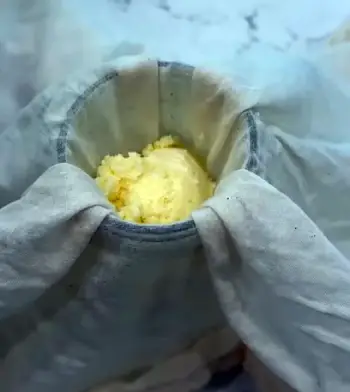
- Variable weave grades: Ranging from grade 10 (coarse) to grade 90 (fine), letting me choose based on the task—finer for nut milks to avoid chunks.
- Natural cotton material: Breathable and absorbent, which I’ve found helps in drawing out moisture effectively without imparting flavors.
- Disposable or reusable options: While often treated as single-use, I wash and reuse finer pieces multiple times, balancing convenience with sustainability.
- Large surface area: Comes in sheets that I can cut to size, providing coverage for big pots or bowls without seams getting in the way.
- Affordable and widely available: Low price point makes it accessible, and I always have some on hand for impromptu kitchen experiments.
Pros Of Cheesecloth
- Incredible versatility across kitchen tasks: Beyond nut milks, I’ve used it for straining yogurt, making jelly, or even dusting flour, making it a multi-tool in my arsenal.
- Low cost makes it beginner-friendly: A pack is inexpensive, so I don’t hesitate to experiment without fearing waste.
- Allows for customizable layering: By folding multiple layers, I achieve finer filtration, adapting to different pulp consistencies on the fly.
- Biodegradable nature: Being cotton, it decomposes if discarded, which aligns with my preference for eco-conscious choices over synthetic alternatives.
- Easy to cut and shape: I tailor it to fit any container, providing flexibility that rigid tools lack.
Cons Of Cheesecloth
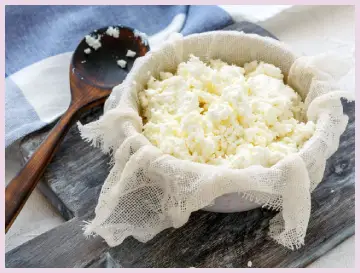
- Prone to tearing under pressure: When squeezing hard, especially with wet pulp, it can rip, leading to spills that frustrate me mid-process.
- Requires more cleanup effort: Residue clings to the fibers, necessitating soaking and scrubbing, which takes longer than rinsing a smooth bag.
- Inconsistent results with coarser weaves: Cheaper versions let too much sediment through, resulting in grainy milk that I’ve had to re-strain.
- Not as efficient for squeezing: The open design means liquid can escape sideways, creating messier workstations in my experience.
- Potential for lint or fibers in food: If not high-quality, loose threads might contaminate the milk, something I’ve encountered with bargain brands.
How To Use A Nut Milk Bag Effectively?
From my hands-on approach, starting with a nut milk bag involves soaking nuts overnight, blending them with water, then pouring into the bag over a bowl.
I gently massage the bag to extract liquid, twisting the top for maximum yield. This method yields about 4 cups from a cup of almonds, and I’ve refined it to minimize waste.
One tip I’ve discovered is to turn the bag inside out for cleaning, ensuring no pulp hides in seams.
For storage, I hang it to dry fully to prevent mold. In analyzing efficiency, this tool cuts straining time by half compared to makeshift methods.
I’ve experimented with different nuts—almonds require less pressure, while hazelnuts benefit from a slower squeeze to avoid bitterness. Overall, it’s user-friendly for anyone venturing into dairy alternatives.
Practical Applications Of Cheesecloth
Cheesecloth’s flexibility lets me use it beyond milks; for instance, in making ricotta, I wrap curds and hang to drain whey. For nut milks, I drape it over a sieve, pour, and gather edges to press.
In my trials, double-layering finer cheesecloth approximates a bag’s results, but it absorbs more liquid, reducing yield slightly. Cleaning involves boiling to sanitize, which I’ve found revives it for reuse.
It’s great for infusing oils or straining bone broths, where its breathability allows flavors to develop without trapping unwanted bits. This multi-functionality makes it a go-to for varied cooking styles.
Maintenance And Longevity Tips
Maintaining these tools is crucial for longevity. For nut milk bags, I rinse immediately post-use with warm soapy water, then air dry. Occasional vinegar soaks remove stains, extending life.
Cheesecloth needs gentle handling; I wash in hot water without bleach to preserve fibers. Storing flat prevents creases that weaken the weave.
Analytically, proper care turns a bag into a multi-year investment, while cheesecloth might last 5-10 uses if treated well. This impacts overall cost-effectiveness in regular use.
Cost Analysis Over Time
Breaking down costs, a good nut milk bag runs $10-15, lasting 200+ uses, equating to pennies per batch. Cheesecloth packs cost $5 for several yards, but frequent replacements add up if you’re straining weekly.
In my budget reviews, bags win for heavy users, while cheesecloth suits occasional experimenters. Factoring in time saved from less mess, bags often provide better value.
Environmental Impact Considerations
Sustainability matters to me. Nut milk bags, being reusable, cut down on plastic waste from store-bought milks and disposable strainers. Cheesecloth, if organic cotton, is biodegradable, but single-use habits negate that.
I’ve switched to reusable options to minimize my footprint, and bags align better with zero-waste goals. However, sourcing ethical cheesecloth supports eco-friendly farming.
For nut milk bags, I love a simple almond milk: blend 1 cup soaked almonds with 4 cups water, strain, and add vanilla. The bag ensures creaminess for coffees.
With cheesecloth, try cashew cheese: blend soaked cashews, strain excess water, then ferment. Its absorbency helps achieve the right texture.
These recipes highlight how each tool enhances specific outcomes, based on my kitchen adventures.
When To Choose Nut Milk Bag Over Cheesecloth?
If you’re focused on nut milks regularly, the bag’s design streamlines the process. Its durability suits daily use, as I’ve found in my routine.
For beginners, it reduces frustration from tears or inconsistencies. Analyze your frequency—if weekly or more, it’s worth the investment.
When Cheesecloth Might Be Better?
For multi-taskers, cheesecloth’s adaptability wins. If your kitchen involves cheeses, jellies, or stocks, it’s more practical.
Budget-wise, it’s ideal for testing waters without commitment. In my view, it’s perfect for occasional users exploring options.
Frequently Asked Questions (FAQ)
It’s designed to strain blended nuts from liquid, producing smooth homemade milk without pulp.
Typically 100-200 times with proper care, depending on material quality.
Yes, but it’s slower and may clog, suitable only for small batches.
No, a jelly bag is finer and more structured, while cheesecloth is looser woven fabric.
Wrapping Up
Looking back, I’ve shared my insights on nut milk bags and cheesecloth, drawing from real kitchen experiences to help you navigate your choices.
You might find a nut milk bag transforms your routine if smoothness and ease are priorities, or cheesecloth fits if versatility calls.
Whichever you pick, experimenting will refine your approach—give it a try and see what works for you.
Recent Posts
● Interactive 5-Zone Interior & Exterior Paint Blueprint Paint Coverage Calculator: Gallons, Primer, Square Footage & Cost Tap any architectural surface zone on the blueprint...
If you want smooth, shiny hair without spending a fortune on a premium styling tool, the Ella Bella hair dryer may be worth considering.In these Ella Bella hair dryer reviews, I’ll look...