
When my baby struggled with cow’s milk protein sensitivity, feeding became stressful fast.
I wanted a formula that was gentle, practical, and designed for babies who could not tolerate regular milk-based formulas.
That is where Nutramigen caught my attention. In my experience, it stands out because its extensively hydrolyzed protein is designed to be easier for sensitive babies to tolerate.
If your pediatrician recommends an extensively hydrolyzed formula for your baby, I think Nutramigen is worth considering.
My First Experience With Nutramigen Hypoallergenic Formula
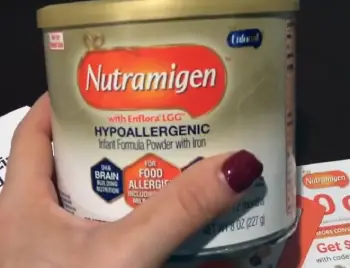
My first impression of Nutramigen was that it was clearly made for a different feeding situation than an ordinary infant formula.
When a baby has symptoms linked to cow’s milk protein, simply switching between standard formulas may not solve the problem. I wanted something specifically formulated for babies with dietary sensitivities, and that was the main reason I considered Nutramigen.
The biggest difference I noticed was the protein approach. Nutramigen uses extensively hydrolyzed casein protein, meaning the protein is broken down into much smaller pieces.
The idea is straightforward: smaller protein fragments may be less likely to trigger a reaction in babies who are sensitive to intact cow’s milk proteins.
I also had to adjust my expectations regarding taste and smell. Hypoallergenic formulas can smell and taste quite different from standard formulas. Nutramigen has a distinctive flavor, and I would not expect it to taste like ordinary milk-based formula.
If your baby initially refuses it, I would not immediately assume that the formula is unsuitable. Some babies simply need time to accept the different taste.
What mattered more to me was how my baby handled feeding. With a sensitive stomach, I paid attention to everything—spit-up, stool changes, fussiness, gas, skin symptoms, and overall comfort. I found that monitoring these patterns was much more useful than judging the formula after a single bottle.
Another thing I appreciated was the convenience of having a formula specifically designed around cow’s milk protein sensitivity.
I did not have to guess whether a standard formula was gentle enough. At the same time, I would not recommend changing formulas repeatedly without professional guidance. Infant feeding problems can have several causes, and symptoms such as persistent vomiting, poor weight gain, blood in the stool, swelling, breathing difficulty, or severe diarrhea deserve prompt medical attention.
Overall, my experience made me view Nutramigen less as an ordinary formula choice and more as a specialized feeding option. For the right baby, that distinction can make a major difference.
Pros Of Nutramigen Hypoallergenic Formula

- Extensively Hydrolyzed Protein
The biggest advantage for me is the extensively hydrolyzed protein. If your baby has cow’s milk protein sensitivity, this feature is the reason Nutramigen can be considered in the first place.
The protein is broken into smaller fragments before your baby consumes it. For babies who struggle with intact milk proteins, this can make feeding more manageable.
I like that the formula is built around a specific nutritional challenge rather than simply being marketed as “gentle.”
- Designed for Sensitive Babies
Nutramigen is formulated for infants who may have difficulty tolerating regular cow’s milk-based formulas. That gives parents a more targeted option when standard formula is not working well.
If you have already tried a conventional formula under professional guidance and your baby continues to experience concerning symptoms, a specialized formula may be worth discussing with your pediatrician.
- May Help With Cow’s Milk Protein-Related Symptoms
For babies whose symptoms are genuinely related to cow’s milk protein sensitivity, removing or extensively breaking down the triggering protein can help reduce symptoms.
The possible signs can include digestive discomfort, excessive fussiness, changes in stool, vomiting, or skin-related symptoms. However, I would be careful here: these symptoms can have many causes.
I would never assume that every crying baby needs hypoallergenic formula.
- Nutritionally Complete Infant Feeding Option
One of the things I value in an infant formula is that it should provide appropriate nutrition when used as directed. Nutramigen is designed as an infant formula rather than merely a supplemental drink.
That makes it more practical for families who need formula feeding as part of their baby’s nutritional routine.
- Convenient for Busy Parents
Once I found a formula my baby could tolerate, consistency became important. I did not want to spend every feeding wondering whether another formula would cause trouble.
A ready-to-follow formula preparation routine can make life easier, especially during nighttime feedings. You still need to prepare it exactly according to the instructions, but having a specialized option available can reduce some of the uncertainty.
- Useful When Regular Formula Is Not Well Tolerated
I think this is where Nutramigen makes the most sense. If your baby has been advised to use an extensively hydrolyzed formula, having a product specifically designed for that purpose can be reassuring.
You are not simply hoping a random “sensitive” formula works.
Cons Of Nutramigen Hypoallergenic Formula
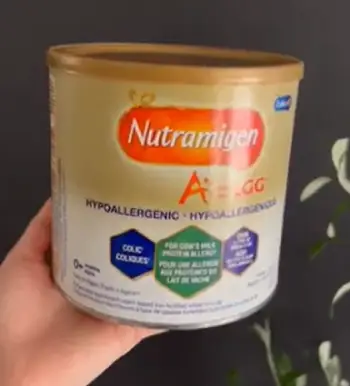
- Distinctive Taste
This is probably the most noticeable drawback. Hydrolyzed formulas can taste significantly different from standard formulas.
Some babies accept the flavor quickly, while others strongly object. If your baby has already become accustomed to a sweeter standard formula, switching can be challenging.
- Higher Cost
Specialized infant formulas can be expensive. If your baby needs Nutramigen as a primary source of nutrition, the monthly cost can become significant.
I would consider the full feeding cost rather than judging the price of a single container.
- Strong Smell
Nutramigen may have a smell that parents find unusual. I would not use smell alone as a reason to reject it because the formula’s protein processing contributes to its distinctive characteristics.
- Not Suitable for Every Digestive Problem
This is an important limitation. Nutramigen is not a universal solution for gas, reflux, constipation, or ordinary fussiness.
If the underlying issue is something other than cow’s milk protein sensitivity, changing to Nutramigen may not provide the result you expect.
- Some Babies May Need Another Specialized Formula
Not every baby with a suspected milk protein allergy responds adequately to an extensively hydrolyzed formula.
In more severe cases, a healthcare professional may recommend a different nutritional approach. That is why I would treat Nutramigen as one option within a medical feeding plan rather than as a guaranteed solution.
- Transition Can Take Patience
A baby who has been drinking another formula may not immediately accept Nutramigen.
I would avoid making several changes at once. When you change the formula, feeding schedule, bottle, nipple, and other variables simultaneously, it becomes much harder to understand what is actually helping.
Maintenance Tips For Nutramigen Formula
- Follow Preparation Instructions Exactly
This is the most important rule I would emphasize.
Measure water and powder precisely according to the product instructions. Do not make the formula more concentrated because you think your baby needs extra nutrition, and do not dilute it to make it last longer.
Incorrect preparation can affect the nutritional balance and safety of the feed.
- Wash Your Hands Before Preparation
Before preparing a bottle, I make hand hygiene a priority. Clean hands reduce the chance of introducing unwanted germs into the feeding process.
Infants are particularly vulnerable to infections, so simple preparation habits matter.
- Keep Feeding Equipment Clean
Bottles, nipples, caps, and other feeding equipment should be cleaned and handled according to appropriate infant-feeding hygiene practices.
I would not assume that a quick rinse is enough. Milk residue can remain in small areas, especially around nipples and bottle rings.
- Store Powder Properly
Keep the container closed and store it according to the manufacturer’s instructions. Avoid excessive heat, moisture, or contamination.
I also prefer using clean, dry measuring equipment rather than allowing moisture to get into the powder container.
- Check the Container Before Use
Before preparing a bottle, I would check the container and powder for anything unusual. If the packaging is damaged or the product appears contaminated, I would not use it.
It is better to replace questionable formula than take a risk with an infant’s feeding.
- Do Not Save Leftover Formula
Once a baby has started drinking from a bottle, bacteria can be introduced through saliva. I would not save unfinished formula for another feeding unless specific professional guidance says otherwise.
When in doubt, discard it.
Comparison Of Nutramigen With Other Hypoallergenic Formula Options
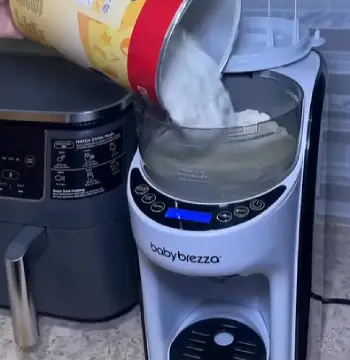
- Nutramigen vs Extensively Hydrolyzed Alternatives
Nutramigen sits in the extensively hydrolyzed formula category, so its closest alternatives are formulas that use similarly broken-down proteins.
When I compare these options, I would look beyond the brand name. Protein source, carbohydrate ingredients, fat blend, added nutrients, preparation requirements, availability, cost, and most importantly, how your baby tolerates the formula all matter.
One baby may tolerate one extensively hydrolyzed formula better than another.
- Nutramigen vs Amino-Acid-Based Formula
This is a more significant distinction. Amino-acid-based formulas do not rely on extensively hydrolyzed protein in the same way. Instead, they provide individual amino acids.
For babies with severe cow’s milk protein allergy or babies who do not respond adequately to extensively hydrolyzed formulas, a healthcare professional may consider an amino-acid-based option.
I would not make that switch casually because it represents a different nutritional strategy.
- Nutramigen vs Standard Cow’s Milk Formula
The difference is much clearer here. Standard formulas generally contain intact cow’s milk proteins, while Nutramigen uses extensively hydrolyzed casein protein.
If your baby has confirmed or strongly suspected cow’s milk protein sensitivity, these products serve very different purposes.
For babies without a relevant sensitivity, however, a specialized formula may not provide an advantage simply because it sounds gentler.
- Nutramigen vs Soy-Based Formula
Soy formula is another category entirely. Switching from cow’s milk formula to soy is not automatically equivalent to choosing an extensively hydrolyzed formula.
Some infants with cow’s milk protein allergy may also have reactions to soy, which is another reason I would discuss formula selection with a pediatrician rather than treating all alternative formulas as interchangeable.
Who Should Consider Nutramigen?
I would consider Nutramigen most appropriate for families whose pediatrician has recommended an extensively hydrolyzed formula because of suspected or confirmed cow’s milk protein sensitivity.
It may be particularly relevant when a baby has persistent symptoms that fit a milk-protein-related pattern and has not done well on a standard formula.
However, I would not choose it simply because my baby is occasionally gassy or fussy. Infant digestion changes frequently, and normal spit-up or temporary fussiness does not automatically mean there is an allergy.
Your baby’s age, symptoms, growth, medical history, and feeding pattern should all be considered.
Who May Need A Different Option?
If your baby has a severe allergic reaction or does not improve with an extensively hydrolyzed formula, a pediatrician may recommend another approach.
Likewise, if the main problem is unrelated to cow’s milk protein, Nutramigen may not address the actual cause.
This is why I think professional guidance is particularly important with infant formula. Babies cannot tell you what is wrong, and symptoms can overlap between different conditions.
Also Read: Is Beechnut Baby Food Worth It?
Frequently Asked Questions (FAQ)
Possible issues include taste-related refusal, gas, stool changes, or digestive discomfort during adjustment.
There is no single best option for every baby. The right formula depends on your baby’s specific needs and medical guidance.
Some babies may improve within days, while others may take longer. Follow your pediatrician’s guidance.
Its main benefit is extensively hydrolyzed protein; common drawbacks include cost, unusual taste, and smell.
Final Verdict
After looking at Nutramigen from a practical parent-focused perspective, I see it as a specialized formula rather than a general-purpose upgrade from ordinary infant formula.
If your baby has cow’s milk protein sensitivity and your pediatrician recommends an extensively hydrolyzed formula, I think Nutramigen is worth considering because its protein is broken down specifically to make feeding easier to tolerate.
The taste and price can be drawbacks, but for the right baby, the potential feeding benefits can make those compromises worthwhile.
If it fits your baby’s needs, I would consider buying Nutramigen with professional guidance.
Recent Posts
I tried Meltoway Hair Dissolving Cream because I wanted a quick way to deal with unwanted body hair without reaching for a razor every few days. If you are looking for a convenient at-home...
If you’re considering a saffron-based supplement to support mood, appetite control, and everyday wellness, Happy Saffron Plus is worth considering.I like that it takes a familiar botanical...