
As someone who’s been lifting weights and experimenting with supplements for years, I’ve often found myself comparing budget-friendly options to premium brands.
In this article, I’ll break down Nutricost Creatine versus Optimum Nutrition Creatine to help you decide which fits your fitness goals and wallet.
My main intent is to provide an honest, user-focused analysis based on real experiences, features, and value, so you can pick the right one without the hype.
| Feature | Nutricost Creatine | Optimum Nutrition Creatine |
| Type | Micronized Creatine Monohydrate | Micronized Creatine Monohydrate |
| Serving Size | 5g | 5g |
| Servings per Container | 100 (500g) | 120 (600g) |
| Price (Approximate) | $20-25 | $25-30 |
| Flavors Available | Unflavored, Blue Raspberry, Fruit Punch, and more | Unflavored, Blueberry Lemonade |
| Certifications | None specified | Banned substance tested (Informed Choice/NSF equivalent) |
| Average Rating | 4.6/5 (over 60,000 reviews) | 4.6/5 (over 99,000 reviews) |
| Key Selling Point | Affordable and straightforward | Premium quality and trusted purity |
What Creatine Really Does For Your Workouts?
I’ve taken creatine for ages, and it’s one of those supplements that actually delivers if you use it right.
At its core, creatine monohydrate helps your muscles produce energy during high-intensity efforts, like that last rep on a heavy squat.
From my routine, I notice quicker recovery between sets and a bit more strength over time.
Both Nutricost and Optimum Nutrition stick to the proven form—micronized creatine monohydrate—which means finer particles for better absorption.
No fancy blends here; it’s pure stuff that gets the job done without unnecessary additives.
When I first started, I worried about bloating or side effects, but with these brands, it’s minimal if you stay hydrated. Think of it as fuel for your ATP system—your body’s quick-energy pathway.
Studies show it can boost muscle mass by 5-10% in the first few months, but results vary based on your diet and training.
As a regular gym-goer, I appreciate how it lets me push harder without feeling drained the next day.
Key Differences Between Nutricost And Optimum Nutrition Creatine
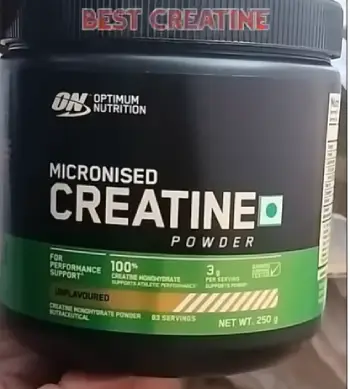
When I stack these two side by side in my supplement cabinet, the contrasts become clear. Here’s how they differ, based on my hands-on comparison:
- Pricing and value: Nutricost edges out as the cheaper option, often under $0.25 per serving, while Optimum Nutrition sits around $0.30.
If you’re on a tight budget like I was starting out, Nutricost saves cash without skimping on basics.
- Certifications and testing: Optimum Nutrition boasts banned substance testing, making it safer for athletes under scrutiny.
Nutricost lacks this, which hasn’t bothered me personally, but it’s a gap for pros.
- Container size and servings: Optimum offers more servings per tub (120 vs. 100), so it’s better for bulk buyers.
I’ve found Nutricost’s smaller size handier for travel, though.
- Flavor availability: Nutricost has more fun flavors for variety seekers, whereas Optimum keeps it minimalistic.
Depending on your palate, this could sway you—I switch flavors with Nutricost to keep things fresh.
- Mixing and texture: Both are micronized, but Optimum feels smoother in my experience, with less settling.
Nutricost works fine, but sometimes needs extra stirring.
These differences boil down to your priorities: affordability versus assurance.
Key Features Of Nutricost Creatine
Nutricost keeps things simple, which is why I reach for it when I’m watching my budget. Here’s what stands out from my use:
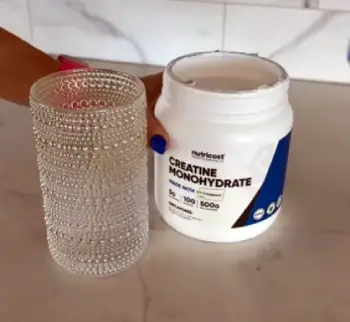
- Pure micronized formula: This means the powder is ground finer than standard creatine, so it dissolves better in water or shakes.
In my shakes, it blends without much grit, making daily dosing easy.
- Generous serving options: With 5g per scoop and 100 servings in a 500g tub, it’s built for long-term use.
I like that it lasts me about three months on maintenance, saving trips to the store.
- Flavor variety for mixability: Unflavored is my go-to for neutrality, but they offer fruity options like Blue Raspberry if you hate the chalky taste.
I’ve tried the Fruit Punch, and it masks the natural flavor well without overpowering.
- No fillers or extras: Just straight creatine monohydrate, non-GMO, and free from artificial stuff.
As someone who avoids junk in supplements, this purity keeps me coming back.
From a practical standpoint, the tub is straightforward—scoop included, resealable bag inside. It’s not flashy, but it works for everyday users like me who want results without the premium price tag.
Pros Of Nutricost Creatine
I’ve cycled through tubs of Nutricost, and it’s solid for what it is. Let’s break it down honestly.
- Budget-friendly pricing: At this cost, I can afford to dose consistently without breaking the bank. It’s perfect for beginners or those stacking multiple supps.
- Effective performance boost: I’ve seen gains in my bench press and squat reps after a loading phase. It delivers the energy punch without hype.
- Versatile flavors: The options make it enjoyable; I mix flavored ones into smoothies for a treat post-gym.
- Easy availability: Widely sold online and in stores, so restocking is a breeze. No waiting for specialty shipments.
- Minimal side effects: With proper hydration, no bloating for me—just steady progress.
Cons Of Nutricost Creatine
- Lack of third-party testing: Without certifications, I sometimes wonder about purity batches. It’s not a deal-breaker, but worth noting.
- Inconsistent dissolving: For some mixes, it can leave a bit of grit if not shaken well. I’ve had to blend it longer occasionally.
- Basic packaging: The bag inside can get messy with powder spills. Not as user-friendly as sealed canisters.
- Potential stomach sensitivity: A few times, it caused mild nausea if taken on an empty stomach. Starting slow helped.
- Shorter shelf life perception: Though it lasts, the simpler formula might not feel as “premium” long-term.
Key Features Of Optimum Nutrition Creatine
Optimum Nutrition has been my staple for years because it feels like a step up in reliability. Let me walk you through what makes it tick:
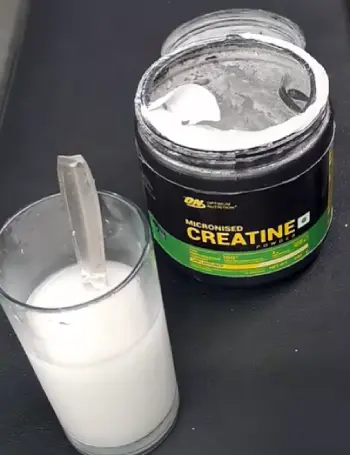
- Micronized for superior solubility: The particles are extra fine, so it mixes into my post-workout protein without clumping.
I’ve noticed less residue at the bottom of my shaker compared to cheaper brands.
- Larger container value: 120 servings in 600g means more bang for slightly more bucks.
For someone like me who trains five days a week, this stretches further before reordering.
- Tested for purity: It’s banned substance tested, which gives peace of mind if you’re in competitive sports or just paranoid about contaminants.
I value this when prepping for events.
- Subtle flavor choices: Mostly unflavored, but the Blueberry Lemonade adds a nice twist without sugar overload.
It’s great if you’re mixing with other supps and want a hint of taste.
Overall, the packaging feels premium—sturdy canister, easy-to-use scoop. It’s designed for serious lifters who prioritize consistency and quality in their stack.
Pros Of Optimum Nutrition Creatine
Optimum Nutrition has been in my rotation longer, and it earns its reputation. Here’s the balanced view from my trials.
- Proven purity through testing: The certification reassures me it’s clean, especially when training hard. No worries about contaminants.
- Excellent mixability: Dissolves quickly in any liquid, making it seamless in my routine. Less hassle means more consistency.
- Trusted brand legacy: With decades in the game, I feel confident in the quality. It’s like the gold standard for many lifters I know.
- Sustained energy gains: I’ve noticed better endurance in workouts, helping me hit PRs more often.
- Value in bulk: More servings per dollar long-term, ideal for committed users like me.
Cons Of Optimum Nutrition Creatine
- Higher price point: It costs more upfront, which can add up if you’re experimenting with doses.
- Limited flavors: Mostly unflavored, so if you crave variety, it might get boring. I sometimes add my own mix-ins.
- No included scoop sometimes: Early tubs lacked one, forcing me to measure manually—annoying at first.
- Possible grittiness: Though rare, in cold water, it can feel slightly textured. Warming helps.
- Overhyped for basics: If you’re not competing, the extra testing might be unnecessary, making It Feel Pricier Than Needed.
How I Choose Between These Two In My Daily Routine?
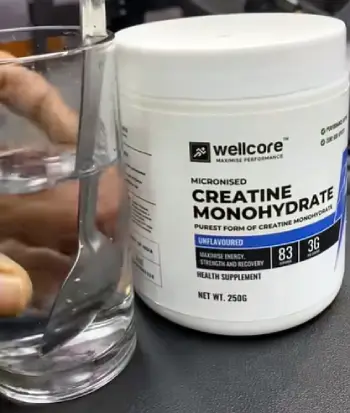
Picking between Nutricost and Optimum Nutrition comes down to where I am in my fitness journey.
When I was just starting and money was tight, Nutricost was my entry point—it let me test creatine’s benefits without a big investment.
Now, as I train more seriously, I lean toward Optimum for that extra layer of trust.
Both load up my muscles similarly, but the peace of mind with Optimum’s testing wins when I’m pushing limits.
In practice, I alternate: Nutricost for maintenance phases, Optimum for bulking.
Dosage-wise, I stick to 5g daily after a 20g loading week. Mix it in my morning coffee or post-gym shake—simple.
If you’re like me, factor in your goals: casual gym rat? Go Nutricost. Competitive edge? Optimum.
Real User Experiences And What I’ve Learned?
Talking to friends and reading forums, experiences mirror mine. One buddy swears by Nutricost for its no-frills approach, saying it helped him gain 10 pounds of muscle in six months.
Another, a CrossFit enthusiast, prefers Optimum because it passed his coach’s purity checks.
From my logs, both improved my one-rep max by about 10-15% over time, but Optimum felt more consistent during intense cycles.
Common threads: Hydration is key to avoid cramps, and pairing with carbs enhances uptake. I’ve learned not to overdo loading—stick to basics for sustainable gains. If you’re vegan or have dietary restrictions, both are fine since they’re synthetic.
Dosage Recommendations Based On My Trials
From years of tweaking, here’s what works for me with either brand. Start with a loading phase: 20g split into four 5g doses daily for five days.
Then, maintain at 3-5g per day. I take mine post-workout with protein for better absorption. Body weight matters—I’m 180 pounds, so 5g suffices; heavier folks might need more.
Cycling? I do 8-12 weeks on, 4 off, to reset. Listen to your body: if energy dips, adjust. Both brands respond well to this, but Optimum’s finer powder makes dosing precise.
Potential Side Effects And How I Handle Them
No supplement is perfect, and creatine can cause issues if mishandled. I’ve dealt with minor water retention early on, making me look puffier, but it subsided.
Stomach upset? Rare, but I avoid empty-stomach doses. Dehydration is the big one—drink extra water, as creatine pulls fluid into muscles.
In my experience, Nutricost might trigger more if sensitive, due to less refinement, but it’s minimal. Optimum feels gentler. Always consult a doc if you have kidney concerns—I’ve gotten checked annually.
Stacking With Other Supplements In My Regimen
I don’t take creatine alone; it’s part of my stack. With protein powder, it amplifies recovery—mix them for a one-two punch.
Beta-alanine for endurance? Great combo for high-rep sets. Pre-workout? Adds that extra kick without jitters.
Nutricost pairs well with budget proteins, keeping costs low. Optimum shines in premium stacks, like with their own whey. Experiment, but start simple to track effects.
Long-Term Benefits I’ve Seen
Over time, creatine has transformed my physique and performance.
With consistent use, I’ve added lean mass, improved sprint times, and even noticed better brain focus—creatine supports cognitive function too.
Both brands deliver this, but Optimum’s reliability ensures I stick with it longer.
For women or older users like my training partner, it’s equally effective for strength without bulk. Patience is key—gains build gradually.
Also Read: Comparison of C4 And Ghost Pre Workout
Frequently Asked Questions (FAQ)
Optimum Nutrition stands out for its long history and testing.
Yes, it’s effective and affordable for most users.
It’s among the top, especially for purity and reliability.
No, it lacks NSF certification.
Wrapping Up
Wrapping this up, I’ve shared my take on Nutricost and Optimum Nutrition Creatine from a real-world lens, highlighting how they stack up for everyday lifters like us.
You might find Nutricost’s affordability perfect for starting strong, or Optimum’s trusted quality worth the splurge for sustained progress.
Whichever you choose, commit to it with solid training and nutrition—you’ll see the difference. What do you think—ready to add one to your routine?
Recent Posts
I spent months comparing budget options against established names after my last set of tires wore out sooner than expected.My goal here is to share what I learned from putting Dextero and...
AquaTru Carafe Vs. Classic: Which Is Actually Fits Your Kitchen?
I decided to write this comparison after months of testing both the AquaTru Carafe and the Classic in my own kitchen. Tracking covered daily use.Taste stayed consistent. Refill frequency...