
If you’re like me, always on the lookout for cat food that balances quality, taste, and affordability, then Rachael Ray’s Nutrish line deserves your attention.
I’ve seen how it uses real ingredients like chicken or salmon as the first component, avoiding a lot of the junk you find in cheaper options.
Your cat might just thrive on it, with shinier coats and more energy.
I recommend grabbing a bag today – it’s widely available and often on sale, making it an easy win for both you and your furry companion.
My Personal Journey With Nutrish Cat Food
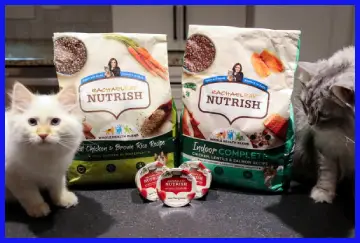
Let me tell you about the time I switched my two cats, Whiskers and Mittens, over to Rachael Ray Nutrish.
It all started about a year ago when I noticed they were getting a bit picky with their old brand.
Whiskers, my tabby, would nibble a few bites and walk away, while Mittens, the Siamese mix, seemed lethargic after meals.
I was scrolling through pet forums one evening, and Nutrish kept popping up as a solid mid-range choice.
What drew me in was the promise of natural recipes inspired by Rachael Ray’s cooking style – real meat, veggies, and no artificial stuff. I figured, why not give it a shot?
I picked up the Chicken and Brown Rice dry formula from my local store.
The transition wasn’t seamless at first. I mixed it gradually with their old food over a week, as I always do to avoid tummy upsets.
By day three, Whiskers was diving in with enthusiasm, his tail flicking happily.
Mittens took a bit longer, but once she got a taste, she was hooked.
I loved how the kibble smelled fresh, not like that chemical odor from some brands.
Over the next few months, I noticed real changes.
Their coats got glossier – Whiskers’ fur, which used to be dull, now shines under the light.
Energy levels picked up too; they’d zoom around the house more, playing with toys they ignored before.
But it wasn’t all perfect. About two months in, Mittens had a couple of days with loose stools.
I panicked a bit and checked the ingredients – lentils and peas are in there, which can sometimes cause issues if a cat’s sensitive.
I adjusted portions and added a probiotic supplement, and things settled.
Overall, the affordability helped; a 14-pound bag lasts us weeks without breaking the bank.
I even tried the wet varieties, like the tuna pate, which they devour as treats.
Sharing this makes me feel like I’m chatting with a fellow cat parent – have you experienced similar switches?
It taught me that while Nutrish works wonders for many, watching your cat’s reactions is key.
In the end, it’s become our go-to, and I wouldn’t hesitate to suggest you try it if your cats need a refresh.
Pros Of Nutrish Cat Food
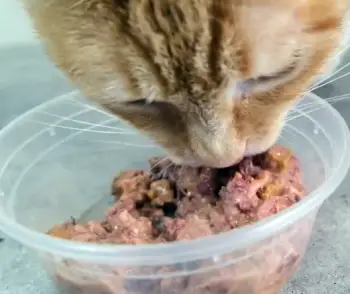
As a cat owner who’s fed Nutrish to my furry friends for years, I’ve seen the good and the not-so-good firsthand.
Here’s a straightforward breakdown in individual points, based on my experience and what I’ve heard from other pet parents lately.
- Real meat like chicken or salmon usually tops the ingredient list, giving cats the protein they crave.
- Many cats love the taste—my picky ones clean their bowls every time.
- Affordable compared to premium brands, so you get decent quality without spending a lot.
- Improves coat shine and softness thanks to omega fatty acids.
- Wide variety of dry, wet, and grain-free options to suit different preferences.
- No artificial colors or preservatives in most recipes.
- Small kibble size makes it easy for kittens, seniors, or cats with dental issues to eat.
- Helps with energy levels and overall health for many active or indoor cats.
- Supports animal rescues through brand donations, which feels good when buying.
- Meets AAFCO standards for complete nutrition across life stages.
Cons Of Nutrish Cat Food
- Some cats get digestive upset like vomiting, diarrhea, or loose stools from peas, lentils, or other ingredients.
- Recent reports of cats getting seriously ill after eating certain batches, including lethargy or worse.
- Formula changes or quality inconsistencies lead to cats refusing food or smelling different.
- Heavy reliance on legumes in grain-free versions concerns some about long-term effects.
- Strong fishy smell in seafood flavors bothers some owners.
- Not ideal for cats with specific allergies or sensitivities, like to fish or chicken.
- Mid-tier rating from some experts due to fillers or plant-based proteins.
- Ongoing concerns from lawsuits about “natural” claims not fully matching ingredients.
- Availability issues lately, with rebranding and some stores reducing stock.
- Higher calorie or fat content in some recipes causes weight gain in less active cats.
Overall, Nutrish works great for many cats like mine on good days, but watch your pet closely—if something seems off, switch or talk to your vet. What’s your experience been like?
Tips For Feeding Nutrish To Keep Your Cat Healthy
If you’ve decided Nutrish is worth a try—or you’re already using it—proper maintenance can maximize the benefits and minimize risks.
Based on tips from Catster and general advice echoed in reviews, start with a slow transition: Mix it with your cat’s current food over 7-10 days to avoid tummy troubles.
I always do 25% new on day one, building up, and it helped my cats adjust without drama.
Portion control is key, especially with calorie-dense options like the Zero Grain Indoor Chicken & Potato .
Follow the package guidelines—about 1/2 to 3/4 cup daily for a 10-pound cat—but adjust based on activity.
For indoor cats, opt for high-fiber recipes like Indoor Complete with lentils and prebiotics from dandelion greens to aid digestion and prevent hairballs.
Weigh your cat monthly to catch any gains early; if they’re sedentary, incorporate play sessions to burn energy.
Hydration matters a ton with dry kibble, which offers little moisture.
Catster stresses always providing fresh water—consider a fountain to encourage drinking, as running water appeals to cats.
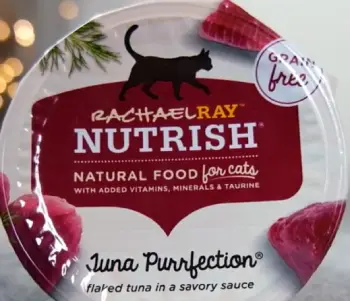
If you’re using wet food like Tuna Purrfection, it helps with hydration but can contribute to tooth decay, so brush your cat’s teeth regularly with a pet-safe brush or use dental treats.
For sensitive stomachs, choose probiotic-rich lines like Inner Health, which includes pumpkin to soothe upsets.
Monitor closely for reactions: Watch litter box habits, energy, coat condition, and appetite.
If vomiting or diarrhea hits, pause and consult your vet—reviews show early intervention prevents bigger issues.
For cats with dental problems, soft treats like Soft Spots are easier to chew.
Store food properly in a cool, dry place to maintain freshness, and check expiration dates to avoid spoiled batches.
Tailor to your cat’s life stage or needs: Kittens might thrive on higher-protein varieties, while seniors benefit from joint-supporting ingredients.
Catster advises consulting a vet for any illnesses or sensitivities before committing.
In my routine, I rotate flavors to keep things interesting and add occasional wet toppers for variety.
With these steps, Nutrish can be a reliable staple, but always prioritize your cat’s individual responses.
If something feels off, don’t hesitate to switch—your furry friend’s well-being comes first.
Let’s start with what makes Nutrish a go-to for a lot of us. One of the standout features is its affordability without skimping too much on quality.
In reviews from Cats.com and CatFoodAdvisor, it’s praised for being budget-friendly—dry food often runs $1.70 to $2.20 per pound, and wet options are around $0.40 to $0.60 per ounce.
That’s a fraction of what you’d pay for some high-end brands, yet it still delivers decent nutrition.
For families with multiple cats or those watching their wallet, this makes it practical
. I remember switching to it during a tight month, and it didn’t feel like a downgrade.
Comparing Nutrish To Other Popular Brand
When I think about how Nutrish stacks up against other brands, it’s helpful to look at specifics. I’ve tried a few over the years, so let’s break it down.
- Nutrish Versus Purina
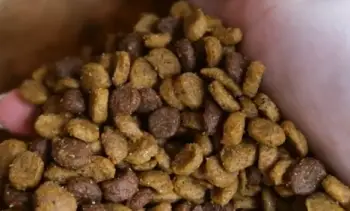
You might wonder if Nutrish edges out Purina, and in my experience, it does in some areas.
Nutrish emphasizes real meat as the top ingredient, like chicken meal, whereas Purina often includes by-products that some cats tolerate but others don’t.
I found Nutrish’s recipes feel cleaner, with added fruits and veggies for antioxidants. Purina, though, offers more specialized lines for health issues, like urinary tract support, which Nutrish lacks depth in.
Price-wise, both are accessible, but Nutrish often costs a tad less per pound, making it appealing if you’re budget-conscious.
My cats preferred Nutrish’s taste, eating more consistently without leftovers, unlike with Purina where pickiness crept in.
- Weighing Nutrish Against Blue Buffalo
Blue Buffalo positions itself as a premium pick, and I’ve used it when splurging.
It boasts high protein from deboned meats and avoids grains entirely in many formulas, which suits sensitive tummies better than Nutrish’s grain-inclusive options.
However, Blue’s price tag is steeper – sometimes double – which made me switch back to Nutrish for everyday use.
Nutrish holds its own with natural flavors and no artificial preservatives, but Blue adds more probiotics and life-stage specifics.
If your cat needs allergy-friendly food, Blue might win, but for general health, Nutrish delivers similar coat shine and energy without the cost.
- Nutrish Compared To Hill’s Science Diet
Hill’s Science Diet is vet-endorsed, and I’ve turned to it for prescription needs.
It uses clinically proven ingredients for conditions like kidney health, where Nutrish is more general.
Nutrish shines in palatability – my cats gobble it up faster – while Hill’s can taste bland.
Cost is comparable, but Hill’s feels more precise if your cat has medical concerns.
For everyday feeding, Nutrish’s variety keeps things exciting.
- How Nutrish Stands Next To Royal Canin
Royal Canin tailors formulas to breeds, like for Persians or Maine Coons, which Nutrish doesn’t.
I appreciate Royal’s focus on kibble shape for dental health, but Nutrish counters with affordable, wholesome basics.
If you have a purebred with unique needs, Royal might be better, but for mixed breeds like mine, Nutrish suffices without overcomplicating.
Also Read: Is Wellness Wet Cat Food Worth It?
Frequently Asked Questions (FAQ)
Yes, it’s generally safe and nutritious for most cats, but monitor for individual sensitivities.
Blue Buffalo often tops lists for its high-quality, natural ingredients and protein focus.
Recent lawsuits allege false claims about being preservative-free, and some users report formula changes causing digestive issues.
It depends; Nutrish may offer cleaner ingredients, but Purina has more specialized options for health needs.
Wrapping Up
After digging through countless reviews, expert analyses, and real user experiences from 2025 and into early 2026, I’ve formed a pretty clear picture of Nutrish cat food.
You and I both want what’s best for our cats—something tasty, nutritious, and not too hard on the wallet.
Nutrish often delivers on that for many cats, but it’s not without some red flags that make me pause.
On the positive side, it’s a solid mid-tier option.
Real meat or fish usually leads the ingredients, which cats love, and that shows in how eagerly many devour it. Owners frequently mention shinier coats, better energy, and happy, healthy pets.
The price is a big draw—cheaper than premium brands but a step up from basic grocery stuff.
Variety in dry, wet, and specialized recipes means you can find something for picky eaters, indoor cats, or those needing weight control.
No recent recalls as of January 2026, and it supports animal charities, which adds a feel-good factor.
Recent Posts
● Interactive 5-Zone Interior & Exterior Paint Blueprint Paint Coverage Calculator: Gallons, Primer, Square Footage & Cost Tap any architectural surface zone on the blueprint...
If you want smooth, shiny hair without spending a fortune on a premium styling tool, the Ella Bella hair dryer may be worth considering.In these Ella Bella hair dryer reviews, I’ll look...