
I spent months testing Oakley and Costa Del Mar sunglasses across fishing trips, bike rides, beach days, and daily drives to figure out which pair actually delivers for real outdoor life.
My goal here is to break down the strengths, weaknesses, and real-world differences so you can pick the right pair for your needs without wasting money on the wrong tech.
| Feature | Oakley | Costa Del Mar |
| Primary Focus | Multi-sport performance and active lifestyle | Water sports, fishing, and glare-heavy environments |
| Signature Lens Tech | Prizm (sport-tuned contrast and color) | 580 (filters yellow light, boosts reds/greens/blues) |
| Lens Materials | Plutonite polycarbonate (impact-focused) | 580G glass or 580P polycarbonate |
| Polarization | Available on many models | Standard on every pair |
| Frame Materials | O Matter nylon and similar composites | Nylon, bio-resin, some recycled net materials |
| Impact Resistance | Excellent | Good (glass is more scratch-resistant) |
| Scratch Resistance | Moderate | High on glass lenses |
| Best For | Cycling, running, general sports | Fishing, boating, bright water conditions |
| Typical Price Range | $150–$300+ | $200–$300+ |
| Warranty Style | Limited (often 2 years) | Often limited lifetime |
Key Differences Between Oakley And Costa Del Mar Sunglasses
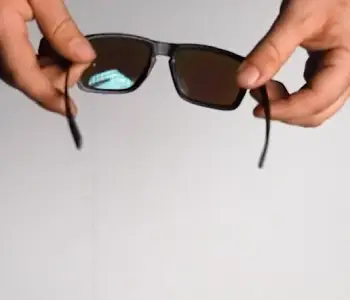
- Lens philosophy and light management: Oakley builds Prizm lenses to heighten specific colors. Contrast rises for particular sports.
Road textures appear faster on a bike. Snow contours stand out on a ski run. Costa’s 580 system targets the harsh yellow band of light.
High-energy blue light filters out. Reds greens blues lift. Water views gain sharper detail under the surface. Glare drops. Squinting reduces.
- Activity specialization: Oakley spreads energy across cycling trail running golf high-impact sports.
Frames stay light. Lenses stay impact-ready. Costa stays focused on marine environments.
Every pair arrives polarized. Glare off water remains the daily enemy for anglers boaters.
- Material priorities: Oakley favors tough polycarbonate. Drops collisions get shrugged off.
Costa offers glass for optical purity scratch resistance. Polycarbonate appears when weight impact matter more.
Glass versions feel more substantial. Clarity reaches high-definition levels for many users.
- Fit and coverage approach: Oakley often uses wrap designs. Wind peripheral light seal out during fast movement.
Costa balances coverage with comfort for long hours on a boat deck.
Sweat channels adjustable pads appear. Frames stay steady when salt spray humidity rise.
- Durability trade-offs: Oakley’s frames handle temperature swings rough handling well. Polycarbonate lenses mark more easily.
Costa’s glass lenses resist scratches far better. Salt water stands up. Extra weight appears.
Extreme impact risks shatter where polycarbonate would bounce.
These differences show up the moment you switch pairs mid-activity. On a bright afternoon fishing flat the Costa 580 glass made underwater structure pop.
My Oakley Prizm pair never quite matched that. On a mountain bike descent the Oakley stayed glued to my face.
Branches got shrugged off. Heavier glass would have worried me.
Key Features Of Oakley Sunglasses
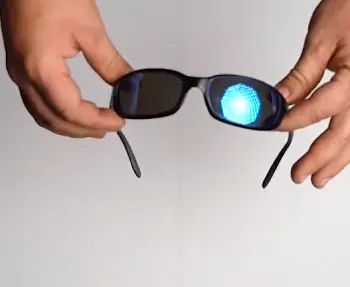
- Prizm lens technology: These lenses tune specific wavelengths. Colors that matter for a given sport stand out.
Road lenses make pavement cracks debris more visible.
Trail lenses separate dirt from roots. The effect feels immediate useful.
- Plutonite lens material: Oakley’s proprietary polycarbonate blocks 100 percent of UVA UVB UVC rays. Optical clarity remains.
High-impact standards get met. Rocks balls flying toward the face matter less.
- Matter frame construction: The nylon-based material stays flexible in heat cold. Brittleness never appears.
Weight stays low. Glasses disappear during long rides runs.
Unobtainium pads grip better when sweat appears.
- High Definition Optics system: Distortion reduces across the curved lens surface. Peripheral vision stays sharp.
Wrap styles create a wide clear field. Rapid head turns feel natural.
- Style and modular options: Classic Holbrook shapes appear. Performance models like the Flak Radar series cover casual competitive looks.
Many frames accept interchangeable lenses. Tints swap for different light conditions. A second pair stays unnecessary.
I wore a pair of Oakley Flak 2.0 models through an entire summer of mixed training. The Prizm Road lenses turned dull gray pavement into a high-contrast surface.
Potholes got avoided at speed. Frames never slipped even when soaked. Impact rating gave real confidence on rocky trails.
Pros Of Oakley Sunglasses
- Superior impact protection: Plutonite lenses flexible frames combine. Glasses survive drops crashes flying debris better than most glass alternatives. An Oakley pair bounced off pavement after a fall. Work continued without cracks.
- Lightweight feel for high-motion sports: Long rides runs keep pressure off the nose ears. Weight reduction helps. Glasses get forgotten. Focus stays on the trail road ahead.
- Sport-specific lens tuning: Prizm options match the lens to the exact environment. Golf lenses snow lenses water lenses each prioritize visual cues that matter most in that setting.
- Broad style range: Aggressive wrap designs appear for competition. Everyday shapes cover casual wear. Flexibility means one brand covers both training days weekend errands.
- Strong ventilation and anti-fog design: Many performance models include vents frame geometry. Air moves. Fogging reduces during hard efforts in humid weather.
Cons Of Oakley Sunglasses
- Lenses scratch more readily: Polycarbonate marks easier than glass. A rough wipe with a shirt sandy case leaves visible lines. Glass would shrug those off. Careful storage becomes essential.
- Polarization is optional rather than standard: Some models ship without polarization. Glare reduction high on the list requires confirmation the specific pair includes it.
- Higher potential for light leakage on certain styles: Less wrap-focused frames allow side light in bright conditions. More squinting appears than with a deeper wrap design.
- Warranty coverage is more limited: Many pairs carry a two-year window. Longer protection some competing brands advertise stays absent. Damage outside that period becomes personal cost.
- Price climbs quickly with advanced lenses: Prizm polarized combinations push cost into premium territory. Entry models stay reasonable. Top performance versions feel expensive for casual use.
Key Features Of Costa Del Mar Sunglasses
- 580 lens technology: Glass 580G polycarbonate 580P versions appear. Yellow light band at 580 nanometers filters out.
Reds greens blues enhance. Higher contrast clearer definition result. Water views bright open spaces gain usefulness.
High-energy visible blue light blocks. Eye fatigue drops.
- Full polarization on every pair: Costa builds polarization into the product line DNA. Efficiency sits near 99.9 percent.
Reflected glare from water sand wet roads drops dramatically. Eyes stay relaxed longer on sunny days.
- C-Wall molecular coating: This bonded surface repels water oil salt better than standard coatings.
Droplets bead roll off. Smearing never happens. Vision stays clear after a wave splash sweaty forehead wipe.
- Frame materials built for marine life: Co-injected nylon bio-based resins appear in many models.
Some lines incorporate recycled fishing nets. Hinges screws receive corrosion-resistant treatment. Salt air never seizes them over seasons of use.
- Lens tint variety matched to conditions: Copper green mirrors excel for inshore fishing variable light.
Blue mirrors handle open ocean glare. Gray gold options serve as versatile all-day choices. Sunrise tints support low-light starts. Darkness stays moderate for early runs.
During a week of inshore fishing I rotated between Costa Blackfin Fantail models with 580G glass.
The copper lens turned the water surface into a transparent window. Fish that looked like shadows through other polarized glasses suddenly showed shape movement.
Frames stayed comfortable through eight-hour days. Humidity climbed without issue.
Pros Of Costa Del Mar Sunglasses
- Outstanding optical clarity and contrast on water: The 580 system delivers a noticeable jump in detail under the surface. Anglers report spotting fish structure other polarized lenses miss. Everyday wearers notice less eye strain on bright days near reflective surfaces.
- Exceptional scratch resistance on glass lenses: 580G glass holds up to salt sand daily handling far better than most polycarbonate. The mirrored layer sits protected between glass sheets. Reflective finish lasts longer.
- Universal polarization: Checking whether a pair includes it stays unnecessary. Every Costa arrives ready to cut glare. Buying simplifies. Performance in target environments guarantees.
- Thoughtful marine-focused details: Sweat channels grippy pads corrosion-resistant hardware show understanding of wet humid conditions. Frames stay put during quick movement on a bouncing boat.
- Longer warranty support: Limited lifetime coverage on many models provides peace of mind. Manufacturing defects material failures often get addressed years after purchase.
Cons Of Costa Del Mar Sunglasses
- Glass versions add noticeable weight: Superior optics of 580G come with extra grams. Long runs bike rides make the difference clear. Lighter polycarbonate options feel different.
- Impact resistance trails pure polycarbonate: Glass can shatter under hard blows. Oakley’s lenses flex survive. High-contact sports favor the lighter material.
- Style range leans heavily toward water culture: Many frames carry a coastal fishing aesthetic. Pure fashion aggressive racing looks feel narrower than Oakley’s broader catalog.
- Premium pricing across the board: Even polycarbonate models sit at the higher end of the market. Specialized performance delivers value. Casual users may feel the cost.
- Limited interchangeable lens systems: Swapping tints mid-day stays less common than with some Oakley performance lines. One lens gets chosen. A second pair often gets carried.
Real-World Performance Across Activities
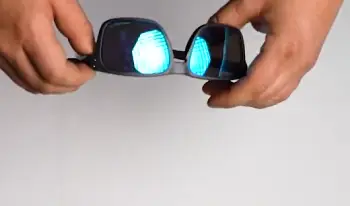
I split testing time between saltwater flats freshwater lakes mountain bike trails city driving. On the water Costa pulled ahead every time.
Polarization efficiency the 580 color boost combined. Fish movement tracked easier. Submerged obstacles got avoided.
Glare that forced head tilts with other glasses simply disappeared. Salt spray beaded wiped clean without streaking.
On the bike during trail runs Oakley felt more natural. Lighter frames stayed secure through jumps hard cornering.
Prizm lenses highlighted trail features. Generic tints would have blended those together. Impact resistance mattered when branches whipped past. Glasses set down on rocky ground survived.
For daily driving walking both brands performed well. Costa reduced highway glare from wet pavement more aggressively.
Oakley offered a wider field of view in certain wrap styles. Mixed urban use felt less formal. Fit varied by face shape. Costa’s medium large options felt more forgiving for wider heads. Oakley’s performance models locked down tighter for smaller faces during motion.
Durability testing included deliberate drops onto concrete exposure to salt water for hours repeated cleaning with whatever cloth was handy.
Costa glass lenses showed almost no scratches after weeks of abuse. Oakley frames survived the drops better. Lenses collected more surface marks. Both brands blocked UV completely in simple tests with a UV meter.
Fit, Comfort, And Everyday Wear
Comfort decides whether the glasses actually get worn all day. Oakley’s O Matter Unobtainium combination kept frames planted without pressure points.
Three-hour rides stayed comfortable. Costa’s nylon frames with rubberized pads felt secure on a bouncing boat. Running required occasional adjustment. Nose pad design matters more than expected. Soft adjustable pads reduce red marks after long wear.
Lens size wrap angle affect both protection style. Deeper wraps block more peripheral light wind. Some faces feel confining.
Shallower styles look more everyday. Side light gets allowed. Moderate wrap suited mixed use. Full wrap stayed for pure performance sessions.
Prescription options exist for both brands. Costa’s Waypoint process aims to keep clarity high even with strong corrections wrap angles.
Oakley’s HDO system also handles prescriptions. Optical quality preserves. Progressive high-power lenses require trying both brands in person. Base curve optical center placement differ.
Price, Value, And Long-Term Ownership
Expect to spend two hundred dollars or more for a solid polarized pair from either brand. Costa often sits slightly higher for glass versions.
Value depends on actual use. Water time dominating the calendar makes Costa optics justify the cost.
Eye fatigue reduces. Performance improves. Mixed sports one versatile pair favor Oakley’s range impact toughness. Dollars stretch further.
Replacement lenses accessories add to lifetime cost. Oakley makes swapping easier on many models.
Costa focuses more on durable original lenses. Careful treatment reduces replacement frequency.
Cases cleaning cloths come standard with both. Costa’s hard cases feel sturdier for travel.
Frequently Asked Questions (FAQ)
It depends on main activity. Costa edges ahead for fishing water glare. Oakley wins for multi-sport impact resistance lighter high-motion use.
No single brand dominates every category. Oakley Maui Jim certain specialized performance lines each excel in different conditions. Priorities decide.
Costa often outperforms Oakley on pure water clarity scratch resistance. Other brands may top Oakley in specific niche features. Photochromic range ultra-light weight appear in those cases.
Yes. The 580 lenses solid frame construction polarization standards place them firmly in the premium category. Real-world durability for marine environments stays strong.
Final Thoughts
After living with both brands through seasons of sun spray sweat I see them as tools built for different jobs. Direct rivals they are not.
Costa Del Mar delivers the clearest most comfortable view when water bright glare define the day. The 580 system universal polarization simply make those hours easier on the eyes. Oakley gives a tougher lighter partner for mixed sports high-impact movement. Drops speed matter more than absolute optical purity.
You already know the typical week. Match the glasses to the hours actually spent outdoors. Try both on the face if possible. Fit stays personal.
Whichever gets chosen treat the lenses with care. Frames reward with years of reliable service. The right pair stops being an accessory. It starts feeling like an extension of movement through the world.
Recent Posts
I tried Meltoway Hair Dissolving Cream because I wanted a quick way to deal with unwanted body hair without reaching for a razor every few days. If you are looking for a convenient at-home...
If you’re considering a saffron-based supplement to support mood, appetite control, and everyday wellness, Happy Saffron Plus is worth considering.I like that it takes a familiar botanical...