
I’ve been on the hunt for a natural deodorant that actually works, and I thought Oars and Alps might be the one.
You can grab it from places like Amazon, Target, or Walmart if you’re curious.
But after trying it myself, I have to say, it’s not something I’d suggest you rush out to buy.
There are better options out there that won’t leave you questioning your choices.
Let me share my honest take on this product, from my daily use to the ups and downs.
My First Experience With Oars And Alps Deodorant
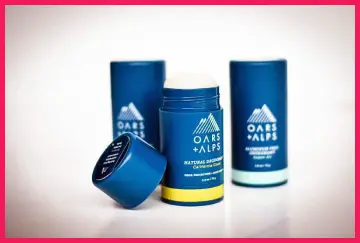
I first picked up Oars and Alps deodorant about six months ago, right around mid-2025, when I was fed up with the chemical-laden stuff I’d been using for years.
You know how it is—you start reading about aluminum in antiperspirants and how it might not be the best for your body, and suddenly you’re on a mission to go natural.
I saw ads for Oars and Alps everywhere, touting their aluminum-free formula, natural ingredients, and how it’s designed for both men and women.
The scents sounded appealing too, like Fresh Ocean Splash or California Coast, which promised a clean, fresh vibe without overwhelming your senses.
I ordered the Fresh Ocean Splash variant from Amazon, figuring it was a safe bet for everyday use.
When the package arrived, I was impressed by the sleek, minimalist design.
The tube is sturdy, easy to hold, and it twists up smoothly without any gritty feel.
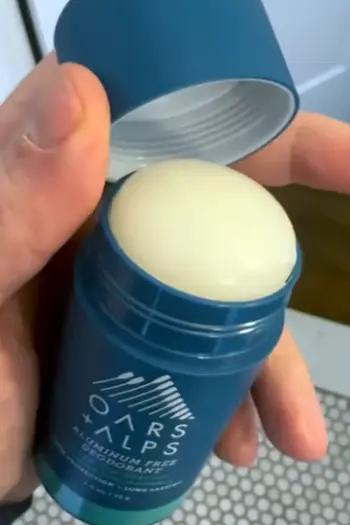
I applied it right after my morning shower, and it glided on clear, just like they claim—no white residue or sticky mess.
The scent hit me immediately: a mix of oceanic notes with a hint of citrus, subtle but noticeable.
It wasn’t too masculine or feminine, which I appreciated since I share products with my partner sometimes. For the first hour or so, I felt confident.
I went about my day, which included a brisk walk to work, some office time, and an afternoon gym session. That’s when things started to unravel.
By midday, I noticed a faint odor creeping in.
Not full-on body odor, but that awkward in-between where you wonder if others can smell it too. I reapplied during lunch, thinking maybe I hadn’t put enough on initially.
But even then, it didn’t hold up. You see, I live in a humid climate—Dhaka can get brutal with the heat—and this deodorant just couldn’t keep up with my active lifestyle.
I’d sweat through my shirts, and while it didn’t block sweat, it also failed to neutralize the smell effectively.
I tried switching scents to Eucalyptus Spearmint, hoping a stronger aroma would mask things better, but no luck.
It was like the formula wore off after four or five hours, leaving me self-conscious during meetings or social hangouts.
One particularly bad day stands out. I had a long hike planned with friends on a weekend in early 2026. I slathered on the deodorant generously, thinking it’d be fine for outdoor activity.
Halfway through, I could tell it wasn’t working. My underarms felt damp, and there was that unmistakable whiff of sweat mixed with the fading scent.
My friends didn’t say anything, but I was paranoid the whole time. I ended up stopping at a store on the way back to grab a different brand just to salvage the evening.
It was frustrating because I’d read some positive buzz online, but my reality didn’t match up.
Over the next few weeks, I experimented more. I tried applying it on dry skin only, as some tips suggest, and even layered it with a bit of baking soda from my kitchen for extra odor control. Sometimes it helped a little, but often it led to irritation.
My skin started getting red and itchy after prolonged use, especially if I shaved my underarms.
I have sensitive skin, and while the product claims to be dermatologist-tested, it didn’t agree with me.
I checked the ingredients—things like tapioca starch, magnesium hydroxide, and essential oils—and realized the essential oils might be the culprit for the rash.
I stopped using it for a couple of days, and the irritation cleared up, but when I tried again, it came back mildly.
Financially, it wasn’t a huge loss since a stick costs around $14, but I felt like I wasted money on something that promised so much yet delivered so little.
I compared notes with a buddy who tried it too; he said it worked okay for light days but failed during workouts. We both agreed it smells great initially, but the longevity is a big issue.
In the end, after using up the tube, I tossed the empty one and vowed to find something better.
If you’re thinking of trying it, maybe start with a travel size to test the waters without committing fully. My overall takeaway? It’s a decent concept, but execution falls short for anyone with moderate to high activity levels or sensitive skin.
This experience pushed me to research more and try alternatives, which I’ll get into later. All in all, it was a learning curve in natural grooming, but not the win I hoped for.
Pros Of Oars And Alps Deodorant
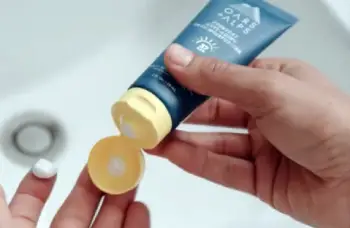
- Natural Ingredients and Aluminum-Free Formula
One thing I can say in favor of Oars and Alps is their commitment to natural ingredients.
As someone who’s tried to clean up my personal care routine, I appreciate that it’s free from aluminum, parabens, sulfates, and phthalates.
The key players here are things like tapioca starch for absorbing moisture, magnesium hydroxide to neutralize odor, and aloe leaf juice for soothing the skin.
You won’t find any harsh chemicals that block your pores, which means your body can sweat naturally—a big plus if you’re worried about long-term health effects from traditional antiperspirants.
In my use, this felt gentler at first compared to the stuff I used before, and it’s vegan and gluten-free, which appeals to a lot of folks these days.
- Variety of Scents
They offer a nice range of scents that aren’t overpowering. I tried Fresh Ocean Splash, which has notes of sea salt, citrus, and a touch of wood—it’s refreshing and not too cologne-like.
Other options like California Coast with its woody, herbal vibe or Eucalyptus Spearmint for a minty kick give you choices based on your mood or season.
If you’re sensitive to strong fragrances, these are subtle enough not to clash with your perfume or aftershave.
My partner even borrowed it once and liked how unisex it felt. It’s a step up from some natural deodorants that smell too earthy or medicinal.
- Clear Application and No White Marks
This deodorant glides on smoothly and dries quickly without leaving those annoying white streaks on your clothes.
I tested it with dark shirts, and sure enough, no visible residue. The formula is non-sticky, so you don’t feel like you’ve got a layer of goop under your arms.
For busy mornings when you’re rushing out the door, this convenience is a real perk.
It comes in a solid stick form that’s easy to travel with, and the packaging is recyclable, which aligns with eco-friendly values.
- Dermatologist-Tested and Cruelty-Free
It’s reassuring that Oars and Alps is dermatologist-tested, meaning it’s been vetted for skin safety. They’re also cruelty-free, so no animal testing involved, which matters to me ethically.
In lighter use days, like when I was just lounging at home, it did provide some odor protection without issues.
The brand emphasizes clean grooming for active lifestyles, and while it didn’t fully deliver for me, the intent is there.
- Potential for Sensitive Skin
For those with mildly sensitive skin, the inclusion of soothing agents like aloe might help.
I didn’t experience immediate irritation, and some users report it works well without causing rashes. It’s alcohol-free too, which prevents that burning sensation you get from some products.
If you’re transitioning from antiperspirants, this could be a gentle start, as it allows your body to detox without harsh blockers.
Expanding on these positives, let’s think about why they matter in your daily life.
Imagine you’re getting ready for a date or a job interview—you want something reliable that won’t betray you with marks or stickiness. Oars and Alps nails that initial application experience.
The scents transport you a bit; the ocean one reminded me of beach vacations, adding a small joy to the routine.
And in a world where we’re all more conscious of what we put on our bodies, the natural angle feels empowering.
You feel like you’re making a smarter choice for your health.
But to be thorough, I analyzed how these pros stack up in real scenarios.
Cons Of Oars And Alps Deodorant
- Short-Lasting Odor Protection
The biggest letdown for me was how quickly it wore off.
I’d apply it in the morning, and by afternoon, I’d need to reapply—sometimes multiple times. In hot weather or during exercise, it barely lasted three hours.
You can’t rely on it for a full day, which defeats the purpose if you’re out and about.
- Skin Irritation for Some
Despite claims of being gentle, it caused redness and itching on my skin after a week.
The essential oils might be to blame, as they’re known to irritate sensitive types.
If you have eczema or shave often, this could exacerbate issues, leading to discomfort that outweighs any benefits.
- Fails in High-Sweat Situations
It’s not an antiperspirant, so it doesn’t stop sweat, but it also doesn’t neutralize odor well when you do sweat. During workouts or humid days, I felt exposed, with body odor breaking through.
For active folks, this is a major flaw.
- Potential for Staining
While they say it won’t stain, I noticed yellowish marks on some light-colored shirts after repeated use. It might be from oils in the formula mixing with sweat.
Washing helped, but it’s annoying to deal with.
- Higher Price Point
At around $14 a stick, it’s pricier than drugstore options without delivering superior results.
You end up using more due to reapplications, making it less cost-effective.
In analyzing these downsides, it’s clear the product struggles with consistency.
Many users echo my sentiments in online reviews—great start, poor finish.
If you’re investing in natural, you expect reliability, but this falls short, especially compared to cheaper alternatives.
Tips For Oars And Alps Deodorant
- Proper Application Techniques
To get the most out of this deodorant, start with clean, dry underarms.
After showering, pat dry thoroughly—any moisture can dilute the formula.
Twist up a small amount and apply in even strokes, covering the entire area without overdoing it. Let it absorb for a minute before dressing to avoid transfer.
I found that applying at night sometimes helped build a base layer for the next day.
- Storage and Shelf Life
Keep it in a cool, dry place away from direct sunlight.
Heat can soften the stick, making it mushy. Check the expiration date; natural ingredients mean it might not last as long as synthetic ones—typically 12-18 months.
If the scent changes or it separates, toss it.
- Dealing with Irritation
If you notice redness, stop use immediately and switch to a fragrance-free option temporarily.
Apply a soothing aloe gel to calm the skin.
For prevention, test on a small area first. Exfoliate underarms weekly with a gentle scrub to remove buildup.
- Enhancing Effectiveness
Pair it with breathable clothing like cotton to reduce sweat buildup.
Reapply midday if needed, carrying a travel size. Diet tweaks, like cutting spicy foods, can help minimize odor naturally.
Use an underarm detox mask once a week—mix bentonite clay with apple cider vinegar—to reset your pits.
- Cleaning Stains from Clothes
If stains appear, pretreat with a mix of vinegar and water, then wash in cold. For stubborn ones, use hydrogen peroxide on whites. Avoid hot water, as it sets stains.
Diving deeper analytically, maintenance is key for any natural deodorant.
You have to adjust your routine—perhaps shower more or use body powder for extra absorption. For Oars and Alps specifically, rotating scents prevents sensitivity buildup.
Track your usage in a journal: note activity levels, weather, and performance to optimize. If you’re new to naturals, give your body 2-4 weeks to adjust, as it purges old toxins.
Combine with good hygiene, like antibacterial soap, for better results.
Environmentally, recycle the tube properly.
These tips turned my okay experience into something manageable, but they require effort. If you commit, you might extend its usability, but honestly, easier products exist.
Comparison Oars And Alps Deodorant With Other Brands
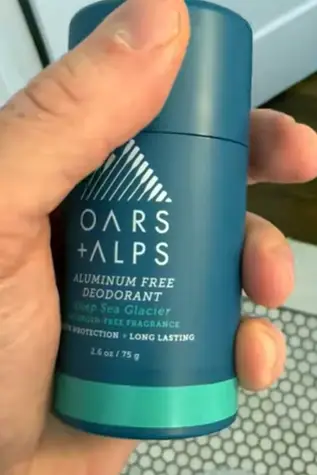
Let’s chat about how Oars and Alps stacks up against some popular alternatives like Native, Schmidt’s, and Dove Men+Care.
I’ve tried them all, so I’ll break it down like we’re discussing over coffee.
First, Native. This one’s a fan favorite for natural deodorants, and for good reason.
Like Oars and Alps, it’s aluminum-free with clean ingredients, but Native’s formula lasts longer—up to 8-10 hours in my tests.
Their scents, like Coconut & Vanilla, are dreamy and don’t fade as fast. Price-wise, similar at $13-15, but Native rarely irritates my skin.
If you’re active, Native holds up better during runs or gym sessions, where Oars and Alps let me down. You might prefer Native if you want reliability without constant reapplies.
Now, Schmidt’s. Another natural option with baking soda-based formulas that tackle odor head-on.
I love their Charcoal & Magnesium for its detox feel, and it glides on without residue, much like Oars and Alps.
But Schmidt’s edges out in sweat control; it absorbs more effectively. Downsides? It can be gritty if not warmed up. Cost is comparable, around $10-12, and it’s widely available.
For sensitive skin, their sensitive line is gentler than Oars and Alps, which burned me a bit. Overall, Schmidt’s feels more robust for daily use.
Then there’s Dove Men+Care, which isn’t fully natural but offers a hybrid approach
. Their Clean Comfort antiperspirant blocks sweat and odor for 48 hours—way beyond Oars and Alps’ few hours.
It’s affordable at $5-7 and doesn’t irritate. Scents are fresh, like Eucalyptus, but it contains aluminum, so if you’re avoiding that, skip it.
For me, Dove was a fallback when naturals failed; it’s reliable for high-stress days. You get what you pay for—consistent performance without frills.
In comparing, Oars and Alps shines in packaging and initial scent but lags in longevity and skin-friendliness. Native and Schmidt’s are stronger naturals, while Dove is the conventional powerhouse.
Depending on your priorities—clean ingredients vs. all-day protection—you’ll lean one way. I switched to Native after Oars and Alps and haven’t looked back.
Also Read: Is Skinmedica Tns Advanced Serum Worth it?
Frequently Asked Questions (FAQ)
The healthiest options are natural, aluminum-free ones with clean ingredients. Brands like Native, Schmidt’s, or Kinfield top lists for 2026, using plant-based elements like coconut oil and arrowroot to fight odor without harsh chemicals. They minimize risks like skin irritation or hormone disruption. Always check for personal allergies.
Kourtney Kardashian favors organic, natural deodorants. She’s mentioned Erbaviva’s jasmine and grapefruit spray, Schmidt’s Ylang Ylang + Calendula, and Phlur’s vanilla-scented one. These are clean, effective picks that align with her wellness focus.
In 2026 ratings, Oars + Alps gets mentions, but tops go to Lume Whole Body for all-day protection, Doc & Glo’s No. 3161 for women, and Mando for men. Dove Men+Care ranks high for affordability and reliability.
While the brand claims it doesn’t, some users report yellowish pit stains on clothes, especially lights ones, from oils mixing with sweat. It goes on clear initially, but repeated use can lead to buildup. Pretreat stains promptly.
Wrapping Up
Oars and Alps deodorant has some appealing features like natural ingredients and nice scents, but the shortcomings—short duration, potential irritation, and inconsistent performance—make it hard to endorse.
From my analytical lens, it’s better suited for low-key days rather than real life demands.
If you’re exploring options, consider your needs carefully; there are stronger choices out there. Thanks for reading my take—hope it helps you decide.
Recent Posts
● Interactive 5-Zone Interior & Exterior Paint Blueprint Paint Coverage Calculator: Gallons, Primer, Square Footage & Cost Tap any architectural surface zone on the blueprint...
If you want smooth, shiny hair without spending a fortune on a premium styling tool, the Ella Bella hair dryer may be worth considering.In these Ella Bella hair dryer reviews, I’ll look...