
I set out to compare Olympic and Behr deck stains after years of working on my own outdoor spaces and helping friends tackle theirs.
My goal is straightforward: give you a clear, practical breakdown of how these two popular big-box options stack up so you can pick the one that fits your deck, climate, and budget without second-guessing the label claims.
| Aspect | Olympic Deck Stain | Behr Deck Stain |
| Primary Retailer | Lowe’s and select PPG outlets | Home Depot exclusive |
| Base Options | Water-based and some oil-based | Mostly water-based acrylic |
| Typical Price per Gallon | $30–48 | $30–45 |
| Claimed Deck Lifespan | 3–6 years (varies by opacity) | 3–10 years (varies by opacity) |
| Real-World Deck Floor | Often 2–4 years before refresh | Often 2–4 years before refresh |
| Best Strength | UV stability and vertical surfaces | Solid-color performance and mildew resistance |
| Application Ease | Good with brush/pad/sprayer | Good with brush/pad/sprayer |
| Cleanup | Soap and water for water-based | Soap and water |
My Own Experience Choosing Between The Two
I have stained more than a dozen decks over the past decade, some with Olympic Maximum or Elite and others with Behr Premium lines.
The first time I stood in the aisle staring at both brands I felt the same pull most homeowners do: which one actually lasts, and which one will leave me sanding and stripping sooner than I want?
What I learned is that both deliver solid mid-tier results when surface prep is thorough and the right opacity is chosen for the wood condition.
Neither is a miracle product, yet both can look sharp and protect wood for several seasons if you treat the warranty numbers as optimistic guidelines rather than guarantees.
Key Differences Between Olympic And Behr Deck Stains
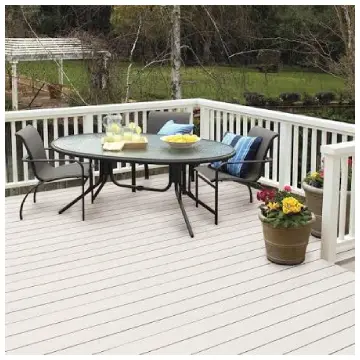
- Availability and store location: Olympic sits mainly at Lowe’s. Behr is only at Home Depot.
This single factor decides many purchases.
Drive time often wins over lab scores.
- Formula base and wood penetration: Behr uses water-based acrylic. It forms a surface film more than it soaks in. Olympic offers water-based and oil-modified choices.
Oil versions push farther into dry boards.
- Opacity range and color results: Both cover transparent to solid. Behr solid colors hold appearance well in tests.
Olympic semi-transparent keeps grain clear.
Test a small area first for true color.
- Warranty claims versus actual wear: Labels list three to ten years. Real foot-traffic decks need refresh every two to four years.
Vertical surfaces last longer for both brands.
- Application temperature window: Olympic allows cooler starts. It works down to the mid-30s Fahrenheit. Behr prefers warmer days for best film strength. Plan around the weather.
- Mildew and mold control: Both include inhibitors. Behr often edges ahead in humid spots.
Olympic holds strong on fences and railings. Shade and moisture still matter.
- Coverage on rough wood: Both drink more on old boards. Expect 150 to 250 square feet per gallon.
Buy extra for thirsty surfaces. Smooth new wood stretches farther.
Key Features Of Olympic Deck Stains
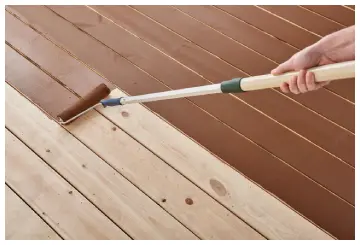
- Maximum and Elite product lines: Maximum is the daily workhorse. Elite adds urethane for tougher film.
Both cover wide color ranges. Railings held up well after three winters.
- UV and weather protection: Pigment systems slow color shift. Water-based Maximum kept tone steady on a shaded fence.
Four years passed with little fade. Full sun shortens that window.
- Mold and mildew blockers: Standard in most formulas. They limit green growth in damp air. Heavy shade still needs good airflow.
Clean the surface each spring.
- Cleanup and odor level: Water-based versions rinse easy. Soap and water handle brushes. Lower-VOC options suit family yards.
Pets stay safer during projects.
- Coverage rates and value: Rough wood needs more product. Smooth lumber covers farther
. Five-gallon sizes save money on large decks. Always stir well before use.
- Rain readiness timing: Many formulas resist light rain fast. Wait the full dry window for best results. Back-brush sprayed areas.
Keep a wet edge while working.
Pros Of Olympic Deck Stains
- UV color hold on vertical wood: Fences keep their look longer. Three to four years is common with good prep. Modern gray tones work especially well. Coastal shades stay true.
- Cooler application range: Stain in the upper 30s Fahrenheit. Early spring jobs become possible. More weekends open up for work. Shoulder season flexibility helps.
- Water or oil base choice: Oil versions penetrate deeper. Dry boards take the stain better. Water-based options clean up fast. VOC rules are easier to meet.
- Price and retail reach: Cost matches Behr closely. More store options outside one chain. Contractors know what to expect. Results stay predictable on standard decks.
- Grain visibility in semi-transparent: Natural wood character shows. Newer decks look richer. Fences gain depth without full hide. Test boards confirm the final tone.
Faster rain readiness on some lines: Light rain resistance arrives soon. Projects finish with less weather risk. Back-brushing improves even coverage. Thin coats prevent issues.
Cons Of Olympic Deck Stains
- Optimistic deck floor claims: Six-year labels rarely match. High-traffic boards need work by year two or three. Sunny dining areas wear faster. Plan refreshes sooner.
- Possible chalkiness on flat boards: Higher pigment can look dull. Afternoon sun shows it more. Fences hide the effect better. Thin coats reduce the risk.
- Coverage shortfalls on rough wood: Thirsty boards use more product. Extra gallons become necessary. Uneven finish appears if you skimp. Measure carefully first.
- Limited soak on water-based versions: Surface film forms easier. Walked-on areas wear sooner. Oil options help but cost similar. Prep still decides longevity.
- Peeling risk with heavy coats: Thick layers lift later. Dense wood shows this more. Thin even application prevents it. Proper drying time matters.
- Refresh cycle on horizontal surfaces: Two to four years is typical. Foot traffic shortens the window. Vertical work lasts longer. Maintenance stays regular.
Key Features Of Behr Deck Stains
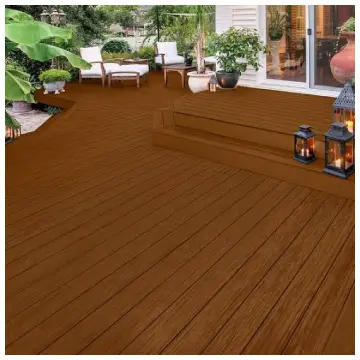
- Premium and DECKplus lines: These form the Home Depot core. Solid waterproofing versions hide flaws well.
Uniform color is easy to achieve. Weathered boards look fresh again.
- Acrylic film technology: It beads water on contact: Vertical surfaces keep the film longer.
Horizontal decks can lift if moisture gets under. Prep decides the outcome.
- Mildew resistance strength: Acrylic plus inhibitors work well. Shaded sections stayed cleaner in my tests.
North-facing boards showed less green film. Humidity still requires vigilance.
- In-store tinting system: Colors stay consistent across cans. Large projects match without trouble.
Custom shades are simple to create. Home Depot staff handle the process.
- Dry time and weather flex: Rain resistance starts in hours. Four-hour claims help when storms approach.
Avoid hot direct sun during application. Thin coats dry faster.
- Solid color hiding power: Heavy pigment covers repairs. Mismatched boards disappear under solid stain. Grain shows less but protection rises.
Pros Of Behr Deck Stains
- Solid color appearance scores: Independent tests rank them high. One to three year looks stay strong. Vertical surfaces hold pigment well. Hiding power covers old damage.
- Reliable mildew control: Formulas resist green growt. Humid or shaded spots stay cleaner. My north deck section proved this. Spring cleaning stays simpler.
- Consistent tinting results: Multiple cans match closely. Large decks keep even color. Custom work is straightforward. Home Depot system supports it.
- Lower cost for solid coverage: Gallons often run a bit less. Strong early results come at fair price. Five-gallon buys stretch the budget. Value shows on big projects.
- Easy water cleanup: Brushes rinse without solvents: Gardens and play areas stay safer. Family projects feel less messy. Odor levels stay manageable.
- Fast dry for busy schedules: Touch-dry times help: Rain windows open sooner. Weekend jobs finish on time. Thin even coats speed the process.
Cons Of Behr Deck Stains
- Film-forming on deck floors: Acrylic layer can peel. Moisture under the film starts the problem. Foot traffic speeds the lift. Full strip often follows.
- Shorter real life on walked boards: Claims exceed actual wear. Year three often shows thinning. Vertical surfaces hold closer to labels. High-traffic lanes fail first.
- Opacity sometimes too strong: Semi-transparent can look solid. Grain hides more than expected. Test a small patch first. True color appears after drying.
- Single-chain availability only: Home Depot is the only source. Extra drive time may be needed. Lowe’s shoppers switch brands. Convenience affects the choice.
- Harder fix once peeling starts: Full removal becomes required. Simple recoats no longer work. Multi-day projects replace weekend jobs. Prevention is easier.
- Maintenance rises after early wear: Spot fixes blend less well. Solid colors need careful edges. Semi-transparent options forgive more. Regular cleaning still helps.
How Surface Preparation Changes Everything For Both Brands?
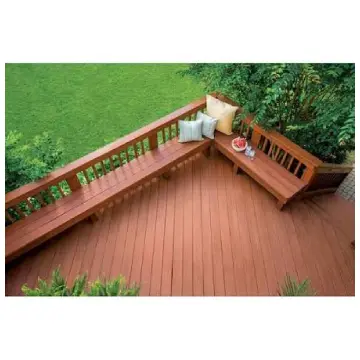
I cannot stress this enough: the difference between a stain that lasts three years and one that fails in eighteen months almost always traces back to prep.
Both Olympic and Behr demand clean, dry, bare wood.
Pressure washing alone is not enough if old film remains.
I use a combination of cleaner, brightener, and light sanding on any boards that still feel slick.
Moisture meters help; wood should sit below 15 percent moisture before the first coat goes down.
Skip these steps and even the best formula from either brand will struggle.
Application Tips That Work for Olympic and Behr
Stir thoroughly and keep a wet edge. I apply with a quality pad or brush, working with the grain and back-brushing sprayed areas.
Two thin coats beat one heavy coat every time. Temperature and humidity matter; avoid applying in direct hot sun or when rain is expected within the dry window.
For solid colors I often use a second coat the next day once the first is dry to the touch. Semi-transparent formulas usually need only one coat on new wood and two on weathered surfaces.
Which Opacity Should You Choose?
Transparent stains let the most grain show but last the shortest time, often needing yearly attention in full sun. Semi-transparent balances beauty and protection for two to four years.
Semi-solid and solid hide more grain and imperfections while stretching the refresh cycle closer to four or five years on vertical wood and three to four on decks.
I choose solid only when the wood is heavily weathered or mismatched. For newer or well-maintained decks I stay with semi-transparent so the natural character remains visible.
Climate And Location Factors
In hot, dry regions UV damage dominates, so higher pigment loads from either brand help.
In humid or coastal areas mildew resistance becomes critical; Behr often edges ahead here in my observation.
Freeze-thaw climates punish any film-forming stain, so thorough drying before winter and good drainage matter more than brand.
Covered decks or those with partial shade last longer with both products because foot traffic and direct weather are reduced.
Cost Considerations Beyond The Gallon Price
A gallon price of thirty-five to forty-five dollars looks similar, yet total project cost includes prep materials, tools, and the eventual refresh cycle.
If one brand forces a full strip every three years while the other allows a simple recoat, the longer-term expense shifts.
I track actual square-foot coverage on my own projects and find both brands land in the same range when wood condition is comparable. Buying the five-gallon size usually saves money on larger decks.
Long-Term Maintenance Reality
Neither product is set-and-forget. Plan on cleaning every spring and inspecting high-traffic zones. Spot touch-ups work better with semi-transparent formulas because they blend more easily.
Solid colors may require feathering edges carefully. When the finish finally thins across the whole surface, light cleaning and a fresh coat often restore protection if the old film has not peeled.
Once peeling starts, mechanical removal becomes necessary for either brand.
My Personal Preference After Multiple Projects
When the store is Home Depot and I need solid coverage on a weathered deck, Behr is my default.
When I shop at Lowe’s and want semi-transparent grain to show on a fence or newer deck, Olympic Maximum or Elite gets the call. The performance gap is smaller than the marketing suggests.
Thorough prep, correct opacity, and realistic expectations matter more than the logo on the can.
Frequently Asked Questions (FAQ)
Neither is universally better. Choice depends on store location, opacity needed, and whether vertical or horizontal surfaces dominate the project. Both deliver comparable mid-tier results with proper prep.
No single brand wins every category. Premium specialty lines often outlast big-box options, yet Olympic and Behr remain practical, widely available choices for most homeowners.
Yes, especially for fences, railings, and semi-transparent applications. Real-world durability on deck floors typically runs two to four years rather than the higher label claims.
Independent tests often rank solid formulas from Behr near the top for appearance retention, while other brands lead in penetration or color depth. The best product is the one matched to your wood, climate, and maintenance willingness.
Wrapping Up
I started this comparison wanting a clear winner between Olympic and Behr deck stains.
What I found instead is two capable mid-tier products that perform almost interchangeably when you respect their limits.
You now have the details on features, real durability, and the practical differences that actually matter on a job site.
Choose based on the store you prefer, the look you want, and the amount of prep you are willing to do. Take the time to clean and dry the wood thoroughly, apply thin even coats, and plan for a refresh every few years.
That approach will give you a protected, good-looking deck no matter which can you open. Your outdoor space deserves that level of care, and either brand can deliver it when used with realistic expectations.
Recent Posts
● Interactive 5-Zone Interior & Exterior Paint Blueprint Paint Coverage Calculator: Gallons, Primer, Square Footage & Cost Tap any architectural surface zone on the blueprint...
If you want smooth, shiny hair without spending a fortune on a premium styling tool, the Ella Bella hair dryer may be worth considering.In these Ella Bella hair dryer reviews, I’ll look...