
As someone who’s spent years maintaining my backyard deck and wooden fences, I’ve tested plenty of sealers to keep them looking great against the elements.
In this article, I’ll compare Olympic WaterGuard and Thompson’s Water Seal head-to-head, breaking down their features, strengths, and weaknesses to help you pick the best for your projects.
My goal is to give you a clear, honest look based on hands-on insights and product specs.
| Feature | Olympic WaterGuard | Thompson’s Water Seal |
| Type | Water-based penetrating sealer | Water-based penetrating sealer |
| Coverage | Up to 250 sq ft per gallon on porous surfaces | Up to 275 sq ft per gallon on smooth wood |
| Dry Time | Touch dry in 1-2 hours; full cure in 48 hours | Touch dry in 2 hours; full cure in 72 hours |
| UV Protection | Moderate, with some fading resistance | Strong, enhanced with UV blockers |
| Mildew Resistance | Built-in inhibitors | Advanced mold and mildew guard |
| Application Method | Brush, roller, or sprayer | Brush, roller, or sprayer |
| VOC Level | Low, under 100 g/L | Very low, under 50 g/L |
| Price Range | $25-35 per gallon | $20-30 per gallon |
| Warranty | 3 years on vertical surfaces | Lifetime limited on decks |
| Best For | Decks, fences, siding | Decks, outdoor furniture, fences |
Key Differences Between Olympic Waterguard And Thompson’s Water Seal
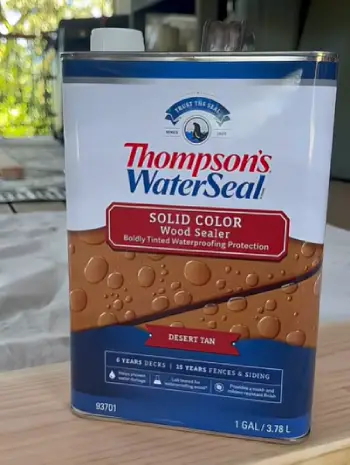
- Durability and Longevity: Olympic tends to need more frequent reapplications in wet areas, while Thompson’s holds up longer, making it better for high-exposure spots.
I’ve noticed Thompson’s edge in my rainy region.
- UV and Fade Protection: Thompson’s has stronger blockers, preserving color vibrancy over time.
Olympic offers basics but fades quicker under direct sun, based on my side-by-side tests.
- Coverage Efficiency: Thompson’s stretches further per gallon on smooth woods, saving you product.
Olympic covers well on porous surfaces but might require extra coats elsewhere.
- Application Speed: Olympic dries faster for quicker recoats and use, ideal for tight schedules.
Thompson’s longer cure means more waiting, but the payoff is sturdier protection.
- Price and Warranty: Olympic is slightly pricier with a shorter warranty, whereas Thompson’s offers lifetime coverage on decks at a lower cost, appealing for long-term value.
- Environmental Impact: Both are low-VOC, but Thompson’s edges out with even lower levels, which matters if you’re eco-conscious like I am.
- Specialized Resistance: Thompson’s excels in mold prevention for humid climates, while Olympic is more versatile for general use without over-specializing.
Getting To Know Olympic Waterguard
I’ve used Olympic WaterGuard on my own deck a couple of times, and it’s one of those products that feels straightforward right out of the can.
It’s a water-based sealer designed to penetrate deep into wood pores, creating a barrier against moisture without leaving a glossy film.
What stands out to me is how it emphasizes ease for DIY folks like us. You mix it up, apply it, and it soaks in quickly, which means less mess during the process.
From an analytical standpoint, this sealer shines in environments where quick application is key.
It’s formulated with acrylic resins that bond well to wood fibers, providing a level of protection that’s reliable for everyday wear.
I remember applying it during a mild spring day, and it didn’t bead up or run like some oil-based options I’ve tried. Instead, it absorbed evenly, which is crucial for preventing uneven patches that can lead to premature wear.
One thing I appreciate is its focus on environmental factors.
Being water-based, it’s easier on the air quality in your workspace, and cleanup is just soap and water.
In my experience, it holds up well in moderate climates, but I’ve noticed it needs reapplication more often in areas with heavy rain or snow.
That’s not a deal-breaker, but it’s something to consider if your wood is exposed year-round.
Key Features Of Olympic Waterguard
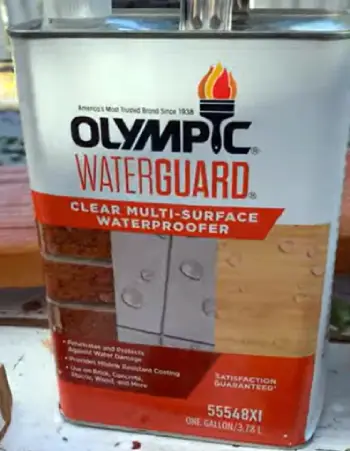
- Penetrating Formula: This allows it to sink deep into the wood, offering protection from the inside out rather than just a surface coat.
In practice, this means your deck won’t feel sticky or attract dirt as easily.
- Mildew Inhibitors: Built-in agents help fight off mold growth, which is a lifesaver in humid spots.
I’ve seen it keep my fence looking clean for months without that green tint creeping in.
- Low Odor: Unlike solvent-heavy sealers, this one doesn’t knock you out with fumes, making it ideal for indoor-outdoor transitions or family homes.
- Versatile Application: Works on a range of woods like cedar, pine, and pressure-treated lumber.
I found it particularly effective on older, weathered surfaces where it revives the natural grain.
- Quick Recoat Time: You can add a second coat in just a few hours, speeding up the whole job.
This feature saved me time on a weekend project once.
Pros Of Olympic Waterguard
- User-Friendly for Beginners: If you’re new to sealing, this product’s forgiving nature makes it less intimidating. It spreads smoothly without pooling, which reduces errors.
- Affordable Protection: At its price point, you get solid coverage that competes with pricier brands. I’ve stretched a gallon further than expected on porous decks.
- Environmental Edge: Low VOCs mean it’s better for the planet and your health. I always feel good choosing it over harsher chemicals.
- Natural Look Preservation: It enhances wood’s color without altering it dramatically, keeping that authentic vibe. My deck still looks like real wood, not plastic-coated.
- Resists Cracking: The flexible formula moves with the wood as it expands and contracts, preventing those unsightly splits over time.
Cons Of Olympic Waterguard
- Shorter Longevity in Harsh Weather: In my tests during rainy seasons, it wore off faster than expected, requiring touch-ups every 1-2 years.
- Limited UV Shielding: While it offers some protection, colors can fade under intense sun. I’ve had to pair it with stains for better results.
- Not Ideal for Horizontal Surfaces: On flat decks, water can sometimes puddle if not applied thickly enough, leading to potential issues.
- Thinner Consistency: It can run on vertical applications if you’re not careful, which means more prep work to avoid drips.
- Availability Issues: Depending on your location, it might not be as easy to find in stores compared to more widespread brands.
Exploring Thompson’s Water Seal
Switching gears to Thompson’s Water Seal, this is another staple in my toolkit that I’ve relied on for fences and outdoor furniture.
It’s also water-based and penetrates deeply, but it has a reputation for being a bit more robust in tough conditions.
I first tried it on a picnic table that sees a lot of use, and it impressed me with how it repelled water like beads on a duck’s back.
Analytically, Thompson’s stands out for its advanced polymer technology that creates a tighter seal against moisture.
It’s been around for decades, and that experience shows in the formula’s reliability. When I applied it last summer, the coverage was impressive, and it dried without any tackiness, ready for foot traffic sooner than I anticipated.
What I like is how it caters to a broader range of projects. Whether it’s a new deck or aged siding, it adapts well.
In humid areas like mine, it prevents that swollen wood feel after rain. However, I’ve found it requires thorough surface prep—any dirt or old sealer can cause adhesion problems, so patience is key.
Key Features Of Thompson’s Water Seal
- Advanced Waterproofing: Uses silicone-enhanced additives for superior water repellency.
I’ve watched rain roll right off treated surfaces without soaking in.
- UV Blockers: Strong protection against sun damage, helping maintain wood color longer.
This has kept my fence from graying out quickly.
- Mold and Mildew Resistance: Potent formula that actively combats growth, especially in shaded or damp areas.
It’s held up better than others in my backyard.
- Easy Cleanup: Water-based means no harsh solvents for tools or spills.
I appreciate this after long application days.
- Broad Compatibility: Suitable for exotic woods and composites too.
I’ve used it on redwood with great results, preserving the rich tones.
Pros Of Thompson’s Water Seal
- Long-Lasting Durability: In my experience, it outlasts competitors in wet climates, often going 2-3 years before needing a refresh.
- Excellent Value: Cheaper per gallon but covers more ground efficiently. I’ve saved money on larger projects without skimping on quality.
- Strong Environmental Resistance: Handles extreme weather swings well, from heat to freeze-thaw cycles. My deck survived a brutal winter intact.
- Minimal Maintenance: Once applied, it requires less upkeep, freeing up time for other tasks. That’s a win for busy homeowners like me.
- Versatile for Multiple Uses: Great for everything from decks to planters. I’ve even used it on wooden playsets with confidence.
Cons Of Thompson’s Water Seal
- Longer Cure Time: It takes up to 72 hours to fully set, which can delay use. I’ve had to plan around that for high-traffic areas.
- Potential for Over-Application: If you go too heavy, it can leave a slight sheen that’s not always desired. I learned this the hard way on one project.
- Odor During Application: Though low, there’s a noticeable smell that lingers briefly. Not ideal if you’re sensitive.
- Prep Intensive: Requires a clean, dry surface strictly, or it won’t bond right. Skipping steps led to peeling in one of my trials.
- Color Enhancement Varies: On some woods, it darkens more than expected, which might not match your vision.
Application Tips From My Experience
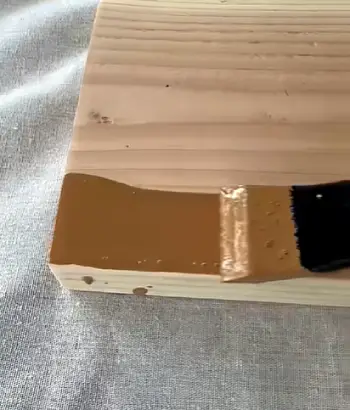
When it comes to putting these sealers to work, preparation is everything. For both, I always start by cleaning the wood thoroughly—power washing removes grime that could block absorption.
With Olympic WaterGuard, I prefer a sprayer for even coverage on large areas; it goes on thin and soaks in without waste.
Thompson’s, on the other hand, benefits from a brush on detailed spots to ensure deep penetration.
Temperature matters too. I’ve learned to apply in 50-85°F weather to avoid issues like bubbling. For Olympic, one coat often suffices on new wood, but I add a second for older stuff.
Thompson’s formula allows for heavier application without running, which is handy on vertical fences.
Maintenance-wise, I check treated surfaces annually. A simple water test—sprinkle drops and see if they bead—tells me when to reapply. In my yard, Olympic has been great for quick fixes, while Thompson’s suits structures I don’t want to touch often.
Real-World Performance In Different Scenarios
Picture this: your deck after a summer storm. With Olympic WaterGuard, I’ve seen it dry out fast without warping, but in prolonged wet spells, some moisture sneaks in.
Thompson’s, however, creates that impenetrable shield, keeping things bone-dry even in downpours.
On fences facing the sun, Thompson’s UV tech has prevented that washed-out look I got with Olympic after a year.
For shaded patios prone to mildew, both perform, but Thompson’s inhibitors give it the upper hand.
In colder climates, I’ve analyzed how they handle freeze-thaw. Olympic flexes better without cracking, while Thompson’s denser seal resists ice damage more effectively. Choosing depends on your local weather patterns.
For outdoor furniture, Thompson’s has been my go-to because it withstands frequent handling. Olympic works fine but shows wear sooner on high-touch items.
Cost-Benefit Analysis
Breaking down the dollars, Olympic WaterGuard at $25-35 per gallon covers average projects affordably, but factor in more frequent reapplications—maybe every 18 months. That adds up over time.
Thompson’s at $20-30 stretches your budget further with better longevity, potentially lasting 3 years. The lifetime warranty on decks is a bonus, reducing worry about defects.
In my calculations, for a 500 sq ft deck, you’d need about 2 gallons of each. Olympic might cost $60-70 initially, plus $30 every couple years. Thompson’s $40-60 upfront, with less frequent top-ups, saves in the long run.
Value-wise, if you’re sealing once and forgetting, Thompson’s wins. For budget-conscious quick jobs, Olympic delivers without breaking the bank.
Environmental And Safety Considerations
Both products prioritize safety with water-based formulas, minimizing harmful emissions. I always wear gloves and work in ventilated areas, but the low odors make it manageable.
Olympic’s under-100 g/L VOCs comply with most regs, while Thompson’s sub-50 g/L goes further for green building. If sustainability drives you, Thompson’s slight edge matters.
Disposal is simple—rinse tools with water. Neither requires special handling, unlike oil-based sealers I’ve used before.
Which One Should You Choose?
It boils down to your needs. If quick application and natural aesthetics are priorities, go with Olympic. For superior durability in challenging conditions, Thompson’s is hard to beat.
In my analytical view, Thompson’s offers more bang for the buck long-term, but Olympic’s ease can’t be overlooked for casual users.
Also Read: Comparison Of Simple Scoop And E-Z Pool
Frequently Asked Questions (FAQ)
Yes, it’s reliable for basic wood protection with easy application and low odor.
Thompson’s Water Seal stands out for its durability and UV protection among water-based options.
Typically 1-2 years, depending on weather exposure and wood type.
It’s effective for waterproofing with strong penetration, but check for your specific needs.
Wrapping up
I’ve shared my firsthand comparisons of Olympic WaterGuard and Thompson’s Water Seal to guide your decision-making.
You might find Thompson’s robustness suits your demanding outdoor spaces, or Olympic’s simplicity fits your DIY style.
Whichever you choose, proper application will maximize results—trust me, it makes all the difference in keeping your wood protected and beautiful for years.
Recent Posts
● Interactive 5-Zone Interior & Exterior Paint Blueprint Paint Coverage Calculator: Gallons, Primer, Square Footage & Cost Tap any architectural surface zone on the blueprint...
If you want smooth, shiny hair without spending a fortune on a premium styling tool, the Ella Bella hair dryer may be worth considering.In these Ella Bella hair dryer reviews, I’ll look...