
I have packed more school lunches than I care to count, and the daily choice between an OmieBox and a Bentgo has shaped how my kids eat, how much mess ends up in their backpacks, and how much time I spend cleaning up at night.
My goal here is to give you a clear, practical side-by-side look at both so you can decide which one actually fits your mornings, your child’s appetite, and the kinds of food you send.
| Feature | OmieBox | Bentgo Kids |
| Hot food capability | Built-in vacuum-insulated thermos (keeps food warm 4–5 hours) | None (cold or room-temperature only) |
| Cold food performance | Side compartments stay cool when packed properly | Strong with optional Chill ice-pack versions |
| Number of compartments | 3 + removable thermos (divider option for 4) | 5 fixed compartments |
| Approximate empty weight | 1.7 lbs with thermos | 1–1.2 lbs |
| Capacity | About 47 oz total (8.5 oz thermos) | Roughly 2.5–4.2 cups depending on model |
| Leak resistance | Thermos fully leakproof; side compartments limited liquid | Fully leakproof compartments |
| Cleaning | Hand wash recommended | Tray top-rack dishwasher safe; outer shell hand wash |
| Ease for young kids | One large latch; thermos lid needs some strength | Simple rubber latches most preschoolers manage |
| Materials | BPA-free plastic, silicone, 18/8 stainless steel thermos | BPA-free plastic with silicone seals |
| Typical price range | Higher | More budget-friendly |
| Best for | Hot + cold meals in one box | Cold variety lunches and lighter packs |
Key Differences Between The OmieBox And Bentgo
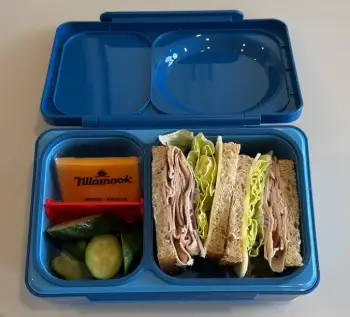
- Temperature control stands out first: The OmieBox is built around a removable stainless-steel thermos that lets me pack mac and cheese or soup that still feels warm at lunchtime.
The Bentgo stays at room temperature or cooler if I add an ice pack.
That single difference changes what I can send on any given day.
- Weight and bulk affect the backpack: My preschooler notices the extra weight of the OmieBox.
The Bentgo feels lighter and slides into smaller bags without making the whole pack heavy.
This becomes noticeable on long school days or when the bag already holds books and a water bottle.
- Compartment layout shapes the meal: Bentgo gives five distinct spots that encourage a little bit of everything.
OmieBox offers fewer but larger spaces once the thermos is in place, or more flexibility when I remove it.
The choice depends on whether your child prefers many small bites or one main warm dish with sides.
- Cleaning routines differ: I can pop the Bentgo tray in the dishwasher most nights.
The OmieBox needs more hand washing to protect the seals and thermos.
Over a full school year the time difference adds up.
- Price and long-term value: Bentgo costs less up front.
OmieBox costs more but solves the hot-food problem that would otherwise require a separate thermos and extra containers.
The better value depends on how often you actually use the warm-food feature.
Key Features Of The OmieBox
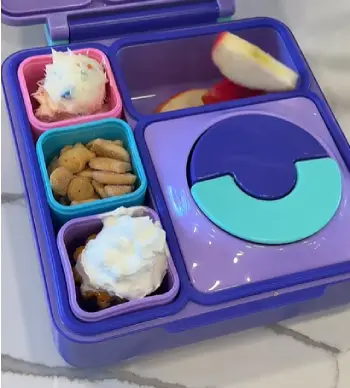
- Built-in vacuum-insulated thermos: The 8.5-ounce stainless-steel insert is the reason I reach for this box on days when leftovers or warm pasta feel necessary.
Preheating it with hot water and packing the food piping hot keeps meals warmer longer than any regular bento I have tried.
- Separate hot and cold zones: Hot food stays in the thermos while fruit, cheese, or veggies sit in the side compartments.
Heat does not transfer the way it can when everything sits together in a regular container. This setup lets me send balanced lunches without temperature issues.
- Kid-friendly single latch and carry handle: My younger child can open the main lid on her own.
The handle makes it easy to pull the box out of a backpack without dumping everything. Independence at lunchtime reduces the need for teacher help.
- Removable divider and replaceable seals: I can adjust the layout when I need an extra section or when the thermos comes out.
Replacement gaskets are available, which extends the life of the box.
This feature saves money over multiple school years.
- BPA-free materials with stainless-steel contact for hot food: The thermos is 18/8 food-grade steel.
The rest of the box uses food-safe plastic and silicone that meet standard safety requirements for children’s products.
I feel confident packing a wide range of foods in it.
Pros Of The OmieBox
- True hot-and-cold packing in one container: I no longer need a separate thermos and extra containers. One box handles warm pasta next to cold grapes without the cold food warming up or the hot food cooling too fast. Mornings become simpler as a result.
- Better meal variety for picky eaters who reject cold food: Some days my child will only eat if the main dish is warm. The OmieBox makes that possible without extra gear. More of the lunch actually gets finished.
- Solid leak performance when used as directed: Wet foods go in the thermos. The side compartments handle light moisture well enough that backpacks stay clean. I spend less time dealing with spills.
- Replaceable parts extend usefulness: Seals and lids can be swapped instead of replacing the whole box after heavy use. This approach lowers the long-term cost.
- Encourages home-cooked leftovers: Because the thermos works, I send more of what we ate the night before instead of defaulting to sandwiches. Kids get familiar home flavors at school.
Cons Of The OmieBox
- Heavier and bulkier for small kids: At about 1.7 pounds empty, it adds noticeable weight once food is packed. Younger children sometimes struggle with the full bag. I watch for fatigue on longer school days.
- Thermos lid can be hard for little hands: Screwing and unscrewing the lid takes more strength than the main latch. Some kids need help at lunchtime. Practice helps but does not solve it for every child.
- Hand washing is the safer route: Dishwasher heat can damage seals over time, so I spend more time at the sink. The extra step becomes part of the evening routine.
- Higher price point: The extra cost only feels worth it if you actually use the hot-food feature regularly. Families who pack mostly cold lunches may not see the value.
- Limited liquid capacity in side compartments: Juicy fruits or watery dips still need careful packing or the thermos. Overfilling the sides can lead to minor leaks.
Key Features Of The Bentgo Kids
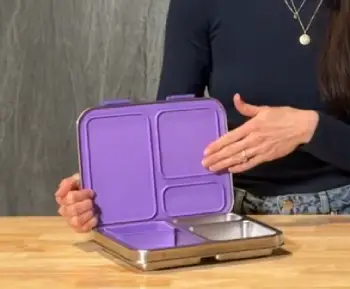
- Five leakproof compartments: One larger section holds a half sandwich or wrap.
The smaller ones keep fruit, crackers, dips, and treats separate so nothing gets soggy.
This design supports variety without extra containers.
- Simple rubber latches: Even three- and four-year-olds usually manage the latches without help.
That independence matters at school or daycare. Kids gain confidence when they can open their own lunch.
- Lightweight plastic construction with protective edges: The box survives drops better than thinner containers I have owned. Rubberized edges help absorb impact.
It holds up well to the rough treatment of a typical school day.
- Microwave-safe tray and dishwasher-friendly design: I can reheat the food tray if needed and clean it on the top rack most of the time. That convenience adds up over a school year.
Cleanup stays quick even on busy evenings.
- Wide range of colors and prints: Kids often pick their own design, which makes them more willing to carry and open the box every day.
Personal choice can reduce lunchtime resistance.
Pros Of The Bentgo Kids
- Light enough for daily backpack use: Kids carry it without complaint, and it fits easily in most school bags. The lower weight reduces strain on smaller shoulders.
- Easy for young children to open and close independently: The latches remove one common lunchtime struggle and build confidence. Teachers and parents both appreciate the self-sufficiency.
- Reliable leakproof design for everyday cold foods: Yogurt, dips, and cut fruit stay put. I have had far fewer backpack surprises with this box. Cleanup stays minimal most days.
- Simple cleaning routine: The removable tray goes in the dishwasher. Cleanup takes minutes most nights. This feature supports consistent daily use.
- Affordable and widely available in fun designs: Lower cost means I can keep a spare or replace one without much thought. Kids enjoy picking their own print and using it proudly.
Cons Of The Bentgo Kids
- No ability to keep food hot: Everything arrives at room temperature or cooler. Kids who dislike cold meals may leave more food uneaten. This limits options on leftover days.
- Smaller overall capacity in the classic kids version: Bigger appetites or larger sandwiches sometimes need creative packing or an extra container. Growing children may outgrow it sooner.
- Plastic can show wear and scratches over time: The exterior does not stay pristine after months of school use. Appearance declines even when function remains solid.
- Compartments are fixed: You cannot rearrange the layout the way some other boxes allow. Flexibility is limited compared with adjustable designs.
- Insulation depends on ice packs or a separate bag: Without the Chill version or an external cooler, cold food does not stay as cold as long as some insulated options. Extra accessories may be needed.
Real-World Performance From My Kitchen Counter
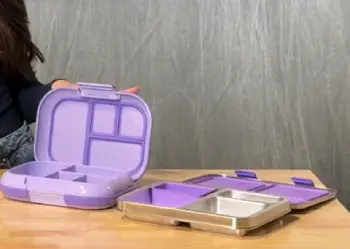
I started with the Bentgo because it was lighter and cheaper. For sandwich days, cheese cubes, apple slices, and crackers, it worked exactly as advertised.
My kids opened it themselves, the compartments kept everything separate, and cleaning was quick.
The problem appeared on leftover nights. Cold pasta or room-temperature chicken nuggets often came home half-eaten. That is when I tried the OmieBox.
The first time I packed warm mac and cheese in the thermos and cold grapes beside it, both kids finished more of their lunch.
The temperature difference stayed clear. The thermos still felt warm at midday when I preheated it and packed the food hot.
Dry foods cool faster than saucy ones, so I stick to soups, stews, rice dishes, or pasta with sauce when I want the best results.
Weight became the trade-off. On field-trip days or when the backpack already held a water bottle and folder, the OmieBox felt heavier. I sometimes switched back to the Bentgo for those mornings.
The Bentgo also wins when I need five small portions for a grazer. The OmieBox feels better when the meal centers on one warm main dish plus a couple of sides.
Leak tests in my house have been consistent with what most parents report. Both boxes handle normal school food well.
Extremely juicy items still need attention. The OmieBox thermos is the more secure option for anything liquid-heavy.
Who Should Choose Which Box?
If your child refuses cold lunches and you regularly cook meals that reheat well, the OmieBox solves a real problem.
The higher price and extra weight make sense when warm food means more of the lunch actually gets eaten.
Families who pack mostly cold items, value lightness, or want the simplest daily routine will usually prefer the Bentgo. Its lower cost and easier cleaning fit high-volume school-year use.
Age matters too. Very young preschoolers often do better with the Bentgo’s light weight and simple latches.
Kids closer to elementary age who can manage the thermos lid get more value from the OmieBox’s flexibility.
Longevity And Daily Practicality
Both boxes hold up to daily school use when treated reasonably. The Bentgo’s plastic shows cosmetic wear faster but keeps functioning.
The OmieBox lasts longer if the seals stay clean and the thermos lid is not forced.
I keep spare seals on hand for the OmieBox because that is the part most likely to need attention after a year or two of heavy use.
Morning time is another factor. Packing the OmieBox takes a couple of extra minutes if I preheat the thermos.
On rushed mornings the Bentgo is faster. I decide the night before which box fits the meal and the schedule.
Frequently Asked Questions (FAQ)
It depends on whether your child prefers warm food. Choose Omie for hot meals and Bentgo for cold variety lunches and lighter weight.
Yes if you pack hot food regularly. The thermos feature justifies the cost for many families who otherwise struggle with uneaten cold meals.
Yes, when you preheat the thermos and pack food very hot. Saucy dishes stay warmer longer, typically several hours.
No. It uses BPA-free plastic, food-grade silicone, and 18/8 stainless steel and meets standard food-contact safety requirements.
Final Thoughts
After seasons of testing both boxes in real backpacks and real lunchrooms, I keep both in rotation.
The OmieBox earns its spot on days when warm food makes the difference between a full stomach and a half-eaten lunch.
The Bentgo stays in the mix for lighter days, faster mornings, and kids who like lots of little choices.
You know your child’s preferences and your own morning energy better than any review can.
Match the box to the meals you actually pack and the weight your child can comfortably carry.
That practical fit will matter more than any single feature list. Whichever you choose, a box that gets used every day without drama is the one that wins.
Recent Posts
● Interactive 5-Zone Interior & Exterior Paint Blueprint Paint Coverage Calculator: Gallons, Primer, Square Footage & Cost Tap any architectural surface zone on the blueprint...
If you want smooth, shiny hair without spending a fortune on a premium styling tool, the Ella Bella hair dryer may be worth considering.In these Ella Bella hair dryer reviews, I’ll look...