
I have spent years figuring out the right food for my energetic Labrador mix, Max, and my picky senior Beagle, Luna.
After dealing with itchy skin, inconsistent energy, and endless trial-and-error with different brands, I landed on comparing Open Farm and Stella and Chewy head-to-head.
My goal with this article is simple: share a real-user perspective on how these two premium options stack up so you can decide what fits your dog best without the guesswork.
Both brands aim for high-quality nutrition, but they approach it differently in sourcing, formats, and everyday practicality.
| Aspect | Open Farm | Stella & Chewy’s |
| Sourcing | Traceable lot codes, Certified Humane, GAP, sustainable fish | Cage-free, grass-fed, wild-caught; organic produce |
| Main Formats | Kibble, freeze-dried, gently cooked fresh, wet | Freeze-dried raw, raw-coated kibble, frozen raw, wet |
| Protein Focus | High, with named meats first | Very high, heavy on organs & bone |
| Transparency | Excellent (batch tracing) | Good, but less farm-specific |
| Recall History | None major | A few in the past (Listeria) |
| Price Range | Premium, more options for value | Premium, often higher per serving |
| Best For | Ethical focus, variety, traceability | Raw nutrition mimic, picky eaters |
My First Experience With Both Products
When I first brought home Open Farm, I was curious but a bit skeptical about the hype around traceability.
I started with their gently cooked Homestead Turkey pouches and freeze-dried chicken morsels for Max and Luna.
The moment I opened the package, the fresh smell was noticeable without being overpowering. Both dogs dove in immediately.
Within the first week, I saw firmer stools and less begging between meals. Tracing the lot code online felt reassuring.
It showed the exact farm details, which made me feel more connected to what I was feeding them. Max’s energy stayed steady during long walks, and Luna’s coat started looking glossier after about ten days. It was an easy transition with almost no stomach upset.
My initial try with Stella and Chewy’s was with their freeze-dried Chicken Dinner Patties and raw-coated kibble. The strong, meaty aroma got both dogs excited right away. Luna, who is usually picky, actually wagged her tail at mealtime for the first time in weeks.
I rehydrated the patties as directed, and they loved the texture. Within days, I noticed more playful energy from Max and better digestion overall.
The organic ingredients and probiotics seemed to calm some minor itching Luna had. However, the patties crumbled a bit in the bag, creating some mess, and the higher protein density caused slightly softer stools for the first few days until their systems adjusted. It felt like a powerful, nutrient-packed option compared to regular kibble, but I had to be more careful with portions.
Overall, both brands impressed me from the start, but in different ways. Open Farm felt reliable and transparent from day one, while Stella and Chewy’s delivered that wow factor in taste and raw-like benefits.
These first experiences helped me decide how to rotate them successfully in our routine.
Key Differences Between The Open Farm Versus Stella And Chewy
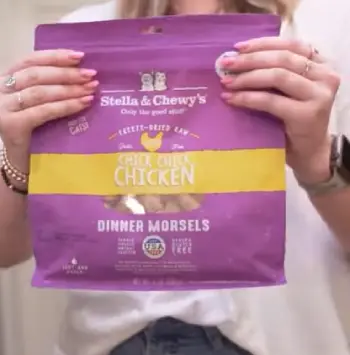
When I stacked them side by side in my own kitchen, several differences became clear. I used these points to decide what to rotate in Max and Luna’s bowls.
- Sourcing transparency: Open Farm wins here with detailed lot code tracing back to specific farms.
Stella and Chewy’s offers strong ethical claims but does not provide the same farm-by-farm visibility.
- Processing and formats: Open Farm provides more cooked and gently processed options alongside raw-style.
Stella and Chewy’s leans heavier into freeze-dried raw and raw-coated for that minimal-processing edge.
- Protein and ingredient density: Stella and Chewy’s often edges out with higher organ meat inclusion and bone content.
Open Farm balances this with a broader mix of veggies and sometimes grains for digestive support.
- Safety record: Open Farm has a cleaner history with no major recalls.
Stella and Chewy’s had past Listeria concerns, though they addressed them and improved protocols.
- Variety and accessibility: Open Farm offers more recipe choices and formats, including subscription flexibility.
Stella and Chewy’s shines in raw-focused lines but can feel more limited for everyday variety.
- Price per serving: Open Farm sometimes felt more approachable for larger bags or mixed feeding.
Stella and Chewy’s premium raw focus made it pricier overall in my experience.
These differences helped me see that neither is universally “better”—it depends on your dog’s needs and your priorities as a owner.
Key Features Of Open Farm
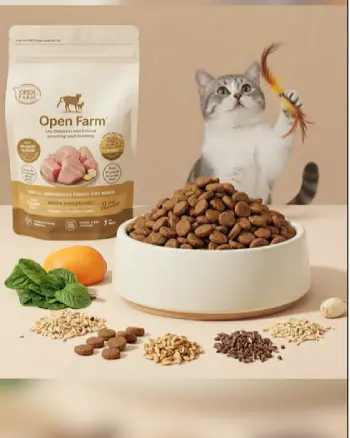
I first tried Open Farm because of their strong emphasis on knowing exactly where everything comes from. Here is what stands out to me:
- Traceable ingredients with lot codes: Every bag has a code you enter on their site to see the exact farm, processing details, and quality checks.
This level of openness gave me real peace of mind as someone who wants to avoid vague sourcing.
- Humanely raised proteins: Meats come from farms meeting Certified Humane and Global Animal Partnership standards.
No antibiotics or growth hormones, and fish is wild-caught under sustainable programs.
- Variety across formats: Dry kibble with ancient grains or grain-free, freeze-dried raw options, gently cooked fresh pouches, and wet recipes.
This flexibility helped me mix things up for Max and Luna without switching brands.
- Non-GMO produce and added benefits: Pumpkin, blueberries, carrots, and more for natural nutrients, plus probiotics in many recipes for gut health.
- AAFCO compliance: All recipes meet nutritional standards for different life stages, with clear labeling.
Open Farm feels like a brand built for pet parents who care about ethics and want options that fit busy lives.
Their gently cooked line, for instance, offers convenient pouches that my dogs devoured, and the freeze-dried morsels worked great as toppers or full meals on travel days.
Pros Of Open Farm
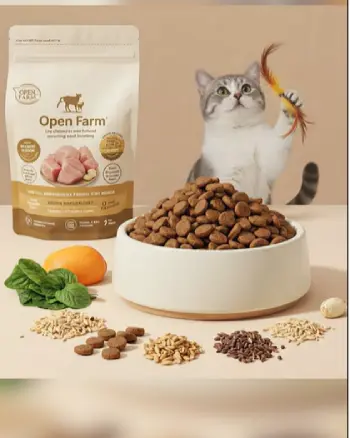
- Outstanding traceability and ethical sourcing: Every bag has a lot code you can enter online to see the exact farm, processing details, and quality tests.
This level of transparency gave me complete confidence, especially knowing the meats are Certified Humane and Global Animal Partnership approved with no antibiotics or hormones, and fish is sustainably wild-caught.
- Wide range of convenient formats: From dry kibble (grain-free or ancient grains) to freeze-dried raw, gently cooked fresh pouches, and wet food, I could easily mix and match for Max’s energy needs and Luna’s senior digestion without switching brands.
- Strong digestive and coat support: Probiotics plus non-GMO produce like pumpkin, blueberries, and carrots led to firmer stools, reduced itching, and noticeably shinier coats within a few weeks of consistent feeding.
- High palatability and life-stage flexibility: Both dogs finished meals quickly, and recipes meet AAFCO standards across puppy, adult, and senior stages, making it simple to adjust as my dogs aged.
- Clean safety record and added nutrition: No major recalls, human-grade ingredients, and balanced omega fatty acids supported joint health and overall vitality without artificial additives or fillers.
Cons Of Open Farm
- Premium pricing on specialty formats: Freeze-dried and fresh cooked options added up quickly for two dogs, requiring careful budgeting even though kibble was more affordable.
- Limited local availability: I often had to order online and plan ahead, as not every pet store carried the full range.
- Adjustment period for sensitive dogs: Luna experienced mild loose stools during the initial switch due to the nutrient density, though it resolved after a slower transition.
- Fewer single-protein options in some lines: This could be challenging for dogs with complex allergies, although limited-ingredient recipes help.
Subscription-focused best deals: The model works well for consistency but feels restrictive if you prefer occasional one-time purchases or sudden changes in routine.
Key Features Of Stella And Chewy’s
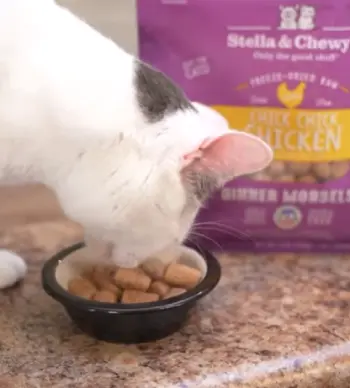
Stella and Chewy’s caught my attention for its raw-inspired approach.
I tried their freeze-dried patties during a phase when I wanted to give my dogs something closer to a natural ancestral diet.
Key highlights include:
- High meat content with organs and bone: Many recipes feature 90-95% animal ingredients, including muscle meat, organs, and ground bone for natural calcium and nutrients. This density really showed in my dogs’ energy levels.
- Freeze-dried raw convenience: Shelf-stable patties or nuggets that mimic raw feeding without the freezer hassle or bacterial worries (they use HPP processing for safety).
- Organic fruits and vegetables: Cranberries, spinach, blueberries, carrots, and pumpkin add antioxidants and fiber. Grain-free options dominate, though some lines include wholesome grains.
- Probiotics and minimal processing: Multiple strains support digestion, and the focus on raw or raw-coated kibble keeps nutrients intact.
- Palatability focus: My picky Luna went crazy for the chicken or beef flavors. The aroma and texture made mealtime exciting again.
This brand excels at delivering biologically appropriate nutrition in an easy-to-serve form. The raw-coated kibble line blended well with their freeze-dried options, creating a hybrid that worked during transitions.
Pros Of Stella And Chewy’s
- Nutrient-dense raw-inspired formulas: High meat content with organs and bone provides natural calcium, vitamins, and minerals that supported energy, joints, and immunity, closely mimicking an ancestral diet.
- Excellent taste and appeal for picky eaters: The aroma and texture from freeze-dried patties or raw-coated kibble made mealtime exciting, and both my dogs eagerly cleaned their bowls every time.
- Organic produce and probiotic boost: Ingredients like cranberries, spinach, and blueberries plus multiple probiotic strains improved digestion, stool quality, and reduced gas noticeably.
- Convenient shelf-stable raw benefits: HPP processing allows raw nutrition without freezer hassle or high bacterial risk, making it practical for daily use or travel.
- Good variety of proteins and limited-ingredient options: Easy rotation between chicken, beef, and novel proteins helped manage sensitivities while keeping meals interesting and balanced.
Cons Of Stella And Chewy’s
- Higher overall cost: Especially for freeze-dried and raw lines, it stretched my budget more than Open Farm for similar daily feeding with two dogs.
- History of recalls: Past Listeria concerns (though resolved) made me cautious and required extra research on current safety practices.
- Messy handling with some formats: Patties can crumble, and rehydrating adds a small extra step compared to ready-to-serve kibble or pouches.
- Higher fat/protein density: Great for active dogs but needed monitoring for Luna to avoid weight gain or initial digestive adjustment issues.
- Stronger focus on raw-style over variety: Fewer gently cooked everyday options meant I sometimes supplemented for balanced rotation in our household.
My Real-User Experience Comparing Both Brands
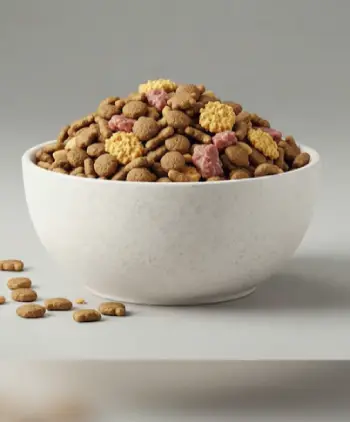
As someone who has fed both, I rotated them based on seasons and needs.
In summer, Open Farm’s gently cooked pouches kept things light and hydrating for Max during hikes.
For winter or when Luna needed extra joint support, Stella and Chewy’s freeze-dried with bone content felt more robust.
Both improved coat quality noticeably over basic kibble, but Open Farm’s traceability gave me extra confidence during supply chain concerns.
Analytically, Open Farm suits owners prioritizing ethics and flexibility. Stella and Chewy’s appeals more to raw enthusiasts seeking maximum nutrient density.
I saw no dramatic health differences between them after consistent use, but individual dogs responded slightly differently—Max preferred Open Farm’s textures, while Luna loved Stella’s aroma.
Digging into nutrition numbers, Stella and Chewy’s often shows higher protein and fat on dry matter basis in raw lines, supporting muscle maintenance.
Open Farm balances this with fiber and produce for steady digestion. Both meet AAFCO standards, but real results came from watching my dogs’ energy, stools, and vet check-ups over months.
Which One Should You Choose?
From my analytical view, it depends on your lifestyle. If traceability, variety, and a cleaner safety profile top your list, I lean toward Open Farm for most families.
For raw nutrition benefits and picky-eater appeal, Stella and Chewy’s delivers strong results. Many owners, including me, mix elements from both for balanced rotation.
Also Read: Comparison Of Badlands Ranch And Sundays
Frequently Asked Questions (FAQ)
It depends on your priorities. Open Farm edges out for transparency and variety, while Stella and Chewy shines in raw nutrient density and palatability. Both are excellent; test based on your dog’s needs.
Many vets appreciate its ethical sourcing, traceability, and AAFCO compliance. It often gets positive nods for balanced nutrition and clean ingredients.
Vets supportive of raw or minimally processed diets frequently recommend it for healthy dogs. Some prefer brands with extensive feeding trials, but overall feedback is strong for quality.
Brands like The Farmer’s Dog, Primal, or other humanely sourced options with traceable ingredients offer similar premium profiles focused on ethics and quality.
Wrapping Up
I have walked this path with Max and Luna, weighing every bag, watching their responses, and adjusting as needed.
Open Farm and Stella and Chewy both represent premium choices that go beyond basic kibble, but your dog’s unique needs and your values as an owner will guide the final call.
Try small bags or samples if possible, monitor how your pup feels, and consult your vet for tailored advice.
You know your dog best—choose confidently and enjoy the wagging tails at mealtime. What works for one household might differ for another, so trust your observations and keep their health at the center.
Recent Posts
I tried Meltoway Hair Dissolving Cream because I wanted a quick way to deal with unwanted body hair without reaching for a razor every few days. If you are looking for a convenient at-home...
If you’re considering a saffron-based supplement to support mood, appetite control, and everyday wellness, Happy Saffron Plus is worth considering.I like that it takes a familiar botanical...