
I have spent years trying different premium dog foods for my own energetic Labrador mix, always searching for the right balance of quality ingredients and noticeable benefits in coat shine, energy, and digestion.
This article shares my honest analysis of Orijen versus Fromm so you can make an informed choice that fits your dog’s needs and your budget. I focus on key features like meat content, sourcing, and daily performance without hype.
I start every new food trial the same way. I read the label, watch my dog’s reaction over weeks, and note changes in stool quality, energy, and overall vitality. Both Orijen and Fromm stand out as premium options, yet they appeal to slightly different priorities.
A Brief Comparison Table
| Feature | Orijen | Fromm |
| Protein Focus | High animal content with 85%+ quality meats, organs, and cartilage in WholePrey ratios | Solid protein from named meats with balanced recipes across lines |
| Ingredient Style | Biologically appropriate, fresh or raw first ingredients, low carb emphasis | Family recipes with meats, grains or grain-free options, produce, and probiotics |
| Variety | Strong in high-protein formulas for all life stages, some grain-inclusive now | Excellent selection including Gold, Four-Star, and specialized lines for different needs |
| Price Point | Premium and higher cost per bag | More affordable while maintaining quality |
| Company Background | Known for ancestral diet approach, produced in own facilities | Fifth-generation family-owned in Wisconsin with in-house production |
| Best For | Active dogs needing dense nutrition from animal sources | Families wanting flexibility, digestion support, and value |
My Experience With Orijen
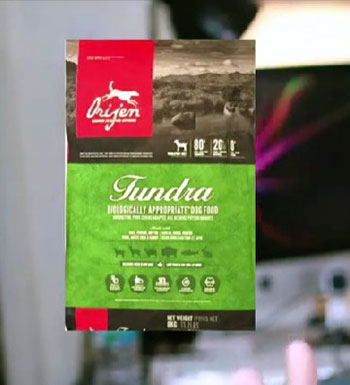
I first tried Orijen when my Labrador hit two years old and needed sustained energy for daily runs and play.
The switch from a standard kibble felt noticeable within two weeks. His coat developed a deeper shine, and morning zoomies lasted longer without mid-day crashes.
Stools firmed up nicely, signaling good digestibility despite the high meat load. I appreciated the clear ingredient deck showing multiple fresh proteins in the first positions.
During a particularly active summer, he maintained ideal weight without constant begging, which told me the nutrient density worked well.
One challenge surfaced when I traveled and had to source it locally. Limited stock forced a short switch, and the return highlighted how much he preferred the taste and results. Over multiple bags, consistency stayed high with no major batch variations.
I monitored energy, skin condition, and vet check-ups closely. Bloodwork remained excellent, and the vet noted solid muscle tone. For an active breed like mine, the biologically appropriate focus aligned perfectly with natural needs.
Yet I also tested during a calmer winter period. The calorie density required tighter portion control to prevent a slight paunch. Overall, my experience left me confident in Orijen for high-energy phases while prompting me to explore balanced alternatives for variety.
Pros Of Orijen
- High Animal Ingredient Inclusion: Orijen recipes often deliver 85 percent or more animal ingredients, featuring fresh or raw chicken, turkey, fish, and organs right at the top of the list. This mirrors what dogs evolved to eat and provides dense nutrition without heavy reliance on plants.
- Wholeprey Approach: The brand includes meat, organs, and cartilage in natural ratios that supply nutrients like taurine, glucosamine, and essential fatty acids naturally. I noticed my dog maintained strong muscles and joint comfort on these formulas during active periods.
- Fresh And Regional Sourcing: Ingredients come from trusted local suppliers whenever possible, delivered fresh or raw daily to the kitchen. This focus reduces the need for excessive processing and helps preserve natural flavors that picky eaters appreciate.
- High Protein Levels: Many formulas reach 38 percent or higher protein, supporting active lifestyles and lean body condition. For my high-energy dog, this translated to sustained stamina without constant hunger between meals.
- No Artificial Additives: You will not find artificial colors, flavors, or preservatives in Orijen. The company relies on natural preservation methods and clear labeling that builds trust when I scan the bag each time.
- Biologically Appropriate Design: The philosophy centers on matching a dog’s ancestral carnivore needs with variety in proteins from poultry, fish, and more. This variety helps prevent boredom and potential sensitivities over time.
- Nutrient Density: Because of the high meat content and inclusion of organs, the food delivers vitamins and minerals efficiently. I saw improvements in coat gloss and skin health after consistent feeding compared to lower-meat options I tried before.
- All Life Stages Suitability: Several recipes work for puppies through seniors, simplifying feeding in multi-dog homes. This flexibility saved me from juggling multiple bags during transitions.
- Strong Palatability: The fresh meat aroma and taste encourage enthusiastic eating even in selective dogs. My Labrador never left leftovers when switched to Orijen.
- Transparency In Production: The brand controls manufacturing in its own facilities, allowing close oversight of quality from ingredient receipt to finished kibble. This matters when I want consistency across batches.
- Support For Muscle Maintenance: The amino acid profile from whole animal sources helps active or working dogs keep muscle tone. I felt confident during hikes that my dog received fuel aligned with his natural needs.
- Inclusion Of Botanicals: Limited fruits, vegetables, and herbs add fiber and antioxidants without overwhelming the meat focus. These elements contribute to overall wellness in a balanced way.
- Positive Owner Feedback On Vitality: Many users, including myself, report brighter eyes, firmer stools, and playful energy that lasts. These real-world results reinforce the formulation choices.
- Adaptability With Amazing Grains Line: Newer grain-inclusive options address concerns some owners have about purely grain-free diets while keeping high meat percentages. This evolution shows responsiveness to user needs.
- Dense Calorie Content: The nutrient density means smaller portions deliver complete nutrition, which can be cost-effective long-term for smaller breeds despite the upfront price.
- Minimal Carbohydrate Load In Core Recipes: Traditional formulas keep carbs lower, directing energy from high-quality proteins and fats instead. This suited my dog’s metabolism well during weight management phases.
- Joint And Skin Support Naturally: Organs and cartilage provide glucosamine and chondroitin sources that many dogs respond to positively for mobility and coat quality.
Cons Of Orijen

- Higher Price Tag: The premium ingredients and high meat inclusion make Orijen more expensive per pound than many alternatives. For households with multiple large dogs, the cost adds up quickly and requires careful budgeting.
- Potential For High Protein Concerns: Some dogs, especially less active seniors or those with specific kidney considerations, may not need or tolerate the elevated protein levels comfortably. I always check with my vet before long-term use in such cases.
- Limited Recipe Variety Compared To Competitors: While quality runs deep, the lineup offers fewer flavor and texture options than brands with broader lines. Rotating proteins can feel restricted if your dog has narrow preferences.
- Past Associations With Grain-Free Diets: Certain older formulas fell under broader industry discussions regarding heart health in susceptible breeds. Although the brand has introduced grain-inclusive choices, some owners remain cautious and monitor closely.
- Availability Challenges: Not every pet store carries the full range, often requiring online orders or specialty retailers. This can disrupt supply during travel or sudden needs.
- Denser Kibble Texture: The kibble size and hardness suit larger jaws but may need softening for small breeds or puppies with developing teeth. I sometimes mixed with water initially during transitions.
- Transition Period Sensitivity: Because of the rich nutrient profile, some dogs experience temporary loose stools when switching too quickly. Slow introduction over seven to ten days helped my dog adjust smoothly.
- Strong Natural Odor: The fresh meat content creates a noticeable aroma in the bag and during feeding that some humans find intense, even if dogs love it.
- Calorie Density Requiring Portion Control: Higher calories per cup mean precise measuring prevents unintended weight gain in couch-potato dogs. I weigh portions daily to stay accurate.
- Less Emphasis On Added Probiotics In All Formulas: While some recipes include them, the focus stays on whole ingredients rather than heavy fortification, which may not suit every digestive system.
- Recent Ownership Changes: The brand’s sale to a larger company raised questions for some loyal users about future consistency, though core recipes have remained stable in my experience.
- Not Ideal For Every Life Stage Without Adjustment: Very senior dogs with reduced activity sometimes benefit from lower-fat options that Orijen does not always prioritize.
- Potential For Picky Eater Adaptation: Although palatable, a few dogs accustomed to heavily flavored foods may take time to accept the cleaner taste profile.
- Higher Fat Content In Some Recipes: Active dogs thrive, but less energetic ones might need monitoring to avoid excess calorie intake from natural animal fats.
- Limited Wet Food Options: The dry kibble dominates, so pairing with complementary wet foods from other lines becomes necessary for variety in texture.
Also Read: Comparison of Greenies And Whimzees
Maintenance Tips For Orijen
- Store In Cool, Dry Conditions: Keep bags sealed and away from direct sunlight or humidity to preserve freshness and prevent oxidation of natural fats. I use airtight containers after opening for maximum nutrient retention.
- Measure Portions Accurately: Use a standard cup or kitchen scale daily because the dense formula can lead to overfeeding if eyeballed. Adjust based on activity, age, and body condition score.
- Transition Slowly Over Seven To Ten Days: Mix increasing amounts of Orijen with the old food to minimize digestive upset. I monitor stool daily during this period.
- Provide Fresh Water Always: High-protein diets increase thirst, so refill bowls multiple times daily to support kidney function and hydration.
- Rotate Proteins Periodically: Alternate between poultry, fish, or regional recipes if available to offer nutrient variety and prevent potential sensitivities. My dog enjoyed the change.
- Check For Batch Freshness: Inspect use-by dates and smell kibble upon opening. Discard if rancid odors appear, though this rarely happens with proper storage.
- Monitor Weight And Energy Monthly: Weigh your dog regularly and adjust portions to maintain ideal condition. Active dogs may need slight increases during peak seasons.
- Combine With Wet Food Occasionally: Adding a bit of canned or fresh toppers enhances moisture intake and palatability for picky moments.
- Clean Feeding Area Daily: Wipe bowls to prevent bacterial buildup, especially important with meat-rich formulas.
- Consult Vet For Senior Or Health Changes: Re-evaluate feeding amounts or formulas with professional input if health status shifts.
- Avoid Free-Feeding: Scheduled meals help control intake and allow observation of appetite as a health indicator.
- Supplement Only When Needed: The nutrient profile usually stands complete, but discuss any additions like joint support with your veterinarian.
- Watch For Coat And Skin Signals: Shine and reduced scratching indicate good response. Address changes promptly.
- Use Treats Sparingly: Choose compatible high-quality treats to avoid unbalancing the diet.
My Experience With Fromm
Switching to Fromm happened during a period when I wanted more recipe choices without sacrificing quality. My dog adapted quickly and seemed content with the variety I could offer week to week.
Digestion stayed steady thanks to the probiotic inclusions, and I noticed fewer gas issues than with some previous foods.
Coat condition held strong with good shine, and energy levels matched daily walks comfortably without peaks and valleys. The price allowed me to buy larger quantities confidently.
During a senior phase for one of my dogs, the tailored senior formulas supported gentle nutrition without excess.
I appreciated the family-owned story because it aligned with my preference for accountable brands. Long-term feeding produced consistent vet results with no red flags. Fromm became my go-to for reliable everyday feeding when high-octane performance was not the priority.
Pros Of Fromm
- Family-Owned Heritage And Consistency: Fromm operates as a fifth-generation family business in Wisconsin with full control over production. This hands-on approach ensures steady quality I could count on across repeated purchases.
- Wide Recipe Selection: Multiple lines including Gold and Four-Star offer choices for different life stages, sensitivities, and preferences. I could rotate flavors easily without losing nutritional balance.
- Inclusion Of Probiotics And Fiber Sources: Many formulas add probiotics plus ingredients like pumpkin and chicory for digestive support. My dog showed comfortable, regular stools even during diet changes.
- Balanced Nutrition Profile: Protein levels sit comfortably without extremes, pairing well with wholesome grains or grain-free options. This moderation suited my dog’s varying activity throughout the year.
- Use Of High-Quality Named Ingredients: Real meats, farm-fresh produce, and sometimes Wisconsin cheese appear prominently. The clean labels gave me peace of mind when reading ingredients late at night.
- Affordable Premium Positioning: Fromm delivers strong quality at a more accessible price than some ultra-premium competitors. This value helped stretch my budget across larger bags.
- Grain-Inclusive And Grain-Free Options: Flexibility lets owners choose based on individual dog needs or vet advice. I appreciated having both categories available in one brand.
- Small-Batch Production Feel: Even in larger facilities, the family emphasis creates a crafted quality that translates to reliable palatability and safety.
- Support For Skin And Coat Health: Added omega sources and balanced fats contributed to reduced itching and softer fur in my trials. Visible improvements appeared after four weeks.
- All Life Stages Coverage: Recipes address puppies, adults, and seniors comprehensively. This simplified feeding when I had dogs at different ages.
- Gentle Preparation Methods: Focus on controlled cooking preserves nutrients while ensuring safety and digestibility. My dog never showed signs of digestive upset on steady feeding.
- Positive Long-Term Health Outcomes: Owners often report steady weight, good energy, and fewer vet visits for minor issues. My own notes aligned with these patterns.
- Variety In Protein Sources: Chicken, beef, fish, and more rotate across lines, helping prevent sensitivities from single-protein overuse.
- Inclusion Of Fruits And Vegetables: Farm-fresh additions provide natural vitamins and fiber without dominating the recipe. This holistic touch supported overall wellness.
- Strong Customer Loyalty: Many multi-year users praise the brand’s reliability and noticeable benefits in daily life. I joined that group after consistent positive results.
- In-House Manufacturing Control: Owning facilities allows direct oversight that minimizes outsourcing risks and maintains standards I value.
Cons Of Fromm
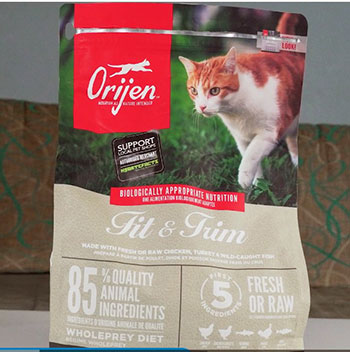
- Lower Peak Protein Than Some Rivals: While adequate, protein percentages do not reach the highs of certain high-meat brands. Very athletic dogs may need supplementation or pairing for maximum performance.
- Carbohydrate Content In Some Recipes: Grain-inclusive formulas include more carbs, which works for many but may not suit dogs needing ultra-low carbohydrate intake.
- Availability Varies By Region: Not every store stocks the full lineup, occasionally requiring online shopping or special orders that delay delivery.
- Portion Adjustments Needed: Balanced calorie levels sometimes mean larger volumes compared to denser foods, which can feel less convenient for big eaters.
- Occasional Transition Adjustments: A few dogs experience mild changes during switches, though slower transitions usually resolve this quickly.
- Less Emphasis On Wholeprey Ratios: The approach stays traditional rather than strictly mimicking ancestral prey ratios, which matters less to some owners but stands out in direct comparisons.
- Limited Raw Or Freeze-Dried Options: Focus remains primarily on dry and canned, so enthusiasts of minimally processed formats look elsewhere for variety.
- Potential For Individual Sensitivities: As with any brand, certain protein sources may not agree with every dog, requiring trial and monitoring.
- Not The Lowest Cost Option: Though more affordable than ultra-premiums, it still sits above basic supermarket foods, stretching budgets for multiple pets.
- Flavor Variety Within Lines: While broad overall, specific lines can feel repetitive if your dog fixates on one protein.
- Dependency On Vet Guidance For Special Needs: The brand provides solid general nutrition but may need pairing with prescription diets for certain medical conditions.
- Natural Ingredient Aroma: Some formulas carry a distinct smell from real ingredients that sensitive noses notice during storage.
Maintenance Tips For Fromm
- Seal Bags Tightly After Opening: Airtight storage in cool places keeps probiotics and fats effective longer. I transfer to bins for convenience.
- Follow Feeding Guidelines Closely: Adjust for life stage and activity using the charts on each bag, then fine-tune by feel and weight checks.
- Introduce New Flavors Gradually: Even within the brand, slow mixing prevents minor tummy adjustments when rotating lines.
- Ensure Constant Access To Water: Balanced recipes still benefit from good hydration for optimal digestion and nutrient use.
- Rotate Within Brand Lines: Switch between Gold or Four-Star recipes to provide interest and balanced nutrient exposure over time.
- Inspect Kibble Regularly: Check for consistent texture and aroma as signs of freshness from in-house production.
- Track Body Condition Weekly: Visual and hands-on checks help catch weight fluctuations early for portion tweaks.
- Incorporate Dental Chews: Pair with approved chews to support oral health alongside the dry kibble base.
- Maintain Clean Feeding Stations: Daily washing reduces risk of contamination in multi-pet homes.
- Review With Vet Annually: Discuss ongoing suitability during check-ups, especially for growing puppies or aging dogs.
- Portion For Multiple Dogs Separately: Feed individually to monitor intake accurately when household sizes vary.
- Store Canned Varieties Properly: Refrigerate opened cans and use within recommended days for safety.
- Observe Stool Quality: Firm, consistent results confirm good fiber and probiotic performance.
- Limit Table Scraps: Keep human foods minimal to preserve the balanced profile Fromm provides.
Comparison With Other Brands
Orijen Versus Acana: Both come from the same parent philosophy initially, yet Orijen pushes higher meat percentages and WholePrey focus while Acana offers more moderate options at slightly lower cost. I found Orijen denser for performance needs.
Fromm Versus Blue Buffalo: Fromm provides family-controlled production and broader variety, whereas Blue Buffalo emphasizes Life Protection formulas with added antioxidants. Fromm felt more consistent in my multi-year trials.
Orijen Versus Wellness Core: Wellness offers grain-free and grain options with good protein, but Orijen edges ahead in fresh meat inclusion and ancestral alignment for my active dog.
Fromm Versus Purina Pro Plan: Purina delivers extensive vet-backed research and widespread availability, yet Fromm counters with premium ingredients and family heritage at comparable or better palatability for sensitive eaters.
Orijen Versus Taste Of The Wild: Both target ancestral diets, but Orijen uses more fresh regional sourcing and higher overall meat content, giving it an advantage in nutrient density during my comparisons.
Fromm Versus Hill’s Science Diet: Hill’s focuses on clinical formulations for specific conditions, while Fromm excels in everyday premium nutrition with more natural ingredient emphasis and variety.
Orijen Versus Champion Petfoods Acana: Shared roots highlight Orijen’s bolder protein approach versus Acana’s balanced everyday appeal. I alternate based on activity levels.
Fromm Versus Merrick: Merrick brings grain-free variety and Texas sourcing, but Fromm’s in-house Wisconsin production and probiotic focus delivered steadier digestion in my household.
Orijen Versus Ziwi Peak: Ziwi offers air-dried raw-like nutrition at higher cost, while Orijen provides accessible kibble with strong fresh inclusions for daily convenience.
Fromm Versus Stella And Chewy’s: Stella emphasizes raw-coated or freeze-dried formats, whereas Fromm stays traditional dry with solid probiotic support and better affordability for volume feeding.
Read More: Comparison of Greenies And Minties
Frequently Asked Questions (FAQ)
Many veterinarians view Orijen positively for its high-quality animal ingredients and nutrient density, though they advise monitoring for individual dog needs and consulting on high-protein suitability.
Veterinarians often appreciate Fromm for balanced recipes, family-owned quality, and digestive support, recommending it as a reliable premium choice for many healthy dogs.
Like all dry kibble, Orijen undergoes cooking and extrusion, yet it starts with fresh or raw ingredients and minimizes fillers, making it less processed than many conventional foods in terms of ingredient quality.
Conclusion
You now have my full perspective on Orijen versus Fromm after real feeding trials and careful label analysis. I choose Orijen when my dog needs dense, ancestral-style nutrition for high activity because the meat-forward formulas deliver visible energy and condition benefits. You might prefer Fromm for its versatility, gentler pricing, and wide recipe range that fits family routines without compromise on quality.
Both brands earn strong marks for using real ingredients and maintaining safety standards in their own facilities. Ultimately, the better choice depends on your dog’s age, activity level, sensitivities, and your budget priorities.I suggest starting with small bags of each to test response over several weeks while tracking energy, digestion, and coat quality.
Talk with your veterinarian for personalized guidance, especially if health conditions exist. Whichever you pick, consistent feeding with proper maintenance will help your dog thrive.I hope this analysis gives you confidence to decide and enjoy many healthy years together with your loyal companion.
Recent Posts
● Interactive 5-Zone Interior & Exterior Paint Blueprint Paint Coverage Calculator: Gallons, Primer, Square Footage & Cost Tap any architectural surface zone on the blueprint...
If you want smooth, shiny hair without spending a fortune on a premium styling tool, the Ella Bella hair dryer may be worth considering.In these Ella Bella hair dryer reviews, I’ll look...