
I recently faced a stubborn patch of poison ivy climbing my fence and invading the edge of my lawn. This forced me to compare Ortho and Roundup poison ivy killers head-on.
My goal here is to share what I learned from testing both products. You can decide which one fits your situation without wasting time or money on the wrong choice.
| Feature | Ortho Poison Ivy Killer | Roundup Poison Ivy Killer |
| Active Ingredient | Triclopyr (selective) | Glyphosate (non-selective) or mixed formulas |
| Best For | Spot treatment near grass and homes | Large-area clearance |
| Selectivity | Spares most grasses | Kills almost all plants |
| Rainproof Time | About 2 hours | As little as 30 minutes |
| Visible Results | 1–24 hours | 24 hours or more |
| Coverage Style | Targeted sprays around fences, trails, cabins | Broadcast over overgrown lots |
| Root Kill Strength | Strong on woody vines | Thorough systemic action |
| Repeat Applications | Often fewer needed | May need more for mature vines |
Key Differences Between Ortho And Roundup Poison Ivy Killers
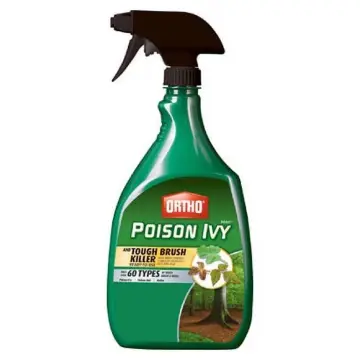
- Active chemistry and plant movement: Ortho uses triclopyr that targets broadleaf plants and woody vines.
Roundup relies on glyphosate that hits nearly every green plant it touches. I saw clear differences in how each chemical moved through the vines and reached the roots.
- Selectivity versus total control: Ortho spares most grasses when sprayed carefully around lawn edges. Roundup kills almost everything it contacts without exception.
This difference changed how I treated mixed patches near my grass.
- Application focus and practical range: Ortho works best for precise spot jobs around homes, fences, and trails.
Roundup handles large overgrown spaces more efficiently. I chose each product based on the size and location of every patch.
- Speed of visible change: Ortho often shows leaf curling or browning within a few hours on many formulas. Roundup can take a full day or longer before clear symptoms appear.
Early visual signs helped me confirm good coverage right away.
- Rainfast window differences: Ortho needs about two dry hours before rain no longer reduces power. Some Roundup formulas lock in after only thirty minutes of drying time.
Weather forecasts guided my spraying schedule closely.
- Root control and reapplication needs: Both products move systemically into the roots of poison ivy.
Mature vines with thick systems sometimes need a second spray weeks later.
Ortho required fewer follow-up treatments in my own tests.
- Impact on surrounding plants: Ortho protects nearby grass better in mixed areas when aim stays careful.
Roundup clears the entire ground completely including desirable plants. I planned new plantings only after using the broader product.
Key Features Of Ortho Poison Ivy Killer
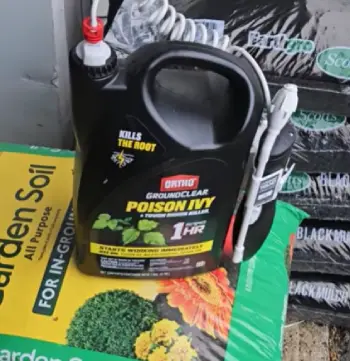
- Triclopyr selective action: This main ingredient focuses on broadleaf weeds and tough woody vines while leaving most grasses unharmed.
It moves from the leaves down into the full root system. Nearby turf stayed safer during my applications.
- Tough woody plant control: Product labels list poison ivy, poison oak, kudzu, blackberries, and many similar species.
I sprayed thick stems thicker than my thumb and watched them weaken steadily over several weeks.
- Ready-to-use and concentrate options: Comfort wand bottles need no mixing and spray with accurate aim. Concentrates mix at rates like four ounces per gallon of water.
Coverage ranges from about 100 to 400 square feet depending on plant density.
- Rainproof in two hours: Once the spray dries fully light rain no longer washes the chemical away.
This feature gave me a solid working window even on humid summer afternoons.
- Fast visible results on leaves: Some formulas show wilting or discoloration in as little as one hour after spraying. Leaves curl or change color quickly enough to check coverage.
I could walk the area and confirm every target received product.
- Residential focus on common spots: Products target non-garden areas around homes, cabins, fences, and trails.
This matched the exact places where my poison ivy had taken hold and spread.
Pros Of Ortho Poison Ivy Killer
- Protects nearby grass effectively: Careful spraying keeps most turf green and alive along the edges. I avoided creating large bare spots that would have needed reseeding later.
- Strong performance on woody vines: The formula reaches deep into the roots of established poison ivy plants. Regrowth stayed limited on moderate patches after the first thorough treatment.
- Convenient ready-to-use wand options: Pre-mixed bottles aim with precision and require no extra measuring. This saved time and reduced mess on smaller targeted jobs around the house.
- Quick visual feedback after spraying: Leaves often change within hours on several versions of the product. I knew right away whether coverage had been complete across every vine.
- Designed specifically for home poison ivy: The product range targets the exact tough plants most residential yards face year after year. Results matched the label claims closely in my experience.
- Fewer repeat applications needed: Moderate vines often died completely after one careful coating of the leaves. Follow-up sprays stayed minimal compared with tougher products.
Cons OF Ortho Poison Ivy Killer
- Risk of harm to broadleaf plants: Even light drift can injure nearby shrubs or trees with thin bark. I shielded ornamentals with cardboard every single time I sprayed.
- Second treatments sometimes required: The toughest established vines may still push out new shoots weeks later. Patience and a light follow-up spray became necessary on older plants.
- Limited effect on grassy weeds: Unwanted grass mixed into the patch stays alive and green. Mixed infestations often need a different product for full clearance.
- Careful measuring on concentrates: Over-diluting the mix weakens overall power against the vines. Under-diluting wastes product and raises the chance of off-target damage.
- Full root kill takes several weeks: Early leaf symptoms appear fast and look promising. Complete death of the root system still needs two to six weeks of waiting.
Dead plants remain toxic afterward: The irritating oil stays active on dried leaves and stems. Careful bagging and disposal with gloves are still required every time.
Key Features Of Roundup Poison Ivy Killer
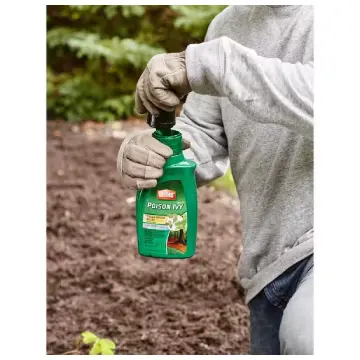
- Systemic glyphosate or combination mixes: The primary ingredient enters leaves and travels throughout the plant all the way to the roots.
Some versions blend additional chemicals for stronger brush control. Plants shut down internal processes from the inside out.
- Broad-spectrum killing power: It handles poison ivy plus hundreds of other common weeds and grasses in one application.
I used it in areas where I wanted a completely clean start rather than selective results.
- Short rainproof times on formulas: Many versions become rainfast in as little as thirty minutes after the spray dries.
Evening showers no longer ruined an afternoon of careful work.
- Ready-to-use wands and large concentrates: One gallon of ready product covers several hundred square feet with steady wand pressure.
Larger concentrate mixes stretch even further when prepared for bigger jobs.
- Clear labeling for residential use: Directions focus on fences, trails, open ground, and similar non-garden spaces.
These match the common locations where poison ivy thrives around most properties.
- Wide store availability and sizes: Multiple bottle sizes and wand styles sit on shelves in most garden centers. I could always grab a suitable option without special ordering.
Pros Of Roundup Poison Ivy Killer
- Clears large mixed weed areas well: One thorough pass handles poison ivy along with many other unwanted plants. I turned neglected corners into blank ground ready for new plans.
- Deep systemic movement to roots: The chemical travels fully through the plant and reaches underground systems. Younger poison ivy plants often stayed dead after only one complete coating.
- Fast rainproof claims on many versions: Thirty-minute drying windows added real flexibility to my schedule. Uncertain weather forecasts no longer forced me to stop mid-job.
- Familiar brand and wide stocking: Stores carry many sizes and delivery styles across most regions. I always found a bottle that matched the size of the problem.
- Works across a long plant list: Beyond poison ivy the formula controls dozens of other common yard invaders. One product covered more jobs without switching bottles.
- Strong choice for total site clearance: Areas where nothing desirable needs to survive respond quickly and completely. New planting or mulching started much easier afterward.
Cons Of Roundup Poison Ivy Killer
- Kills desirable plants on contact: Any drift or misaimed spray browns grass and nearby garden plants. I worked slowly and used physical shields on every windy day.
- Repeat sprays needed on mature vines: Thick-stemmed older plants sometimes required a second full treatment. Complete lasting control took longer than I first expected.
- Less precise near lawns and beds: The non-selective action makes careful spot work harder around grass. Targeted treatment often left dead turf that needed repair later.
- Longer timeline for full root death: Leaves yellow and wilt within days in most cases. Complete root kill on old perennial vines may still take a month or more.
- Dead material stays hazardous to touch: The oil remains active long after the plants turn brown. Safe removal with gloves and sealed bags is still essential.
- Some users note brand reputation concerns: Older associations with certain ingredients still affect buying decisions for a portion of homeowners. That history influences choice even when formulas change.
My Real-World Experience Applying Both Products
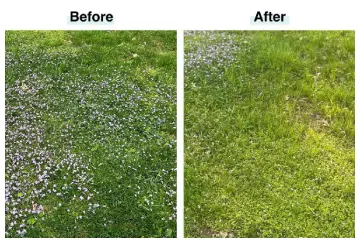
I started with Ortho on the vines that had crept into the edge of my yard.
The ready-to-use wand made it simple to coat every leaf without soaking the grass.
Within a day the leaves looked stressed. Over the next three weeks the stems dried. I cut them away while wearing gloves and long sleeves.
A few new shoots appeared later. I hit those with a second light spray and that finished the job.
For the denser patch farther from the house I switched to Roundup. The non-selective action cleared the entire area.
This included the grass that had mixed in with the ivy. The ground looked bare afterward. That was exactly what I wanted before I planned to mulch and plant something else.
Rain came sooner than expected one afternoon. The thirty-minute rainproof claim held and the plants still declined.
Both products demand the same basic safety steps. I always wore long pants, long sleeves, closed shoes, and chemical-resistant gloves.
I sprayed only on calm days so the mist stayed where I aimed it. After the plants died I bagged the debris carefully. The oil remains active even on dead leaves and stems. Never burn the material. The smoke can carry the irritant into your lungs.
Timing mattered more than I first realized. Actively growing plants with fully expanded leaves absorbed the chemicals best.
Early summer applications gave stronger results than late-season sprays. Plants slow down later in the year.
Practical Tips For Better Results With Either Product
Choose the right day. Warm sunny conditions with low wind help the leaves take up the herbicide. Avoid spraying right before heavy rain. Wait until the product has dried for its full rainproof period.
Cover every leaf thoroughly. Incomplete coverage leaves living tissue that can keep the plant alive. I walked around each vine and sprayed from multiple angles.
Protect what you want to keep. Cardboard or plastic sheeting prevents accidental damage. For trees avoid spraying the bark when using triclopyr-based products.
Plan for cleanup. Once the plants brown and dry cut them at the base and bag everything. Wash tools and clothing separately. Keep pets and kids off the treated area until the spray has fully dried.
Consider the size of the problem. Small patches near lawns favor Ortho. Large neglected areas favor Roundup when nothing else needs to survive.
Frequently Asked Questions (FAQ)
Yes. The poison ivy and tough brush formulas containing triclopyr are designed to kill it to the roots. usually works better for targeted control near grass. Roundup clears larger mixed areas more thoroughly.
Yes. The poison ivy and tough brush formulas containing triclopyr are designed to kill it to the roots.
Triclopyr-based products like Ortho often rank highest for selective reliable control of established vines.
It depends on the job. Ortho is better when you need selectivity. Roundup is better when total vegetation kill is the goal.
Final Thoughts
I started this comparison because I needed a reliable way to stop poison ivy from taking over my outdoor space.
After using both products I can tell you the decision comes down to your specific yard. If you want to protect grass and nearby plants while targeting the ivy reach for Ortho.
If you face a large overgrown area and plan to start fresh Roundup gives you the broader power you need.
Either way careful application protective gear and patience with the timeline will get you results.
You now have the practical details to pick the right tool and reclaim your property without unnecessary frustration.
Recent Posts
I spent months comparing budget options against established names after my last set of tires wore out sooner than expected.My goal here is to share what I learned from putting Dextero and...
AquaTru Carafe Vs. Classic: Which Is Actually Fits Your Kitchen?
I decided to write this comparison after months of testing both the AquaTru Carafe and the Classic in my own kitchen. Tracking covered daily use.Taste stayed consistent. Refill frequency...