
I’ve spent years wrestling with rust on old trucks, workshop tools, and even backyard fences here in my garage setup.
Frustration from watching fresh paint bubble up after a season pushed me to test OSPHO and Evapo-Rust side by side on real projects.
The main intent of this piece is to walk you through my hands-on experiences so you can pick the right rust fighter for your situation without guesswork or wasted effort.
I’ll cover exactly how each performs, when one beats the other, and what that means for your next fix.
| Aspect | OSPHO | Evapo-Rust |
| Type | Rust converter (phosphoric acid formula) | Rust remover (water-based chelating agent) |
| Application | Brush or spray directly on surface | Soak parts in container or apply gel version |
| Action on Rust | Converts to stable iron phosphate layer | Removes rust completely down to bare metal |
| Working Time | Minimum 24 hours to fully cure | 1–24+ hours depending on rust thickness |
| Safety Profile | Acidic – gloves, ventilation required | pH neutral, non-toxic, no fumes |
| Reusability | Single use per coat | Reusable many times (1 gallon handles 300 lbs steel) |
| Best Suited For | Large fixed areas like car panels or railings | Removable small parts, tools, antiques |
| End Result | Protective base ready for paint | Clean bare metal (add inhibitor if storing) |
| Prep Before Painting | Brush powder, wipe with mineral spirits | Light wire brush if needed |
| Cost per Use (approx.) | Lower upfront for big jobs | Higher upfront but drops with reuse |
Key Differences Between Ospho And Evapo-Rust
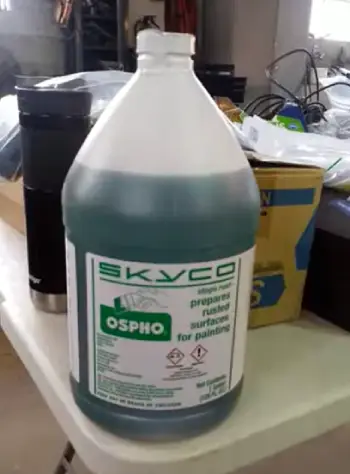
- How each handles rust at the chemical level: OSPHO turns the rusty iron oxide into a hard iron phosphate that bonds right to the metal and stops further corrosion.
Evapo-Rust pulls the iron ions out of the rust and lifts it away entirely, leaving clean steel behind.
I noticed OSPHO leaves a dark protective coating while Evapo-Rust gives that shiny bare look.
- The way you actually apply them in real life: With OSPHO I just grab a brush and slap it on vertical car doors or fence rails without any extra setup.
Evapo-Rust needs a bucket or tub for soaking, which works great for wrenches or brackets but feels awkward on something bolted in place.
- Safety and mess factor: OSPHO is acidic so I always wear gloves and work outside or with good airflow.
Evapo-Rust feels like plain water – I can reach in bare-handed and the garage stays smell-free.
- Time commitment from start to finish: OSPHO sits overnight and you’re painting the next day if conditions are right.
Evapo-Rust can take a full day or two for heavy rust but needs zero scrubbing while it works.
- What the metal looks like afterward: OSPHO creates a ready-to-paint surface that grips primer tightly.
Evapo-Rust strips everything clean so you decide whether to paint immediately or add a rust inhibitor for storage.
- How budget plays out over multiple jobs: OSPHO wins on big one-off surfaces because a gallon covers 600 square feet.
Evapo-Rust saves money long-term since I reuse the same batch for months on small parts.
Those differences shaped every project I tackled and will probably decide what you reach for too.
How Ospho Changed The Way I Handle Surface Rust?
I first grabbed a quart of Ospho when my 1970s tractor frame started blooming orange spots after a rainy season.
I brushed it on exactly as the label said—wire-brushed the loose flakes, wiped off grease, and laid down a thin coat.
Within hours the rusty areas turned dark, and by the next day I had a rock-hard black surface that felt like it was bonded to the metal.
That tractor is still outside two years later with zero new rust showing through the primer and topcoat I added. Ospho gave me confidence that I could treat rust in place without dismantling everything.
Key Features Of Ospho
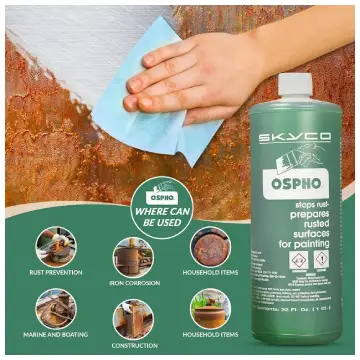
- Converts rust in place without removal: I love that I don’t have to grind every flake off first – OSPHO penetrates tight rust and turns it black and stable right where it sits.
- Creates a paint-friendly base: After 24 hours the surface develops a grayish-white powder that brushes off easily, leaving metal that grabs oil-based primers like glue.
- Works on both rusted and bare steel: I used it on pitted truck frames and clean new sheet metal alike – it etches lightly and protects pores before rust even starts.
- Thin water-like consistency: Brushes on fast with no thick spots or runs if I keep the coat light.
- Long shelf life and easy cleanup: The bottle lasts forever in my shop and I just rinse brushes with water.
I keep a jug on the shelf because these features make quick touch-ups simple on anything that stays put.
Pros Of Ospho
- Fast for large surfaces: I treated my entire trailer frame in one afternoon without hauling parts around.
- Excellent paint adhesion: Primers and topcoats last years longer because the phosphate layer blocks moisture.
- Budget-friendly coverage: One gallon stretches across big jobs so I spend less per square foot.
- No need for special containers: Just brush and walk away – perfect when space is tight.
- Stops bleeding rust through paint: I fixed spots on an old painted gate and the rust never came back.
These strengths made OSPHO my go-to for anything bolted down or too big to dunk.
Cons Of Ospho
- Requires protective gear: The phosphoric acid stings skin and needs fresh air, so I can’t use it indoors without planning.
- Powder residue needs attention: That gray dust must be brushed and wiped or paint won’t stick perfectly.
- Not ideal for tiny detailed parts: Brushing small threads or inside holes feels fiddly compared to soaking.
- Weather sensitive during cure: High humidity or cold slows drying and can leave extra powder.
- One-time use only: Each coat is done after it cures so I buy more for the next big job.
I learned these limits the hard way on my first couple tries and now plan around them.
How Evapo-Rust Became My Go-To For Small Parts?
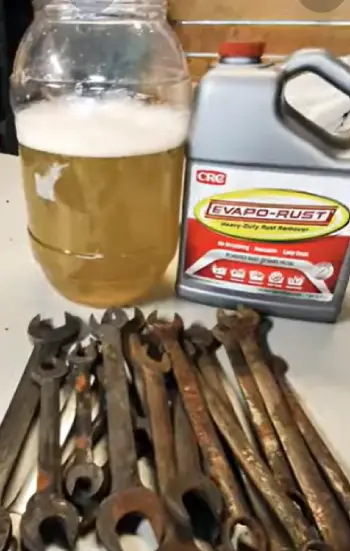
When I restored my motorcycle carburetors and a set of vintage wrenches, I switched to Evapo-Rust because I could drop everything in a plastic tub and forget about it.
After an overnight soak the rust literally lifted off, leaving clean metal with almost no scrubbing.
The solution stayed clear even after multiple uses, and I reused the same gallon for six different batches before it finally slowed down.
That convenience alone made me a believer for anything I can take apart.
Key Features Of Evapo-Rust
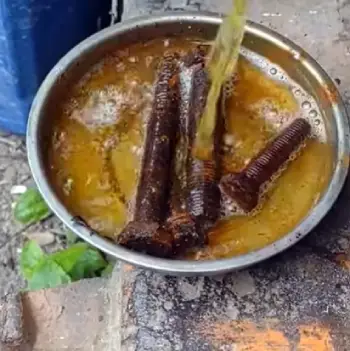
- Completely removes rust to bare metal: I drop rusty pliers in a bucket overnight and they come out shiny and clean.
- pH-neutral and non-corrosive: Safe around good steel, rubber seals, and plastic parts – nothing gets damaged.
- Reusable for months: I strain the liquid after each use and keep going until it slows down.
- No scrubbing or sanding required: The chelating action does all the work while I do other things.
- Gel version for vertical jobs: When I can’t soak something I brush the thick formula and it clings until the rust lifts.
These features turned messy restoration jobs into simple overnight tasks for me.
Pros Of Evapo-Rust
- Super safe for home use: No gloves or masks needed and the garage smells normal.
- Reusability saves serious cash: One gallon has lasted me through dozens of tool batches.
- Handles heavy rust without effort: I revived antique engine parts that looked hopeless after a day soak.
- Works on delicate items: Cast iron cookware, clocks, and bike components come out perfect without scratches.
- Leaves metal ready for anything: Paint, oil, or just storage – the choice is mine after a quick rinse.
I reach for this when safety and convenience top my list.
Cons Of Evapo-Rust
- Needs soaking space: Big or fixed items like car bodies require creative setups or the gel version.
- Takes longer on thick rust: Some parts sit 24–48 hours while OSPHO would be ready sooner.
- Higher initial cost per gallon: It feels expensive until you realize how many times you reuse it.
- Metal can flash rust if not protected: After removal I spray a light inhibitor or paint quickly.
- Not a converter: It strips everything so you lose any protective layer unless you add one later.
These drawbacks show up mainly on large or immovable projects.
How I Tested Both Products On My Projects?
Last spring I stripped the rusted floor pans from an old pickup.
OSPHO went on with a brush in minutes and cured overnight so I could prime the next day.
The phosphate layer gripped my epoxy primer beautifully and that section still looks solid months later.
Then I soaked the removed brackets in Evapo-Rust overnight.
They emerged spotless with zero scrubbing and I painted them without any residue worries.
Both worked, but OSPHO saved me time on the big panels while Evapo-Rust gave cleaner small pieces.
I repeated the test on garden tools, fence posts, and even a set of antique hinges. OSPHO handled the long railings perfectly.
Evapo-Rust turned a bucket of rusty bolts into shiny hardware in one evening. Each time the choice came down to whether the item could sit in a tub or needed to stay in place.
When Ospho Wins For Me?
Anytime I’m working on a vehicle frame, trailer, or outdoor railing I grab OSPHO. The brush-on method fits my workflow and the 24-hour cure lets me keep momentum.
I also like knowing the iron phosphate layer adds real protection under paint. For quick fixes on painted surfaces where rust bleeds through, a light coat stops the problem without stripping everything.
When Evapo-Rust Becomes My Favorite?
Small parts, tools, motorcycle components, or anything I can toss in a five-gallon bucket scream for Evapo-Rust.
The safety and reusability mean I don’t hesitate to treat a whole set of wrenches or restore grandma’s sewing machine parts.
The gel version even lets me tackle vertical surfaces when soaking isn’t practical.
Cost And Value Analysis From My Shop
OSPHo costs less per square foot for big jobs but I replace the bottle after each major project.
Evapo-Rust feels pricier at first yet one gallon has cleaned hundreds of pounds of steel for me already.
Over a year of weekend projects Evapo-Rust actually saved money because I reuse it constantly.
Your choice depends on how many small items versus large surfaces you tackle.
Safety And Shop Environment Considerations
I keep both on hand but reach for Evapo-Rust when kids or pets wander through the garage.
OSPHO requires more caution yet gives me faster results on immovable rust spots.
Proper ventilation and gloves make OSPHO manageable, and I always test small areas first.
Future Projects And My Current Stock
I still keep both products because no single solution fits every rust problem.
My next truck bed repair will get OSPHO on the large panels and Evapo-Rust on the brackets.
Having both ready means I never stall a project waiting for the right treatment.
Also Read: Is Ospho Rust Remover Worth It?
Frequently Asked Questions (FAQ)
No. Let it cure fully then brush off the powdery residue and wipe with mineral spirits before painting.
Yes, after the minimum 24-hour dry time, light brushing, and a mineral spirits wipe for best adhesion.
A minimum of 24 hours until fully dry and cured; longer in cool or humid conditions.
It is one of the safest and easiest for soakable parts, but the best choice depends on whether you need brushing convenience or complete removal.
Wrapping Up
After testing OSPHO and Evapo-Rust across dozens of jobs I can honestly say each shines in its lane.
You get fast, brush-on conversion and protection with OSPHO or safe, effortless soaking and complete rust removal with Evapo-Rust.
I hope my experiences help you skip the trial-and-error I went through. Grab the one that matches how you work and you’ll knock out rust problems faster than ever.
What project are you tackling next? Match the product to the job and enjoy the results.
Recent Posts
● Interactive 5-Zone Interior & Exterior Paint Blueprint Paint Coverage Calculator: Gallons, Primer, Square Footage & Cost Tap any architectural surface zone on the blueprint...
If you want smooth, shiny hair without spending a fortune on a premium styling tool, the Ella Bella hair dryer may be worth considering.In these Ella Bella hair dryer reviews, I’ll look...