
I’ve spent countless weekends chasing trails, packing lunches and layers, and dealing with sweaty backs or shifting loads.
When it came time to pick my next daypack, I narrowed it down to the Osprey Hikelite and Sportlite series.
This article shares my real-user experience comparing them head-to-head so you can decide which one fits your adventures best.
I’ll cover key features, pros and cons, comfort on different hikes, and practical tips from someone who actually carries them.
| Feature | Osprey Hikelite (e.g., 26L/28L) | Osprey Sportlite (e.g., 25L) |
| Weight | Around 1.5–2 lbs (very light) | Around 2–2.25 lbs |
| Back Panel | Trampoline-style mesh, excellent ventilation | AirScape foam framesheet, good but less breezy |
| Hipbelt | Thin webbing with small pads | Padded with pockets |
| Rain Cover | Included, stows in base | Not included |
| Organization | Solid basics, external pockets | More compartments, dividers, panel loading |
| Best For | Hot/humid hikes, day trekking | Versatile activities, organized packing |
| Load Stability | Perimeter frame, great for heavier day loads | Supportive up to 15-25 lbs |
| Price Range | Similar, around $130 | Similar, around $130 |
Why I Compared The Osprey Hikelite And Sportlite?
I remember my first long day hike where my old pack left me drenched in sweat and digging through a messy main compartment for my phone.
That frustration pushed me to try these two Osprey models. The Hikelite caught my eye for its breathability on steamy summer trails, while the Sportlite promised better organization for my scattered gear.
After testing both on local loops, mountain climbs, and casual outings, I can say they both deliver Osprey quality but shine in different ways.
If you sweat a lot or hike in variable weather, pay close attention to the differences I noticed.
Key Differences Between The Osprey Hikelite And Sportlite
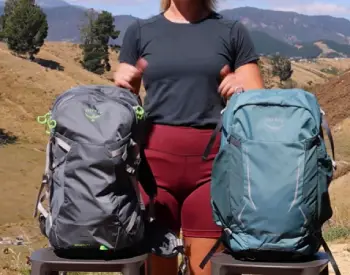
- Suspension and Ventilation Systems: The Hikelite uses a trampoline-style backpanel that creates airflow between your back and the pack.
On hot days above 80 degrees, this made a noticeable difference—I stayed cooler longer compared to the Sportlite’s foam-based AirScape system.
The Sportlite still breathes well but feels more traditional and less airy during intense climbs.
- Hipbelt Design: This is one of the biggest practical splits.
The Sportlite gives you a proper padded hipbelt with handy pockets for snacks or a phone. I loved quickly grabbing energy bars without stopping.
The Hikelite opts for minimal webbing hip straps, which keep weight down but transfer more load to your shoulders over time.
- Weather Protection: The Hikelite comes with a built-in rain cover tucked away neatly.
During surprise showers, I deployed it in seconds and kept everything dry without extra bulk.
The Sportlite relies on its DWR-treated fabrics, which handle light rain but need extra care in downpours.
- Organization and Access: Sportlite wins here with panel-loading access and multiple internal dividers. I could separate my camera gear, first aid, and lunch easily.
The Hikelite keeps things simpler with good external pockets and compression straps but feels less structured inside.
- Weight and Frame: Both are lightweight, but the Hikelite’s perimeter frame helps it carry slightly heavier loads more stably without sagging.
The Sportlite feels nimble for lighter, faster outings.
- Versatility Across Activities: I took the Sportlite biking and scrambling, where its hipbelt and organization shone. The Hikelite excelled purely on foot trails, especially longer ones.
These differences really show up once you log miles with each.
Key Features Of The Osprey Hikelite
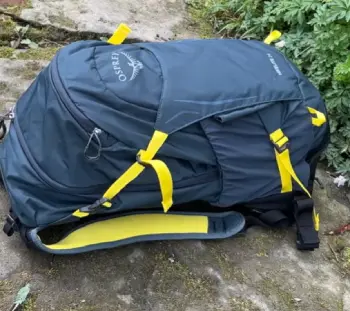
- Outstanding Breathability: That suspended mesh backpanel is a game-changer. I hiked a steep 8-mile loop in humid conditions and barely noticed the usual back sweat.
- Included Rain Cover: No more last-minute scrambling to add protection. It integrates perfectly and doesn’t add noticeable weight when stowed.
- Trekking Pole Attachments: Secure loops and straps let me stow poles quickly when scrambling or taking photos.
- Lightweight Yet Supportive Frame: The metal perimeter frame distributes weight nicely for day hikes with water, layers, and food.
- Sustainable Materials: Made with recycled fabrics and bluesign approved, which matters to me as someone who spends time in nature.
- Hydration Compatibility: Easy sleeve for a bladder, with routing that works well on the move.
- External Storage Options: Stretchy side pockets hold bottles securely, plus front stash pockets for quick-grab items like a jacket.
I found the Hikelite intuitive right out of the box—simple but effective for focused hiking.
Pros Of The Osprey Hikelite
- Excellent Ventilation and Breathability: The trampoline-style mesh backpanel creates a noticeable gap that allows air to circulate freely against your back.
On humid summer hikes or steep climbs where I used to soak through my shirt quickly, this feature kept me significantly drier and cooler, reducing chafing and letting me focus on the trail instead of discomfort.
It makes a real difference during multi-hour outings in warm weather.
- Included Rain Cover for Reliable Protection: Unlike many packs that leave you exposed, the Hikelite has a dedicated rain cover stored neatly in a pocket at the base.
I’ve deployed it in sudden downpours and it covered the entire pack effectively without adding much weight or bulk when stowed.
This gives peace of mind on unpredictable days and keeps gear dry without needing a separate purchase.
- Lightweight Construction That Feels Effortless: At roughly 1.5 to 2 pounds depending on size, the pack disappears on your shoulders during lighter loads.
This low weight encouraged me to pack what I needed without hesitation, making longer day hikes feel less tiring compared to heavier alternatives I’ve owned before.
- Supportive Perimeter Frame for Better Load Stability: The metal frame helps distribute weight evenly and prevents sagging even when I loaded it with water, lunch, layers, and camera gear.
On technical sections or when the trail got uneven, the pack stayed balanced and secure, giving confidence during movement.
- Simple, Intuitive Design Without Unnecessary Bulk: Everything has a purpose—trekking pole attachments, hydration sleeve, and compression straps work exactly as expected.
I appreciate how it avoids overcomplication, allowing quick packing and access so I spend more time hiking and less fiddling with features.
- Sustainable Materials and Solid Build Quality: Using recycled fabrics that hold up well against abrasion from rocks and brush, the Hikelite aligns with my preference for eco-conscious gear.
Zippers glide smoothly, and after repeated use, it shows minimal wear, promising longevity for frequent trail days.
Cons Of The Osprey Hikelite
- Minimal Hipbelt Lacks Padding and Pockets: The thin webbing hip straps with small pads transfer more load to the shoulders over extended periods.
On hikes exceeding 8-10 miles with a fuller load, I felt noticeable pressure points that the Sportlite avoided, requiring more frequent adjustments for comfort.
- Limited Internal Organization Can Get Messy: With fewer dividers and compartments than some competitors, gear can shift or bury itself at the bottom if you’re not careful.
I sometimes had to unpack partially to find smaller items, which slows you down at rest stops compared to more structured packs.
- External Pockets Good but Not Ideal for Bulky Items: Side stretch pockets secure water bottles well, but larger or oddly shaped gear can feel less stable.
I occasionally worried about items shifting during scrambling sections where the pack got jostled.
- Less Optimal for High-Intensity or Multi-Sport Activities: While great for straight hiking, the lighter hipbelt and frame setup make it feel less planted during biking or fast-paced trail running.
I noticed more movement when I tried mixing activities, making the Sportlite preferable there.
- Rain Cover Adds a Minor Extra Step: Though effective, pulling out and attaching the cover takes a few seconds in heavy rain.
In consistent wet conditions, it becomes routine but isn’t as seamless as inherent waterproofing.
Key Features Of The Osprey Sportlite
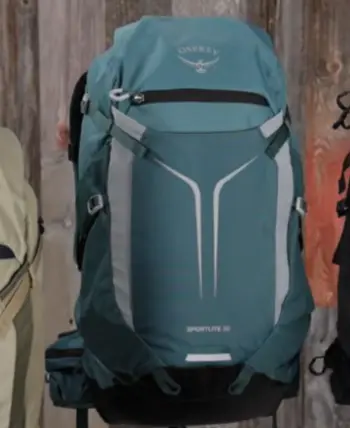
- Padded Hipbelt with Pockets: This feature alone made loading and unloading snacks effortless during breaks. One zipped pocket kept my phone safe and accessible.
- Panel Loading Design: Wide zip access lets you see everything at once. Great for people like me who organize gear by category.
- Versatile Carry Options: Compression straps and multiple attachment points work well for biking or travel too.
- Adjustable Harness: Good torso fit options help dial in comfort across different body types.
- Durable Recycled Fabrics: Tough 210D and 420D nylons hold up against brush and rocks.
- Internal Organization: Mesh pockets and dividers keep small items from disappearing at the bottom.
- Hydration Sleeve: Direct external access makes refilling easier on the trail.
The Sportlite feels like a capable all-rounder that handles whatever activity I throw at it.
Pros Of The Osprey Sportlite
- Comfortable Padded Hipbelt with Useful Pockets: The broad, padded hipbelt shifts meaningful weight off the shoulders and includes one zipped and one open pocket.
This let me access snacks, phone, or keys without removing the pack, saving time and energy on long days while keeping small essentials secure and handy.
- Superior Organization and Panel-Loading Access: Multiple compartments, internal mesh pockets, and wide zip access mean I can see and reach everything quickly.
For someone who likes separating first aid, food, and layers, this reduces frustration and makes packing efficient before heading out.
- High Versatility Across Hiking, Biking, and Travel: The design handles day hikes but also shines when I clip it on a bike or use it as a commuter bag.
Compression straps and attachment points adapt well to different loads and activities, making it a true all-rounder I grab for spontaneous plans.
- Solid Load-Carrying Ability with Good Stability: Up to moderate weights around 15-25 pounds, the foam framesheet and adjustable harness keep the pack stable.
I felt secure even on descents or when carrying extra layers, with minimal bouncing or shifting.
- Durable Recycled Fabrics Built for Real Use: The 210D and 420D nylon materials resist tears and scuffs from trail brush or rough handling.
Combined with thoughtful details like hydration routing, it feels premium and ready for repeated adventures without quick breakdown.
- Adjustable Fit Options for Different Body Types: Available in torso sizes that help customize the ride, the harness and straps dial in comfortably.
This meant less fiddling and better weight distribution right from the first wear.
Cons Of The Osprey Sportlite
- Reduced Breathability Compared to Suspended Mesh: The AirScape foam backpanel, while decent, traps more heat on hot or humid days.
I noticed increased sweating during intense sections, which became uncomfortable on summer hikes where the Hikelite kept me cooler.
- No Included Rain Cover Requires Extra Planning: You rely on DWR treatment and possibly a separate cover.
In frequent rain areas, this means carrying additional gear, adding slight weight and hassle that the Hikelite avoids.
- Slightly Heavier Feel Despite Being Light Overall: At around 2-2.25 pounds, it’s still excellent but the added padding and features make it noticeable next to the minimal Hikelite.
Over very long minimalist hikes, the difference accumulates in perceived effort.
- Can Feel Over-Organized for Minimalist Packers: All the pockets and dividers are great for some, but if you prefer throwing items in simply, it can seem busier than necessary.
I sometimes missed the straightforward simplicity of fewer features.
- Hipbelt Pockets Add Minor Bulk When Not in Use: While functional, the padded belt takes up a bit more space when the pack is lightly loaded, making the overall profile slightly less sleek for fast-and-light outings.
Comfort Comparison: How They Feel On The Trail?
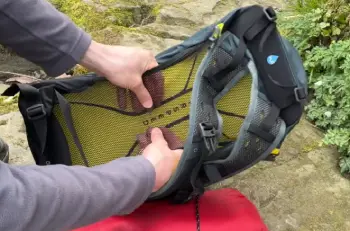
When I strapped on the Hikelite for a 12-mile hike with some elevation, the trampoline backpanel let air flow freely.
My shirt stayed drier, and the perimeter frame kept the load balanced. The thinner hipbelt worked fine for lighter loads but after 8 miles with full water bottles, I noticed more pressure on my shoulders.
Adjusting the sternum strap helped, and the overall fit felt secure.
Switching to the Sportlite on a similar route, the padded hipbelt transferred weight beautifully. I barely adjusted straps all day.
However, on the same humid afternoon, I felt warmer against my back. For cooler weather or shorter hikes, this wasn’t an issue.
Both packs have good shoulder straps with padding where it counts, and I experienced no chafing after hours of wear.
For long hikes, I lean toward the Hikelite if temperatures rise, but the Sportlite wins for all-day comfort when carrying more gear or needing hip support.
Which One Should You Choose For Day Hiking?
For pure day hiking, especially in warmer or wetter climates, I reach for the Hikelite more often. Its ventilation and rain cover align perfectly with unpredictable trail conditions.
I’ve used it on coastal hikes where fog turns to rain and mountain trails where sweat builds fast. The lighter feel encourages me to move quicker without distraction.
That said, if your day hikes often include scrambling, photography stops, or you like everything neatly compartmentalized, the Sportlite might suit you better.
I took it on a bike-to-hike combo day and loved how organized I stayed. Ultimately, think about your typical conditions: hot and sweaty equals Hikelite; varied activities equal Sportlite.
Performance In Different Conditions
On hot summer trails, the Hikelite’s breathability gave me a clear edge. I completed longer loops without the usual discomfort.
In cooler or windy weather, the Sportlite’s hipbelt provided extra stability when layers added weight. Rainy days highlighted the Hikelite’s cover advantage—everything stayed protected while the Sportlite needed a separate dry bag.
For winter light hikes, the Sportlite handled bulkier gloves and thermals better thanks to its compartments. I’ve tested both with full loads around 15-20 pounds, and neither sagged badly, though the Hikelite’s frame felt more rigid.
Real User Tips For Getting The Most Out Of Either Pack
Pack smart by placing heavier items close to your back for better balance. Use the compression straps on both to cinch down loads and prevent shifting.
I always test-fit with full weight at home before hitting the trail. For the Hikelite, practice deploying the rain cover once so it becomes second nature.
On the Sportlite, utilize those hipbelt pockets—they save so much time.
Hydration is key: both support bladders well, but route the hose properly to avoid twists. Clean the packs regularly, especially mesh areas, to maintain breathability. If you switch between them like I do, label small gear pouches for quick transfers.
How I Decided Which One Fits My Lifestyle?
After months of alternating, I keep both because they complement each other.
The Hikelite is my go-to for dedicated hiking days where comfort in heat matters most. The Sportlite handles everything else—family outings, bike rides, or travel.
Your choice depends on priorities: prioritize ventilation and simplicity with the Hikelite, or organization and hip support with the Sportlite. Neither will disappoint if you match it to your needs.
I’ve recommended the Hikelite to friends who sweat heavily and the Sportlite to those who value pockets and versatility.
Both have held up beautifully and reflect Osprey’s attention to thoughtful design.
Also Read: Comparison Of North Face Jester And Recon
Frequently Asked Questions (FAQ)
The Hikelite offers superior ventilation with a trampoline backpanel and includes a rain cover, while the Sportlite provides a padded hipbelt, more organization, and greater versatility for various activities.
The Hikelite edges out for most day hiking due to its breathability and weather protection, especially in warm or wet conditions.
It depends on conditions—the Hikelite feels more comfortable in heat thanks to ventilation, but the Sportlite’s hipbelt offers better support for heavier loads in cooler weather.
Choose the Sportlite for mixed activities and organization needs; pick the Hikelite if breathability and simplicity matter most for your outdoor routines.
Wrapping Up
Choosing between the Osprey Hikelite and Sportlite comes down to understanding how you hike and what you value on the trail.
I’ve shared my honest experiences so you can picture yourself using each one. If breathability and weather protection top your list, go with the Hikelite—you’ll thank yourself on those steamy climbs.
If you want a versatile, well-organized companion that handles multiple activities with hipbelt comfort, the Sportlite will serve you well for years.
Take time to consider your typical loads, weather, and activities. Whichever you pick, you’re getting a reliable pack from a brand that stands behind its products.
I hope my perspective helps you make a confident choice that enhances every adventure ahead. Get out there and enjoy the trails—your perfect daypack is waiting.
Recent Posts
● Interactive 5-Zone Interior & Exterior Paint Blueprint Paint Coverage Calculator: Gallons, Primer, Square Footage & Cost Tap any architectural surface zone on the blueprint...
If you want smooth, shiny hair without spending a fortune on a premium styling tool, the Ella Bella hair dryer may be worth considering.In these Ella Bella hair dryer reviews, I’ll look...