
I’ve dropped my phone more times than I care to admit—on concrete sidewalks during rushed commutes, in the car while juggling groceries, and even once while hiking a slippery trail.
As someone who relies on my phone for everything from work calls to capturing family moments, finding the right case has always felt important.
After using both the OtterBox Symmetry and Defender cases extensively on my daily driver, I decided to compare them thoroughly.
In this article, I break down their differences based on real experiences so you can figure out which one matches your needs.
Whether you prioritize a slim profile for easy carrying or maximum armor for tough days, I’ll share what surprised me, what held up over time, and when one clearly outperforms the other.
My goal is to help you choose confidently without regret.
| Feature | OtterBox Symmetry | OtterBox Defender |
| Design & Build | Single-piece hybrid, slim and seamless | Multi-layer (3+ pieces), thick and rugged |
| Drop Protection | 3x military standard, great for daily use | 4-5x military standard, built for extremes |
| Port Covers | None, open access | Yes, effective dust and lint sealing |
| MagSafe Compatibility | Excellent built-in on supported models | Limited, better with special XT versions |
| Weight & Pocket Fit | Lightweight and pocket-friendly | Heavier with noticeable bulk |
| Grip & Style | Comfortable grippy edges, wide color options | Textured rubber grip, functional appearance |
| Best For | Office days, urban life, casual carry | Construction, outdoors, high-risk activities |
| Price Range | Moderately premium | Higher due to added layers |
This table gives you the essentials at a glance, but the real story comes from how these features play out in everyday situations.
Key Differences Between The Otterbox Symmetry And Defender
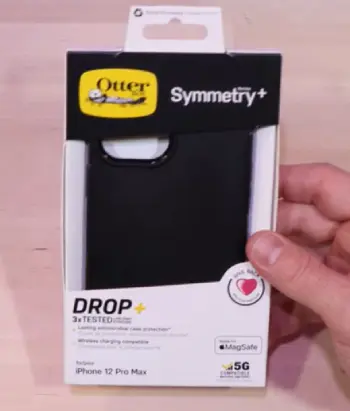
- Protection Layers and Durability: The Symmetry uses a one-piece design with co-molded polycarbonate and synthetic rubber for balanced everyday safeguarding.
I found it handled typical slips and desk drops without issue. The Defender stacks multiple layers—an inner hard shell, outer rubber slipcover, and often a holster—for serious impact absorption.
In my tests, it shrugged off higher falls that made me nervous with the Symmetry.
- Size and Everyday Carry: Symmetry feels barely there in my pocket, making it great for quick grabs during meetings or errands.
Defender adds noticeable thickness and weight, which I noticed right away when sliding it into jeans. If you hate bulk, this is a big factor.
- Port and Dust Protection: No flaps on Symmetry means easy charging but potential lint buildup over time.
Defender’s rubber covers keep ports cleaner in dusty environments, like my garage or outdoor workdays.
- Style and Customization: Symmetry offers vibrant colors, patterns, and clear options that let my phone’s design shine through.
Defender prioritizes function with fewer flashy choices, though some textured versions look tough.
- Installation and Maintenance: Snapping the Symmetry on and off takes seconds. Defender requires assembling layers, which feels secure but more effort when cleaning or switching.
- Accessories and Features: Defender often includes a belt clip holster that doubles as a kickstand—handy for videos or hands-free use.
Symmetry integrates better with MagSafe chargers and mounts without fighting thickness.
These differences stem from their core purposes: Symmetry for balanced daily life, Defender for when protection is non-negotiable.
Key Features Of OtterBox Symmetry
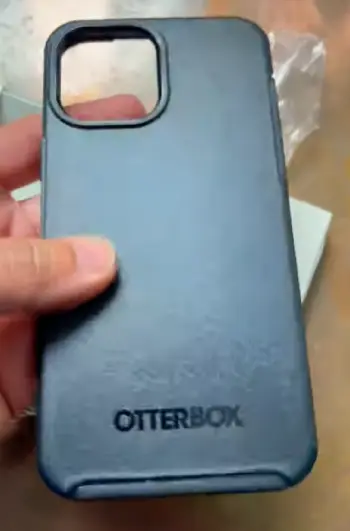
- Slim Hybrid Construction: The single-piece design combines hard and soft materials seamlessly, resulting in a case that adds protection without transforming the phone into a brick.
I appreciated this during long meetings where I held my phone constantly—the edges provided just enough grip to prevent slips without causing hand fatigue.
It maintains a modern, low-profile look that complements newer phone designs perfectly.
- 3x Military-Grade Drop Protection: Certified to handle multiple drops from standard heights, this feature gave me confidence for typical accidents.
I recall dropping it from about waist level onto tile several times while multitasking at home, and the raised bezels around the screen and camera prevented direct contact.
The materials flex slightly on impact, dissipating energy effectively for daily scenarios.
- Strong MagSafe Support: On models with integrated magnets, it holds chargers, wallets, and mounts with reliable strength.
Wireless charging sessions at my desk or in the car were uninterrupted, which saved time and frustration compared to cases that require removal.
This compatibility made it feel future-proof for accessory ecosystems.
- Variety of Designs and Textures: Beyond basic colors, options include artistic prints, glitter effects, and textured finishes that resist fingerprints.
I enjoyed personalizing it to match seasons or events, and the grippy sides added security during one-handed use, like scrolling while walking.
- Antimicrobial Options in Some Models: Certain versions incorporate treatments that reduce bacterial growth, which I found practical after handing my phone to colleagues or kids.
In a post-pandemic world, this small detail adds peace of mind without affecting performance.
- Easy Access to All Controls: Buttons remain responsive with satisfying clicks, and cutouts align precisely for speakers, cameras, and ports.
No muffled audio or missed touches, even after extended wear.
These elements make Symmetry a versatile choice that blends protection with usability, ideal for users who want reliability without lifestyle changes.
Pros of OtterBox Symmetry
- Pocket-Friendly and Lightweight: The slim profile means it disappears into daily routines. I carried it effortlessly during travel and errands, appreciating how it didn’t tug on clothing or add fatigue to my pockets or bag.
- Stylish Options Galore: The design variety allowed me to feel good about my phone’s appearance. Whether for client meetings or casual outings, it enhanced rather than detracted from the experience.
- Seamless MagSafe Experience: Magnets aligned well, enabling quick attachments and reliable charging. This integration improved my workflow with stands and power banks.
- Quick Install and Removal: Ideal for maintenance or occasional swaps. I cleaned it thoroughly in minutes, keeping it fresh over months of use.
- Sufficient Everyday Protection: It handled the majority of my accidental drops and bumps, proving that not everyone needs overkill to stay safe.
- Comfortable Grip Without Bulk: The textured edges offered security and pleasant handling, striking a nice balance for extended phone sessions.
Cons Of OtterBox Symmetry
- Less Extreme Protection: In high-drop or abrasive situations, it doesn’t match Defender’s capabilities. I noticed this during rougher activities where I wished for extra layers.
- No Port Covers: Open design invites debris over time, requiring more frequent checks in dusty settings.
- Potential for Scratches on Clear Versions: The back can show signs of wear or slight yellowing after prolonged exposure to elements and oils.
- Less Grippy in Very Wet Conditions: While good overall, it doesn’t provide the same traction as Defender’s rubber when conditions turn slippery.
- Premium Pricing for the Build: It costs more than basic cases, though the quality justifies it for many.
Key Features Of OtterBox Defender
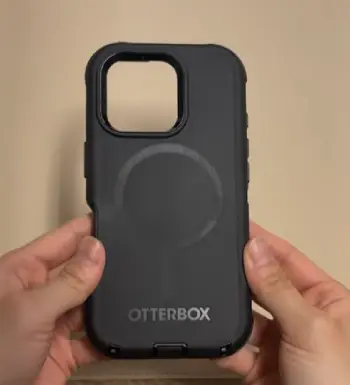
- Multi-Layer Armor System: The combination of a rigid inner shell and shock-absorbing outer cover creates a fortress-like defense.
During my testing, this setup absorbed impacts that would have concerned me otherwise, with the rubber layer compressing to protect fragile components inside.
It excels at corner drops, which are common failure points.
- Port Covers for Comprehensive Sealing: The rubber flaps cover charging ports and switches snugly, blocking dust, lint, and minor moisture.
I used it in a workshop environment where particles fly around, and the internals stayed remarkably clean compared to open designs.
This proactive barrier can prevent long-term issues like corrosion or connectivity problems.
- Included Holster and Belt Clip: The rotating clip attaches securely and doubles as a stable kickstand.
I found myself using it often for recipe videos in the kitchen or propping the phone during video conferences.
It keeps the device accessible without occupying hand space, a big plus for active days.
- Extreme Drop and Impact Rating: Rated higher than Symmetry, it withstands greater heights and repeated abuse.
One memorable test involved an accidental tumble down a short flight of steps—the phone emerged without scratches or functional issues, thanks to the layered cushioning and reinforced corners.
- Textured Grip for Secure Handling: The outer rubber provides excellent traction, even when hands are sweaty or gloved.
This reduced drop incidents during hikes or manual tasks, giving a confident hold that lighter cases sometimes lack.
- Raised Edges and Comprehensive Coverage: Lips around the display and camera lens offer extra elevation, while the overall build protects sides and back thoroughly.
Materials resist scratches and wear, maintaining appearance longer in demanding conditions.
Defender’s features focus on maximum resilience, making it a go-to for professionals and adventurers who cannot afford downtime from device damage.
Pros Of OtterBox Defender
- Maximum Rugged Protection: The multi-layer setup delivers unmatched confidence. I trusted it completely during challenging days, knowing it could take hits.
- Port Sealing Keeps Things Clean: This feature reduced maintenance and potential damage in real-world dirty environments.
- Holster Convenience: The clip and stand added practical value, turning the case into a multi-tool for my routine.
- Superior Shock Absorption: It dissipated energy from impacts effectively, protecting expensive internals consistently.
- Reliable in Tough Environments: Perfect for variable weather, physical jobs, or family chaos where accidents happen often.
- Long-Term Durability: Materials held up without stretching or degrading quickly, offering excellent value over time.
Cons Of OtterBox Defender
- Added Bulk and Weight: The thickness affected one-handed use and pocket comfort, noticeable after switching from slimmer options.
- Fewer Style Choices: Limited designs meant less personalization compared to Symmetry.
- More Effort to Install and Clean: The layers, while secure, complicated quick tasks.
- Potential Wireless Charging Interference: Standard models sometimes reduced efficiency due to thickness.
- Higher Overall Cost: Reflects advanced engineering but represents a bigger investment.
- Grippy Texture Attracts Debris: The rubber can collect lint, requiring wipes.
My Real User Experience Switching Between Them
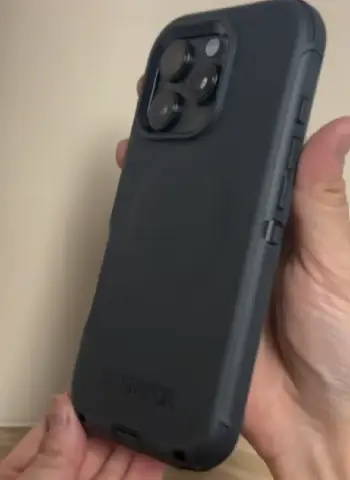
Starting with Symmetry felt refreshing. Its lightness encouraged frequent use without second thoughts.
In urban settings, it blended seamlessly, and MagSafe made accessories effortless.
Drops happened, but protection proved adequate, reinforcing my trust.
Transitioning to Defender for outdoor trips highlighted its strengths.
The holster kept my phone secure on belts during movement, and port covers handled trail dust well. A significant drop tested its limits positively.
However, returning to city life made the bulk feel cumbersome during commutes.
I now switch based on my schedule—Symmetry for predictable days, Defender when risks increase. This flexibility maximized benefits from both.
How They Perform In Daily Scenarios?
Office use favors Symmetry for its professional slimness and easy interactions. Buttons and charging stayed responsive all day.
Outdoor or work scenarios suit Defender, with sealing and grip shining in variable conditions. The holster proved handy repeatedly.
For families, Defender reduces worry about kids’ handling. Style-focused users prefer Symmetry’s variety.
Both manage heat and battery similarly, though Defender’s mass can retain warmth slightly longer during intensive tasks.
Camera and screen performance remain strong, with protections preventing scratches effectively.
Durability And Long-Term Use
After months, Symmetry held up beautifully with minimal scuffs, keeping its new look. Defender showed its toughness with barely any visible wear despite rougher handling.
Both resist scratches well, but Defender’s layers provide deeper impact absorption over years.
Which One Should You Choose?
Consider your typical day. Symmetry fits controlled, style-aware lifestyles seeking balance. Defender serves high-exposure users needing ultimate safeguards.
Test compatibility with your phone and accessories. Both carry OtterBox’s quality warranty, minimizing risk.
Also Read: Is Supfine Phone Case Worth It?
Frequently Asked Questions (FAQ)
Yes for everyday drops and normal use, offering military-grade reliability without excess.
Defender, thanks to its multi-layer construction and higher ratings.
Symmetry provides superior protection, style, and features over the basic Prefix.
Defender leads for rugged needs, though niche alternatives exist depending on priorities.
Wrapping Up
Through months of real use, both cases impressed me with their strengths.
Symmetry brings protection into everyday life elegantly, while Defender stands ready for anything. Evaluate your habits honestly, and you’ll find the match that keeps your phone secure and your routine smooth.
I hope this detailed comparison saves you time and helps protect what matters.
Recent Posts
I tried Meltoway Hair Dissolving Cream because I wanted a quick way to deal with unwanted body hair without reaching for a razor every few days. If you are looking for a convenient at-home...
If you’re considering a saffron-based supplement to support mood, appetite control, and everyday wellness, Happy Saffron Plus is worth considering.I like that it takes a familiar botanical...