
If you want an affordable smartwatch to monitor daily activity, track your heart rate, and encourage healthier habits, the Outfany Track Pro 2.0 may catch your attention.
I would consider it only after checking its sensor accuracy, compatibility, battery performance, and return policy.
In this review, I’ll explain what to look for, where this type of fitness watch can be useful, and which limitations matter before you buy.
My goal is to help you decide whether it fits your routine without paying for features you may never use.
My First Experience With The Outfany Track Pro 2.0
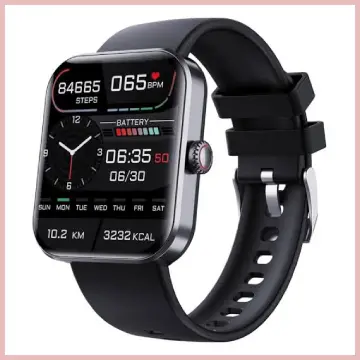
When I evaluate a fitness watch, I look beyond its appearance and the number of features advertised on the packaging.
What matters most to me is whether it provides useful information throughout the day, feels comfortable on my wrist, and makes it easier to maintain healthy habits.
I haven’t independently tested the Outfany Track Pro 2.0, so I can’t honestly claim personal hands-on results, verified battery life, or measured sensor accuracy.
Instead, I’ll assess the factors I would check before buying this device and explain how they affect everyday use.
The first thing I would examine is the watch’s design. A fitness tracker should be comfortable enough to wear during work, exercise, and ordinary daily activities.
If the watch feels bulky, irritates your skin, or has a strap that loosens easily, you’re less likely to wear it consistently.
I’d also check whether the screen is readable outdoors and whether the touchscreen responds reliably. A clear display makes it easier to check the time, review step counts, and read notifications without repeatedly tapping the screen.
The interface matters just as much. I prefer a watch that displays essential information quickly instead of burying basic measurements beneath several menus.
For everyday fitness, I’d begin by checking the step counter, distance estimates, and activity summaries. These features can help you understand how much you move during a typical day.
For example, if you spend hours sitting at a desk, a step counter may encourage you to take short walks. You can compare your activity across several days and gradually establish a realistic movement goal.
However, step counts and calorie estimates are not exact measurements. I would compare the watch’s results with a reliable reference before trusting them too much, especially if the readings appear unusually high or low.
Pros Of The Outfany Track Pro 2.0
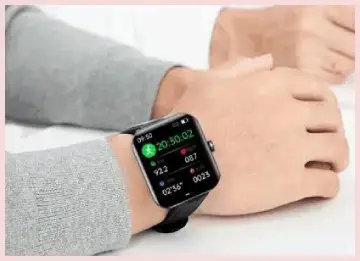
- Potentially More Affordable Than Premium Smartwatches
One reason I would consider a budget fitness watch is the possibility of getting basic everyday functions without paying for an expensive ecosystem.
If you only need activity summaries, a clock, simple notifications, and general wellness information, spending more may not provide much additional value for your routine.
However, affordability should not be judged by the advertised discount alone. I would compare the final checkout price, shipping charges, return costs, warranty coverage, and any required app subscriptions.
A low initial price becomes less attractive if the device is difficult to return or replacement accessories are expensive.
- Encourages More Consistent Physical Activity
I appreciate technology that helps me turn a vague intention into a manageable habit. A daily activity counter can make it easier to notice how much time I spend sitting and identify opportunities to move more.
For example, you could use a watch to remind yourself to take a short walk after lunch or to compare your weekday activity with your weekend routine.
The benefit comes from the behavior you develop, not from the device itself. A simple tracker can be sufficient if it motivates you to move consistently.
- Convenient Access to Everyday Information
A smartwatch may reduce the need to reach for your phone whenever a notification arrives. Depending on its confirmed capabilities, it might display incoming alerts, activity totals, and other useful information at a glance.
I find this kind of convenience most valuable when I’m working, walking, or completing household tasks. Still, I would prioritize dependable basic functions over a long list of features I might never use.
- May Help You Recognize Personal Trends
Repeated measurements can help you compare your daily habits. For example, you may notice that you walk less on busy workdays or that your bedtime varies considerably throughout the week.
These observations can support small, realistic adjustments.
I would focus on longer-term patterns rather than reacting to every fluctuation. A single unusual reading may reflect sensor error, movement, or a temporary change rather than a meaningful health problem.
- A Possible Starting Point for Fitness Beginners
You don’t need an advanced sports watch to begin building an exercise routine. If you’re new to walking regularly or tracking everyday movement, a basic wearable may provide enough feedback to keep you engaged.
I would start with an achievable target and increase it gradually. The aim is to establish a routine you can maintain, not to chase numbers that leave you exhausted or discouraged.
The Track Pro 2.0 could be worth considering for this purpose if its basic functions, price, and reliability meet your expectations.
- Potentially Useful for General Wellness Awareness
A wearable can encourage you to pay more attention to activity, rest, and daily routines. That awareness may help you ask better questions about your habits and discuss relevant observations with a healthcare professional.
Nevertheless, wellness awareness is different from medical diagnosis. I would not assume that a device is suitable for managing a health condition simply because it displays several measurements.
Cons Of The Outfany Track Pro 2.0
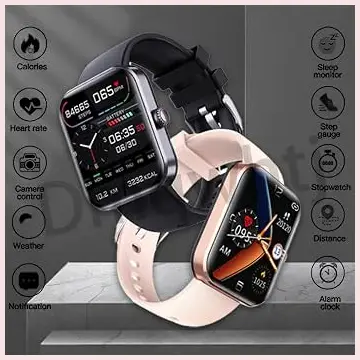
- Uncertain Independent Performance Evidence
My biggest concern is the lack of independently established performance information in this assessment.
Manufacturer descriptions and customer testimonials can be useful starting points, but they do not establish how accurately a watch measures health data.
I would want to see repeatable testing, clear specifications, and credible evidence supporting any important technical claims before making a confident recommendation.
This uncertainty matters more if you’re buying the device for health monitoring rather than simply checking the time and counting steps.
- Health Readings May Not Be Suitable for Medical Decisions
A watch can produce a precise-looking number without measuring the underlying health parameter accurately.
That distinction is particularly important for blood pressure and blood glucose. If a device has not been properly validated for those measurements, I would not use its readings to change medication, adjust treatment, or decide that professional care is unnecessary.
Even when a device measures heart rate or blood oxygen, performance can vary with conditions and the specific measurement method.
- Potential App and Connectivity Problems
Smartwatch features often depend on a companion app and a stable Bluetooth connection. If pairing fails, data synchronization becomes unreliable, or the app has limited support, the overall experience can suffer.
Before buying, I would check which app is required, whether it supports my phone, and whether recent users report recurring connectivity issues.
I would also review the app’s permissions and privacy policy. Health-related information deserves careful handling, especially when a lesser-known product relies on an unfamiliar app.
- Limited Advanced Fitness Functions
A basic wearable may not provide the detailed training tools available on more advanced sports watches. Depending on the actual specifications, you may find limited workout analysis, route tracking, navigation, or integration with specialist fitness apps.
If you regularly run, cycle, hike, or train for competitions, I would prioritize accurate activity recording and the particular sports features you need.
A simpler watch may still work well for casual walking, but I would not assume it is appropriate for serious athletic training without checking its capabilities.
- Fit, Durability, and Water Resistance Need Verification
Comfort is personal. A watch that fits one person’s wrist well may feel too large or heavy on another person’s wrist.
I would check the case dimensions, strap length, available replacements, and adjustment options before ordering. I would also verify the exact water-resistance rating and its limitations.
Water resistance does not automatically mean that a watch is safe for swimming, hot showers, or prolonged immersion. I would follow the manufacturer’s stated limits rather than risking damage based on a broad advertising claim.
- Returns and Customer Support Could Affect Value
The seller’s return policy deserves as much attention as the watch’s feature list.
Before purchasing, I would check the return window, who pays return shipping, whether a return authorization is required, and how warranty claims are handled. I would save the order confirmation and the original packaging until I am satisfied with the product.
If the seller does not clearly identify its business details or explain how refunds work, I would consider that a reason to postpone the purchase.
Maintenance For The Outfany Track Pro 2.0
- Clean the Watch and Strap Regularly
Sweat, sunscreen, dust, and everyday grime can accumulate around the sensor and strap. I would gently wipe the watch with a soft, lint-free cloth and clean the strap according to its material and the manufacturer’s instructions.
Before cleaning, I would disconnect the charger and avoid exposing the device to cleaning chemicals, abrasive materials, or excessive water.
I would pay particular attention to the underside of the watch, where dirt can interfere with sensor contact. After cleaning, I would let the device dry completely before wearing it again.
- Wear It Correctly for Better Readings
Sensor placement can influence the quality of a reading. For routine heart-rate tracking, I would wear the watch securely above the wrist bone, following the manufacturer’s fit guidance.
The strap should be snug enough to maintain contact without causing discomfort or restricting circulation.
If readings become erratic, I would check the fit, clean the sensor area, and remain still for a moment before measuring again. I would not assume that every unexpected result indicates a health problem.
- Protect the Battery
I would use the supplied or manufacturer-approved charging equipment and avoid leaving the watch exposed to extreme heat.
There is no need to drain a lithium-based battery completely before charging it. Instead, I would charge the watch when convenient and follow the manufacturer’s guidance for long-term storage.
If the battery starts draining unusually quickly, I would check screen brightness, notification frequency, background monitoring, and connectivity settings before concluding that the battery has failed.
- Keep the Software and App Updated
Updates may improve compatibility, correct software problems, and strengthen security. I would install updates through the appropriate official app or manufacturer-provided process.
Before updating, I would ensure the watch has sufficient charge and the phone has a stable connection.
I would also review app permissions periodically. A fitness tracker should not need unrestricted access to every feature of your phone simply because it records daily activity.
- Check the Strap, Screen, and Charging Contacts
I would inspect the strap and fastening mechanism regularly for cracks, stretching, or looseness. If the strap becomes damaged, replacing it may be safer than continuing to wear the watch.
I would also check the screen for cracks and the charging contacts for dirt or corrosion. I would clean the contacts gently and keep them dry before charging.
If the watch becomes unusually hot, the battery swells, or the device shows signs of electrical damage, I would stop using it and contact the seller or manufacturer.
Comparison Of Outfany Track Pro 2.0 With Other Smartwatch Brands
- Outfany Track Pro 2.0 vs. Fitbit
I would consider a Fitbit device if daily activity, exercise summaries, and sleep tracking are my main priorities.
Fitbit’s established product ecosystem may appeal to people who want a familiar app experience and consistent fitness features.
The Outfany Track Pro 2.0 might appeal to someone looking for a lower-cost alternative, but I would compare actual prices and independently verified capabilities before deciding which offers better value.
My preference would depend on the specific Fitbit model, its subscription requirements, and the reliability of the measurements I intend to use.
- Outfany Track Pro 2.0 vs. Apple Watch
The Apple Watch is worth considering if you use an iPhone and want a broad selection of apps, notifications, and supported health features.
Compared with a simpler fitness watch, an Apple Watch offers a more extensive connected experience, although capabilities vary by model and region. It can also cost considerably more and may require more frequent charging.
I would consider Outfany only if its verified basic functions meet my needs and the price difference is meaningful. I would not choose it over an Apple Watch solely because its advertising promises more health measurements.
- Outfany Track Pro 2.0 vs. Samsung Galaxy Watch
The Samsung Galaxy Watch is another option I would evaluate, especially if I use an Android phone.
Depending on the model and compatible phone, Galaxy Watch devices can offer detailed workout functions, app integration, notifications, and selected health features. Some advanced functions have specific compatibility and regional restrictions.
The Outfany may be attractive if I only want a straightforward daily tracker. However, I would want stronger evidence of its build quality, sensor performance, and long-term app support before considering it an equal alternative.
- Outfany Track Pro 2.0 vs. Garmin
I would look at Garmin if I regularly run, cycle, hike, or follow a structured training plan.
Depending on the model, Garmin watches can provide GPS-based activity recording, training metrics, and tools designed for outdoor exercise. Those functions may be more valuable than a long list of general wellness measurements.
The Outfany could be sufficient for casual walking and everyday movement, provided its capabilities are confirmed. For serious training, I would prioritize reliable GPS, activity data, and a well-supported fitness ecosystem.
Who Should Consider Buying The Outfany Track Pro 2.0?
I would consider this smartwatch if I wanted a basic wearable and could verify that it provides the functions I need at a reasonable price.
It may suit someone who wants to monitor daily movement, establish an exercise routine, or receive basic phone notifications without investing in a premium smartwatch.
However, I would be more cautious if I needed advanced workout metrics, extensive app integration, or reliable health measurements for a medical condition.
Before ordering, I would confirm the exact model, the seller’s identity, the total cost, compatibility with my phone, warranty coverage, and the refund process. I would also look for independent testing of any health feature that influenced my decision.
Also Read: Is Ze Force Smartwatch Worth It?Ze Force Smartwatch Review: My Honest Experience After Everyday Use
Frequently Asked Questions (FAQ)
It depends on your needs and the device’s verified performance. Check independent testing, health claims, compatibility, and the return policy before purchasing.
Customer feedback is mixed, with praise for ease of use and display quality alongside complaints about accuracy, returns, and customer support.
There is no single watch recommended for everyone. The right choice depends on your needs, compatible features, and your clinician’s advice.
I would verify its business details, warranty, refund terms, and independent customer feedback before ordering. A company’s existence alone does not guarantee product quality or reliable service.
Final Verdict
I would consider the Outfany Track Pro 2.0 only if I wanted basic fitness tracking and could verify its specifications, sensor reliability, and return policy before buying.
It may be a reasonable option for everyday activity awareness, but I would not trust unvalidated health readings for medical decisions.
If accuracy, advanced workouts, or long-term software support matters most, I would compare established alternatives before spending my money.
Recent Posts
● Interactive 5-Zone Interior & Exterior Paint Blueprint Paint Coverage Calculator: Gallons, Primer, Square Footage & Cost Tap any architectural surface zone on the blueprint...
If you want smooth, shiny hair without spending a fortune on a premium styling tool, the Ella Bella hair dryer may be worth considering.In these Ella Bella hair dryer reviews, I’ll look...