
If you’ve been searching for a cast iron Dutch oven that delivers impressive cooking performance without the premium price tag, the Overmont Dutch oven deserves your attention.
After spending considerable time cooking with it, I found that it offers many of the features home cooks want: excellent heat retention, durable construction, and attractive enamel finishes.
Whether you’re baking artisan bread, preparing slow-cooked stews, or braising meat, this Dutch oven provides remarkable value.
For anyone wanting cast iron cooking without spending a fortune, the Overmont Dutch oven is definitely worth considering.
My Personal Experience Using The Overmont Dutch Oven
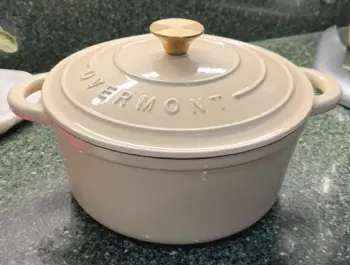
When I first purchased the Overmont Dutch oven, I was honestly skeptical.
The price was significantly lower than many well-known cast iron cookware brands, and I wondered whether the quality would match the positive reviews I had seen.
The first thing I noticed when unboxing it was the weight. It felt substantial and solid, exactly what I expect from quality cast iron cookware.
The enamel coating appeared smooth and evenly applied, with no visible imperfections. The lid fit snugly, creating the kind of seal that’s essential for moisture-rich cooking.
My first recipe was a classic beef stew. I started by searing chunks of beef directly in the Dutch oven. The pot heated evenly, and the meat developed a beautiful crust.
This was my first indication that the Overmont Dutch oven wasn’t just an inexpensive imitation. It delivered the high-temperature cooking performance I wanted.
Over the next several weeks, I used it for a wide variety of dishes. I baked crusty sourdough bread, simmered tomato-based sauces, prepared braised short ribs, and even cooked large batches of chili.
Each recipe highlighted the Dutch oven’s ability to maintain stable temperatures over extended cooking periods.
One of my favorite experiences was baking bread. The heavy lid trapped steam effectively, creating the ideal environment for a crispy crust and airy interior.
The results were surprisingly close to what I’ve achieved using much more expensive cookware.
Cleaning was also easier than expected. The enamel interior resisted sticking, and most food residue washed away with warm water and a soft sponge. Even after repeated use, the surface maintained its appearance remarkably well.
That said, I did notice a few limitations. The enamel isn’t quite as refined as what you’ll find on premium brands. Small signs of wear appeared sooner than I expected, although they didn’t affect cooking performance.
The handles are also slightly smaller than some competitors, making oven mitts essential when moving the pot.
Overall, my experience was overwhelmingly positive. I consistently achieved excellent cooking results while spending considerably less than I would have on a luxury Dutch oven.
What Is The Overmont Dutch Oven?
The Overmont Dutch oven is an enameled cast iron cooking vessel designed for versatile kitchen use. It combines the heat-retention benefits of traditional cast iron with the convenience of an enamel coating that eliminates the need for seasoning.
Available in several sizes and colors, the Dutch oven can be used for roasting, braising, baking, simmering, frying, and slow cooking. Its versatility makes it suitable for beginners and experienced home cooks alike.
The enameled surface helps prevent rust while simplifying cleanup. Unlike raw cast iron cookware, you don’t need to season it regularly, making ownership much more convenient.
Pros Of The Overmont Dutch Oven

- Outstanding Value for Money
The biggest advantage is undoubtedly affordability.
Many people hesitate to buy a Dutch oven because premium brands can cost several hundred dollars.
Overmont makes cast iron cooking accessible to a much wider audience.
Throughout my testing, I found that the cooking results often rivaled cookware costing significantly more. For budget-conscious shoppers, that’s a major win.
- Excellent Heat Retention
Heat retention is one of the defining characteristics of cast iron cookware, and Overmont performs exceptionally well in this area.
Once heated, the pot maintains stable temperatures for extended periods. This consistency is especially useful for braising, roasting, and slow cooking.
Food cooks more evenly, and temperature fluctuations are minimized, leading to better overall results.
- Versatile Cooking Capabilities
I love cookware that serves multiple purposes, and the Overmont Dutch oven certainly qualifies.
You can use it for baking bread, cooking soups, preparing casseroles, braising meats, frying foods, and making sauces.
Instead of cluttering your kitchen with specialized cookware, one Dutch oven can handle a wide range of cooking tasks.
- Attractive Appearance
The colorful enamel finishes add visual appeal that many cooks appreciate.
Unlike plain cookware that remains hidden in cabinets, the Overmont Dutch oven looks attractive enough to move directly from the kitchen to the dining table.
Its classic appearance complements both modern and traditional kitchen designs.
- Easy Maintenance
The enamel coating significantly simplifies ownership.
You don’t need to season the cookware regularly, and cleanup is generally straightforward. Most food residue can be removed using warm water and mild dish soap.
This convenience makes the Dutch oven particularly appealing for beginners who may be intimidated by traditional cast iron maintenance.
Cons Of The Overmont Dutch Oven
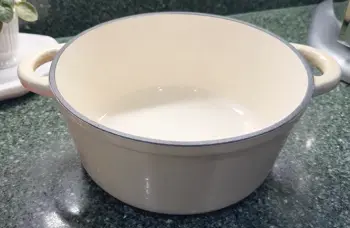
- Heavier Than Standard Cookware
Like most cast iron cookware, the Overmont Dutch oven is heavy.
While the weight contributes to excellent heat retention, moving a fully loaded pot can be challenging.
Some users may find the heft inconvenient, especially when transferring hot food from oven to countertop.
- Enamel Durability Is Not Premium-Level
Although the enamel performs well overall, it doesn’t quite match the refinement of luxury brands.
After extended use, minor wear may become visible sooner than with higher-priced competitors.
Proper handling helps minimize this issue, but it’s still worth considering before purchasing.
- Smaller Handles Than Some Competitors
Another drawback I noticed involves the side handles.
While they are sturdy and secure, they are somewhat smaller than those found on certain premium Dutch ovens. When wearing thick oven mitts, gripping the pot can occasionally feel awkward.
This isn’t a dealbreaker, but it’s something you may notice if you frequently move heavy cookware from the oven to the countertop.
- Slow Heating Compared to Lightweight Pots
Cast iron excels at retaining heat, but it isn’t the fastest material to warm up.
If you’re used to stainless steel or aluminum cookware, you’ll notice that the Overmont Dutch oven takes longer to reach cooking temperature. However, once heated, it maintains that temperature exceptionally well.
- Not Ideal for Every Cooking Task
While the Dutch oven is versatile, it’s not necessarily the best tool for quick weeknight meals that require rapid temperature adjustments.
Its strengths lie in slow cooking, roasting, braising, and baking rather than fast, high-speed cooking techniques.
Maintenance Tips For The Overmont Dutch Oven
- Clean It After Every Use
One of the easiest ways to extend the life of your Dutch oven is to clean it promptly after cooking.
I usually allow the pot to cool slightly before washing it with warm water and a small amount of mild dish soap. This prevents food residue from hardening and becoming more difficult to remove.
Avoid letting cooked food sit inside the Dutch oven for long periods, especially acidic ingredients such as tomatoes, vinegar-based sauces, or citrus-heavy dishes.
Regular cleaning helps preserve the enamel surface and keeps the cookware looking attractive.
- Avoid Sudden Temperature Changes
Thermal shock is one of the most common causes of enamel damage.
For example, placing a hot Dutch oven directly into cold water can potentially cause cracking or chipping over time.
I always let the cookware cool naturally before washing it. This simple habit can dramatically improve longevity.
Similarly, avoid taking a cold Dutch oven from the refrigerator and placing it immediately into a very hot oven.
Gradual temperature transitions are much safer for enamel-coated cast iron.
- Use Wooden, Silicone, or Nylon Utensils
The enamel coating is durable, but it isn’t indestructible.
I prefer using silicone spatulas, wooden spoons, and nylon cooking tools because they reduce the risk of scratching the cooking surface.
Metal utensils can eventually leave marks or damage the enamel if used aggressively.
Protecting the interior coating helps maintain both appearance and performance.
- Remove Stubborn Stains Properly
Over time, light staining may appear inside any enameled Dutch oven.
When this happens, I fill the pot with warm water and a small amount of baking soda. After allowing the mixture to sit for a while, most stains lift easily with gentle scrubbing.
Avoid using highly abrasive cleaning pads because they can gradually wear down the enamel finish.
Patience works better than aggressive scrubbing.
- Store It Correctly
Proper storage matters more than many people realize.
I recommend storing the lid slightly ajar whenever possible. This allows airflow inside the pot and helps prevent moisture buildup.
If cabinet space requires stacking cookware, place a soft cloth or pan protector between pieces to avoid accidental chips or scratches.
Simple storage habits can add years to the cookware’s lifespan.
Comparing Overmont With Other Dutch Oven Brands
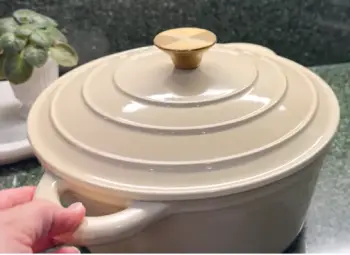
- Overmont vs Le Creuset
Le Creuset is often considered the gold standard in enameled cast iron cookware.
After using both, I can confidently say that Le Creuset offers a more refined finish, superior enamel quality, and exceptional long-term durability.
The cooking experience feels slightly more polished overall.
However, the performance gap is much smaller than the price gap.
For many home cooks, Overmont delivers 80–90% of the experience at a fraction of the cost. If budget matters, Overmont provides significantly better value.
- Overmont vs Staub
Staub is another premium competitor known for outstanding craftsmanship.
Staub’s interior enamel is particularly impressive, and its self-basting lid design helps distribute moisture effectively during cooking.
While Staub has an edge in premium construction, Overmont still performs admirably for everyday cooking. Most families preparing soups, stews, breads, and roasts will find Overmont more than capable.
- Overmont vs Lodge
Lodge occupies an interesting middle ground.
The brand has built a strong reputation for dependable cast iron cookware at reasonable prices. In my experience, the cooking performance between Lodge and Overmont is very similar.
The choice often comes down to styling preferences, color options, availability, and pricing at the time of purchase.
Is The Overmont Dutch Oven Worth Buying?
After extensive use, my answer is yes.
If you’re searching for professional-level cooking performance without paying luxury-brand prices, the Overmont Dutch oven represents one of the strongest values available.
It offers excellent heat retention, dependable construction, attractive aesthetics, and versatile cooking capabilities.
No, it doesn’t completely match the craftsmanship of ultra-premium brands. But considering the significant savings, the compromises feel surprisingly minor.
For first-time Dutch oven buyers, casual home cooks, budget-conscious shoppers, and even experienced cooks looking for a secondary pot, Overmont makes a compelling case.
The combination of affordability and performance is difficult to ignore.
Also Read: Is Mueller Dutch Oven Worth It?
Frequently Asked Questions (FAQ)
Yes. Overmont products are generally durable and designed for long-term household use when properly maintained.
Not quite. Le Creuset offers higher-end craftsmanship and enamel quality, but Overmont provides excellent performance for a much lower price.
Yes. The Overmont Dutch oven is oven safe and suitable for baking, roasting, braising, and bread making.
Yes. They offer solid construction, effective heat retention, reliable cooking performance, and excellent value for the price.
Wrapping Up
After spending significant time cooking with the Overmont Dutch oven, I understand why it receives so many positive reviews.
It combines the cooking benefits of enameled cast iron with a price point that feels accessible to everyday home cooks.
While it may not possess the prestige or premium finish of luxury brands, it consistently delivers delicious results.
If you want a dependable Dutch oven for bread baking, stews, roasts, and countless other recipes without overspending, the Overmont Dutch oven is a purchase I can confidently recommend.
Recent Posts
● Interactive 5-Zone Interior & Exterior Paint Blueprint Paint Coverage Calculator: Gallons, Primer, Square Footage & Cost Tap any architectural surface zone on the blueprint...
If you want smooth, shiny hair without spending a fortune on a premium styling tool, the Ella Bella hair dryer may be worth considering.In these Ella Bella hair dryer reviews, I’ll look...