
When I first became a parent, the endless worries about my baby’s safety during sleep kept me up at night.
I researched baby monitors obsessively and landed on Owlet’s sock-style options. In this article, I compare the Owlet Smart Sock and Dream Sock from my own experience and what I’ve learned digging into their features, performance, and real-world use.
My goal is to help you decide which one—or whether either—fits your family’s needs, so you can focus more on enjoying those precious early months.
| Feature | Owlet Smart Sock | Owlet Dream Sock |
| Primary Focus | Real-time heart rate & oxygen alerts | Sleep quality tracking & wellness insights |
| FDA Status | Discontinued due to regulatory issues | FDA-cleared for certain health notifications |
| Alerts | Direct vital sign alerts (older models) | Sleep quality indicators, some health notifications |
| Live Readings | Heart rate & oxygen | Pulse rate, oxygen trends, sleep patterns |
| App Experience | Basic monitoring | Advanced sleep tracking, predictive insights |
| Subscription | Not required | Often required for full features |
| Best For | Parents wanting vital alerts | Parents focused on sleep patterns |
| Age Range | Up to 18 months (with sizes) | Up to 18 months |
Key Differences Between The Owlet Smart Sock And Dream Sock
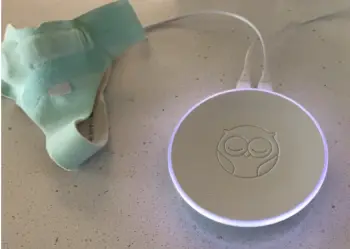
- Monitoring Approach: The Smart Sock emphasized immediate notifications for drops in heart rate or oxygen levels, giving that urgent heads-up many anxious parents craved.
The Dream Sock shifts toward overall sleep quality, using vitals as part of a bigger picture rather than standalone alarm triggers.
- Regulatory Background: Smart Sock faced FDA challenges leading to its discontinuation in key markets.
Dream Sock was designed with clearances in mind, offering a more compliant path forward.
- Data Presentation: With Smart Sock, I saw straightforward numbers popping up. Dream Sock adds sleep stages, trends, and predictive suggestions that feel more like a sleep coach.
- Alert Philosophy: Older Smart Sock would buzz your phone for specific thresholds. Dream Sock looks at baselines and flags when things seem off for your baby’s normal patterns.
- Long-Term Support: Smart Sock models eventually lost connectivity in some cases. Dream Sock continues evolving with app updates focused on sleep development.
Key Features Of Owlet Smart Sock
- Real-Time Vital Monitoring: It tracked heart rate and oxygen saturation continuously, sending alerts to the base station and app if readings went outside set ranges. This gave me instant feedback during those first fragile weeks.
- Multiple Sock Sizes: Came with different fabric sock options to ensure a snug fit as baby grew, which was crucial for accuracy.
- Base Station Alerts: Even if your phone was on silent or charging elsewhere, the base would light up and sound off—super helpful during naps.
- App Connectivity: Simple interface showing live data, though less polished than newer versions.
- Battery Life and Range: Decent wireless performance allowing me to move around the house without constant dropouts in most cases.
As someone who used an earlier version, I appreciated how it felt like a direct line to my baby’s well-being, but it also led to some restless nights from false alarms when the sock shifted slightly.
Pros Of Owlet Smart Sock
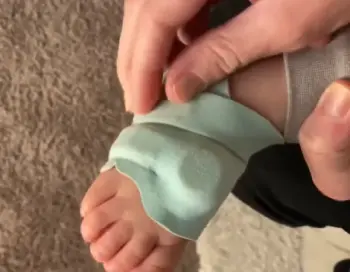
- Immediate Peace of Mind on Vitals: One of the biggest strengths I experienced with the Smart Sock was the real-time visibility into my baby’s heart rate and oxygen levels.
As a new parent navigating those unpredictable newborn nights, seeing live numbers on the app gave me a tangible sense of control.
When my little one had a minor cold, I could watch for any concerning trends without constantly hovering over the crib.
The alerts felt proactive, especially in the first few months when every sound or pause in breathing triggered my worry.
It wasn’t just data—it translated into fewer frantic middle-of-the-night checks because I could glance at my phone and confirm everything looked steady.
- No Ongoing Fees for Core Use: Unlike some modern baby tech that locks features behind subscriptions, the Smart Sock delivered its essential monitoring right out of the box.
This mattered to me on a practical level since we were already juggling so many new expenses.
I didn’t have to worry about monthly charges eating into the budget just to see basic readings or get alerts.
That straightforward one-time investment model made it feel more accessible for families who want reliable monitoring without ongoing commitments.
- Proven Track Record for Many Families: Talking to other parents and reflecting on my own use, the Smart Sock had helped countless households spot early signs during illnesses or when babies were adjusting to new sleep environments.
The base station’s audible and visual alerts provided a backup layer I relied on heavily during power naps or when my phone battery dipped low.
It built confidence over time as I learned my baby’s normal ranges, turning abstract fears into something measurable and manageable.
- Straightforward Setup: Unboxing and getting started took minutes. Charge the base, slip on the sock, pair with the app, and you’re monitoring.
No complicated configurations or extra accessories needed upfront. This simplicity was a lifesaver during those sleep-deprived early days when even basic tasks felt overwhelming.
The included sock sizes accommodated growth spurts reasonably well, reducing the need for immediate replacements.
Cons Of Owlet Smart Sock
- Discontinuation Issues: The biggest downside I encountered was the eventual phase-out and loss of full support.
Once regulatory changes hit, many users, including those considering upgrades, faced uncertainty about long-term functionality.
Devices stopped connecting reliably in some cases, rendering the investment less future-proof than expected.
This left parents scrambling for alternatives or workarounds, which added stress rather than removing it.
- False Alarms: Nothing disrupts sleep quite like a sudden alert at 3 AM only to find the sock had shifted slightly or baby moved in a way that triggered a false reading.
I experienced this more than once, leading to unnecessary wake-ups for both me and my partner.
Over time, it contributed to alert fatigue, where I started questioning the reliability of the system instead of trusting it fully.
The snug fit requirement was tricky with wiggly babies, amplifying this issue.
- Limited Sleep Insights: While great for vitals, it didn’t offer much depth into overall sleep patterns, stages, or trends.
I often wished for more context beyond the raw numbers—like why a night had more wakings or how daytime naps affected nighttime rest.
This narrower focus felt limiting as my baby grew and sleep became more about establishing healthy habits than just survival monitoring.
- Regulatory Uncertainty: The FDA situation created confusion and hesitation among healthcare providers and parents alike.
It made me second-guess recommendations and wonder about the long-term standing of the product.
This lack of clear clearance affected how confidently I could rely on it as a tool, even though it provided useful data in practice.
- Battery and Fit Challenges: Maintaining consistent readings required regular checks on sock placement and battery levels.
With an active infant, the device sometimes needed adjustments multiple times per night, which wasn’t ideal when you’re already exhausted.
Range could also vary depending on home layout, occasionally leading to connection drops that prompted more alerts.
Key Features Of Owlet Dream Sock
- Sleep Quality Tracking: Goes beyond basic vitals to analyze movement, wakings, and overall rest patterns, helping me understand if my baby was getting restorative sleep.
- FDA-Cleared Elements: Includes cleared live pulse rate and oxygen insights in supported regions, with notifications based on personalized baselines.
- Predictive Sleep Tools: The app suggests optimal nap or bedtime windows based on trends, which became surprisingly useful for establishing routines.
- Educational Content: Built-in tips on healthy sleep habits that I found myself referencing often as a first-time parent.
- Improved Comfort and Design: Softer materials and better fit feedback made it easier to use night after night without irritation.
I remember putting the Dream Sock on my little one and checking the app in the morning to see not just numbers, but a clear story of how the night went. It turned raw data into actionable insights.
Pros Of Owlet Dream Sock
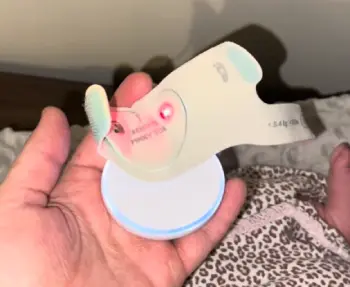
- Holistic Sleep Support: What stood out most to me was how the Dream Sock looks at the bigger picture of rest.
It tracks movement, wakings, heart rate trends, and oxygen insights to paint a complete story of the night.
This helped me identify patterns, such as linking frequent arousals to room temperature or feeding schedules.
Instead of isolated alerts, I gained insights that improved our routines over weeks, leading to longer stretches of sleep for everyone.
It felt like evolving from basic monitoring to actual sleep optimization.
- FDA-Cleared Elements: Knowing it met regulatory standards brought an extra layer of confidence.
Live pulse rate and certain health notifications felt more trustworthy and aligned with medical expectations.
This clearance addressed many concerns from the previous generation, making it a product I could discuss more openly with my pediatrician without hesitation.
- Personalized Notifications: Rather than rigid thresholds, it learns your baby’s baseline and flags meaningful deviations.
This significantly cut down on false alarms in my experience. I appreciated waking only when something genuinely seemed off for my child, preserving more rest while still providing timely awareness.
The app’s smart algorithms made the data feel tailored rather than generic.
- App Upgrades and Educational Content: The interface is more modern and engaging, with historical trends, visualizations, and practical sleep tips.
I found myself reading the built-in guidance on establishing bedtime routines or understanding developmental sleep changes.
It turned the device into a supportive companion rather than just a gadget, enhancing my confidence as a parent navigating new phases.
- Comfort-Focused Design: Softer materials and improved fit options meant my baby tolerated it better for full nights.
Less readjustment needed, and it stayed secure during rolls or kicks. This reliability translated into consistent data I could actually trust night after night.
Cons Of Owlet Dream Sock
- Cost and Subscription Model: The higher price tag combined with potential membership fees for full features gave me pause initially.
While core tracking works without it, unlocking detailed analytics and advanced insights often requires the extra cost.
For budget-conscious families, this can feel like an ongoing commitment that adds up, especially alongside other baby essentials.
- Shifted Alert Style: If you loved the direct, urgent vital alerts of the older model, the Dream Sock’s focus on sleep quality indicators might feel less immediate.
It emphasizes trends and baselines over instant threshold breaches, which is great for reducing noise but could concern parents who want rapid specific vital warnings in certain situations.
- Learning Curve: All the additional data—sleep stages, predictive suggestions, trend graphs—can overwhelm at first.
It took me a couple of weeks to fully interpret the reports meaningfully rather than just glancing at numbers.
New parents already processing so much information might find the depth initially daunting before it becomes helpful.
- Dependency on App and Connectivity: Strong performance relies on stable phone connections and app access.
Occasional lags or the need for Wi-Fi could interrupt seamless monitoring. Unlike simpler setups, you’re more tied to the digital ecosystem for the best experience.
- Not a Medical Guarantee: Despite clearances, it’s still positioned as a wellness tool. This reminder is important but can temper expectations.
It doesn’t replace clinical monitoring for babies with medical needs, and over-reliance might create false security if not balanced with other safe sleep practices.
My Real-User Experience Comparing Both
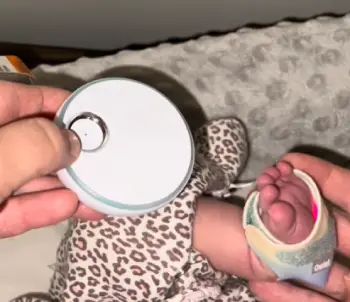
As a parent who’s navigated both worlds, the Smart Sock felt urgent and reactive. I’d wake to alerts and rush in, heart pounding.
The Dream Sock encouraged proactive habits. I’d review morning reports and tweak nap times accordingly.
Analytically, the Dream Sock represents Owlet’s evolution—adapting to regulations while expanding value through sleep science.
If your baby has known health needs, legacy Smart Sock insights (where still functional) might resonate more.
For most, the Dream Sock’s balanced approach wins for daily use. I personally transitioned and never looked back, though I wish the pricing was more accessible.
Both highlight how technology can support but never replace attentive parenting. The conversational reality is that no sock replaces safe sleep basics like back positioning and clear cribs.
Expanding on usability, the Smart Sock’s strength in raw data appealed during newborn fragility when every breath mattered.
Yet its discontinuation forced many of us to adapt. Dream Sock’s integration of movement data helped identify patterns like frequent wakings tied to discomfort, leading to practical fixes like swaddle adjustments.
From an analytical lens, this shift from alarm-based to insight-based monitoring mirrors broader trends in parenting tech—prioritizing long-term development over short-term alerts.
Battery performance in both was solid for overnight use, but Dream Sock’s wireless charging felt modern and convenient.
Fit was critical; I’d always double-check the sock wasn’t too tight or loose to avoid inaccurate readings. Parents often mention combining it with a video monitor for complete visibility, which I recommend regardless of sock choice.
Diving Further Into Practical Considerations
When comparing hardware, both socks use similar pulse oximetry tech, but Dream Sock refines it for compliance and comfort.
Software-wise, the app evolution stands out. Early Smart Sock apps were functional but basic. Dream Sock’s updates brought visualizations that made trends intuitive even for non-techy parents like me.
Cost-wise, factor in potential replacements or upgrades. Smart Sock owners sometimes converted devices, but newer Dream Sock offers better longevity.
In terms of daily integration, I appreciated Dream Sock’s quieter operation—no constant low-level anxiety from frequent pings.
User stories from other parents echo this: some swear by the reassurance during RSV seasons or growth spurts, while others found the data addictive and anxiety-inducing. My take? Use it as one tool among many. Track patterns over weeks rather than obsessing nightly.
How They Fit Into Everyday Parenting?
In practice, I started with Smart Sock for its directness during the early chaotic months. As my baby grew and sleep consolidated, Dream Sock’s predictive features helped maintain consistency.
Both encouraged me to observe more mindfully. The conversational truth is that technology like this shines when it complements your instincts, not overrides them.
Analytically, the move from Smart to Dream reflects industry adaptation. Regulatory lessons led to better products overall.
For families, this means choosing based on priorities: acute monitoring versus sustained sleep optimization.
Also Read: Is TushBaby Hip Carrier Worth It?
Frequently Asked Questions (FAQ)
No. The Dream Sock is the newer model with a stronger emphasis on sleep tracking and improved regulatory compliance, while the Smart Sock focused more on direct vital alerts.
It was pulled due to FDA concerns regarding its marketing and clearance as a device for vital sign notifications without proper authorization.
Opinions vary; many do not recommend it as a SIDS prevention tool and emphasize safe sleep practices instead, though some see it as optional reassurance for certain families.
Existing Smart Sock 3 users in some regions can convert via app or device updates, but it’s encouraged for continued functionality and access to new features.
Wrapping Up
After weeks of use and reflection, I see clear value in both but lean toward recommending the Dream Sock for most parents today.
It offers a smarter, more sustainable approach that aligns with current standards. If you’re considering one, think about your specific worries—vitals focus or sleep patterns—and your budget. Ultimately, you know your family best.
These tools can provide helpful data points, but trust your gut and consult your pediatrician for personalized advice.
Recent Posts
I tried Meltoway Hair Dissolving Cream because I wanted a quick way to deal with unwanted body hair without reaching for a razor every few days. If you are looking for a convenient at-home...
If you’re considering a saffron-based supplement to support mood, appetite control, and everyday wellness, Happy Saffron Plus is worth considering.I like that it takes a familiar botanical...