
If you’re constantly carrying your little one on your hip, you already know how quickly your arms, shoulders, and back start protesting.
That’s exactly why I decided to try the TushBaby Hip Carrier. After spending plenty of time using it during shopping trips, walks, family outings, and even around the house, I understand why so many parents recommend it.
If you want a comfortable way to carry your child without wearing a bulky full-body carrier, I believe this product deserves serious consideration.
While it isn’t perfect for every situation, it solves one of the biggest parenting challenges remarkably well.
My First Experience With The TushBaby Hip Carrier

The first thing I noticed after opening the TushBaby Hip Carrier was how sturdy it felt.
Unlike many baby products that appear lightweight but flimsy, this one immediately gave me confidence.
The waist belt felt thick, the stitching looked durable, and the seat itself seemed capable of supporting plenty of weight.
Getting it on took less than a minute. I simply wrapped it around my waist, tightened the belt securely, and adjusted it until the seat rested comfortably on my hip.
I appreciated that I didn’t need mirrors, complicated straps, or lengthy instructions.
The biggest surprise came the moment I picked up my child.
Normally, carrying a toddler means balancing their weight with one arm while leaning awkwardly to one side. Within ten or fifteen minutes, my shoulder starts aching. With the TushBaby, the seat handled most of the weight. Instead of squeezing my child tightly to prevent slipping, I only needed one relaxed arm for support.
Shopping became much easier. My child wanted to be carried for a few minutes, then wanted to walk, then wanted to be picked up again.
Instead of repeatedly struggling with a structured baby carrier, I could lift and lower my toddler within seconds.
I also found myself using it around the house more than expected. Cooking dinner, checking the mail, watering plants, and even cleaning became easier because my child could stay close without all the weight resting on my body.
The storage pockets became another unexpected favorite feature. Instead of bringing a diaper bag for quick errands, I could fit diapers, wipes, my phone, wallet, snacks, and keys into the carrier itself. That convenience saved me from carrying multiple bags.
After several weeks of use, I noticed far less shoulder fatigue compared to traditional carrying. My lower back also felt more comfortable because the weight stayed centered around my waist instead of hanging from one shoulder.
That said, it wasn’t my solution for every situation. Long hikes or naps still called for a traditional soft carrier because the TushBaby requires one hand to support your child. For everyday parenting, however, it quickly became one of the products I reached for almost automatically.
Overall, my experience has been overwhelmingly positive because it made frequent pick-ups significantly easier without making me feel restricted.
Pros Of The TushBaby Hip Carrier
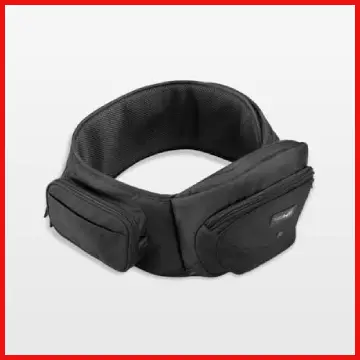
- It Dramatically Reduces Arm Fatigue
This was the biggest improvement I noticed.
Normally, carrying a growing toddler means one arm does nearly all the work.
Over time, that leads to sore shoulders, aching wrists, and tight neck muscles.
The TushBaby transfers much of your child’s weight onto your hips and waist, allowing your arm to focus primarily on stability instead of lifting. Even after multiple pick-ups throughout the day, I felt significantly less exhausted.
If you’ve ever switched arms every few minutes because of fatigue, you’ll immediately appreciate this difference.
- It’s Perfect for Toddlers Who Want Constant Up-and-Down Attention
Many carriers work wonderfully for infants but become inconvenient once children become more independent.
Toddlers rarely stay still.
They want to explore, then suddenly ask to be carried, then jump back down a minute later.
The TushBaby handles these constant transitions better than almost any traditional carrier I’ve used.
Instead of spending time adjusting buckles and shoulder straps, I simply lifted my child onto the seat and continued walking.
That speed makes everyday parenting far less frustrating.
- Excellent Weight Distribution
One reason the carrier feels so comfortable is the intelligent weight distribution.
Instead of placing pressure on your shoulders, it redirects much of the load toward your hips, which naturally support weight more efficiently.
During longer outings, this helped reduce overall body fatigue and allowed me to stay active for much longer without discomfort.
- Surprisingly Spacious Storage
Many baby carriers offer a tiny pocket that’s barely large enough for a phone.
The TushBaby takes a much more practical approach.
The storage compartments easily held everything I needed for short outings, which meant I could often leave my diaper bag in the car or at home.
Having fewer items to carry made every trip feel simpler and more organized.
- Strong Construction
After months of regular use, the stitching, buckles, and fabric continued looking almost new.
The seat maintained its firmness, and the waistband showed very little wear despite frequent adjustments.
This gave me confidence that the carrier is built to last through years of parenting rather than only a few months.
- Easy to Clean
Babies and toddlers create messes constantly.
Fortunately, the fabric wipes clean easily, and routine maintenance doesn’t require complicated care.
That practical design makes daily use much less stressful, especially when snacks, juice, or muddy hands become involved.
- It Encourages Better Posture
Before using the TushBaby, I didn’t realize how much I leaned to one side while carrying my child. That uneven posture often left me with a stiff lower back by the end of the day.
Because the hip seat supports much of the child’s weight, I naturally stood more upright. I wasn’t constantly compensating with my shoulders or twisting my body to keep my child secure. While no carrier completely removes physical effort, I definitely noticed less strain after long outings.
- It Saves Time Every Day
Parenting is full of little moments where every second matters.
Maybe your toddler suddenly wants to be picked up in the parking lot.
Maybe they’re tired halfway through grocery shopping.
Maybe they’re cranky while waiting in line.
Instead of wrestling with a complicated carrier, I simply lifted my child onto the seat. Those few seconds saved over and over again throughout the day made parenting feel just a little less hectic.
- It Works for More Than Just Outdoor Trips
At first, I assumed I would only use the TushBaby outside the house.
I couldn’t have been more wrong.
I found myself wearing it while making breakfast, folding laundry, walking around the backyard, answering the door, and calming my toddler before bedtime. Because it’s so quick to put on, I never hesitated to use it for short tasks around the home.
That everyday usefulness ended up being one of its biggest strengths.
Cons Of The TushBaby Hip Carrier

- It Still Requires One Supporting Arm
The biggest limitation is that this isn’t a completely hands-free carrier.
Although the seat supports most of your child’s weight, you’ll still need one arm around them for safety.
If you’re hoping to cook, type on a computer, or complete tasks requiring both hands, a structured baby carrier may be a better choice.
- Not Ideal for Long Baby Naps
My toddler occasionally fell asleep while sitting on the carrier, but it wasn’t nearly as comfortable as a wrap or full soft-structured carrier.
For extended naps or long walks where your child will sleep most of the time, another carrier may provide better head and body support.
- Bulkier Than It Looks
Although much smaller than a stroller, the TushBaby isn’t tiny.
The firm seat naturally adds some bulk around your waist. It isn’t uncomfortable, but you’ll notice it when sitting in certain chairs or trying to squeeze through tight spaces.
- Proper Fit Matters
The carrier works best when it’s positioned correctly.
If the waistband sits too loose or too low, you may feel unnecessary pressure on your hips or lower back. It took me a couple of attempts before I found the ideal fit.
Fortunately, once I figured it out, putting it on became second nature.
- Premium Price
Compared with simple baby slings or basic hip carriers, the TushBaby costs more.
Initially, I questioned whether it justified the price.
After months of frequent use, I personally felt it did because it replaced several other carrying solutions during daily errands. Still, if you’re working within a tight budget, the initial investment may feel significant.
Maintenance Tips For TushBaby Hip Carrier
- Keep the Fabric Clean After Regular Use
The carrier comes into contact with everything from snack crumbs to sticky fingers, so I make it a habit to wipe it down after busy outings.
A quick cleaning prevents dirt from building up and keeps the fabric looking fresh.
- Follow the Manufacturer’s Cleaning Instructions
Rather than tossing it into the washing machine without checking, I always follow the recommended care instructions.
Using the proper cleaning method helps preserve the stitching, foam, and overall structure of the seat, extending the carrier’s lifespan.
- Check the Buckles Regularly
Every few weeks, I inspect the buckle and adjustment straps for signs of wear.
Even though the materials are durable, regular checks give me peace of mind that everything continues working as intended.
- Avoid Overloading the Storage Pockets
The storage compartments are incredibly useful, but they’re designed for everyday essentials—not heavy items.
Packing only what I actually need keeps the carrier balanced and prevents unnecessary strain on the waistband.
- Store It in a Dry Place
When I’m not using the carrier, I keep it in a cool, dry location.
Avoiding prolonged exposure to moisture or direct sunlight helps maintain both the fabric and internal materials over time.
- Adjust the Fit Every Time You Wear It
It only takes a few extra seconds to tighten the waistband properly before placing your child on the seat.
That small habit makes a noticeable difference in comfort, stability, and weight distribution during use.
- Don’t Ignore the Recommended Weight Limits
As your child grows, it’s important to stay within the manufacturer’s recommended weight range. Using the carrier within its intended limits helps maintain comfort and ensures it performs as designed.
I also avoid placing unnecessary force on the seat by sitting down abruptly while wearing it. A little care goes a long way toward extending its life.
- Practice Proper Lifting Technique
Even with a supportive hip seat, how you lift your child still matters.
I try to bend my knees instead of my back whenever I pick up my toddler. Once they’re on the seat, I make sure they’re sitting securely before I start walking.
These simple habits reduce strain on my body and make carrying feel even easier.
- Rotate Sides Occasionally
Although I naturally prefer carrying my child on one side, I occasionally switch to the opposite hip during longer outings.
Alternating sides helps prevent one set of muscles from doing all the work and reduces soreness after extended use.
- Empty the Pockets Regularly
It’s surprisingly easy for storage pockets to become cluttered with receipts, snack wrappers, and random toddler treasures.
Every few days, I empty the compartments and repack only the essentials. This keeps the carrier lighter and ensures I can quickly find what I need.
Comparison Of Tushbaby With Other Baby Carriers

- TushBaby vs. Traditional Soft Structured Carriers
A traditional soft structured carrier is usually the better choice if you need both hands free for long periods or plan to carry your child for extended walks and naps.
The TushBaby, however, shines during everyday parenting. If your child frequently asks to be picked up and then wants to get back down minutes later, the hip seat is much quicker and far more convenient.
I found myself reaching for it during errands because it saved so much time.
- TushBaby vs. Baby Wraps
Baby wraps are excellent during the newborn stage. They provide a snug, cozy environment that keeps tiny babies close to your chest.
As babies become heavier and more active, though, wraps can feel less practical for frequent up-and-down movement.
The TushBaby felt like a natural next step once my child entered the toddler phase. It supported their growing weight without requiring me to wrap long pieces of fabric every time we left the house.
- TushBaby vs. Ring Slings
Ring slings are compact and lightweight, making them easy to pack.
However, I found that the weight often rested heavily on one shoulder, especially as my child grew.
The TushBaby distributes much of that weight through the waist, which made it noticeably more comfortable for me during longer periods of carrying.
- TushBaby vs. Standard Hip Seat Carriers
Many standard hip seat carriers focus only on providing a seat.
The TushBaby goes further by incorporating practical storage, quality materials, comfortable padding, and thoughtful design details that improve everyday convenience.
While less expensive alternatives are available, I personally felt the additional features justified paying more because they genuinely improved my daily routine.
Also Read: Is Lovevery Play Gym Worth It?
Frequently Asked Questions (FAQ)
Yes. When your child is positioned correctly according to the manufacturer’s instructions, the seat supports a natural sitting position that is generally considered hip-friendly.
For me, yes. The comfort, convenience, and reduced arm fatigue made it one of the most-used parenting products I own.
TushBaby received investment offers on Shark Tank, gained significant exposure, and continued growing its brand with expanded product offerings.
The main drawbacks are that you still need one supporting arm, it isn’t completely hands-free, and it’s less suitable for long naps or extended hiking.
Wrapping Up
After spending considerable time with the TushBaby Hip Carrier, I can confidently say it delivers on its biggest promise: making everyday carrying easier.
It won’t replace every baby carrier you own, but it fills an important role that many others don’t.
If you’re tired of aching arms and constant lifting, I think it’s a worthwhile investment that can make daily outings more comfortable for both you and your child.
Recent Posts
I tried Meltoway Hair Dissolving Cream because I wanted a quick way to deal with unwanted body hair without reaching for a razor every few days. If you are looking for a convenient at-home...
If you’re considering a saffron-based supplement to support mood, appetite control, and everyday wellness, Happy Saffron Plus is worth considering.I like that it takes a familiar botanical...