
I set out to compare Pella Impervia and Andersen 100 Series windows because I needed clear, practical guidance for my own home upgrade decisions.
After reviewing materials, performance data, real-world feedback, and cost factors, I put together this detailed breakdown so you can weigh durability, efficiency, style, and value without the usual sales spin.
| Feature | Pella Impervia | Andersen 100 Series |
| Frame Material | 100% fiberglass | Fibrex (wood fiber + polymer composite) |
| Strength/Impact | Higher (significantly stronger in tests) | Strong, but lower than fiberglass |
| Frame Profile | Thinner, more glass area | Thicker frames |
| Temperature Range | Excellent (-40°F to 180°F) | Very good, stable |
| Energy Efficiency (approx U-factor example) | Around 0.27 with Low-E | Around 0.29 with Low-E |
| Style Options | Modern, multiple colors including black | Solid colors, classic to contemporary |
| Price Point | Mid to higher | Generally more affordable |
| Maintenance | Very low | Very low |
| Best For | Strength, modern look, large openings | Budget-conscious durability upgrade |
Key Differences Between Pella Impervia And Andersen 100
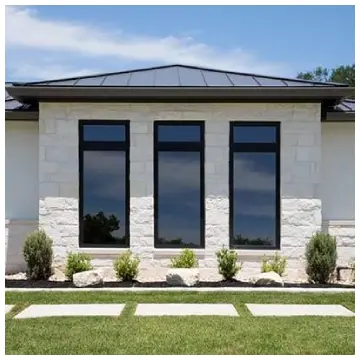
- Material Composition: Pella Impervia uses pure fiberglass formed from structural mats and resin.
Andersen 100 relies on a Fibrex blend of wood fiber and polymer.
This single difference shapes nearly every strength and stability result that follows.
- Frame Thickness: Impervia frames stay slim for a cleaner look. Andersen frames run thicker at roughly three inches on many sides.
The extra bulk changes both feel and visible glass.
- Viewable Glass Area: Slimmer Impervia profiles open up the view and bring in more natural light.
Thicker Andersen frames reduce the glass portion and can make rooms feel slightly more enclosed.
- Aesthetic Range: Impervia offers a wider set of colors that includes popular black exteriors.
Andersen stays with solid colors that resist fading well yet feel more limited for bold designs.
- Climate Handling: Impervia manages extreme swings from deep freezes to high heat without warping.
Fibrex holds steady in most everyday conditions but shows a narrower comfort zone in the harshest temperature cycles.
- Price Level: Andersen 100 usually arrives at a lower installed cost. Impervia sits higher because the pure fiberglass process costs more to produce.
- Structural Feel: Fiberglass stays rigid when stressed by wind or large openings. Fibrex feels solid in normal use yet flexes more than pure fiberglass under heavy loads.
- Long-Term Seal Stability: Both materials move less than standard vinyl and protect weather seals. Fiberglass keeps an edge when temperatures swing hard and often over many seasons.
Key Features Of Pella Impervia
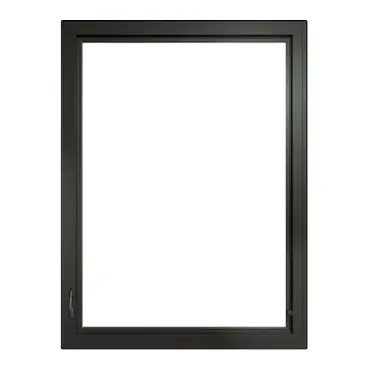
- Pure Fiberglass Frames: The material holds no wood fiber or plastic mix.
It delivers high resistance to bending, denting, and impact across real-world tests.
- Slim Modern Profiles: Thin sightlines push the glass area higher.
Rooms gain light and a contemporary appearance that many newer homes prefer.
- Easy Slide Hardware: Operation stays smooth on casement and awning styles.
The mechanism feels modern and reduces the effort needed for daily use.
- Color Flexibility: Exterior colors include black and several neutrals that hold their tone.
Interiors can differ from exteriors so matching trim stays simple.
- Wide Style Selection: Casement, awning, double-hung, single-hung, sliding, and picture windows cover most residential needs.
Matching patio doors complete the set for consistent looks.
- Strong Energy Packages: Low-E glass and gas fills produce competitive U-factors near 0.27.
Low expansion helps seals stay effective for longer periods.
- Commercial Strength Roots: The line began in demanding commercial settings.
It carries that toughness into large residential openings without extra reinforcement.
- Low Upkeep Finish: No painting or refinishing cycles appear. Simple track and glass cleaning keep the windows looking sharp for decades.
Pros Of Pella Impervia
- High Structural Strength: Tests confirm better resistance to bend, impact, and tension forces. Homes in windy zones or with large openings gain clear extra protection.
- Maximum Glass Area: Slim frames brighten interiors and open sightlines. The modern profile suits current architectural trends that favor clean lines.
- Excellent Temperature Stability: Frames keep their shape from arctic cold to desert heat. Seals remain tighter across repeated seasonal cycles.
- Attractive Color Choices: Black exteriors and mixed interior options expand design freedom. The finish holds its appearance without extra care.
- Long Service Life: Decades of low-maintenance performance remain realistic when installed correctly. Lifetime costs stay predictable because painting never enters the picture.
- Quiet Indoor Feel: Rigid frames cut vibration and outside noise. Daily comfort improves once older windows leave the house.
- Large Opening Capability: The material supports wider spans without heavy added support. Design choices expand for open floor plans and multi-panel layouts.
Cons Of Pella Impervia
- Higher Starting Price: Quotes sit above Andersen 100 in most markets. Full-home replacements feel the difference in the total budget.
- Variable Local Stock: Not every dealer keeps the line in priority inventory. Lead times can stretch longer in some areas.
- Hardware Adjustment Period: Newer operators feel different from traditional cranks at first. Most users adapt after a short period of use.
- Possible Overkill in Mild Zones: Extreme strength may exceed real needs in gentle climates. The price premium becomes harder to justify on durability alone.
- Fewer Budget Entry Points: Options stay in the mid-to-higher range. Tight budgets face fewer ways to reduce cost without changing materials.
Key Features Of Andersen 100 Series
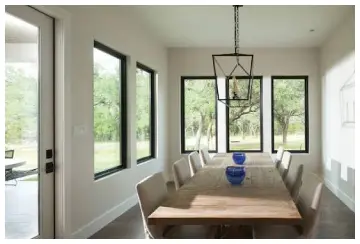
- Fibrex Composite Material: The blend mixes reclaimed wood fiber with polymer for better rigidity.
It improves clearly on plain vinyl while keeping costs controlled.
- Thicker Frame Profiles: The extra depth creates a substantial presence in the hand and on the wall.
Many owners prefer the solid visual weight it adds.
- Reliable Energy Numbers: Low-E packages deliver U-factors near 0.29 in matched examples.
Performance remains steady because the material expands less than vinyl.
- Solid Color Stability: Colors resist fading and chalking through years of sun exposure.
The finish needs only basic cleaning to stay presentable.
- Practical Style Range: Casement, awning, double-hung, sliding, and picture windows meet common needs.
Hardware operates in a familiar and dependable way.
- Flush Fin Options: Certain markets supply fins that ease installation on stucco walls. The detail reduces patching work on specific exterior types.
- Broad Dealer Support: Local service networks make parts and help easier to reach. Installation crews already know the product in most regions.
- Value-Focused Design: The line brings composite benefits at a price closer to better vinyl. It works well as a practical upgrade for budget-conscious projects.
Pros Of Andersen 100 Series
- Strong Price Performance: Composite durability arrives without the higher fiberglass cost. Project budgets stretch further across every opening.
- Good Dimensional Stability: Fibrex moves far less than vinyl under temperature changes. Seals last longer and drafts stay lower year after year.
- Substantial Frame Feel: Thicker profiles give a sense of robustness. The windows feel solid during everyday opening and closing.
- Easy Local Support: Dealer networks keep service and parts nearby. Help arrives faster when questions or repairs appear.
- Proven Residential Record: Many completed installs show reliable color hold and energy results. Real homes confirm the expected performance over time.
- Simple Daily Care: Wipe-downs keep frames clean and tracks free. No painting or refinishing cycles ever appear on the calendar.
- Clear Upgrade Path: The line improves clearly on aging vinyl or aluminum windows. Comfort and efficiency gains show up in the first season.
Cons Of Andersen 100 Series
- Reduced Glass Area: Thicker frames cut the visible glass portion. Rooms can feel less open compared with slim-profile alternatives.
- Lower Peak Strength: Impact and bend numbers trail pure fiberglass results. Extreme wind or large-span sites need extra evaluation.
- Narrower Color Drama: Solid options work reliably yet limit bold exterior statements. Some contemporary designs prefer wider color freedom.
- Entry-Level Perception: The affordable positioning can influence resale conversations. Actual material performance remains solid in normal use.
- Bulkier Sightlines: The profile looks heavier against modern exterior styles. Traditional homes usually handle the thicker look more naturally.
Energy Efficiency AND Everyday Performance
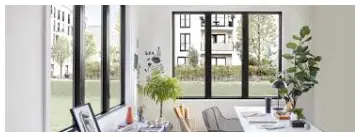
Both products deliver strong energy numbers when equipped with comparable Low-E coatings and gas fills.
In matched examples the U-factors sit close enough that climate and installation quality matter more than the small difference between 0.27 and 0.29.
Solar heat gain coefficients also track closely. The real long-term advantage comes from how well the frames maintain their seals.
Impervia’s lower expansion rate and higher rigidity give it a slight edge in extreme temperature cycling, while Fibrex already improves substantially on vinyl’s movement.
In daily use you notice quieter rooms, more consistent indoor temperatures, and lower heating or cooling loads once the old windows are gone.
Neither line requires special maintenance beyond keeping tracks clear and glass clean, so the efficiency gains stay available year after year.
Durability In Real Conditions
I looked at how these windows behave under wind, temperature swings, and ordinary household stress.
Fiberglass in the Impervia line shrugs off impacts that would dent or crack lesser materials. Large fixed windows or multi-panel configurations stay flatter and tighter.
Fibrex handles normal residential loads without complaint and resists the heat-related sagging that can plague pure vinyl in hot climates.
Both materials last measured in decades rather than years when installed correctly. The deciding factor becomes the specific risks at your address: coastal winds, desert heat, freeze-thaw cycles, or simply kids and pets that treat windows roughly.
In those higher-stress scenarios Impervia’s numbers provide extra reassurance. In milder settings Andersen 100 still delivers more than enough durability for most homes.
Cost Considerations And Value Over Time
Initial quotes usually favor Andersen 100. The gap can range from modest to several hundred dollars per opening depending on size, glass package, and local labor.
Factor in the expected service life of forty years or more for both, and the annual cost difference shrinks. Energy savings from either product will offset a portion of the investment within the first several years in most climates.
The higher strength and thinner profiles of Impervia can also support higher resale appeal in markets that value modern design. If your budget is fixed and you simply need reliable, low-maintenance windows, Andersen 100 offers strong value.
If you plan to stay in the house long term and want maximum glass and structural confidence, the Impervia premium often feels justified after the first few seasons of better comfort and quieter operation.
Installation And Long-Term Ownership
Proper installation matters more than the brand for both products. Flashing, sealing, and structural support determine whether the windows perform as rated.
Andersen’s wider dealer network can make it easier to find experienced crews in some regions. Pella’s commercial heritage means installers familiar with larger commercial openings often handle Impervia with confidence. Once in place, ownership stays simple: occasional cleaning, periodic checks of weatherstripping, and the manufacturer warranties that cover glass seals and non-glass components for extended periods.
Transferability and exact terms vary, so reading the current warranty documents before purchase remains essential.
Neither product demands the ongoing painting or repair cycles associated with wood windows, which keeps lifetime costs predictable.
Which One Fits Different Home Types?
For a contemporary new build or a remodel that prioritizes light and clean lines, Impervia’s slim frames and color options align naturally.
Homes in high-wind or extreme-temperature zones gain extra peace of mind from the fiberglass strength. Budget-focused replacements in moderate climates often land on Andersen 100 because the performance jump from old vinyl is substantial while the price stays controlled.
Historic or traditional exteriors sometimes prefer the thicker Andersen profiles that echo older window proportions. Large openings or multi-story installations lean toward Impervia for structural reasons.
In short, match the material strengths to your climate, design goals, and budget rather than treating either product as universally superior.
Also Read: Is Andersen Acclaim Windows Worth It?
Frequently Asked Questions (FAQ)
Both brands produce high-quality products. Pella Impervia’s pure fiberglass offers greater strength. Andersen 100 provides solid composite performance at a lower price.
Yes. They deliver excellent durability, energy efficiency, and modern aesthetics with very low maintenance needs.
Pella Impervia serves as the closest performance and style match. It uses fiberglass instead of Fibrex and usually costs more.
Yes. They provide reliable composite durability, good energy numbers, and low upkeep that improve on basic vinyl windows.
Wrapping Up
After examining materials, test data, real-user experiences, and cost structures, I see clear strengths in both Pella Impervia and Andersen 100 Series.
You gain exceptional strength, slim modern profiles, and maximum glass with Impervia, while Andersen 100 delivers dependable composite performance and lower entry cost.
Your climate, design preferences, and budget will tip the scale. Measure your openings, request side-by-side quotes with identical glass packages, and prioritize installation quality.
Either choice will upgrade comfort and efficiency for decades if installed correctly. Take the time to match the product to your specific house, and you will end up with windows that perform the way you expect every season.
Recent Posts
I spent months comparing budget options against established names after my last set of tires wore out sooner than expected.My goal here is to share what I learned from putting Dextero and...
AquaTru Carafe Vs. Classic: Which Is Actually Fits Your Kitchen?
I decided to write this comparison after months of testing both the AquaTru Carafe and the Classic in my own kitchen. Tracking covered daily use.Taste stayed consistent. Refill frequency...