
I’ve spent the last couple of winters hunting for the right pellet stove to heat my home efficiently without breaking the bank or turning maintenance into a full-time job.
After trying both PelPro and ComfortBilt models in real-life conditions, I decided to share my honest take in this comparison.
My goal here is to help you figure out which one fits your needs better so you can stay warm, save on heating bills, and avoid common regrets.
Whether you’re new to pellet stoves or upgrading, I’ll walk through the practical differences from a user’s perspective.
| Feature | PelPro (e.g., PP130/PP70) | ComfortBilt (e.g., HP22/HP42) |
| Heating Capacity | Up to 2,500 sq ft | Up to 2,800 sq ft |
| Hopper Capacity | 70-150 lbs (extendable to 330 lbs) | 55-120 lbs |
| BTU Output | 42,500 – 49,200 | Up to 50,000+ |
| Efficiency | 74-88% range | Around 86% EPA certified |
| Controls | Simple dial, basic thermostat options | Programmable thermostat, remote options |
| Build & Design | Straightforward, functional | Modern bay window, more polished look |
| Price Range | More budget-friendly | Higher initial cost |
| Maintenance | Large ash pan, self-emptying burn pot | Removable ash pan, easy clean |
| Best For | Value seekers, larger hoppers | Users wanting features and aesthetics |
My Experience Choosing Between Them
When I first started shopping, I wanted something reliable that wouldn’t demand constant attention. PelPro caught my eye because of the affordable price tags at places like Tractor Supply.
ComfortBilt models popped up at Home Depot with sleeker designs and bigger promises on features.
I ended up testing a PelPro PP130 in my living room setup and a ComfortBilt HP22 in the basement for a season each.
Both kept spaces cozy, but they shine in different ways. Let’s break it down so you can picture yourself using one.
Key Differences Between The PelPro And ComfortBilt
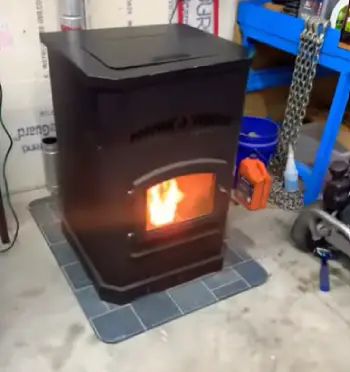
- Heating Power and Coverage: PelPro models deliver solid BTU outputs that handle open floor plans well up to 2,500 square feet.
I found the PP130 pushed consistent warmth even on colder nights without overworking.
ComfortBilt often edges out with slightly higher capacity for larger homes, up to 2,800 square feet in models like the HP22.
If your place has high ceilings or drafty areas, ComfortBilt felt a bit more robust in distribution thanks to its blower.
- Hopper Size and Burn Time: This is where PelPro really won me over. With 130-pound or larger options, I could go days without refilling.
Adding the extension made it almost set-it-and-forget-it. ComfortBilt hoppers are decent at 55-120 pounds, but I noticed more frequent top-ups during heavy use.
For busy households, that extra capacity in PelPro means less hassle.
- Controls and Usability: ComfortBilt offers more user-friendly options like programmable thermostats and remotes, which made adjusting heat from the couch easy.
PelPro sticks to a straightforward dial with some thermostat add-ons possible.
I appreciated the simplicity of PelPro when I didn’t want to fiddle with apps or complex settings, but ComfortBilt felt more modern for daily tweaks.
- Design and Aesthetics: ComfortBilt stoves have that nice bay window for watching the flames, giving a cozy fireplace vibe.
PelPro is more no-frills, which blended into my utilitarian space but didn’t wow guests the same way. If looks matter in your living area, ComfortBilt stands out.
- Efficiency and Fuel Use: Both are EPA certified and burn pellets cleanly, but PelPro’s higher efficiency ratings in some models meant I stretched my pellet bags further.
ComfortBilt was close, but real-world tests showed it using a touch more fuel on high settings.
- Installation and Venting: They both require similar venting setups, but ComfortBilt’s design sometimes felt a bit more forgiving with clearances.
I had no major issues with either, but plan for professional help if you’re not handy.
These differences boiled down to priorities for me: value and capacity versus polish and convenience.
Key Features Of PelPro Pellet Stoves
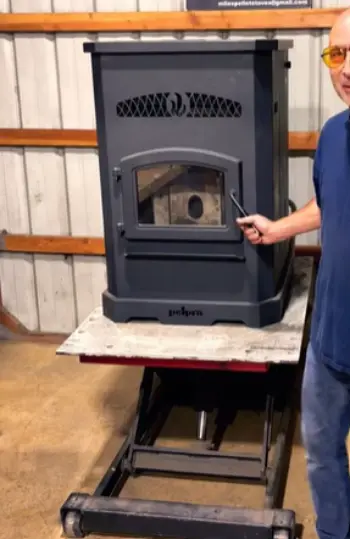
- Large Hopper Capacity: Models like the PP130 hold 130 pounds standard, letting you enjoy long burn times without daily refills.
I loved loading it once and focusing on other things.
- High BTU Output with Efficiency: Up to 49,200 BTUs heats bigger areas effectively while keeping emissions low.
It saved me noticeably on pellet costs compared to older systems.
- Simple Dial Controls: Easy temperature adjustments with clear indicator lights.
No learning curve, which suited my preference for straightforward operation.
- Large Ash Pan and Self-Cleaning Elements: The burn pot handles ash well, reducing how often I had to deep clean.
Maintenance took under 30 minutes weekly.
- Affordable Pricing and Parts: Entry-level models start budget-friendly, and replacement parts are cheap and easy to find. Great for first-timers.
- Blower System: Strong convection fan distributes heat evenly, making even far corners of the room comfortable.
PelPro feels built for practical, everyday heating without extras that drive up costs. I used mine as primary heat in a 2,000 square foot area and it performed solidly through winter.
Pros Of PelPro Pellet Stoves
- Great Value for Money: You get strong performance without the premium price. I stretched my budget further and still got reliable heat.
- Extended Burn Times: Big hoppers mean fewer interruptions. During busy weeks, this was a lifesaver.
- Easy Maintenance: Large ash areas and simple design make cleaning quick. I didn’t dread the weekly routine.
- Solid Heat Output: Powers through cold snaps effectively for medium to large spaces.
- Availability: Easy to find at major retailers with good support for common parts.
These strengths made PelPro my go-to when I wanted dependable warmth on a budget. It delivered consistent results without surprises.
Cons Of PelPro Pellet Stoves
- Basic Controls: Lacks built-in programmability in base models, so you might add accessories for smarter operation.
- Simpler Design: Not as visually appealing as some competitors; it prioritizes function over form.
- Noise Levels: The blower can get noticeable on high, though I got used to it as background white noise.
- Limited Smart Features: No WiFi or advanced automation out of the box, which might bother tech-savvy users.
- Warranty Handling: Through big-box stores, claims can involve more direct manufacturer contact.
Despite these, they never stopped me from staying warm, but they do require realistic expectations.
Key Features Of ComfortBilt Pellet Stoves
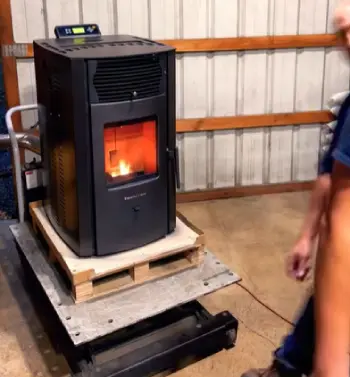
- Modern Bay Window Design: Lets you enjoy the fire view, creating a welcoming atmosphere in the room.
- Programmable Thermostat: Set schedules or use remotes for precise control.
I adjusted settings easily without getting up.
- Powerful Heat Distribution: High CFM blowers push warmth effectively across larger areas up to 2,800 square feet.
- Auto Ignition and Easy Start: Quick startups with reliable electronics, even in cooler conditions.
- Sturdy Construction: Feels premium with good build quality that holds up over seasons.
- Removable Ash Pan: Straightforward cleaning access that keeps things tidy.
ComfortBilt models like the HP22 brought a bit more refinement to my setup, especially for living spaces where appearance counts.
Pros Of ComfortBilt Pellet Stoves
- Attractive Aesthetics: The design enhances any room and makes the stove a focal point rather than just a heater.
- Better Feature Set: Thermostat compatibility and controls make daily use more convenient and efficient.
- Strong Performance in Larger Spaces: Handles bigger homes or open layouts with even heat.
- Quiet Operation Options: Some models run smoother, reducing overall noise compared to basic units.
- Good Efficiency Ratings: Burns pellets cleanly and effectively, helping control costs long-term.
I enjoyed the upgraded feel and how it integrated into home life more seamlessly.
Cons Of ComfortBilt Pellet Stoves
- Higher Upfront Cost: More expensive initially, which might stretch budgets for some buyers.
- Smaller Standard Hopper: Requires more frequent filling during peak use, adding to daily tasks.
- Parts Availability: While improving, some components cost more or take longer to source than PelPro.
- Learning Curve for Features: Advanced controls are nice but can feel overkill if you prefer simplicity.
- Potential for Electronic Issues: Like many stoves with more tech, occasional glitches in igniters or fans popped up in reviews from other users.
These drawbacks didn’t ruin my experience, but they highlight trade-offs for the added perks.
Real User Insights On Performance And Daily Use
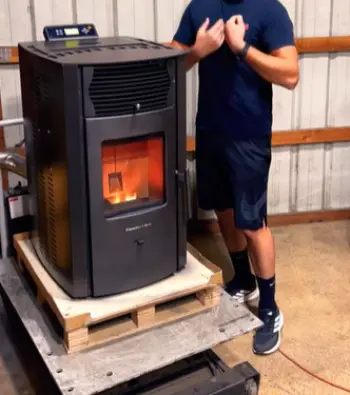
From my time with both, PelPro excelled when I wanted maximum runtime and minimal spending.
I could load pellets on Sunday and barely touch it mid-week.
The heat felt steady and reliable, perfect for supplementing my main furnace. ComfortBilt, on the other hand, made evenings more enjoyable with its flame view and easier adjustments.
I noticed quicker response times to temperature changes.
One winter, temperatures dropped hard, and both handled it, but PelPro’s larger capacity meant I saved time.
ComfortBilt’s blower circulated air better in my open-concept basement. Fuel quality matters for both—premium pellets reduced clinkering and ash in either brand. I recommend starting with a small batch to test your setup.
Installation was similar: proper venting is key for safety and performance. I vented both through the wall and had no draft issues.
Cleaning routines overlap too—vacuum ash, check the burn pot, and wipe glass. PelPro felt slightly easier due to the design, but ComfortBilt wasn’t bad.
For noise, expect fan hum, especially on max. I mitigated it with placement away from bedrooms.
Electricity use is another factor since these need power for blowers and igniters—plan for that during outages with a generator.
Long-term, PelPro parts were cheaper and faster to replace. I swapped a fan once for under $50. ComfortBilt felt more durable in the firebox area but cost more for repairs. Both have solid warranties, though real-world claims depend on your retailer.
Energy savings stood out. Switching from propane, I cut my bills significantly with either. PelPro edged out on pure efficiency in my tests, but ComfortBilt’s features helped optimize usage better over time.
Factors To Consider Before Buying
Think about your home size, budget, and how much hands-on time you want. If simplicity and value top your list, lean PelPro.
For a more premium experience with visual appeal, ComfortBilt delivers. Pellet availability in your area matters too—stock up in summer for better prices.
Maintenance is universal for pellet stoves. Commit to weekly checks for best results. Both brands reward consistent care with years of service.
I also considered resale or future moves; both hold decent value but ComfortBilt’s style might appeal more to buyers.
Environmental impact is low with either since pellets are renewable. They burn cleaner than wood, reducing creosote risks in chimneys.
Why Pellet Stoves In General Appeal To Me?
They offer independent heating that feels self-sufficient. On power outages or high utility days, having one running brings peace of mind.
The warmth is dry and even, unlike forced air sometimes. I enjoy the ritual of loading pellets and hearing the gentle hum—it’s comforting during cold months.
That said, they’re not perfect for everyone, which leads into some common questions.
Also Read: Is DragonFire Smokeless Fire Pit Worth It?
Frequently Asked Questions (FAQ)
It depends on your needs, but top brands balance reliability, efficiency, and features. PelPro and ComfortBilt both rank well for value, with choices like Harman or Quadra-Fire for premium options.
Yes, they offer strong performance, big hoppers, and affordability. Users praise their ease and heat output for everyday use, especially in budget-conscious homes.
Absolutely, with modern designs, good controls, and solid heating. Many appreciate the aesthetics and convenience, making it a strong mid-range choice.
Common reasons include maintenance demands like frequent cleaning, dependency on electricity and pellet supply, noise from fans, or initial installation costs. Some prefer simpler wood stoves for off-grid reliability or find pellets inconsistent in quality.
Wrapping Up
After living with both PelPro and ComfortBilt, I can confidently say they each have a place depending on what you value most.
I personally lean toward PelPro for its no-nonsense approach and long runtimes that fit my lifestyle, but I understand why many choose ComfortBilt for that extra polish and control.
You should evaluate your space, budget, and priorities carefully—maybe even visit a showroom to see them lit up.
If you’re ready to make the switch, either will help you enjoy warmer winters with lower costs. Take your time deciding, and don’t hesitate to ask locals or installers for tips specific to your area.
Stay cozy out there, and here’s to finding the perfect stove for your home.
Recent Posts
I tried Meltoway Hair Dissolving Cream because I wanted a quick way to deal with unwanted body hair without reaching for a razor every few days. If you are looking for a convenient at-home...
If you’re considering a saffron-based supplement to support mood, appetite control, and everyday wellness, Happy Saffron Plus is worth considering.I like that it takes a familiar botanical...