
If you’re tired of patchy lawns that wilt under the sun or demand constant pampering, let me tell you, Pennington Kentucky 31 grass seed is your game-changer.
I’ve seen it transform ordinary yards into resilient green havens that stand up to foot traffic and tough weather.
Don’t wait—pick up a bag today and watch your outdoor space thrive with minimal effort.
It’s affordable, reliable, and perfect for anyone wanting a hardy lawn without the hassle.
My First Experience With Pennington Kentucky 31 Grass Seed
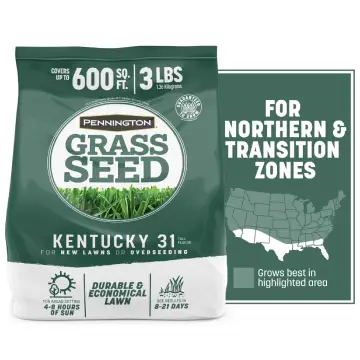
I remember the day I decided to overhaul my backyard—it was a mess of bare spots and thinning grass that just couldn’t handle our family’s weekend barbecues or the kids running around.
I’d heard about Pennington Kentucky 31 from a neighbor who swore by it for his rugged lawn, so I figured, why not give it a shot?
I grabbed a 20-pound bag from the local hardware store and got to work one crisp fall afternoon.
First off, prepping the soil was straightforward.
I raked away the dead stuff, loosened the top layer with a tiller I borrowed, and spread a thin layer of starter fertilizer.
Then came the seeding. The seeds themselves have this penkoted coating—it’s like a protective layer that helps with moisture retention, which I appreciated because I’m not always on top of watering schedules.
I broadcast them evenly using a spreader, aiming for about 5 to 10 pounds per 1,000 square feet as the package suggested.
After that, I lightly raked them in and rolled the area to ensure good soil contact.
The waiting game started, and honestly, I was a bit anxious. But around day 10, I spotted those first green shoots popping up.
By week three, patches were filling in nicely, and it was exciting to see the transformation.
This grass grows thick and tall, which meant I had to mow more frequently at first, but it established a deep root system that made it drought-resistant later on.
We had a hot spell that summer, and while other parts of the neighborhood turned brown, mine stayed mostly green with just occasional watering.
One thing I noticed was how forgiving it is for beginners like me.
I skipped a few waterings early on, but it bounced back without much fuss.
The texture is coarser than some fancy varieties, but that didn’t bother me—it’s tough enough for pets and play. Over the first year, it spread well, crowding out weeds naturally.
I even overseeded some shady spots under trees, and it performed better than expected there too.
Cost-wise, it was a steal compared to sod or pricier seeds, and the results made me feel like a lawn pro.
If you’re like me and want something that works without turning yard work into a full-time job, this seed delivers.
My yard’s now the envy of the block, and I credit it all to starting with Kentucky 31.
Pros Of Pennington Kentucky 31 Grass Seed
You know, when I think about what makes Pennington Kentucky 31 stand out, it’s all about that unbeatable durability that keeps coming through no matter what life throws at your lawn.
- Exceptional Durability in Harsh Conditions

I can’t stress enough how this grass holds up in tough environments.
Whether it’s scorching heat or heavy foot traffic from kids and pets, Kentucky 31 doesn’t back down.
I’ve walked on mine right after rain, and it springs back without mud tracking everywhere.
It’s bred for resilience, making it ideal for high-use areas like backyards or sports fields.
You won’t find yourself reseeding every season because once established, those deep roots dig in and stay put.
- Low-Maintenance Appeal for Busy Homeowners
If you’re like me and don’t have hours to devote to lawn care, this is a dream.
It requires less watering than finer grasses, saving you time and money on bills.
I mow mine every week or so, and it looks neat without needing fancy equipment.
Plus, it naturally resists some common pests, so I skip a lot of chemical treatments. That means more weekends relaxing instead of wrestling with weeds.
- Cost-Effective Choice for Large Areas
Stretching your budget? This seed covers a lot of ground without breaking the bank.
A single bag goes far, especially for overseeding big lawns.
I covered my 2,000-square-foot yard affordably, and the value shines through in its longevity. No need for premium prices when you get reliable growth that performs year after year.
- Strong Germination and Establishment
From my experience, the penkoted coating really boosts success rates.
Seeds sprout reliably within a couple of weeks, filling in bare spots quickly.
It’s forgiving if your soil isn’t perfect, adapting to various types from clay to sandy. You see results fast, which keeps motivation high during those early days.
- Versatility Across Different Climates
This isn’t just for one region—I’ve talked to friends in warmer zones who love it for its heat tolerance, and it works in cooler areas too.
It handles shade better than many sun-loving grasses, so if your yard has trees or buildings casting shadows, it won’t thin out. That adaptability makes it a go-to for mixed landscapes.
- Natural Weed Suppression
Once it thickens up, Kentucky 31 crowds out invaders naturally.
I noticed fewer dandelions popping up after the first season, reducing my need for herbicides.
It’s like the grass takes care of itself, giving you a denser, healthier lawn over time.
- Eco-Friendly Benefits
Thinking green? This variety uses less water overall, which is great for conservation.
It also supports local wildlife without demanding excessive resources.
I feel good knowing my choice helps the environment while keeping my yard looking sharp.
Cons Of Pennington Kentucky 31 Grass Seed
Of course, no product is perfect, and I’ve run into a few drawbacks with Kentucky 31 that you should consider before diving in.
- Coarser Texture Than Premium Varieties
The blades are thicker and rougher, which might not feel as soft underfoot.
If you’re aiming for that luxurious, carpet-like lawn, this could disappoint.
I don’t mind it for play areas, but for barefoot lounging, it lacks that plushness.
- Potential for Uneven Germination
Sometimes, patches take longer to fill in, especially if conditions aren’t ideal.
I’ve had spots where seeds didn’t sprout as uniformly, requiring a bit of patience or touch-up seeding.
It’s not a deal-breaker, but expect some variability.
- Higher Mowing Frequency Initially
During establishment, it grows fast, so you might mow more often at first.
I found myself out there weekly to keep it in check, which can be a chore if your schedule is packed.
- Less Aesthetic Appeal for Formal Lawns
It’s more functional than fancy—great for utility but not the deep green showpiece some folks want.
If curb appeal is your top priority, finer blends might suit better.
- Sensitivity to Over-Fertilization
Push too hard with nutrients, and it can lead to thatch buildup.
I learned to go easy after seeing some excess growth that needed dethatching.
Maintenance Tips For Pennington Kentucky 31 Grass Seed
Keeping your Kentucky 31 thriving isn’t rocket science, but a few key practices make all the difference.
Let me walk you through what works best based on what I’ve done.
- Soil Preparation Before Seeding
Start with testing your soil pH—aim for 6.0 to 7.0.
I tilled mine to about 4 inches deep, removing rocks and debris.
Add organic matter like compost to improve drainage if it’s compacted. This sets the stage for strong roots right from the get-go.
- Optimal Seeding Timing and Techniques
Fall or spring are prime times when soil temps are around 50-65°F.
Spread seeds evenly, then rake lightly and roll for contact.
I overseed existing lawns by aerating first, which helps penetration. Water immediately after to kickstart germination.
- Watering Strategies for Healthy Growth
Keep the top inch moist during the first few weeks—light sprays two to three times daily prevent drying. Once established, deep, infrequent watering encourages deep roots.
I aim for 1 inch per week, adjusting for rain. Avoid puddles to prevent rot.
- Mowing Practices to Promote Density
Set your mower to 3-4 inches high; never cut more than a third off at once. I sharpen blades regularly for clean cuts that reduce stress. Mow when dry to avoid clumping, and leave clippings as natural mulch.
- Fertilization Schedule for Nutrient Balance
Apply a balanced fertilizer in spring and fall.
I use slow-release types to avoid burns, starting with half-strength for new seeds. Monitor for deficiencies—yellowing might mean more nitrogen. Space applications 6-8 weeks apart.
- Weed and Pest Management Approaches
Hand-pull weeds early or use pre-emergents in spring.
For pests like grubs, beneficial nematodes work without chemicals.
I scout regularly, catching issues before they spread. Healthy grass naturally resists many problems.
- Aeration and Dethatching Routines
Aerate annually if soil compacts, especially in high-traffic areas.
I do it in fall, pulling plugs to improve air and water flow. Dethatch if buildup exceeds half an inch, using a rake or machine gently.
- Seasonal Care Adjustments
In summer, raise mowing height for shade and moisture retention.
Winterize with a final fertilize before dormancy. I mulch leaves instead of raking to add nutrients.
Adapt to your local weather for best results.
- Troubleshooting Common Issues
If growth stalls, check for overwatering or poor drainage. Brown patches? Could be fungus—improve air circulation. I adjust based on observation, like adding lime for acidic soil.
Patience pays off with this hardy grass.
Comparison Pennington Kentucky 31 Grass Seed With Other Brands
When I stacked Pennington Kentucky 31 against competitors, it held its own in practicality, though preferences vary by what you need from your lawn.
- Pennington Kentucky 31 Versus Scotts Turf Builder
Scotts Turf Builder often comes with advanced coatings that lock in moisture and nutrients, giving it a slight edge in quick establishment for impatient folks like me.
But Kentucky 31 shines in raw toughness; it’s less finicky about soil quality and doesn’t demand as much upfront care.
I found Scotts produces a finer blade for that manicured look, yet it costs more per bag, making Kentucky 31 the budget winner for larger projects.
In heat stress tests I’ve read about, both perform well, but Kentucky 31 recovers faster from drought without extra watering.
- Pennington Kentucky 31 Versus Jonathan Green Black Beauty
Jonathan Green’s Black Beauty mix boasts superior disease resistance and a darker green hue that screams premium aesthetics.
It’s what I’d choose for a showcase yard, but Kentucky 31 counters with better wear tolerance—perfect if your space sees lots of action.
Germination times are similar, around two weeks, though Black Beauty fills in more uniformly in shady spots.
Price-wise, Kentucky 31 undercuts it significantly, appealing to those of us watching expenses.
While Black Beauty needs consistent fertilization for its best color, Kentucky 31 maintains decent vibrancy with minimal inputs.
- Pennington Kentucky 31 Versus Barenbrug Turf Star
Barenbrug’s Turf Star emphasizes fine texture and low water needs, making it a strong contender for eco-conscious users.
It establishes a bit quicker in cooler climates, but Kentucky 31 edges it out in extreme heat endurance.
I’ve noticed Turf Star requires more precise seeding rates to avoid thin spots, whereas Kentucky 31 is more forgiving for novices.
Cost is comparable, but Kentucky 31 covers more area per pound due to its robust growth habit. For pest resistance, both are solid, though Turf Star might need less mowing overall.
- Pennington Kentucky 31 Versus Lesco All Pro
Lesco’s All Pro is geared toward professionals with its high purity and germination rates, offering a professional-grade finish.
Kentucky 31, however, is accessible for DIYers like you and me, without the steep learning curve.
All Pro adapts well to various soils but can be pricier for home use. In terms of longevity, both are perennials, yet Kentucky 31’s coarse nature makes it better for erosion control on slopes.
I prefer Kentucky 31 for its simplicity—no need for specialized tools that All Pro sometimes benefits from.
Frequently Asked Questions (FAQ)
Is Kentucky 31 a good lawn grass?
Yes, it’s durable and low-maintenance for high-traffic areas.
How long does it take for Pennington Kentucky 31 to germinate?
Typically 10-20 days under ideal conditions.
Is Pennington grass seed good quality?
It’s reliable for toughness, though mixed reviews on uniformity.
Does Kentucky 31 fescue come back every year?
Yes, it’s a perennial that regrows annually.
Wrapping Up
Look, if you want a lawn that can actually take a beating from kids, dogs, summer heat, and your occasional neglect—without costing you a fortune or turning lawn care into a second job—Pennington Kentucky 31 is honestly hard to beat. I’ve watched my own patchy yard turn into a thick, green survivor, and I’m still smiling about how little effort it took.
Recent Posts
I spent months comparing budget options against established names after my last set of tires wore out sooner than expected.My goal here is to share what I learned from putting Dextero and...
AquaTru Carafe Vs. Classic: Which Is Actually Fits Your Kitchen?
I decided to write this comparison after months of testing both the AquaTru Carafe and the Classic in my own kitchen. Tracking covered daily use.Taste stayed consistent. Refill frequency...