
I spent weeks comparing Pergolux and Bon Pergola after deciding my patio needed a real upgrade that could handle sun, rain, and the occasional storm without turning into a maintenance nightmare.
My goal here is straightforward: give you a clear, side-by-side look at these two popular louvered aluminum systems so you can decide which one fits your space, climate, and budget without the usual marketing fluff.
| Feature | Pergolux | Bon Pergola |
| Origin / Design | Norwegian design, Asian manufacturing | Designed with US market focus, Asian manufacturing |
| Primary Material | 6063-T5 aluminum, thicker louvers on higher models | 6063-T5 aluminum (wall thickness often undisclosed) |
| Louver Operation | Manual crank or motorized (app, remote, smart home) | Motorized standard on most models (remote/app options) |
| Wind Rating | Up to 165 mph claimed on Series 4 (varies by size) | 80–120 mph depending on model (Villa vs higher lines) |
| Snow Load | Up to 50–75 psf or higher on Pro Max (config dependent) | 10–30 psf typical (higher on Weatherproof models) |
| Warranty | 10 years structural, shorter on motors/electronics | 5–10 years structural, varies by channel and model |
| Lighting | Integrated LED options (frame or in-louver) | Edge or integrated LED standard on many kits |
| Price Range (approx. mid-size) | $5,000–$12,000 | $5,000–$16,000 |
| Assembly | DIY-friendly with SnapFIT, can take longer on larger units | DIY kit, generally manageable with helpers |
| Standout Strength | Lab-tested durability and weather sealing | Responsive customer support |
Why I Looked at These Two Brands?
When I started shopping for a louvered pergola, I wanted something that felt permanent yet adjustable. Fixed roofs block too much light.
Retractable fabric ones wear out. Louvered aluminum systems let you open for breeze and sun, close for rain or shade, and still look clean year-round.
Pergolux and Bon Pergola kept showing up in the same mid-range conversations. These are solid kits you can install yourself or with a couple of friends. They stay priced well below full custom commercial systems.
I approached this as a real homeowner, not a catalog reader. I checked specs. I read owner feedback. I weighed how each would perform in actual weather rather than perfect brochure conditions.
Key Differences Between Pergolux And Bon Pergola
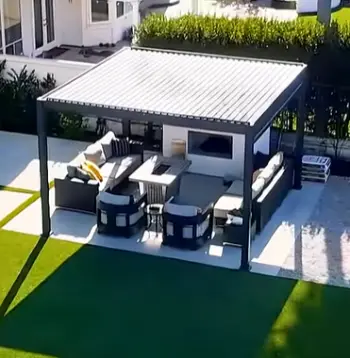
- Structural transparency and ratings: Pergolux publishes more detailed load numbers. Independent lab results support its claims.
Bon Pergola lists more modest figures on entry models. Some key details stay harder to verify.
- Weather performance focus: Pergolux emphasizes strong rain sealing. Water channels through the posts. Higher models claim better snow capacity.
Bon Pergola focuses on motorized ease. Rain sensors are available as options.
- Customer experience after purchase: Bon Pergola draws consistent praise for phone support. Responses come quickly.
Pergolux earns solid marks for product quality. Delivery timing sometimes varies.
- Feature depth versus simplicity: Pergolux includes accessory channels. Later additions stay simple.
Bon Pergola often packs lighting as standard.
The core package feels ready to use.
- Warranty structure: Both offer multi-year coverage. Details differ on what is covered.
Transfer rules and registration also vary.
Pergolux leans longer on the frame itself.
- Design and finish approach: Pergolux follows clean Scandinavian lines. The look stays modern and understated.
Bon Pergola aims for practical everyday appeal. Color options cover common outdoor tastes.
- Installation expectations: Both ship as DIY kits. Larger pieces need extra hands. Pergolux benefits from its SnapFIT system. Bon requires careful footing work for full performance.
These differences matter once the unit sits outside for a few seasons.
A higher snow rating loses value in mild climates.
Responsive support becomes useful the first time a motor needs attention.
Key Features Of Pergolux
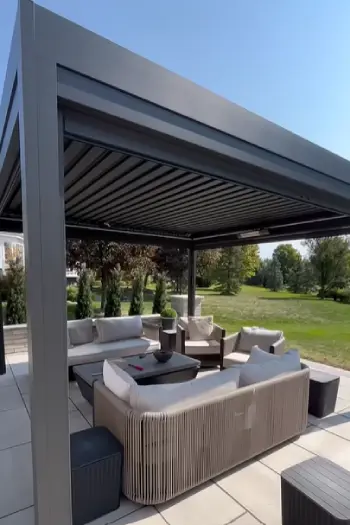
- Adjustable louvers with wide rotation: Most Series 4 models open to around 120 degrees. You can fine-tune light and airflow.
Motorized versions move quietly. Control comes by remote, app, or smart home systems.
- RainLUX-style drainage: Water runs into gutters. It then flows down the posts. The space underneath stays dry in heavy rain.
Closed louvers seal effectively.
- SnapFIT accessory system: Channels sit built into the beams.
You can add screens, glass, or heaters later. No new holes are needed.
Upgrades stay clean and simple.
- Material and finish choices: Powder-coated aluminum resists rust.
Popular colors include anthracite and white. Higher models use thicker posts. Longer spans need no center post.
- Smart and lighting options: Integrated dimmable LEDs appear on Pro lines.
Some place lights inside the louvers. Voice assistant compatibility is available. Daily control feels convenient.
- Rapid assembly elements: Newer models reduce louver install time. Videos and instructions support the process.
Two or three people handle the job best. Preparation of the base remains essential.
I found the accessory channels especially practical. Once the main frame is up, you can expand the system over time. Guessing every need on day one becomes unnecessary.
Pros Of Pergolux
- Proven durability in independent tests: Nordic lab results ranked certain models highly. Side stability scored well. Impact resistance and overall build also performed strongly. Confidence grows for storm seasons.
- Stronger published load ratings: Snow and wind numbers sit higher on Pro and Pro Max lines. Serious weather areas benefit most. Claims exceed many mid-range competitors. Long-term peace of mind increases.
- Flexible accessory ecosystem: Built-in channels support future additions. Privacy screens or heaters install cleanly. The system grows with your needs. Improvised fixes stay rare.
- Clean Scandinavian design language: Profiles look modern without excess. The finish holds up over time. Owner feedback supports lasting appearance. Outdoor spaces gain a polished look.
- Longer structural warranty on the frame: Ten years covers the aluminum structure. This sets a solid baseline. Frame protection lasts longer than many rivals. Major repairs feel less likely early on.
- Effective rain sealing: Closed louvers keep the area dry. Drainage works as described. Heavy rain no longer forces indoor retreat. Outdoor living extends further into wet months.
These strengths push Pergolux toward buyers who prioritize engineering numbers. Future expandability also ranks high for many.
Cons Of Pergolux
- Assembly can take longer: Some kits contain many parts. Even improved instructions need careful following. Larger sizes demand more time. Organization becomes important.
- Delivery timelines sometimes stretch: Owner reports mention waits beyond estimates. Busy seasons increase delays. Planning ahead helps. Patience is useful during ordering.
- Electronics coverage is shorter: Motors and moving parts sit in the two-year range. The frame gets longer protection. This pattern is common in the category. Future motor costs should be considered.
- Engineering reports lack full public detail: Ratings appear clearly. Full structural calculations stay less open. Some premium brands share more. Verification takes extra effort.
- Part accuracy can vary: Occasional missing pieces appear in feedback. Support usually resolves the issue. Extra checks on arrival help. Small delays can follow.
None of these are deal-breakers for mild climates. They simply shape realistic expectations.
Key Features Of Bon Pergola
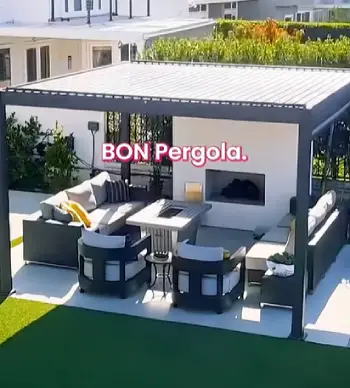
- Motorized louvers as standard: Most Villa and higher kits arrive motorized.
Louvers rotate and seal for rain.
Some setups support rain sensors. Automatic closing adds peace of mind.
- Integrated or edge LED lighting: Lighting often comes included.
The same remote or app controls both lights and louvers.
Separate outdoor fixtures become optional. Night use feels ready.
- Fan-ready center beam: Certain models support a ceiling fan.
Air movement helps on still humid days. Comfort improves under a closed roof.
Extra cooling stays simple to add.
- Multiple size and color options: Common footprints cover 10×10 up to larger ranges.
Powder-coated finishes need little upkeep.
Color choices fit most outdoor styles. Matching existing spaces is easier.
- Straightforward kit packaging: Units ship in crates. Instructions and hardware are included.
DIY installation is the target.
Larger pieces still need extra hands.
- Practical remote and app control: Daily adjustments stay quick. You can close the roof from inside. Weather changes no longer force a rush outside.
Convenience ranks high in owner feedback.
The motorized convenience stood out for me. Closing the roof from inside the house feels like a genuine daily improvement. Clouds no longer end outdoor plans suddenly.
Pros Of Bon Pergola
- Standout customer support: Real people answer the phone. Follow-up happens quickly. Review platforms highlight this strength. Post-sale silence is rare here.
- Motorized operation included early: Remote control arrives as standard. No upgrade is needed for basic convenience. Daily use feels simpler from the start. Weather changes are easier to manage.
- Practical everyday features: Standard lighting reduces extra purchases. Optional sensors add automatic protection. Fan compatibility improves comfort. Real outdoor living gets direct support.
- Industry recognition: Awards for innovation and value appear in coverage. Company materials reference them. Recognition adds some external validation. Buyer confidence can grow.
- Competitive entry pricing: The Villa line starts at accessible levels. A motorized aluminum system becomes reachable. Value sits clearly in the mid-range. Budget planning feels more flexible.
- Responsive problem solving: Wiring or alignment questions get answers. Motor issues receive guidance. Support quality ranks high in feedback. Ownership stress stays lower.
If support and out-of-box convenience rank high for you, Bon Pergola delivers. Many owners value that daily ease.
Cons Of Bon Pergola
- Lower baseline structural ratings: Entry models list modest wind and snow figures. Higher lines improve the numbers. Gaps remain versus some rivals. Extreme weather areas need careful review.
- Limited transparency on material details: Exact aluminum wall thickness is rarely listed. That number reveals long-term stiffness. Durability assessment becomes harder. Buyers must dig deeper.
- Warranty terms can be restrictive: Coverage sometimes depends on purchase channel. Transfer rules may limit options. Certain conditions are excluded. Reading the fine print is essential.
- Heavier reliance on footing design: Proper concrete footings become critical. Stated wind performance depends on them. Extra cost and planning follow. Base work cannot be skipped.
- Assembly still needs care: Precise alignment matters for smooth travel. Heavy components require helpers. Instructions help but demand attention. Time estimates can run long.
These points matter most in areas with frequent high winds. Heavy snow also raises the stakes.
Real-World Performance And What Owners Actually Experience?
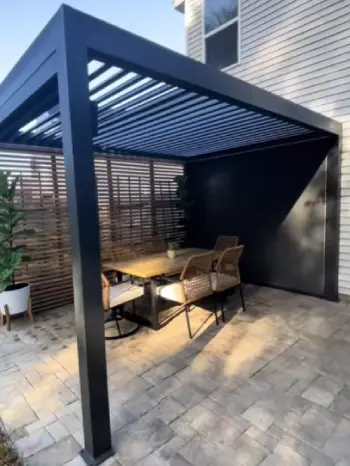
I paid attention to how these systems hold up after a year or two. Pergolux owners often mention the roof staying watertight.
The structure feels solid in wind. Drainage works when louvers close properly.
Assembly stories range from one weekend to longer efforts. Videos usually help.
Bon Pergola owners repeatedly praise the support team. Motor questions or wiring issues receive quick replies.
Lighting and remote control see daily use. Precise alignment during install remains important. Smooth louver travel depends on it.
Neither system is a commercial-grade hurricane structure. Both belong in the consumer kit category.
Mild-to-moderate climates suit them well. Extreme weather areas may need higher-tier models. Professional engineering stamps can also help.
Installation Realities From A Homeowner View
Both brands ship as DIY kits. Clear videos and manuals exist. Aluminum beams are long and heavy. Two or three people make the job safer.
Level footings or a solid concrete pad matter more than brand name. Electrical work for motors usually needs a licensed electrician. Code compliance stays important.
Pergolux’s SnapFIT reduces some fastener work. Accessories install more easily. Bon’s crate packaging simplifies unloading. Space for the crates still helps.
Either way, plan for a full weekend on a mid-size unit. Tools should be ready in advance.
Which One Fits Different Needs?
If your priority is higher published load numbers, Pergolux edges ahead for me. Accessory flexibility and lab-backed durability also favor it.
The Series 4 Pro line balances motorized ease with stronger weather claims.
If you value phone support, Bon Pergola makes a strong case. Included motorization and lighting add daily convenience. The Villa series has helped many homeowners enjoy outdoor space without drama.
Climate, local codes, and expected weather should guide the final call. Brand loyalty matters less than real conditions.
Also Read: Is Hanso Home Pergola Worth It?
Frequently Asked Questions (FAQ)
Ratings vary by source and criteria. Commercial systems with published engineering reports often top independent lists. Mid-range kits like certain Pergolux and Hanso models score well for value and features.
Yes for the mid-range category. Independent Nordic lab tests ranked models highly for stability and rain sealing. Owner feedback generally supports solid construction when installed correctly.
No single best brand exists. It depends on budget, climate, and needed features. Premium US-made and European architectural brands lead on extreme ratings. Pergolux and Bon sit in the accessible motorized kit tier.
Hanso often leads published engineering documentation. Some structural metrics favor it in the mid-range. Pergolux competes strongly on features and accessory systems. Independent lab results also support it. Choice depends on which numbers and support style matter most to you.
Final Thoughts
I started this comparison wanting one clear winner. I ended with a clearer set of trade-offs. Pergolux gives me stronger weather numbers.
The system can expand later. Bon Pergola gives me reliable support. Out-of-box features make daily use simple. You know your climate.
You know your patio size. You know how much time you want to spend on assembly or upgrades. Match those realities to the strengths above.
You will land on the system that improves how you live outside. Photos matter less than real performance.
Take the time to measure twice. Check local wind and snow data. Choose the one that fits your actual conditions. That approach will serve you longer than any single brand claim.
Recent Posts
I spent months comparing budget options against established names after my last set of tires wore out sooner than expected.My goal here is to share what I learned from putting Dextero and...
AquaTru Carafe Vs. Classic: Which Is Actually Fits Your Kitchen?
I decided to write this comparison after months of testing both the AquaTru Carafe and the Classic in my own kitchen. Tracking covered daily use.Taste stayed consistent. Refill frequency...