
I spent months researching adjustable louvered pergolas for my own patio project, and the choice between Pergolux and Mirador kept coming up as the real decision point for most homeowners like me.
My goal here is to share what I learned from comparing their builds, features, real-world performance, and long-term value so you can decide which one actually fits your space, budget, and climate without second-guessing later.
| Feature | Pergolux | Mirador |
| Price Range (approx. 10×13) | $5,000–$12,000+ | $2,000–$5,000 |
| Construction | 6063-T5 aluminum, dual-wall options on higher models | Aluminum frame, steel or double-aluminum louvers |
| Wind Rating | Up to 150 mph on many models | 70–102 mph depending on model and anchoring |
| Snow Load | 24–51+ psf (varies by size and series) | 10–26 psf |
| Control Options | Manual crank or motorized with app/remote/smart home | Mostly manual crank; some E-Motion electric |
| Warranty | 10-year frame, 5-year moving parts, 2-year electronics | 4–5 years typical |
| Standout Strengths | Smart integration, lighting, modular accessories | Value pricing, easy retail availability, clean design |
| Best For | Tech-focused buyers wanting premium features | Budget-conscious owners seeking solid everyday performance |
Key Differences Between Pergolux And Mirador
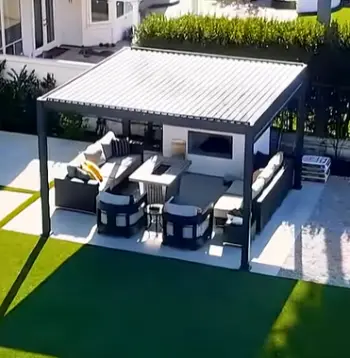
- Price and accessibility: Mirador sits in the lower range. You can buy it at Costco or online for a few thousand dollars. Pergolux costs more.
It includes higher-end controls from the start. The gap creates a clear choice between saving money now or gaining extra features later.
- Build materials and structural ratings: Both use aluminum frames that resist rust. Pergolux often uses thicker sections and dual-wall louvers on Pro models.
Mirador mixes aluminum frames with steel louvers or full double-aluminum on the 111DA. Wind and snow numbers favor Pergolux.
Mirador still works well in typical home settings when anchored correctly.
- Control and automation: Pergolux focuses on motorized roofs. Higher models offer remote, app, and smart-home links.
Mirador keeps most units manual with a simple crank.
The E-Motion versions add basic remote control. They stop short of full smart systems.
- Accessory ecosystem: Pergolux builds frames with SnapFIT channels. You can add screens, glass walls, or heaters later without drilling.
Mirador offers privacy screens and lighting kits. The fit feels more like an add-on than a built-in feature.
- Warranty length and coverage: Pergolux gives a layered 10-year frame warranty. This brings longer peace of mind.
Mirador offers 4 or 5 years. It matches the lower price and covers the main structure for most users.
- Installation and kit style: Mirador kits arrive ready for quick assembly. Two or three people can finish in one day.
Pergolux kits need more care on motorized models. Extra wiring adds time but delivers a cleaner finished look.
- Design philosophy: Pergolux aims for modern tech and modular growth. Mirador focuses on clean looks and everyday value. Both earn compliments in real backyards.
Key Features Of Pergolux
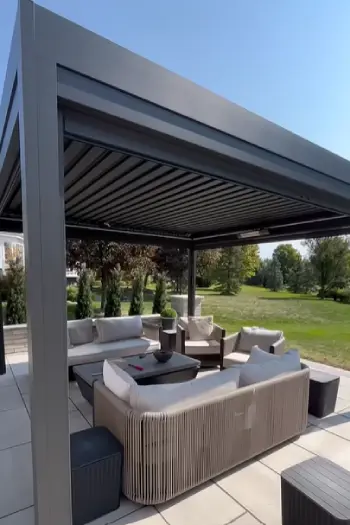
- Adjustable louvered roof with wide rotation: The louvers move through a wide angle.
You can fine-tune sun, shade, and airflow.
Motorized models run smooth and quiet. Guests barely notice the motion.
- Integrated smart controls: Higher Series 4 Pro and Pro Max units connect to phones.
They also link to popular smart-home platforms.
You can set schedules or tie the roof to weather sensors. It closes on its own when rain starts.
- RainLUX drainage system: Water flows through hidden gutters inside the beams and posts.
It exits at the base.
The design keeps the patio dry. It also cuts the drumming noise common on simpler roofs.
- Modular SnapFIT accessory channels: You can add side screens, heaters, or glass panels later. No extra holes are needed.
This flexibility helps if outdoor needs change over time.
- Powder-coated aluminum finish options: Clean colors like anthracite, black, and white resist fading. They need only occasional rinsing.
The lines look intentional and modern.
- Reinforced dual-wall louvers on premium models: These add strength and quieter movement.
They handle heavier loads better than single-wall designs.
Rapid assembly upgrades in Series 4: Roof sections click in faster than older versions.
The process still needs careful steps but feels more streamlined.
Pros of Pergolux
- Superior automation and convenience: The motorized roof makes daily changes easy. You can close the louvers from inside the house. Unexpected clouds no longer interrupt outdoor plans.
- Stronger published weather ratings: Higher wind and snow numbers build confidence. This helps in storm-prone or snowy regions. Dual-wall louvers add rigidity and quieter use.
- Future-proof modularity: You can expand with screens or walls later. This protects the first investment. Owners who start simple and add features later report high satisfaction.
- Longer structural warranty: Ten years on the frame reduces worry about early issues. Solid support channels create a sense of long-term backup.
- Refined rain management and reduced noise: Internal paths handle heavy rain more quietly. The space underneath stays pleasant even in wet spells.
- Modern smart-home integration: App control and sensor links fit tech-focused homes. The system feels current and useful every day.
- Clean Scandinavian-inspired aesthetics: The lines and finishes look intentional. The structure elevates the whole outdoor area.
Cons of Pergolux
- Higher upfront cost: Smart features and thicker materials raise the price. A basic shade need may not justify the extra spend.
- More complex assembly on larger or motorized units: Extra wiring and sensors add steps. Some first installs take longer than expected.
- Import lead times can vary: Most orders arrive on time. Occasional delays or missing parts appear in feedback. A time buffer helps avoid stress.
- Electronics introduce potential maintenance points: Motors and boards wear over years. The shorter electronics warranty means later repairs fall to the owner.
- Premium positioning limits casual buyers: The price and features suit committed users. Budget-focused shoppers may look elsewhere first.
Key Features Of Mirador
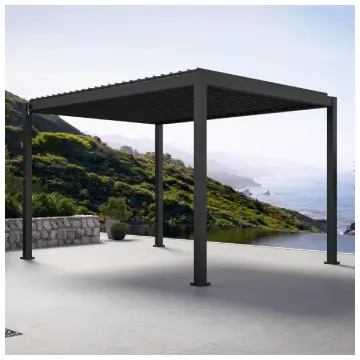
- Red Dot award-winning design: The clean frame shows no visible fasteners.
It gives a polished look. Many owners notice this first.
The structure appears more expensive than its price.
- Integrated guttering through the posts: Louvers close and rain runs into channels.
Water travels down the posts. The system works well for moderate storms.
It keeps the space under the roof usable longer.
- Manual crank with ergonomic handle: Most models open and close with a simple wand.
The feel is solid. Wider angles on double-aluminum versions improve airflow.
You get breeze without full sun.
- Multiple size and finish choices: Standard sizes cover 10×10, 10×13, and 10×20.
Wood-grain Takasho finishes and charcoal or gray coats blend with different styles.
Options fit most patio layouts.
- Retail availability and straightforward kits: You find Mirador at Costco or major online stores. Instructions stay clear.
Prefabricated sections let two or three people assemble in one afternoon.
- Patented louver mechanism: The design locks securely when closed.
It provides solid UV and light rain protection. Daily adjustments feel reliable.
- Lightweight yet stable frame: The aluminum build stays manageable for DIY work.
Proper anchoring keeps it steady in normal winds.
Pros Of Mirador
- Excellent value for the money: You get an adjustable roof, decent weather cover, and attractive design at a lower cost. Many backyards find this the right balance.
- Simple, reliable manual operation: No batteries, apps, or wiring. The crank works every time. Fewer parts mean fewer long-term failures.
- Wide retail presence and easy returns: Costco and similar stores offer familiar return policies. In-person options add peace of mind that pure online brands sometimes lack.
- Attractive modern aesthetics out of the box: The Red Dot design earns its recognition. The structure lifts a plain patio without looking temporary.
- Quick assembly for most sizes: Prefabricated rails and clear guides speed the job. A couple of people can finish in one afternoon. You start using the space right away.
- Solid everyday weather protection: Closed louvers block sun and light rain effectively. The drainage system keeps the floor dry in normal conditions.
- Broad size and finish availability: Options match common patio dimensions and styles. Finding the right fit stays straightforward.
Cons Of Mirador
- Lower structural ratings: Wind and snow capacities sit below premium options. Exposed or northern sites may need open louvers in extremes. Longevity can suffer in harsh weather.
- Limited smart features: Manual operation works for many. Owners who travel or want auto weather response miss app control and sensors.
- Shorter warranty coverage: Four or five years feels fair at the price. It leaves less margin for long-term issues than ten-year frame guarantees.
- Accessory integration is less seamless: Screens and lights exist. They often need extra hardware instead of sliding into built-in channels.
- Thinner materials in entry models: Some units use lighter sections. High-wind areas may notice more flex over time.
Real-World Performance And Ownership Experience

After living with the idea of both systems and talking with owners who installed each, a pattern emerges.
Pergolux shines when the patio serves as an extension of the living room. Evening dinners continue after dark with integrated lighting.
Automatic roof closure handles summer storms. The higher price buys daily convenience and room to expand later. Owners in coastal or snowy regions value the stronger ratings.
Mirador owners often mention how quickly the pergola turned an unused concrete pad into a favorite spot.
The lower cost left room for furniture and plants. The clean design still draws compliments years later. In moderate climates the weather cover proves enough.
Main complaints focus on manual adjustments and a wish for thicker materials in windy zones.
Assembly difficulty sits in the middle for both. Mirador’s simpler kits favor first-time builders. Pergolux’s motorized versions reward careful planning and a helper.
The finished result feels more refined. Both brands supply anchor hardware. Professional help stays optional but useful if local codes need engineered drawings.
Maintenance stays low across the board. Occasional rinsing and light lubrication keep either system working well. Powder-coated finishes hold color better than painted steel. Neither needs the yearly sealing that wood structures demand.
Choosing Based On Your Priorities
If your main goal is reliable shade and rain cover without stretching the budget, Mirador delivers. Costco availability and simple operation make it an easy win for many suburban patios.
When smart controls, modular growth, and higher weather ratings matter more than the first price, Pergolux becomes the clearer pick.
I chose the brand that matched how I actually use outdoor space rather than chasing the highest numbers on paper.
Climate plays a big role. Mild regions forgive thinner materials and lower ratings. Areas with frequent high winds or heavy snow benefit from the extra engineering Pergolux lists.
Think about how long you plan to stay in the home. A longer warranty and expandable design hold more value if the pergola stays for a decade or more.
Also Read: Is Hanso Home Pergola Worth It?
Frequently Asked Questions (FAQ)
It depends on priorities. Pergolux offers stronger ratings, smarter controls, and longer warranty coverage at a higher price. Mirador provides solid everyday performance and better value for most standard patios.
Ratings vary by source and criteria. Premium custom brands often lead independent engineering reviews, while Mirador and Pergolux frequently top value and user-satisfaction lists in the kit category.
Yes for the price. They deliver adjustable shade, attractive design, and functional drainage that satisfy the majority of homeowners in moderate climates.
Costco commonly carries Mirador 111S series units in sizes such as 10×13, 10×20, and 8.8×14.4, often in charcoal or similar powder-coated finishes with adjustable louvers and integrated drainage.
Wrapping Up
I realized the best pergola is the one that disappears into daily life rather than demanding constant attention.
Whether you choose the feature-rich path of Pergolux or the practical reliability of Mirador, you gain a flexible outdoor room that extends the seasons and the usefulness of your backyard. Take the time to measure your space, check local weather data, and match the system to how you actually live outdoors. Once the louvers are in place you will wonder how you ever managed without them.
Recent Posts
I spent months comparing budget options against established names after my last set of tires wore out sooner than expected.My goal here is to share what I learned from putting Dextero and...
AquaTru Carafe Vs. Classic: Which Is Actually Fits Your Kitchen?
I decided to write this comparison after months of testing both the AquaTru Carafe and the Classic in my own kitchen. Tracking covered daily use.Taste stayed consistent. Refill frequency...